
Mastering Front Yard Landscape Layout: Design Your Dream Outdoor Space
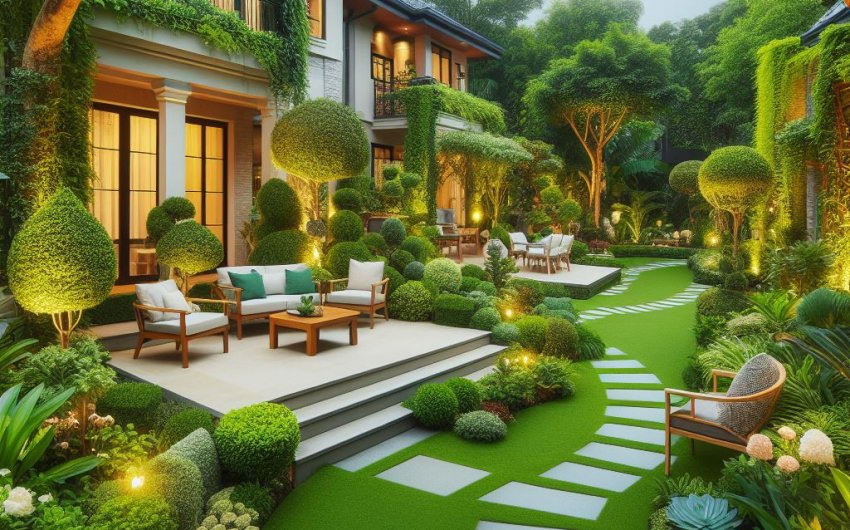
Transforming the exterior of your home into a welcoming and beautiful extension of your living space begins with strategic planning. Mastering front yard landscape layout is the art of blending aesthetics with functionality, creating an outdoor area that not only enhances your home's curb appeal but also provides enjoyment and aligns with your lifestyle. Designing your dream outdoor space in the front yard involves careful consideration of everything from plant choices and hardscaping to flow and maintenance, ensuring every element contributes to a cohesive and inviting impression.
Why is Front Yard Landscape Layout So Important?
Your front yard is more than just a patch of grass; it's the public face of your home. Its design and maintenance significantly impact the initial perception visitors and passersby have of your property. A well-planned front yard landscape layout offers benefits that go beyond mere aesthetics.
What are the Benefits of a Well-Designed Front Yard?
A thoughtfully designed and executed front yard landscape layout offers a multitude of advantages:
- Enhanced Curb Appeal and Home Value: This is perhaps the most obvious benefit. A beautiful front yard creates a strong first impression, significantly boosting your home's curb appeal. This can directly translate to increased property value, making your home more attractive to potential buyers should you decide to sell. It signals that the home is well-cared for.
- Welcoming Entryway: A well-designed landscape guides visitors to your front door, creating a clear and inviting path. Thoughtful planting, lighting, and hardscaping can make the journey from the street to your home a pleasant experience.
- Personal Expression: Your front yard is an opportunity to express your personal style and creativity. Whether you prefer a formal, symmetrical design or a wild, cottage-style garden, the landscape reflects your taste and personality.
- Environmental Benefits: A well-planted front yard can contribute to a healthier environment. Trees provide shade, reducing cooling costs for your home. Plants absorb carbon dioxide, release oxygen, and can help manage stormwater runoff. Choosing native plants can also support local wildlife and pollinators.
- Noise Reduction and Privacy: Strategically placed plants, especially dense shrubs or trees, can act as natural sound barriers, muffling street noise and creating a more peaceful environment. Taller plantings or decorative screens can also offer a degree of privacy from the street or neighbors.
- Lowers Maintenance (with smart choices): While a lush garden always requires some care, a well-planned landscape using appropriate plants for your climate and incorporating efficient watering systems can actually reduce long-term maintenance compared to a poorly designed one. Choosing the right front yard landscape layout can save you time and money.
What Are the Key Design Principles for Front Yard Layout?
Designing a successful front yard landscape layout isn't just about picking pretty plants. It involves applying fundamental design principles that create harmony, balance, and visual appeal, leading to a cohesive and inviting outdoor space.
How Do You Balance Form, Line, and Texture?
Achieving a visually pleasing front yard landscape layout involves carefully considering form, line, and texture.
Form: This refers to the three-dimensional shape of plants and other elements.
Advertisement- Upright/Columnar: Tall, narrow forms (e.g., upright junipers, fastigiate trees) draw the eye upwards and add vertical interest.
- Mounding/Rounded: Dense, rounded shrubs or perennials provide a soft, flowing feel.
- Spreading/Prostrate: Low-growing groundcovers or trailing plants create a sense of expansiveness.
- Weeping: Plants with drooping branches add grace and unique character. Mix different forms to create interest and avoid a monotonous look. For example, combine a tall, columnar tree with rounded shrubs and sprawling groundcovers.
Line: Lines guide the eye and create a sense of movement or structure.
- Curved Lines: Evoke a natural, flowing, soft, and inviting feeling. Use them for pathways, garden bed edges, or the arrangement of plants to create a meandering journey through the landscape.
- Straight Lines: Create a formal, organized, and direct impression. Use them for symmetrical pathways, linear planting beds, or geometric hedges. Consider how lines from your house (e.g., roofline, foundation) can be echoed or contrasted in your landscape.
Texture: This refers to the visual and tactile quality of plant foliage, bark, and hardscape materials.
- Fine Texture: Plants with small leaves, delicate flowers, or airy habits (e.g., ferns, ornamental grasses, baby's breath) create a soft, light, and ethereal feel.
- Medium Texture: Most common garden plants with average-sized leaves (e.g., roses, hostas, hydrangeas) provide the bulk of the landscape.
- Coarse Texture: Plants with large leaves, bold flowers, thick stems, or rough bark (e.g., elephant ears, some conifers) create a strong, dramatic statement and draw attention. Varying textures adds depth and interest. For example, a coarse-textured plant as a focal point, surrounded by medium-textured fillers and fine-textured groundcovers. Consider how the texture of hardscape (smooth patio stones vs. rough flagstone) plays with plant textures.
How Do You Create Balance, Scale, and Proportion?
These principles ensure your front yard landscape layout feels harmonious and visually comfortable, preventing any one element from overpowering another.
Balance: Refers to the visual weight of elements.
- Symmetrical Balance (Formal): Elements are mirrored on either side of a central axis (e.g., two identical trees flanking a doorway). Creates a sense of order, formality, and grandeur.
- Asymmetrical Balance (Informal): Elements of differing size, shape, or texture are arranged to create equal visual weight without being identical. For example, a large tree on one side balanced by a group of smaller shrubs on the other. Creates a more natural, dynamic, and relaxed feel. Choose the type of balance that suits your home's architectural style and your personal aesthetic.
Scale: Refers to the size of individual landscape elements in relation to each other and to the home itself.
- A small house can be overwhelmed by large, sprawling trees.
- A grand house can dwarf tiny, delicate plantings. Ensure plants and hardscape elements are appropriately sized. Consider the mature size of plants when selecting them. For instance, don't plant a tree that will eventually cover half your house unless that's the intended effect.
Proportion: Refers to the relative sizes of various elements within the landscape and their relationship to the overall design.
- A pathway that's too narrow for your front door will feel off-proportion.
- Planting beds that are too thin or too wide for the house's foundation will look awkward. Aim for pleasing proportions that create visual harmony. For example, a planting bed should typically be at least half as wide as the foundation height of the house. The height of foundation plantings should ideally reach two-thirds to three-quarters of the way up to the bottom of your windows. These ratios create a sense of stability and visual comfort.
Why is Repetition, Rhythm, and Emphasis Important?
These principles add interest, flow, and focus to your front yard landscape layout, making it more engaging and purposeful.
Repetition: Involves using the same plant, material, or design element multiple times throughout the landscape.
- Purpose: Creates unity, continuity, and a sense of order. For example, repeating a specific type of shrub along a pathway, using the same pavers for a path and a patio, or echoing a color theme.
- Benefit: Helps unify different areas of the yard and makes the design feel intentional rather than haphazard.
Rhythm: Created by the regular or irregular recurrence of design elements, guiding the eye through the landscape.
- Purpose: Creates movement and flow. Think of it like a beat in music.
- Examples: A repeating sequence of trees alternating with shrubs along a driveway, a series of stepping stones leading to a focal point, or a flowing curve in a garden bed. Rhythm can be formal (predictable repetition) or informal (more varied, but still patterned).
Emphasis (Focal Point): Creating a central point of interest that draws the eye.
- Purpose: Gives the eye a place to rest and centers the design. Without emphasis, a landscape can feel chaotic or dull.
- Examples: A striking tree, a unique sculpture (like a John Timberland Buddha Statue), a colorful planting bed, a well-designed fountain, or even the front door itself, highlighted by surrounding plants. Once a focal point is established, other elements should support and lead the eye to it, rather than competing for attention. Don't create too many competing focal points in a small area.
By strategically using repetition, rhythm, and emphasis, your front yard landscape layout becomes a dynamic and engaging space that draws visitors in and delights the eye.
What Are the Essential Elements of a Front Yard Layout?
A comprehensive front yard landscape layout involves more than just plants. It incorporates a range of elements that define its functionality, aesthetics, and overall appeal.
How Do You Design the Entryway and Pathways?
The entryway and pathways are arguably the most important elements of your front yard landscape layout, as they define access and create the first impression of welcome.
Main Walkway: This path should lead directly from the street or driveway to your front door.
- Width: Make it wide enough for at least two people to walk comfortably side-by-side (typically 4-5 feet). A wider path feels more inviting and grand.
- Material: Choose a material that complements your home's style and is durable, non-slip, and easy to maintain. Options include concrete, pavers (like Pavestone Rumblestone Pavers), brick, flagstone, or gravel.
- Lighting: Incorporate pathway lighting (like Solar Pathway Lights Outdoor) for safety, visibility, and ambiance in the evening.
Secondary Paths: If applicable, design secondary paths leading to a side entrance, a garden seating area, or the backyard. These can be narrower and use simpler materials.
Front Door Landing/Porch: This area should be spacious enough for visitors to comfortably stand, for packages to be delivered, and for a small seating area if desired.
- Enhance with containers: Use colorful porch flower arrangements (as discussed previously) in pots, urns, or hanging baskets to add immediate charm and seasonal interest.
- Lighting: Ensure good overhead lighting and perhaps some accent lighting for the doorway.
Transitions: Consider how the walkway transitions into the planting beds and lawn. Soften hard edges with low-growing plants or groundcovers.
A well-designed entryway and path create a clear, welcoming, and safe route to your home.
What is the Role of Foundation Plantings?
Foundation plantings are the plants placed immediately around the base of your home. Their role is to soften the harsh lines of the foundation, visually anchor the house to the landscape, and provide year-round interest.
- Layering: Instead of a single row, use layers of plants with varying heights and textures. Place taller evergreens or shrubs at the back (near the house), medium-height perennials or annuals in the middle, and low-growing groundcovers or flowers at the front.
- Height and Proportion: Ensure plants don't grow to completely obscure windows or grow taller than is appropriate for your home's scale. Generally, foundation plants should mature to about two-thirds to three-quarters the height of your windows.
- Evergreens for Structure: Incorporate evergreen shrubs (e.g., boxwood, junipers, dwarf conifers) for year-round structure and interest, especially in colder climates. These provide a consistent green backdrop.
- Deciduous Plants for Seasonal Interest: Mix in deciduous shrubs, perennials, and annuals for seasonal color, blooms, and changing foliage.
- Spacing: Give plants enough space to reach their mature size without becoming overcrowded. This improves air circulation and reduces disease risk.
- Avoid Overplanting: Don't plant too close to the foundation itself to allow for air circulation around the house and to access the foundation for maintenance.
Thoughtful foundation plantings integrate your home into its surroundings and create a visually appealing base.
How Do You Incorporate Trees and Shrubs?
Trees and shrubs are the backbone of any front yard landscape layout, providing structure, shade, privacy, and year-round interest. They are the most permanent elements.
- Shade Trees: Plant larger deciduous trees (e.g., oak, maple, elm) to the west or southwest of your home to provide cooling shade during hot afternoons, which can reduce energy costs. Consider their mature size and root systems to ensure they are far enough from the house and utilities.
- Ornamental Trees: Smaller ornamental trees (e.g., dogwood, Japanese maple, serviceberry) can add focal points, seasonal flowers, interesting bark, or fall color without overwhelming the space.
- Evergreen Shrubs: Provide structure and color year-round. Use them as hedges, foundation plantings, or accent plants. Choose varieties that are appropriate for your climate and desired size.
- Deciduous Shrubs: Offer seasonal interest with blooms (e.g., hydrangeas, roses), berries, or vibrant fall foliage.
- Layering: Use a combination of trees and shrubs of varying heights to create different layers in your landscape, adding depth and visual interest.
- Strategic Placement for Privacy/Screening: Use taller, denser shrubs or evergreens to screen undesirable views (e.g., a neighbor's shed, busy road) or to create a sense of enclosure for a seating area.
When selecting trees and shrubs, always consider their mature size, growth habit, sun/shade requirements, and hardiness zone to ensure they thrive and fit your design for the long term.
What is the Role of Flower Beds and Groundcovers?
Flower beds and groundcovers add color, texture, and fill in the spaces between larger shrubs and trees, softening edges and tying the landscape together.
Flower Beds: These provide seasonal splashes of color.
- Annuals: Offer continuous bloom for one season. Easy to change colors and themes annually.
- Perennials: Come back year after year, providing reliable color. They have a shorter bloom time but offer structure and permanence.
- Mixed Beds: Combine annuals and perennials for extended bloom periods and varied interest.
- Edging: Define flower beds with crisp edges using edging material (like Vigoro Landscape Edging), stones, or a trench edge to keep them tidy.
Groundcovers: Low-growing plants that spread horizontally, covering bare soil.
- Benefits: Suppress weeds, reduce erosion on slopes, conserve moisture, and create a unified look. They can also connect different parts of your landscape.
- Examples: Creeping thyme, sedum, vinca, phlox, ornamental grasses.
- Use in difficult areas: Excellent for slopes, under trees where grass struggles, or between stepping stones.
Think about bloom times to ensure continuous color throughout the growing season. Combine plants with contrasting textures for visual interest within beds.
How Do You Integrate Hardscaping Elements?
Hardscaping elements are the non-living components of your landscape, and they provide structure, functionality, and permanence to your front yard landscape layout.
- Patios/Seating Areas: Create inviting spaces for relaxation or entertaining. Choose materials like pavers, flagstone, brick, or stamped concrete that complement your home. Ensure proper drainage.
- Retaining Walls: Used to manage slopes, create terraced garden beds, or define different levels in your landscape. Materials include natural stone, segmental retaining wall blocks, or timber.
- Fences and Gates: Define boundaries, provide privacy, and add aesthetic appeal. Choose materials (wood, vinyl, metal) and styles that match your home's architecture.
- Walkways and Steps: As discussed earlier, these are crucial for access and flow.
- Decorative Elements: Include benches, birdbaths, statues (like the John Timberland Buddha Statue), trellises, arbors, or garden lighting (like Solar Pathway Lights Outdoor) to add character and focal points.
- Edging: Use brick, stone, metal, or plastic edging to create crisp, clean lines between planting beds and lawn, giving a finished look.
Hardscaping provides the bones of your design, creating functional zones and a strong framework for your plantings. Ensure all hardscaping is installed correctly for durability and safety.
What are the Practical Considerations for Your Front Yard?
Beyond design aesthetics, practical considerations are vital for a successful and sustainable front yard landscape layout. These elements impact longevity, maintenance, and overall enjoyment.
How Do You Consider Climate Zone and Microclimates?
Your climate zone is the overarching factor determining which plants will survive and thrive in your front yard. However, within that zone, microclimates can exist and significantly influence plant choices.
- USDA Hardiness Zone: Know your zone (e.g., Zone 7a, Zone 5b). This tells you the average minimum winter temperature and guides your choice of perennial plants, shrubs, and trees that can survive your coldest winters.
- Sun Exposure: Map out how much direct sun each area of your front yard receives throughout the day.
- Full Sun: 6+ hours of direct sun daily.
- Partial Sun/Shade: 3-6 hours of direct sun daily.
- Full Shade: Less than 3 hours of direct sun daily. Choose plants accordingly.
- Local Climate Factors: Consider specific challenges in your area:
- Droughts: Opt for drought-tolerant plants (xeriscaping) and efficient irrigation (drip lines).
- Heavy Rain/Humidity: Choose plants resistant to fungal diseases. Ensure good drainage.
- Strong Winds: Select wind-resistant plants, or plan for windbreaks (dense shrubs, fences).
- Microclimates: Look for subtle variations in your own yard:
- Hot Spots: Areas next to south-facing walls or large expanses of concrete can be significantly hotter.
- Shady Nooks: Areas under large trees or north-facing walls will be cooler and shadier.
- Wet Spots: Areas where water tends to collect after rain.
- Windy Corridors: Spaces between buildings or fences that funnel wind. These microclimates allow you to grow a wider variety of plants or necessitate choosing specific hardy types. Always select plants appropriate for their specific location within your front yard landscape layout.
What About Soil Quality and Amendments?
Your existing soil quality is a fundamental determinant of plant health. Understanding and improving it is crucial for a successful front yard landscape layout.
- Perform a Soil Test: As discussed, this is the most important step. It tells you your soil's pH, nutrient levels, and often organic matter content. Your local extension office provides these services.
- Assess Texture: Do a simple jar test to determine if your soil is sandy, clay, or loamy. This impacts drainage and water retention.
- Add Organic Matter: This is the universal amendment. Regularly incorporate compost (like Espoma Organic Compost), well-rotted manure, or leaf mold.
- For sandy soil: Organic matter improves water and nutrient retention.
- For clay soil: Organic matter improves drainage and aeration.
- For all soils: It feeds beneficial microorganisms and provides slow-release nutrients.
- Adjust pH: Based on your soil test, amend your soil to bring its pH into the ideal range for the plants you plan to grow (typically 6.0-7.0 for most ornamentals and vegetables). Use lime to raise pH (make it less acidic) or elemental sulfur to lower pH (make it less alkaline).
- Mulch: Apply a 2-4 inch layer of organic mulch (shredded bark, wood chips, shredded leaves) to planting beds. This conserves moisture, suppresses weeds, regulates soil temperature, and slowly adds organic matter as it decomposes.
Healthy soil creates a thriving environment, reducing the need for constant fertilization and mitigating disease issues, making your front yard landscape layout more sustainable.
How Do You Plan for Maintenance and Irrigation?
Considering maintenance and irrigation needs from the outset of your front yard landscape layout design can save you a lot of time and effort in the long run.
Maintenance Level: Be honest about how much time you're willing to spend on gardening.
- Low Maintenance: Choose slow-growing plants, native plants, drought-tolerant varieties, and extensive use of mulch. Limit intricate details or high-needs annuals. Focus on permanent shrubs and trees.
- Moderate Maintenance: Incorporates a mix of perennials, some shrubs that require annual pruning, and perhaps seasonal annuals for color.
- High Maintenance: Extensive perennial beds, annual changes, formal hedges requiring frequent trimming, or a large, perfectly manicured lawn. Your design should match your lifestyle, not dictate it.
Irrigation System:
- Hand Watering: Fine for small gardens, but can be time-consuming for larger areas.
- Sprinkler System: Efficient for lawns, but less so for planting beds where different plants have varying water needs.
- Drip Irrigation: Highly efficient for planting beds, delivering water directly to plant roots and minimizing evaporation. Can be automated with a timer (like an Orbit B-hyve Smart Hose Faucet Timer). This is a great choice for water conservation. Plan your irrigation system based on your plants' needs and your water resources. Group plants with similar water requirements together ("hydrozoning") to optimize watering efficiency.
Accessibility: Ensure your design allows easy access to all areas for weeding, pruning, and other maintenance tasks. Don't plant too densely in areas you need to walk through.
- Seasonal Interest with Minimal Effort: Choose plants that offer interest across seasons (e.g., spring blooms, summer foliage, fall color, winter structure) to minimize the need for constant plant changes.
By designing with maintenance in mind, your front yard landscape layout will remain beautiful and enjoyable without becoming an overwhelming chore.