
Elevate Your Curb Appeal: DIY Flower Beds in Front of Your Home
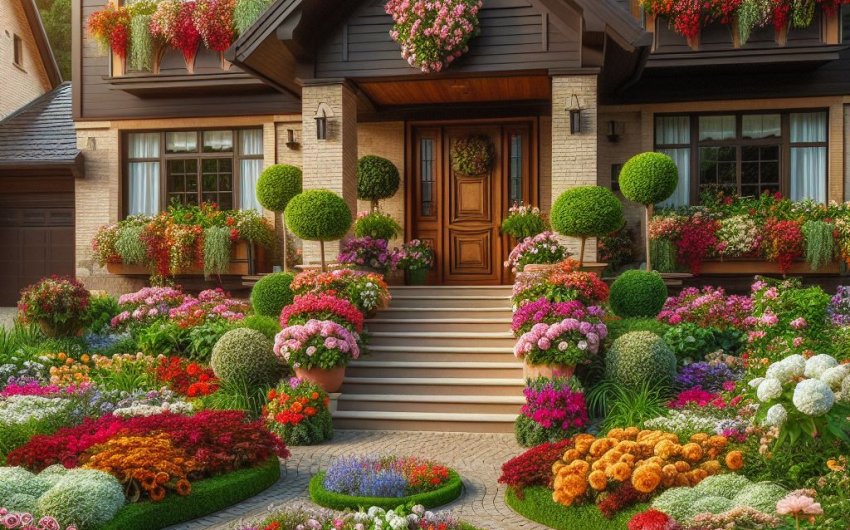
Your home's exterior is the first impression it makes, and a beautiful front yard can significantly enhance its overall charm and welcome. While a well-maintained lawn is a great start, nothing quite transforms a facade like thoughtfully designed flower beds. These vibrant splashes of color and texture instantly elevate curb appeal, signaling warmth and care. The exciting part is that you don't need a professional landscape designer to achieve stunning results. With a bit of planning and some hands-on effort, creating your own DIY flower beds in front of your home is an achievable and incredibly rewarding project.
Embarking on this journey allows you to express your personal style and create a welcoming pathway to your front door. From selecting the perfect blooms that thrive in your local climate to arranging them in a visually pleasing symphony, every step brings you closer to a picturesque outdoor space. This guide will walk you through everything you need to know, from initial concept to ongoing care, empowering you to craft flower beds that not only look fantastic but also flourish, adding significant value and beauty to your home. Get ready to dig in and watch your curb appeal blossom!
Why Are Front Yard Flower Beds So Important?
The area in front of your home is often the first thing people see. Having beautiful flower beds there does more than just add color. They create a welcoming feel and can even boost your home's value. Let's look at why these DIY flower beds are such a smart project for any homeowner.
How Do Flower Beds Boost Curb Appeal?
Curb appeal is how attractive your home looks from the street. It's the first impression, and flower beds are one of the most effective ways to make that impression count.
- Instant Color and Life: Unlike a plain lawn, flower beds burst with vibrant colors and varied textures. This immediate visual interest catches the eye and makes your home look alive and inviting.
- Define Spaces: Flower beds help define different areas in your front yard, guiding the eye toward the front door or separating pathways from the lawn. They create structure.
- Softens Hard Lines: Houses often have straight, hard lines. Flower beds soften these lines with their natural shapes and flowing forms, making the home feel more integrated with its surroundings.
- Shows Care and Attention: A well-tended flower bed tells visitors and potential buyers that the homeowner pays attention to detail and takes pride in their property. This suggests the inside of the home is also well-cared for.
- Creates a Welcome: Colorful, fragrant flowers can create a warm, inviting atmosphere, making your home feel more welcoming to guests.
A visually appealing front yard with beautiful flower beds can make your home stand out in the neighborhood and significantly enhance its curb appeal.
Do Flower Beds Add Home Value?
Yes, landscaping, including attractive flower beds, can absolutely add value to your home. Real estate experts and studies consistently show that good landscaping is a smart investment.
- Higher Sale Price: Homes with attractive landscaping often sell for a higher price than similar homes without it. It's an intangible benefit that buyers are willing to pay for.
- Faster Sales: A well-landscaped yard, especially with inviting flower beds, can make a home more desirable, leading to quicker sales. Buyers form an opinion about a house within seconds, and curb appeal plays a huge part.
- Return on Investment (ROI): While exact figures vary, some landscaping projects, like creating beautiful flower beds, can offer a strong return on investment, sometimes as high as 100-200% or more. This means the money you spend on the project could be recouped, or even exceeded, in increased home value.
- Emotional Appeal: Buyers are not just looking for a house; they're looking for a home. A beautiful, welcoming front yard creates an emotional connection, making the home more appealing and memorable.
Investing in DIY flower beds isn't just about beauty; it's a strategic move for your property.
What are the Benefits of DIY vs. Professional Installation?
Deciding whether to tackle DIY flower beds yourself or hire a professional depends on your skills, time, and budget.
- DIY Benefits:
- Cost Savings: This is often the biggest advantage. You save significantly on labor costs by doing the work yourself.
- Personal Touch: You get to choose every plant and design element, making the flower beds truly reflect your style.
- Learning Experience: It's a great way to learn about gardening, plants, and your own yard. You'll gain valuable skills and confidence.
- Satisfaction: There's immense satisfaction in seeing the beautiful results of your own hard work.
- Flexibility: You can work at your own pace and make changes as you go.
- Professional Installation Benefits:
- Expertise: Professionals bring design knowledge, horticultural expertise, and efficiency.
- Time-Saving: They can complete the project much faster than a DIYer.
- Heavy Lifting: They handle all the physical labor, especially for large projects.
- Guarantees: Some professionals offer guarantees on their plants or work. For most homeowners, creating DIY flower beds for curb appeal is a manageable and rewarding project that offers a great balance of cost savings and personal satisfaction.
How Do I Plan My Front Yard Flower Beds?
Good planning is the secret to successful DIY flower beds. Before you even dig, thinking through your goals, understanding your space, and sketching out a design will save you time, money, and frustration, leading to stunning curb appeal.
What Should Be My Garden Goals?
Start by defining what you want your flower beds to achieve:
- Aesthetic Impact: Do you want a burst of continuous color, a formal look, a wild cottage garden feel, or something that complements your home's architecture?
- Maintenance Level: Be honest with yourself. How much time are you willing to spend watering, weeding, and deadheading? This will greatly influence your plant choices. Some plants are very low maintenance, while others are high demand.
- Seasonal Interest: Do you want color just in summer, or do you want plants that provide interest in spring, fall, and even winter?
- Sensory Experience: Do you want fragrant flowers, plants that attract butterflies or hummingbirds, or interesting textures?
- Budget: How much are you prepared to spend on soil amendments, plants, edging, and tools?
Having clear goals will guide all your other decisions.
How Do I Assess My Front Yard's Conditions?
Understanding your unique front yard environment is crucial for choosing plants that will thrive.
- Sunlight: This is the most critical factor. Track how much direct sunlight your proposed flower bed areas receive throughout the day.
- Full Sun: 6+ hours of direct sun daily (most flowering plants need this).
- Partial Sun: 3-6 hours of direct sun daily.
- Shade: Less than 3 hours of direct sun. Use a sunlight meter for plants for accuracy. Note if there are any obstacles (trees, eaves) that cast shade.
- Soil Type: What kind of soil do you have? Is it sandy (drains quickly), clay (heavy, holds water), or loamy (ideal)?
- Drainage: Does water pool after rain, or does it drain quickly? Poor drainage can lead to root rot.
- Soil Test: Consider getting a soil test kit. This inexpensive test tells you your soil's pH and nutrient levels, guiding your soil amendments and fertilizer choices.
- Climate/Hardiness Zone: Know your USDA Plant Hardiness Zone. This tells you which plants can survive your winter temperatures. You can look it up online by zip code.
- Existing Features: Note down house walls, windows, doors, pathways, downspouts, and any existing shrubs or trees. These will influence the shape and size of your flower beds.
This assessment helps you choose the "right plant for the right place."
Should I Sketch a Garden Plan?
Yes, absolutely! Sketching a garden plan is a vital step, even if it's just a rough drawing.
- Measure and Outline: Measure the length and width of your front yard and house. Draw a basic outline on graph paper.
- Add Fixed Elements: Mark the house, windows, doors, existing trees, shrubs, and pathways to scale.
- Define Bed Shapes: Experiment with different shapes for your flower beds. Use a garden hose or spray paint on the ground to visualize the shapes in your actual yard. Consider curved lines for a softer, more natural look, or straight lines for a more formal aesthetic.
- Mark Sun Zones: Lightly shade areas on your plan that receive full sun, partial sun, and shade.
- Roughly Place Plants: Sketch in where you envision different types of plants, keeping height, color, and texture in mind. Taller plants usually go at the back (near the house), shorter ones at the front. A visual plan helps you confirm your design, calculate material needs (like mulch or soil amendments), and prevent mistakes, making your DIY flower beds a success and boosting your curb appeal. You might also look for garden design template books for inspiration.
What Materials and Tools Do I Need for DIY Flower Beds?
Once you've got your plan ready, gathering the right materials and tools is the next step for building your DIY flower beds. Having everything on hand before you start will make the process much smoother and more enjoyable, putting you on the fast track to improving your curb appeal.
What Essential Gardening Tools Will I Need?
You don't need a huge collection of tools, but a few basics will make the job much easier:
- Shovel or Spade: For digging, moving soil, and shaping beds. A sturdy garden shovel is essential.
- Garden Fork: Great for breaking up compacted soil, mixing in amendments, and aerating the bed.
- Hand Trowel: For digging individual planting holes and working with smaller plants. A hand trowel set often includes a cultivator.
- Garden Rake: For leveling soil, spreading amendments, and clearing debris.
- Gloves: Protect your hands from dirt, thorns, and blisters. A good pair of gardening gloves is a must.
- Watering Can or Hose with Spray Nozzle: For watering plants after planting and ongoing care.
- Wheelbarrow: Invaluable for moving soil, compost, mulch, and plants around the yard. A garden wheelbarrow makes heavy lifting easier.
- Pruning Shears/Snips: For opening plant tags, light pruning, and deadheading.
- Edging Tool (Optional): For creating clean, crisp edges between your flower bed and lawn. A manual edging tool can do wonders.
What Soil Amendments and Materials Should I Buy?
Good soil is the foundation of healthy flower beds.
- Compost: This is the single most important soil amendment. It improves drainage in clay soils, helps sandy soils retain moisture, adds nutrients, and boosts beneficial microbial activity. Plan to add a 2-4 inch layer over your entire bed and mix it in. You can buy organic garden compost in bags or bulk.
- Topsoil (if needed): If your existing soil is very poor or you're creating a raised bed, you might need to bring in some high-quality topsoil.
- Garden Soil Mix: Pre-mixed garden soil bags are good for filling small beds or supplementing existing soil.
- Mulch: A 2-4 inch layer of organic mulch (like shredded bark, wood chips, or pine straw) applied after planting helps suppress weeds, retain soil moisture, and regulate soil temperature. It also gives a finished look.
- Edging Material (Optional but recommended): This creates a clean boundary between your flower beds and lawn, making maintenance easier. Options include plastic edging, metal edging, brick, or decorative stone. You might look for brick landscape edging.
How Do I Choose the Right Flowers?
This is the fun part, but remember your planning!
- Right Plant, Right Place: Match flowers to your yard's sunlight conditions, soil type (if you haven't amended it significantly), and hardiness zone.
- Annuals: Provide continuous color for one season. Great for vibrant splashes. Examples: Petunias, Marigolds, Zinnias, Impatiens.
- Perennials: Come back year after year. Provide structure and long-term interest. Examples: Coneflowers, Hostas, Daylilies, Lavender, Peonies.
- Shrubs (Small): Can add year-round structure and texture. Examples: Dwarf Hydrangeas, Boxwood, Azaleas.
- Think in Layers: Buy a variety of heights – tall plants for the back, medium for the middle, and short/trailing for the front.
- Color Palette: Choose flowers that fit your desired color scheme (calming blues, vibrant reds, mixed rainbow, etc.).
- Source: Purchase healthy plants from a reputable local nursery. Look for strong stems, green leaves, and no signs of pests or diseases. A plant tag will often include care instructions, including hardiness zone and light requirements.
Having your materials ready will make your DIY flower beds installation a breeze, bringing you closer to amazing curb appeal.
How Do I Create and Plant My Flower Beds?
This is where your plan comes to life! Carefully following these steps will ensure your DIY flower beds are set up for success, ready to flourish and significantly enhance your home's curb appeal.
Step 1: Lay Out and Prepare the Bed Area
- Mark the Shape: Use a garden hose, rope, or spray paint to outline the exact shape of your planned flower beds. Step back and view it from different angles (especially from the street) to ensure you like the look. Make any adjustments now.
- Clear the Area: Remove all existing grass, weeds, and debris from within your marked bed area. You can do this by digging it out with a shovel (best for small areas), using a sod cutter, or smothering the grass with cardboard and mulch for a no-dig method (takes longer).
- Edge the Bed (Optional but Recommended): If you're using edging material (like brick, plastic, or metal), install it along the border of your newly cleared bed. This creates a clean, permanent separation from your lawn and makes future maintenance easier. A garden edger tool can make this step quicker.
Step 2: Improve the Soil
This is a crucial step for healthy flowers.
- Loosen the Soil: With a garden fork or shovel, dig down at least 8-12 inches (20-30 cm) and loosen the existing soil. Break up any large clumps.
- Add Organic Matter: Spread a generous layer (2-4 inches) of high-quality compost over the entire bed. If your soil is very poor or heavy clay, you can also add some aged manure or other organic amendments.
- Mix Thoroughly: Work the compost into the loosened soil, mixing it well. This improves drainage, aeration, and fertility.
- Rake Smooth: Rake the bed smooth and level, gently mounding it slightly in the center if you wish for better drainage, ensuring a good foundation for your flowers.
Step 3: Arrange and Plant Your Flowers
This is the fun part where your garden design comes to life!
- "Dry Run" Arrangement: Before digging any holes, place your potted flowers (still in their nursery pots) directly on the prepared bed according to your plan. Arrange them to ensure you like the spacing, color combinations, and height transitions. Step back and look from a distance.
- Hydrate Plants: Water your plants thoroughly while they are still in their nursery pots. This helps reduce transplant shock.
- Dig and Plant: For each plant, dig a hole that is about twice as wide as its root ball and just as deep as the nursery pot. Gently remove the plant from its pot. If the roots are circling tightly, gently tease them apart. Place the plant in the hole so the top of the root ball is level with the surrounding soil. Backfill with your amended soil, gently firming it around the base of the plant.
- Water Deeply: Immediately after planting each flower, water it deeply. This settles the soil around the roots and removes air pockets. A watering wand provides a gentle, effective stream.
Step 4: Apply Mulch and Water Again
- Mulch: Spread a 2-4 inch layer of organic mulch (like shredded bark or wood chips) over the entire flower bed, being careful to keep it an inch or two away from the base of the plant stems to prevent rot.
- Final Watering: Give the entire bed another thorough watering.
- Enjoy! Step back and admire your new DIY flower beds! Your home's curb appeal has just gotten a major upgrade.
How Do I Maintain My Flower Beds for Lasting Curb Appeal?
Creating DIY flower beds is a big step, but ongoing care is essential to keep your flowers thriving and your curb appeal looking its best all season long. Consistent, simple maintenance will ensure your hard work continues to pay off.
What are Essential Watering Practices?
Proper watering is crucial, especially for the first few weeks after planting and during dry spells.
- Establishment Period: For the first 2-4 weeks after planting, your new flowers need consistently moist (but not soggy) soil to establish their root systems. Check the soil daily.
- Deep and Infrequent: Once established, it's generally better to water deeply and less frequently. This encourages roots to grow deeper, making plants more resilient to drought.
- Check Soil Moisture: Don't water on a strict schedule. Instead, stick your finger about 2 inches into the soil. If it feels dry, it's time to water. If it's still moist, wait.
- Water at the Base: Direct water to the base of your plants, on the soil, rather than overhead. This helps prevent fungal diseases by keeping foliage dry. If you have a larger bed, a soaker hose can be very efficient.
- Morning Watering: If you must water overhead, do it in the morning. This allows the sun and air to dry the foliage quickly before evening.
How Do I Handle Weeding and Deadheading?
These two tasks are key to keeping your flower beds looking neat and promoting continuous blooms.
- Weeding: Pull weeds regularly, especially when they are small. Weeds compete with your flowers for water, nutrients, and sunlight. The mulch you applied will significantly reduce weeding, but some will always pop through. A hand weeder tool is useful for precision.
- Deadheading: This involves removing spent or faded flowers from your plants.
- Encourages More Blooms: When a flower fades, the plant's natural instinct is to put energy into making seeds. By removing the faded flower, you trick the plant into producing more blooms, extending the flowering season.
- Improves Appearance: Dead flowers can look unsightly. Removing them keeps your flower beds looking tidy and fresh. Simply pinch or snip off the faded flower head just above a healthy leaf or new bud. Use sharp pruning snips.
What About Fertilizing and Pest Management?
- Fertilizing: If you prepared your soil well with compost, your flowers should have plenty of nutrients initially. For most annuals and heavy bloomers, you might want to apply a balanced liquid flower fertilizer every 2-4 weeks during the peak growing season (follow label directions carefully). Perennials often need less frequent feeding. A liquid flower fertilizer is easy to apply.
- Pest and Disease Monitoring: Regularly inspect your flowers for any signs of pests (like aphids, slugs, or chewed leaves) or diseases (like powdery mildew or leaf spots). Early detection is key.
- Organic Solutions: For most common pests, try organic solutions first: hand-picking, a strong spray of water to dislodge aphids, or applying insecticidal soap or neem oil.
- Prevention: Good air circulation (from proper spacing) and healthy plants (from proper watering and feeding) are your best defenses against disease.
- Winter Preparation (for perennials): For perennial flower beds, in fall, cut back the faded foliage of most perennials after the first hard frost. Apply a fresh layer of mulch for winter protection.
Consistent care will ensure your DIY flower beds continue to delight and enhance your home's curb appeal season after season.