
How to Start an Organic Vegetable Garden in a Small Backyard?
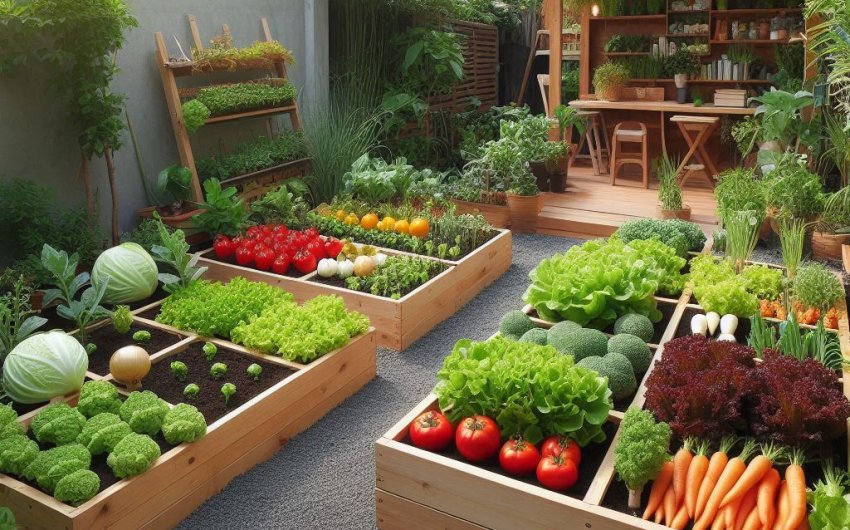
To start an organic vegetable garden in a small backyard, the key is to maximize your limited space using smart vertical gardening techniques, intensive planting, and container gardening. By focusing on high-yield crops and nurturing healthy soil, even a tiny area can become a productive organic oasis.
Why Start an Organic Vegetable Garden in a Small Backyard?
Having a small backyard doesn't mean you have to give up on the dream of fresh, homegrown organic vegetables. In fact, it presents unique opportunities and benefits that make small-space organic gardening an incredibly rewarding endeavor.
- Freshness on Demand: The joy of stepping just a few feet from your kitchen to snip organic basil or pick a ripe tomato is unparalleled. You get peak flavor and nutrition.
- Optimal Flavor and Nutrition: Organically grown vegetables, especially those harvested at their prime, often boast superior taste and potentially higher nutrient content compared to store-bought produce.
- No Garden Too Small: Even a tiny patio, balcony, or a narrow strip of lawn can be transformed into a productive garden. Every square foot can count!
- Cost Savings: Growing your own organic produce can significantly reduce your grocery bill, especially for specialty or organic items that are often expensive.
- Eco-Friendly and Sustainable: You're reducing your carbon footprint by eliminating transportation, packaging, and chemical inputs. Organic practices nurture beneficial insects and healthy soil.
- Therapeutic and Rewarding: Gardening, even in a small space, is a wonderful stress reliever. The satisfaction of nurturing plants from seed to harvest is immense.
- Complete Control: You know exactly what goes into your food, ensuring it's free from synthetic pesticides, herbicides, and GMOs.
- Aesthetic Appeal: A well-designed small organic vegetable garden can add beauty, charm, and a vibrant touch of nature to your backyard.
- Easier to Manage: Smaller spaces often mean less weeding, less watering (if done efficiently), and quicker pest checks, making it ideal for beginners or those with limited time.
- Educational Opportunity: It's a fantastic hands-on way to teach children about food origins, plant life cycles, and environmental responsibility, even within urban settings.
Your small backyard is an asset, not a limitation, when it comes to creating a thriving organic vegetable garden.
How Do You Choose the Best Spot for a Small Backyard Garden?
Even in a small backyard, selecting the optimal location for your organic vegetable garden is paramount. Every square foot counts, so maximizing key resources like sunlight and water access is critical for success.
Maximizing Sunlight Exposure
Most vegetables are sun-lovers, so finding the brightest spot is crucial.
- Observe the Sun's Path: Before you plant anything, spend a full day (or a few days) observing how the sun moves across your backyard. Note where shadows fall from your house, fences, trees, or other structures.
- Aim for 6-8 Hours of Direct Sun: Most fruiting vegetables (tomatoes, peppers, cucumbers, squash) need at least 6-8 hours of direct sunlight per day to produce well.
- Identify Your Sunniest Zone: Mark out the area that receives the most consistent, uninterrupted sun. This will be your primary growing zone.
- Partial Sun Options: If your entire backyard only gets 4-6 hours of sun, prioritize leafy greens (lettuce, spinach, kale), root vegetables (carrots, radishes), and most herbs. These can tolerate slightly less intense light, especially morning sun.
Ensuring Good Drainage
Proper drainage is essential to prevent soggy roots and plant diseases.
- Avoid Low Spots: Don't choose an area where water tends to collect and sit after rain.
- Simple Drainage Test: Dig a small hole (about 12 inches deep and wide) and fill it with water.
- If the water drains away within a few hours, your drainage is good.
- If it sits for more than 12 hours, you'll definitely need to use raised garden beds or containers to provide adequate drainage.
Practical Considerations
- Proximity to Water: Locate your garden near a garden hose or water spigot. Hauling water to a distant spot quickly becomes a chore.
- Convenience: The closer your garden is to your kitchen door, the more likely you are to harvest regularly, check for pests, and enjoy your produce.
- Accessibility: Ensure you can easily reach all parts of your garden for planting, watering, weeding, and harvesting. Avoid creating dead zones.
- Airflow: Good air circulation helps prevent fungal diseases. Avoid placing your garden in a completely enclosed corner with no air movement.
- Protection: Consider if the area is safe from foot traffic, pets, or strong winds. Fencing or strategic placement can help.
By carefully evaluating these factors in your small backyard, you can pinpoint the best microclimate for your organic vegetable garden, setting the stage for optimal growth and bountiful harvests.
What Garden Bed Styles Work Best in a Small Backyard?
Maximizing space is paramount when you start an organic vegetable garden in a small backyard. Choosing the right garden bed style can greatly increase your growing area and improve accessibility and soil quality.
Raised Garden Beds
- Description: Enclosed structures (often made of wood, metal, or stone) filled with amended soil, elevated above the surrounding ground.
- Pros:
- Excellent Soil Control: You fill them with your ideal organic soil mix, providing immediate, high-quality growing medium. This is especially good if your native soil is poor.
- Improved Drainage: Raised beds naturally drain better than in-ground beds, preventing soggy roots.
- Warmer Soil: Soil warms up faster in spring, allowing for earlier planting.
- Reduced Compaction: You don't walk on the growing area, keeping the soil loose and aerated.
- Weed Control: Easier to manage weeds due to defined edges and higher soil.
- Accessibility: Easier on the back and knees, as you don't have to bend as far.
- Aesthetically Pleasing: Can create a neat, organized, and attractive look.
- Cons:
- Higher Initial Cost: For materials and filling with soil.
- Dries Out Faster: May require more frequent watering than in-ground beds.
- Best For: Most small backyards, especially if the native soil is poor or you want a clean, organized look. Look for raised garden bed kits that are easy to assemble.
Container Gardens
- Description: Growing vegetables in individual pots, grow bags, buckets, or other containers.
- Pros:
- Extremely Flexible & Mobile: You can arrange and rearrange them to optimize sun exposure, protect from frost, or simply change the layout.
- Ideal for Patios/Balconies: Perfect if you have no actual yard space.
- Immediate Soil Control: Each container gets its own organic potting mix.
- Disease Isolation: If one plant gets a disease, it's less likely to spread to others.
- Cons:
- Dries Out Very Quickly: Requires frequent, often daily, watering, especially in hot weather.
- Nutrient Depletion: Nutrients wash out faster, requiring more frequent organic fertilization.
- Limited Plant Size: Best for compact or dwarf varieties of vegetables.
- Best For: Very small spaces, renters, or gardeners who want maximum flexibility. Use large fabric grow bags for excellent drainage and air pruning of roots.
Vertical Gardens
- Description: Growing plants upwards on walls, fences, or specialized structures.
- Pros:
- Ultimate Space Saver: Expands your growing area upwards instead of outwards.
- Unique Aesthetic: Creates a living wall of plants, adding beauty.
- Ergonomic: Often reduces bending and kneeling.
- Pest Reduction: Keeping plants off the ground can deter some pests.
- Cons:
- Can Dry Out Quickly: Like containers, requires vigilant watering.
- Sunlight Challenges: Ensures all levels receive adequate light.
- Initial Setup Cost: Specialized vertical planters can be more expensive.
- Best For: Maximizing yields in very tight spaces. Explore options like wall-mounted planters, tiered planters, or pallet gardens.
A combination of these styles often works best in a small backyard, allowing you to create diverse growing zones and maximize your organic bounty.
How Do You Prepare the Soil for a Small Organic Garden?
Soil preparation is the bedrock for any successful organic vegetable garden, and it's especially critical when you're working in a small backyard. Since space is limited, making every bit of soil as fertile and healthy as possible is key. You're building a living ecosystem that will nourish your plants naturally.
The Organic Philosophy: Feed the Soil
In organic gardening, the focus is on creating vibrant, living soil. This means no synthetic fertilizers, but rather enhancing the soil's natural structure and microbial life.
Understanding Your Current Soil (Optional but Recommended)
Even in a small space, it's good to know what you're working with.
- Soil Test: If you're using existing ground, a professional soil test (from your local cooperative extension) gives you precise information on pH, nutrient levels, and organic matter content. This guides your amendments.
- Texture Test: Gently feel your soil.
- Sandy soil: Feels gritty, drains too fast. Needs organic matter to hold water and nutrients.
- Clay soil: Feels sticky, heavy, compacts easily, drains slowly. Needs organic matter to improve aeration and drainage.
- Loamy soil: Feels crumbly, ideal balance.
Building Superior Soil for Small Spaces
Since you have limited area, you can invest more in quality soil from the start.
For Raised Garden Beds:
- Bottom Layer (Optional): If placing directly on grass or weeds, consider a layer of cardboard at the bottom to suppress weeds and slowly decompose. Or, if you want extra nutrients, add a layer of logs or coarse woody debris (hugelkultur style) at the very bottom of deep beds.
- Fill with a High-Quality Mix: This is where you create your ideal soil. A common mix is:
- 50% Topsoil or high-quality garden soil: Provides the bulk.
- 30% Finished Compost: The absolute best amendment. It adds organic matter, essential nutrients, and beneficial microbes. Make your own compost at home if possible.
- 20% Perlite or Vermiculite: Improves drainage and aeration, crucial for root health.
- Optional: A small amount of aged manure (well-rotted) for an extra nutrient boost.
- Mix Thoroughly: Blend all components well before or as you fill the raised bed.
- Adjust pH (If Needed): Based on a soil test, if necessary, amend pH with garden lime (to raise pH) or elemental sulfur (to lower pH), following product directions carefully.
For Containers:
- Potting Mix, Not Garden Soil: Always use a high-quality organic potting mix for containers. Garden soil is too heavy, dense, and can contain pests and diseases that don't do well in pots.
- Enrich with Compost: Mix in 10-20% finished compost to your potting mix for added nutrients and microbial activity.
- Ensure Drainage: Double-check that all containers have drainage holes. Add a layer of gravel at the bottom only if the container is very large, otherwise, it's not strictly necessary.
For Existing In-Ground Beds (if applicable):
- Clear Weeds: Remove all existing weeds, grass, and debris.
- Add Organic Matter: Spread a generous 4-6 inch layer of finished compost over the entire bed. You can also add 1-2 inches of aged manure.
- Lightly Incorporate: Use a garden fork to gently turn these amendments into the top 6-12 inches of your existing soil. Avoid deep tilling, which can disrupt the soil structure.
- Adjust pH: As with raised beds, amend pH based on a soil test.
By taking the time to prepare your soil with rich organic matter, you create a vibrant and resilient growing environment in your small backyard organic vegetable garden. This foundation will pay dividends in plant health and abundant harvests.
What Vegetables Grow Best in a Small Organic Garden?
Choosing the right plants is crucial when you start an organic vegetable garden in a small backyard. You want high-yielders that are compact, disease-resistant, and provide continuous harvests. This allows you to get the most out of every precious square inch.
Focus on Compact and Vertical Varieties
Look for plant descriptions that include terms like "bush," "dwarf," "compact," or "vining" (which can be trellised).
- Leafy Greens (Lettuce, Spinach, Kale, Swiss Chard, Arugula):
- Why they're great: Can be harvested "cut-and-come-again," meaning you pick outer leaves and the plant keeps producing. Many tolerate partial shade. Perfect for containers or vertical planters.
- Compact Varieties: Look for loose-leaf lettuce, 'Tom Thumb' lettuce.
- Bush Beans:
- Why they're great: Unlike pole beans, bush beans don't need trellising and produce heavily in a small footprint. They also enrich the soil with nitrogen.
- Compact Varieties: Most standard bush bean varieties are great.
- Radishes:
- Why they're great: Super fast-growing (ready in 3-4 weeks!), providing quick gratification and using minimal space.
- Compact Varieties: All standard radish varieties are compact.
- Carrots:
- Why they're great: Can be grown densely.
- Compact Varieties: Look for 'Thumbelina' (round) or 'Danvers Half Long' (shorter, wider). Excellent for deep containers or raised beds.
- Cherry Tomatoes:
- Why they're great: Generally more productive and forgiving than large slicing tomatoes, and many varieties are well-suited for containers or hanging baskets.
- Compact Varieties: 'Tiny Tim', 'Micro Tom', 'Patio Princess'. Most cherry tomatoes are indeterminate (keep growing), so a strong tomato cage or stake is essential.
- Peppers (Bell & Chili):
- Why they're great: Relatively compact plants that offer a steady harvest.
- Compact Varieties: Many standard bell pepper and chili pepper plants are naturally good for containers. Look for 'Lunchbox' peppers.
- Herbs (Basil, Mint, Parsley, Chives, Oregano, Thyme):
- Why they're great: Most herbs are naturally compact and incredibly productive. They thrive in pots and vertical planters.
- Compact Varieties: 'Dwarf Greek Basil', 'Bush Basil'. Mint should always be grown in its own pot to prevent spreading.
- Swiss Chard:
- Why they're great: Beautiful, productive, and can handle some shade. Harvest individual leaves.
- Compact Varieties: All standard chard varieties work well.
- Strawberries:
- Why they're great: Excellent for hanging baskets, vertical planters, or as a groundcover in raised beds.
- Compact Varieties: 'Alpine' or 'Everbearing' varieties are great for small spaces.
- Eggplant:
- Why they're great: Bushy plants that produce flavorful fruits.
- Compact Varieties: 'Patio Baby', 'Fairy Tale'.
Using Organic Seeds and Starts
To maintain your organic principles from the very beginning:
- Certified Organic Seeds: Purchase seeds explicitly labeled as organic. This ensures they were grown without synthetic pesticides or fertilizers and are non-GMO.
- Organic Starter Plants: If buying young plants ("starts") from a nursery, confirm they are certified organic. Non-organic starts may have been treated with conventional chemicals. Look for local nurseries specializing in organic practices.
By selecting these proven, space-efficient, and productive varieties, you can create a incredibly rewarding organic vegetable garden in your small backyard.
How Do You Maximize Space in a Small Organic Garden?
Maximizing every inch is crucial when you start an organic vegetable garden in a small backyard. Employing clever design and planting techniques can significantly boost your yield without expanding your physical footprint.
Embrace Vertical Gardening
This is arguably the most impactful strategy for small spaces.
- Trellises and Stakes: Train vining plants like cucumbers, pole beans, indeterminate tomatoes, peas, and even small squash varieties to grow upwards on trellises, stakes, or netting. This gets them off the ground and utilizes vertical space. Look for expandable trellises.
- Wall-Mounted Planters: Utilize fences or sunny walls by attaching pocket planters, stacked containers, or repurposed pallet gardens. Ideal for leafy greens, herbs, and strawberries.
- Tiered Planters: Multi-level planters allow you to grow several plants in the footprint of one. Great for herbs or small flowers.
- Hanging Baskets: Excellent for cherry tomatoes, strawberries, cascading herbs (like oregano), and even small peppers. Just ensure they get enough sun and consistent watering.
Intensive Planting Techniques
Instead of traditional rows, use methods that allow for closer planting.
- Square Foot Gardening: Divide your raised beds or in-ground beds into 1-foot x 1-foot squares. Each square has a specific number of plants based on their size (e.g., 1 tomato plant per square, 9 spinach plants per square). This maximizes yield per area.
- Interplanting (Companion Planting): Plant fast-growing, quick-maturing crops (like radishes, lettuce) between slower-growing, larger plants (like tomatoes, peppers). The quick crops are harvested before the larger plants need the space.
- Succession Planting: Harvest a crop, then immediately replant the area with a new crop (either the same or a different, appropriate plant for the season). This ensures continuous production from the same space.
- Example: Plant lettuce in spring, harvest, then plant bush beans for summer, harvest, then replant with fall spinach.
Smart Container Strategies
- Right Size Containers: Use appropriately sized containers. Smaller containers dry out faster and restrict root growth. Larger containers (5-gallon buckets or fabric grow bags are excellent for many vegetables like tomatoes, peppers, and even zucchini).
- Multi-Planting in Large Containers: In very large containers (15+ gallons), you can sometimes grow compatible plants together (e.g., a tomato in the center with basil and marigolds around the edges).
- Mobile Gardening: Put heavy containers on plant caddies with wheels so you can easily move them to optimize sun exposure or bring them indoors during cold snaps.
Creative Use of Small Spaces
- Edges and Corners: Don't overlook narrow strips along fences, the edges of patios, or sunny corners. These can be perfect for a single raised bed, a vertical planter, or a row of containers.
- Pathways: If a pathway gets a few hours of sun, consider planting in containers along its edges.
- Edible Landscaping: Integrate edibles directly into your existing ornamental beds. Many vegetables (colorful chard, purple basil, flowering herbs) are beautiful and productive.
By combining vertical growth, intensive planting, and smart container use, you can transform even the smallest backyard into a thriving organic vegetable garden.
How Do You Water and Fertilize an Organic Small Garden?
Efficient watering and natural fertilization are even more crucial when you start an organic vegetable garden in a small backyard. Limited soil volume and high plant density mean plants have specific needs that must be met consistently, without relying on synthetic chemicals.
Smart Watering Strategies for Small Spaces
Small gardens, especially those in containers or raised beds, tend to dry out faster.
- Water Deeply and Consistently: Avoid shallow, frequent watering. Instead, water thoroughly until water drains from the bottom of pots or saturates the top 6-12 inches of raised beds. This encourages deep root growth.
- Check Soil Moisture Daily: Especially in containers or during hot weather, check the soil moisture every day. Stick your finger 1-2 inches deep; if it feels dry, it's time to water. A soil moisture meter can be a helpful tool.
- Target the Roots: Use a watering can with a long spout or a drip irrigation system to deliver water directly to the plant's base. This minimizes evaporation and keeps foliage dry, which prevents fungal diseases.
- Water in the Morning: Watering in the cool morning hours gives plants time to absorb water before the heat of the day and allows any wet foliage to dry.
- Mulch Heavily: Apply a 2-4 inch layer of organic mulch (straw, shredded leaves, wood chips, grass clippings) to all your beds and containers. This is an absolute must for water conservation in small spaces, significantly reducing evaporation and suppressing weeds.
Organic Fertilization for Bountiful Harvests
Since your plants are often growing in limited soil volume and producing heavily, they'll need consistent nourishment.
- Compost, Compost, Compost: This is your "black gold."
- Before Planting: Mix a generous amount of finished compost into your raised beds or potting mix before planting.
- Topdressing: Spread a 1-2 inch layer of compost around plants every 4-6 weeks during the growing season. This provides a slow-release, balanced nutrient boost.
- Compost Tea: Make your own compost tea to use as a liquid fertilizer and to introduce beneficial microbes directly to plants.
- Organic Granular Fertilizers: If a soil test indicates specific nutrient deficiencies, or if you have heavy feeders like tomatoes, use a balanced organic granular fertilizer. Look for products certified for organic use.
- Examples: Bone meal (phosphorus), blood meal (nitrogen), kelp meal (potassium and micronutrients). Apply according to package directions.
- Liquid Organic Fertilizers: For a quick boost, especially for hungry container plants, use diluted fish emulsion or liquid seaweed extract. Apply every 2-4 weeks during active growth.
- Cover Crops (for raised beds/in-ground areas): During the off-season, plant quick-growing cover crops like clover or vetch. When tilled under, they add organic matter and nitrogen to the soil.
Remember: Less is often more with organic fertilizers. It's about building long-term soil health rather than providing quick, artificial boosts. Observe your plants for signs of nutrient deficiency (e.g., yellowing leaves, stunted growth).
How Do You Manage Pests and Diseases Organically in a Small Garden?
Managing pests and diseases naturally is a core principle when you start an organic vegetable garden in a small backyard. With limited space, quick action and preventative measures are key to keeping your plants healthy without resorting to harmful chemicals.
Prioritize Prevention
- Healthy Soil, Healthy Plants: The single best defense. Plants grown in rich, living organic soil are more robust and resistant to pests and diseases.
- Choose Resistant Varieties: Look for vegetable varieties that are naturally resistant to common pests and diseases in your area. This information is often on seed packets or plant tags (e.g., 'VFN' for resistance to Verticillium wilt, Fusarium wilt, and nematodes in tomatoes).
- Proper Spacing: Even in a small garden, ensure plants have adequate air circulation. Overcrowding can lead to humid conditions, encouraging fungal diseases like powdery mildew. Use intensive planting methods thoughtfully.
- Sanitation: Remove any yellowing, diseased, or dead leaves and stems promptly. Dispose of diseased material away from your compost pile. Keep the garden area free of weeds and debris where pests might hide.
- Crop Rotation (in beds): If you have multiple raised beds or enough space for rotating containers, avoid planting the same crop in the same spot year after year. This helps break pest and disease life cycles.
- Clean Tools: Regularly clean and sanitize your gardening tools (with rubbing alcohol or a bleach solution) to prevent the spread of pathogens.
Attract Beneficial Insects
These "good bugs" are your natural pest control army.
- Plant Pollinator Attractors: Integrate flowering plants that appeal to beneficial insects like ladybugs, lacewings, parasitic wasps, and hoverflies.
- Good Choices for Small Gardens: Marigolds, calendula, nasturtiums, sweet alyssum, dill (let it flower), cilantro (let it flower).
- Provide Water: A shallow dish of water with pebbles can serve as a tiny oasis for these helpful creatures.
- Avoid Pesticides: Even organic pesticides can harm beneficial insects. Use them only as a last resort.
Organic Pest Control Methods (When Problems Arise)
- Hand-Picking: For larger pests like tomato hornworms, squash bugs, or slugs, simply pick them off and drop them into a bucket of soapy water. Do this regularly during your garden checks.
- Strong Water Spray: A strong jet of water (from your hose) can dislodge aphids and spider mites from plant foliage.
- Physical Barriers:
- Floating Row Covers: Lightweight fabric placed over plants can physically block many flying insect pests (like cabbage moths) from laying eggs.
- Copper Tape or Crushed Eggshells: Create barriers around susceptible plants to deter slugs and snails.
- Trap Crops: Plant a sacrificial crop (like nasturtiums) nearby to attract pests away from your main vegetables.
- Insecticidal Soap: For severe infestations of soft-bodied insects, use an organic insecticidal soap spray. Ensure complete coverage on all sides of the leaves. Apply in the evening to avoid burning foliage. Always follow label directions.
- Neem Oil: A natural pesticide derived from the neem tree. It acts as a repellent and growth regulator for many pests and has some fungicidal properties. Use a neem oil spray according to directions.
- Diatomaceous Earth: A natural powder that dehydrates and kills crawling insects. Sprinkle around the base of plants.
Organic Disease Management
- Improve Air Circulation: Prune excess foliage to allow air to flow through dense plants.
- Water Correctly: Water at the base of plants, not on the leaves, especially in the evening.
- Remove Affected Parts: Prune off and discard any diseased leaves or stems promptly.
- Fungicides (Organic): For certain fungal issues, products containing sulfur or copper (used sparingly and according to directions) or a diluted baking soda solution can be used.
By embracing these organic pest and disease management strategies, you can maintain a thriving and productive organic vegetable garden in your small backyard, ensuring a harvest of healthy, delicious produce.