
How Do I Grow Culinary Lavender for Cooking and Baking?
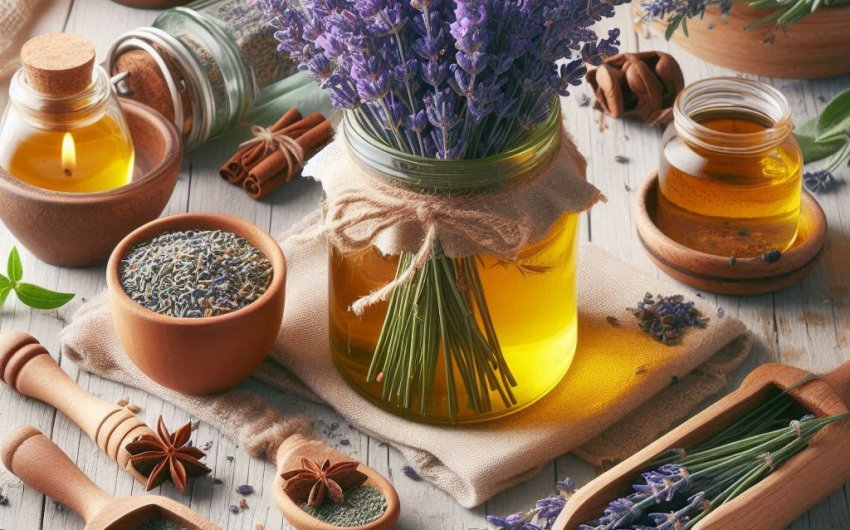
Lavender is a beloved herb, not only for its calming fragrance but also for its versatility in the kitchen. Culinary lavender brings a floral, slightly sweet flavor to both savory and sweet dishes, making it a wonderful addition to your garden if you enjoy cooking or baking. Growing culinary lavender is rewarding and surprisingly easy with the right knowledge and preparation. Whether you want to add it to baked goods, infuse it into syrups, or season savory dishes, lavender offers endless culinary possibilities.
In this guide, we’ll explore everything you need to know about growing culinary lavender—from choosing the right variety to harvesting and using it in your kitchen.
1. Understanding Culinary Lavender: Which Varieties to Choose
Not all lavender is suitable for cooking. Some varieties are more commonly used for ornamental purposes or to produce essential oils, while others are perfect for culinary use due to their milder, less camphor-like flavor. When growing lavender for your kitchen, it’s essential to choose the right varieties.
a) English Lavender (Lavandula angustifolia)
The most popular type of lavender for culinary use is English lavender, known for its sweet, mild flavor that complements both sweet and savory dishes. English lavender varieties such as ‘Hidcote’ and ‘Munstead’ are great choices for the kitchen because they contain less camphor, a compound that gives some lavenders a bitter taste.
- Hidcote Lavender is a compact variety with deep purple flowers, ideal for smaller gardens or containers.
- Munstead Lavender is an early-blooming variety with pale purple flowers and a compact size, perfect for culinary uses.
These varieties of English lavender are excellent starting points if you're growing lavender specifically for cooking and baking.
b) French Lavender (Lavandula dentata)
Though French lavender is often grown for its aesthetic appeal and aromatic properties, some gardeners also use it in cooking. However, it has a stronger, more resinous flavor compared to English lavender, so it should be used sparingly in culinary applications.
Opt for French lavender if you prefer a bolder flavor or plan to use it in savory dishes.
2. Choosing the Right Location for Growing Culinary Lavender
Lavender is a Mediterranean herb that thrives in sunny, dry conditions, making it relatively low-maintenance once established. However, selecting the right growing conditions is key to ensuring that your lavender plants flourish and produce the best flavor for culinary use.
a) Sunlight Requirements
Lavender loves the sun and needs at least 6-8 hours of direct sunlight each day to grow properly. If you want healthy, vibrant plants with fragrant flowers, plant your lavender in the sunniest spot in your garden or on your patio.
For those with limited outdoor space, lavender can also be grown indoors in a bright, sunny window. A grow light can supplement natural light, especially during the winter months.
b) Soil Conditions
One of the most important factors in growing lavender is well-draining soil. Lavender dislikes wet, heavy soils that retain moisture, as this can lead to root rot. Sandy or loamy soils are ideal, as they allow water to drain quickly and prevent the roots from becoming waterlogged.
To improve drainage in heavier soils, consider mixing in some coarse sand, perlite, or small gravel. You can also plant your lavender in a raised bed or use garden soil specifically designed for plants that prefer drier conditions.
c) pH Levels
Lavender prefers slightly alkaline soil with a pH level between 6.5 and 7.5. You can test your soil's pH with a soil testing kit and adjust accordingly. Adding lime to acidic soils can raise the pH to an appropriate level for lavender.
3. How to Plant Culinary Lavender
Once you’ve selected the right variety and location, it’s time to plant your lavender. You can grow lavender from seeds, cuttings, or young plants. Here's how to get started:
a) Growing Lavender from Seeds
Growing lavender from seeds takes patience, as the germination process can be slow. If you choose this route, start your seeds indoors in late winter or early spring.
- Use a well-draining seed-starting mix and fill small pots or seed trays with the soil.
- Sprinkle the lavender seeds on the surface of the soil and lightly press them in without covering them completely.
- Mist the soil lightly and cover the trays with a plastic lid or seed tray cover to retain moisture.
- Place the trays in a warm, sunny location or under a grow light.
- Seeds may take 2-3 weeks to germinate, so be patient and keep the soil moist but not waterlogged.
b) Growing Lavender from Cuttings
If you want to speed up the growing process, you can propagate lavender from cuttings.
- In late spring or early summer, take 3-4 inch cuttings from a healthy lavender plant, preferably from non-flowering shoots.
- Strip the leaves from the bottom half of the cutting and dip the cut end in rooting hormone.
- Plant the cuttings in a small pot filled with well-draining potting mix.
- Water lightly and cover the pot with a plastic bag to create a mini greenhouse effect, which helps retain moisture.
- Place the pot in a bright spot, but out of direct sunlight, until the cuttings establish roots, which usually takes a few weeks.
Once the roots have developed, you can transplant the lavender cuttings into your garden or larger pots.
4. Caring for Your Culinary Lavender Plants
Lavender is relatively easy to care for, as long as you provide it with the right growing conditions. Here's how to ensure that your lavender plants thrive and produce flavorful flowers for cooking and baking.
a) Watering
Lavender prefers dry soil, so it's important not to overwater. Once your plants are established, they will only need to be watered sparingly, about once every two weeks or when the soil feels completely dry. During periods of extended drought, you can increase watering slightly, but avoid letting the soil become soggy.
When growing lavender in pots, ensure that the containers have drainage holes and use a watering can with a long spout to water at the base of the plant, rather than on the foliage.
b) Pruning
Pruning your lavender regularly encourages new growth and keeps the plant healthy. Prune your lavender in the early spring, before new growth starts, and again in the late summer after flowering has finished.
- Use sharp pruning shears to trim about one-third of the plant’s height, cutting back the woody stems and shaping the plant into a mound.
- Avoid cutting into the old, woody parts of the plant, as this can stunt future growth.
- Removing spent flowers during the summer will encourage more blooms and keep your plant looking tidy.
c) Fertilizing
Lavender doesn't require a lot of fertilizer. In fact, too much fertilizer can reduce the plant’s essential oil production, which in turn affects the flavor of the flowers. If you want to give your plants a boost, apply a slow-release fertilizer formulated for herbs or flowering plants in the early spring.
Avoid using high-nitrogen fertilizers, as they can promote excessive foliage growth at the expense of flowers.
5. Harvesting Culinary Lavender
Once your lavender plants begin to flower, you'll be ready to start harvesting. Timing is key when it comes to harvesting lavender for culinary purposes, as you want to capture the flowers at their peak flavor and fragrance.
a) When to Harvest
The best time to harvest lavender for cooking and baking is when the flowers are just beginning to open. This is when they contain the highest concentration of essential oils, which gives them their unique flavor and aroma.
- Harvest lavender in the morning after the dew has dried, but before the heat of the day causes the oils to dissipate.
- Use sharp garden scissors to cut the flower spikes about two inches above the woody stems.
b) How to Dry Lavender
Drying lavender properly ensures that it retains its flavor for use in the kitchen.
- Gather the lavender stems into small bundles and secure them with twine or a rubber band.
- Hang the bundles upside down in a dark, well-ventilated area, such as a garage or pantry.
- Allow the lavender to dry for 2-4 weeks until the flowers are brittle to the touch.
Once dried, you can remove the flowers from the stems by gently rubbing them between your fingers or using a herb stripper.
Store the dried flowers in an airtight glass jar or container in a cool, dark place to preserve their flavor and fragrance for up to a year.
6. Using Culinary Lavender in the Kitchen
Once you’ve successfully grown and harvested your culinary lavender, the fun part begins—using it in the kitchen! Lavender can add a subtle floral note to a wide range of dishes, from desserts to savory meals.
a) Lavender in Baking
Lavender pairs beautifully with sugar-based desserts, where its floral flavor can complement vanilla, honey, lemon, and berries. Some popular ways to use lavender in baking include:
- Lavender Sugar: Infuse sugar with lavender by mixing dried lavender buds with granulated sugar in a glass jar. Let it sit for a week, then use the infused sugar in cookies, cakes, or scones.
- Lavender Syrup: Combine lavender with water and sugar to create a simple syrup that can be used to flavor cakes, frostings, or drinks.
- Lavender Butter: Blend softened butter with finely chopped lavender buds to create a fragrant spread for biscuits or scones.
b) Lavender in Cooking
Lavender also works well in savory dishes, especially when paired with herbs like thyme, rosemary, and oregano. Try adding lavender to:
- Herb Blends: Mix dried lavender with other herbs to create a herbes de Provence blend, which can be used to season poultry, lamb, or roasted vegetables.
- Lavender Honey Glaze: Combine lavender with honey and lemon juice to create a glaze for grilled chicken or salmon.
- Lavender Rubs: Add finely ground lavender to spice rubs for meats, where its floral notes can enhance the flavor of grilled or roasted dishes.
By experimenting with lavender in both sweet and savory recipes, you’ll discover just how versatile this herb can be in the kitchen.