
What Are the Best Succulents for Beginners and How to Care for Them?
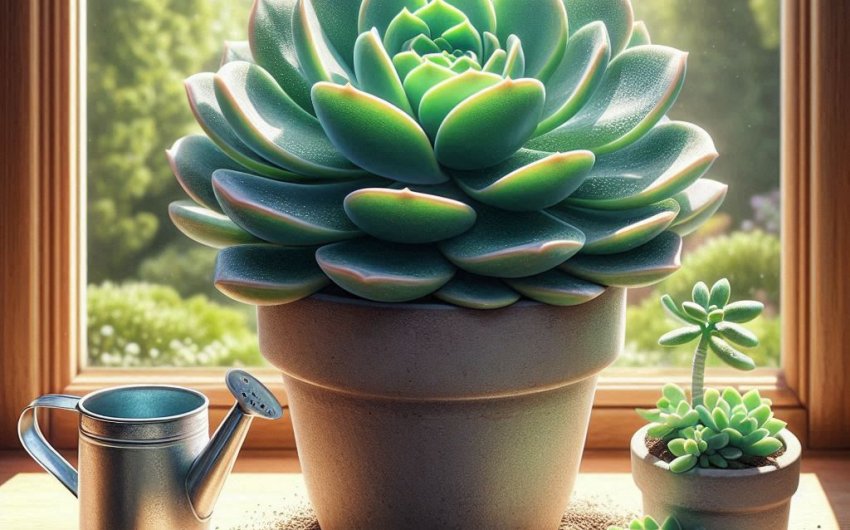
Succulents are the perfect plants for beginner gardeners. With their hardy nature, striking variety of shapes and colors, and low-maintenance requirements, succulents have become increasingly popular as both indoor and outdoor plants. Their ability to store water in their leaves, stems, and roots makes them well-suited to survive in arid environments, which means they don't need constant attention or watering.
Whether you're looking to brighten up your home or start a small outdoor garden, succulents are a great choice. This guide will introduce some of the best succulents for beginners and provide tips on how to care for them, ensuring that your plants thrive.
1. Aloe Vera (Aloe barbadensis miller)
One of the most popular and well-known succulents for beginners is Aloe Vera. Not only is it easy to care for, but it also has numerous health benefits. The gel inside its leaves is used to soothe burns, moisturize the skin, and even aid in digestion.
Care Tips for Aloe Vera:
- Light: Aloe vera loves bright, indirect sunlight. Place it near a window that gets plenty of light, but avoid direct sun, which can cause the leaves to scorch.
- Water: Let the soil dry out completely between waterings. Overwatering can lead to root rot, a common issue with succulents.
- Soil: Use a well-draining potting mix, like a succulent potting mix, to prevent water from sitting in the soil.
- Container: Choose a terracotta pot with drainage holes to allow excess water to escape and keep the roots dry.
Aloe vera is a must-have for any succulent lover, providing both beauty and practical uses.
2. Echeveria (Echeveria spp.)
Echeverias are among the most attractive and diverse types of succulents. They come in various colors, from green and blue to pink and purple, and have a signature rosette shape. Their compact size makes them perfect for indoor gardens or small outdoor displays.
Care Tips for Echeveria:
- Light: Echeveria thrives in full sunlight. Place them in a sunny spot where they can receive at least 4 to 6 hours of light daily.
- Water: Like most succulents, water only when the soil is completely dry. Be careful not to get water on the leaves, as it can cause rot.
- Soil: Use a sandy, well-draining cactus soil to avoid soggy conditions.
- Temperature: Echeverias prefer warm temperatures and can be sensitive to frost. Bring them indoors if temperatures drop below freezing.
With their eye-catching colors and easy care, echeverias are a great option for succulent beginners looking to add variety to their collection.
3. Jade Plant (Crassula ovata)
The Jade Plant is another classic succulent for beginners. It's often referred to as a symbol of good luck and prosperity, making it a popular gift. With its fleshy, oval-shaped leaves and tree-like structure, the jade plant can grow quite large and even live for decades when properly cared for.
Care Tips for Jade Plant:
- Light: Jade plants need plenty of sunlight. Place them in a location with at least 4 hours of direct sunlight daily, like a south-facing window.
- Water: Water sparingly, allowing the soil to dry completely before watering again. Overwatering can cause root rot and leaf drop.
- Soil: Use a well-draining succulent potting mix with sand or perlite mixed in for extra drainage.
- Pruning: Trim the plant occasionally to maintain its shape and promote bushier growth.
A jade plant is an excellent choice for beginners, as it can tolerate neglect and will reward you with vibrant green foliage.
4. Zebra Plant (Haworthia fasciata)
If you're looking for a smaller, low-maintenance succulent, the Zebra Plant is a great option. Its distinctive striped leaves give it a striking appearance, and its compact size makes it ideal for desks or small indoor spaces.
Care Tips for Zebra Plant:
- Light: Zebra plants do well in bright, indirect light. Avoid placing them in direct sunlight, which can cause the leaves to turn brown.
- Water: Water moderately, allowing the top inch of soil to dry out before watering again. These plants can tolerate a bit more moisture than other succulents, but still be cautious of overwatering.
- Soil: Use a well-draining succulent soil mix to avoid water retention.
- Container: Plant in a small pot with good drainage to prevent root rot.
Zebra plants are hardy and require minimal care, making them an excellent beginner plant.
5. Sedum (Sedum spp.)
Sedums, also known as stonecrops, are hardy succulents that can thrive in almost any condition. They’re available in a wide range of shapes and colors, and some varieties even bloom with small, star-shaped flowers. Sedums are perfect for outdoor succulent gardens or as ground cover.
Care Tips for Sedum:
- Light: Sedum prefers full sun but can tolerate partial shade. If grown indoors, place them in a spot that receives plenty of bright light.
- Water: Water sparingly, letting the soil dry out completely between waterings. Sedums are drought-tolerant and can survive on very little water.
- Soil: Sedums grow best in rocky, well-draining cactus soil. They can also thrive in poor soils as long as drainage is good.
- Container: Sedum works well in hanging baskets or shallow containers that have good drainage.
Sedums are nearly indestructible and make excellent succulents for beginners who want a low-maintenance, versatile plant.
6. Panda Plant (Kalanchoe tomentosa)
The Panda Plant is a fun and fuzzy succulent that’s great for beginners. Its leaves are covered with soft, velvety hairs and have dark brown tips, giving it a distinctive look. This small, easy-to-care-for plant is perfect for growing indoors.
Care Tips for Panda Plant:
- Light: Panda plants need bright, indirect light. Too much direct sunlight can scorch the leaves, so keep them out of harsh sun.
- Water: Water when the soil is dry, but be careful not to overwater. Panda plants are susceptible to root rot if left in waterlogged soil.
- Soil: Use a well-draining succulent soil mix to ensure the roots stay dry.
- Container: Panda plants do well in small, well-draining containers like ceramic pots.
With its adorable appearance and low maintenance requirements, the Panda Plant is perfect for beginners who want an easy-to-grow succulent.
7. Burro's Tail (Sedum morganianum)
Burro's Tail is a trailing succulent known for its long, cascading stems that are covered in fleshy, blue-green leaves. It's a unique and eye-catching plant that’s ideal for hanging baskets or containers where the stems can drape over the sides.
Care Tips for Burro's Tail:
- Light: This succulent prefers bright, indirect sunlight. Too much direct sun can cause the leaves to burn and fall off, so keep it in a well-lit area that’s not exposed to intense sunlight.
- Water: Water when the soil is completely dry, but don’t let it sit in water for too long, as it’s prone to root rot.
- Soil: Use a fast-draining cactus mix to keep the soil from becoming soggy.
- Container: A hanging planter works best for Burro's Tail so the long stems can grow freely.
The Burro's Tail is perfect for beginners who want to grow a unique, trailing succulent with minimal effort.
8. Snake Plant (Sansevieria trifasciata)
The Snake Plant, also known as Mother-in-Law’s Tongue, is one of the easiest succulents to grow. Its upright, sword-like leaves are incredibly hardy, making it a popular choice for homes and offices.
Care Tips for Snake Plant:
- Light: Snake plants can thrive in a wide range of light conditions, from low light to bright, indirect sunlight.
- Water: Water sparingly, as snake plants are drought-tolerant and prefer to dry out completely between waterings.
- Soil: A well-draining succulent potting mix is ideal for snake plants. Make sure the soil doesn’t stay wet for too long.
- Temperature: Snake plants can tolerate a variety of temperatures but prefer warmer environments. Avoid placing them in freezing conditions.
The Snake Plant is perfect for those who want a nearly indestructible plant that can survive in various conditions with minimal care.
9. String of Pearls (Senecio rowleyanus)
The String of Pearls succulent is a beautiful and unusual plant with tiny, bead-like leaves that resemble a string of pearls. This trailing succulent is perfect for hanging planters and adds a touch of whimsy to any space.
Care Tips for String of Pearls:
- Light: Provide bright, indirect light to help the pearls retain their shape and color. Too little light can cause the plant to become leggy and sparse.
- Water: Allow the soil to dry out completely between waterings. String of Pearls is prone to root rot, so avoid overwatering.
- Soil: A well-draining cactus mix is ideal to ensure the soil stays dry and doesn’t retain too much moisture.
- Container: Use a hanging planter to display this trailing plant.
The String of Pearls is a great choice for beginners who want an eye-catching, low-maintenance succulent that adds dimension to their space.
10. Hens and Chicks (Sempervivum spp.)
Hens and Chicks are rosette-shaped succulents that produce "baby" plants, or chicks, around the main rosette, known as the hen. These hardy succulents are perfect for rock gardens, container arrangements, or as ground cover.
Care Tips for Hens and Chicks:
- Light: Hens and Chicks thrive in full sun. Give them at least 4-6 hours of direct sunlight each day.
- Water: These plants are very drought-tolerant. Water only when the soil is completely dry.
- Soil: Use a well-draining cactus mix or sandy soil to ensure proper drainage.
- Container: Plant them in shallow pots that allow the offsets, or chicks, to spread.
Hens and Chicks are great for beginners because they’re nearly impossible to kill and require minimal care.