
How to Create a Sensory Garden with Fragrant and Tactile Plants?
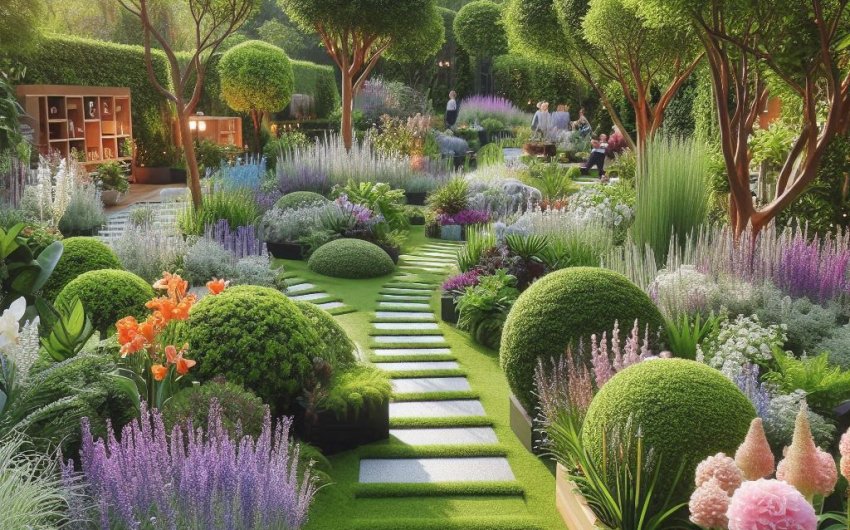
A sensory garden is a space designed to stimulate the senses through the use of plants, textures, sounds, and even colors. These gardens offer a soothing environment, particularly beneficial for children, the elderly, and individuals with sensory disabilities, but they can be enjoyed by anyone who appreciates a relaxing, interactive outdoor experience. The beauty of a sensory garden lies in its ability to engage all five senses—sight, smell, touch, sound, and even taste—by incorporating a variety of plants that offer rich fragrances and inviting textures.
If you're looking to create a sensory garden that draws visitors in with the aroma of flowers and the tactile appeal of leaves and bark, then this guide will walk you through the essential steps. You’ll learn how to select the right fragrant plants and tactile plants, how to design your space, and how to maintain a garden that engages the senses year-round.
1. Choosing the Right Fragrant Plants
Fragrance is one of the most compelling senses to explore in a garden. The right mix of fragrant plants can turn a simple garden into a calming retreat. Whether you're fond of sweet, floral scents or the earthy smell of herbs, there’s a vast selection of fragrant plants to choose from.
a) Lavender (Lavandula)
Lavender is one of the best-known fragrant plants and a must-have for any sensory garden. Its calming scent is often used in aromatherapy to promote relaxation and stress relief. Not only does lavender smell divine, but its soft, velvety texture also makes it a pleasure to touch.
- Light: Lavender thrives in full sunlight, needing at least 6-8 hours of direct sunlight per day.
- Soil: Plant it in well-drained soil, preferably slightly alkaline, to ensure optimal growth.
- Watering: Lavender prefers dry conditions, so water sparingly once established.
Adding lavender plants to your sensory garden will provide an all-year-round fragrance, as dried lavender can retain its scent for months.
b) Rose (Rosa)
Few plants are as synonymous with fragrance as the rose. Roses come in a variety of scents ranging from sweet to spicy, and they bloom prolifically throughout the summer months. Opt for varieties that are specifically known for their scent, such as David Austin or Damask roses.
- Light: Roses need at least 6 hours of sunlight a day.
- Soil: Use fertile, well-drained soil rich in organic matter.
- Watering: Water deeply but infrequently, focusing on the roots rather than the foliage.
Consider adding fragrant rose varieties to your garden for a classic, romantic scent.
c) Jasmine (Jasminum officinale)
The intoxicating scent of jasmine is perfect for creating a serene, fragrant atmosphere. Known for its night-blooming variety, jasmine can fill the evening air with its exotic perfume.
- Light: Jasmine needs full sun to partial shade.
- Soil: It prefers well-drained soil with consistent moisture, though it shouldn't be waterlogged.
- Watering: Water regularly, especially in hot weather, but avoid overwatering.
The climbing habit of jasmine plants makes them ideal for trellises, fences, or walls in a sensory garden.
d) Gardenia (Gardenia jasminoides)
For a more tropical fragrance, gardenias offer a rich, sweet scent that's often associated with luxury. The creamy white blooms are as beautiful as they are fragrant, making gardenias a wonderful addition to a sensory garden.
- Light: Gardenias prefer bright, indirect sunlight.
- Soil: They thrive in acidic, well-draining soil.
- Watering: Keep the soil consistently moist but not soggy.
Adding gardenias to your garden will provide both visual and olfactory appeal.
e) Sweet Alyssum (Lobularia maritima)
If you’re looking for a groundcover that smells amazing, sweet alyssum is the perfect choice. This low-growing plant produces masses of tiny, honey-scented flowers that are particularly fragrant in the evening.
- Light: Full sun to partial shade.
- Soil: Well-drained, moderately fertile soil.
- Watering: Water regularly but don't let the soil become waterlogged.
Sweet alyssum is an easy-to-grow, fragrant plant that will fill your garden with its pleasant aroma.
2. Incorporating Tactile Plants for Sensory Stimulation
Tactile plants are equally important in a sensory garden because they encourage visitors to interact with the garden through touch. Soft, fuzzy leaves, rough bark, or textured flowers all contribute to a garden that feels as good as it looks and smells.
a) Lamb's Ear (Stachys byzantina)
The velvety leaves of lamb's ear are one of the most tactile experiences you can have in a garden. The silvery, fuzzy foliage is irresistible to touch and perfect for edging pathways or planting near seating areas where people can easily reach out and feel it.
- Light: Full sun.
- Soil: Lamb's ear prefers well-drained soil.
- Watering: It’s drought-tolerant once established, so water only when the soil is dry.
Placing lamb’s ear in your garden will ensure visitors have something soft and pleasant to feel.
b) Sage (Salvia officinalis)
In addition to its culinary uses, sage is an excellent tactile plant thanks to its rough, textured leaves. Rubbing the leaves releases a sharp, herbaceous scent that stimulates both touch and smell, making it perfect for a sensory garden.
- Light: Sage requires full sun.
- Soil: Well-drained, sandy soil is best.
- Watering: Water sparingly, as sage prefers dry conditions.
Grow sage plants in a sensory garden to provide both texture and fragrance.
c) Lamb's Tail (Sedum morganianum)
For something a little more unusual, the trailing succulent known as lamb's tail (or burro's tail) offers a unique tactile experience. Its plump, bead-like leaves are smooth and fleshy, making them fun to touch.
- Light: Bright, indirect light is ideal.
- Soil: A well-draining succulent or cactus soil mix works best.
- Watering: Water sparingly, allowing the soil to dry out between waterings.
The trailing nature of lamb’s tail makes it a great choice for hanging baskets in a sensory garden.
d) Bunny Tail Grass (Lagurus ovatus)
This ornamental grass is named for its soft, fuzzy flower heads that look and feel like a bunny’s tail. Bunny tail grass adds a whimsical element to the garden with its gentle, touchable blooms.
- Light: Full sun.
- Soil: It tolerates a wide range of soil types but prefers well-drained soil.
- Watering: Water regularly during the growing season but reduce watering in winter.
Planting bunny tail grass in your sensory garden creates a playful, tactile feature.
e) Ferns (Polypodiopsida)
The delicate, feathery fronds of ferns provide a soft texture that's both soothing and interesting to touch. Ferns are excellent additions to sensory gardens, especially in shaded areas where other plants may struggle.
- Light: Most ferns thrive in partial to full shade.
- Soil: Moist, well-draining soil rich in organic matter is ideal.
- Watering: Keep the soil consistently moist but not waterlogged.
Include ferns in your garden for a lush, tactile experience.
3. Adding Sound and Movement
While fragrant and tactile plants are essential for a sensory garden, don’t forget to include elements that engage the sense of sound. The rustle of leaves, the sound of water, or the gentle chimes from wind-activated elements can enhance the sensory experience.
a) Grasses
Ornamental grasses, like miscanthus or fountain grass, create soft, rustling sounds as the wind moves through their tall, slender leaves. Their constant movement adds a dynamic quality to the garden.
- Light: Most ornamental grasses prefer full sun.
- Soil: Well-drained soil is essential, but grasses can tolerate a variety of soil types.
- Watering: Once established, they require minimal watering.
Including ornamental grasses adds both sound and motion to your sensory garden.
b) Water Features
A small water fountain or waterfall can introduce the soothing sound of trickling water, which has a calming effect and can mask urban noise.
- Maintenance: Ensure that the water feature is regularly cleaned and maintained to prevent algae build-up or malfunction.
- Positioning: Place the water feature in a central location where its sound can be heard throughout the garden.
A water feature will not only provide sound but also attract wildlife such as birds, further enriching the sensory experience.
c) Wind Chimes
The soft, melodic sounds of wind chimes create a relaxing ambiance in the garden. Choose chimes that complement the aesthetic of your garden, whether they’re made of metal, wood, or glass.
- Placement: Hang wind chimes from a tree, pergola, or garden structure where they’ll catch the breeze.
- Material: Metal wind chimes produce crisp, ringing tones, while wooden or bamboo chimes offer a softer, more natural sound.
Adding wind chimes brings an auditory dimension to your sensory garden.
4. Incorporating Edible and Aromatic Herbs
A sensory garden should engage all the senses, and taste is no exception. Planting herbs that are both fragrant and edible allows visitors to engage with the garden on a culinary level. Herbs not only smell wonderful but also provide fresh ingredients for cooking and teas.
a) Mint (Mentha spp.)
Mint is a fast-growing herb that’s perfect for a sensory garden. Its fresh, invigorating scent is released when the leaves are touched, and it can be used in everything from teas to desserts.
- Light: Mint prefers partial shade but can tolerate full sun.
- Soil: It grows best in rich, moist soil.
- Watering: Keep the soil consistently moist, but not waterlogged.
Consider growing mint in containers to prevent it from spreading too aggressively in your garden.
b) Thyme (Thymus vulgaris)
The low-growing, fragrant herb thyme is not only pleasant to smell but also offers a subtle, earthy flavor that can be used in cooking. Its small leaves are packed with aromatic oils, making it perfect for a sensory garden.
- Light: Full sun is ideal for thyme.
- Soil: Well-drained, sandy soil works best.
- Watering: Water sparingly, allowing the soil to dry between waterings.
A few thyme plants will enhance your garden’s fragrance while providing culinary benefits.
c) Basil (Ocimum basilicum)
The sweet, peppery scent of basil makes it a great addition to any sensory garden. Basil is not only aromatic but also widely used in cooking, making it a practical choice for gardeners who enjoy fresh herbs in their meals.
- Light: Basil thrives in full sunlight.
- Soil: Rich, well-drained soil is best for basil.
- Watering: Water regularly to keep the soil moist but avoid waterlogging.
Include basil plants in your sensory garden for both fragrance and flavor.
d) Lemon Balm (Melissa officinalis)
Lemon balm has a light, citrusy fragrance that’s perfect for adding a fresh note to your sensory garden. Its leaves can be used to make teas or in cooking, and it grows quickly, making it an easy herb for beginners.
- Light: Lemon balm prefers partial shade but can tolerate full sun.
- Soil: Well-drained, fertile soil works best.
- Watering: Water regularly to keep the soil slightly moist.
The addition of lemon balm will bring a refreshing citrus scent to your sensory garden.