
What Are the Best Cold-Hardy Vegetables to Grow in Winter?
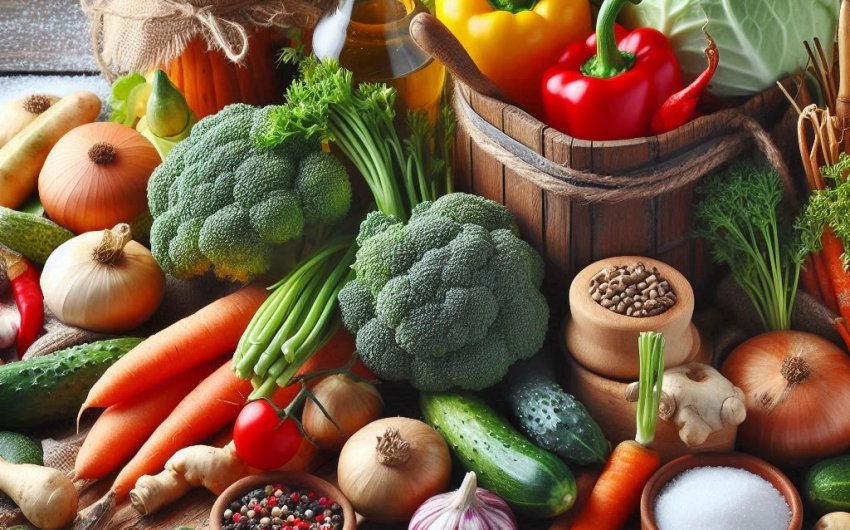
Gardening in winter may seem challenging, but there are plenty of cold-hardy vegetables that not only survive the colder months but also thrive in the cool temperatures. Winter gardening can extend your growing season and provide fresh produce even in the heart of the coldest months. Whether you want to start a vegetable garden during winter or keep it going through the cold, you can grow a variety of vegetables that are resistant to frost and freezing temperatures.
In this guide, we’ll explore the best cold-hardy vegetables to grow in winter, how to care for them, and why they’re perfect for your winter garden.
1. Kale (Brassica oleracea)
One of the most popular and reliable cold-hardy vegetables is kale. This leafy green is known for its ability to withstand freezing temperatures, and in fact, frost can enhance its sweetness. Whether you grow curly kale or Lacinato kale, this hardy vegetable can be harvested well into the winter months.
How to Grow Kale:
- Light: Kale prefers full sun but will tolerate partial shade during winter.
- Soil: Plant kale in well-draining, fertile soil with plenty of organic matter. It thrives in slightly acidic soil.
- Watering: Keep the soil moist but avoid waterlogging. Water regularly to prevent the leaves from becoming tough.
Kale is a great choice for winter because it can tolerate temperatures as low as 20°F (-6°C). For easier planting, consider using kale seeds in your garden.
2. Brussels Sprouts (Brassica oleracea var. gemmifera)
Brussels sprouts are another excellent cold-hardy vegetable that improves in flavor after a light frost. These miniature cabbages are slow growers, so it’s best to plant them early in the fall for a winter harvest.
How to Grow Brussels Sprouts:
- Light: Brussels sprouts need full sunlight to grow properly, especially in cooler months.
- Soil: Plant them in well-drained soil rich in compost or organic matter.
- Watering: Water consistently, especially during dry spells, to ensure even growth of the sprouts.
Brussels sprouts can survive temperatures as low as 10°F (-12°C) and can be harvested throughout the winter. Start growing Brussels sprouts seeds for a healthy winter crop.
3. Carrots (Daucus carota)
Carrots are root vegetables that thrive in cool weather, and their flavor becomes sweeter as the temperature drops. Carrots are an excellent option for winter gardening because they can be left in the ground and harvested as needed, even after frost.
How to Grow Carrots:
- Light: Carrots prefer full sun but will tolerate some shade.
- Soil: They grow best in loose, sandy soil that is well-drained. Avoid rocky soils as they can cause carrots to split.
- Watering: Water consistently to maintain moist soil, but be careful not to overwater.
Carrots are cold-tolerant and can withstand temperatures as low as 15°F (-9°C). Growing carrot seeds is a great way to ensure a winter supply of this versatile vegetable.
4. Spinach (Spinacia oleracea)
Spinach is one of the hardiest leafy greens you can grow in winter. This nutrient-dense vegetable thrives in cold weather and can tolerate frost without damage. It grows quickly, providing a continuous harvest throughout the colder months.
How to Grow Spinach:
- Light: Spinach prefers full sun but can tolerate partial shade.
- Soil: Grow spinach in rich, well-drained soil that’s slightly acidic to neutral in pH.
- Watering: Keep the soil consistently moist, but avoid letting the leaves stay wet, as this can lead to disease.
Spinach can tolerate temperatures as low as 20°F (-6°C) and is perfect for growing in cold frames or greenhouses. Use spinach seeds to enjoy fresh spinach all winter long.
5. Garlic (Allium sativum)
If you want to plant something in the fall that will be ready to harvest in late spring or early summer, garlic is the perfect choice. Garlic needs a period of cold dormancy to develop properly, making it an ideal crop for winter growing.
How to Grow Garlic:
- Light: Garlic requires full sun for the best growth.
- Soil: Plant garlic in fertile, well-drained soil rich in organic matter.
- Watering: Water deeply and consistently until the soil freezes, then water again in spring.
Garlic should be planted in the fall, and it will go dormant over the winter, emerging in the spring. Start growing garlic bulbs to ensure a successful harvest.
6. Leeks (Allium ampeloprasum var. porrum)
Leeks are a hardy vegetable closely related to onions, but with a milder flavor. They are extremely cold-tolerant and can remain in the ground throughout the winter, making them a reliable crop for winter gardens.
How to Grow Leeks:
- Light: Leeks grow best in full sun, but they will tolerate partial shade in cooler months.
- Soil: They prefer well-drained, fertile soil with plenty of organic matter.
- Watering: Keep the soil evenly moist, but don’t allow it to become waterlogged.
Leeks can survive temperatures down to 20°F (-6°C) and can be harvested during winter as needed. Use leek seeds for a steady winter crop.
7. Cabbage (Brassica oleracea var. capitata)
Cabbage is another cold-hardy vegetable that thrives in cool temperatures. With its tightly packed leaves, cabbage can tolerate frosts and even improve in flavor after exposure to cold weather. There are many different varieties of cabbage, including green, red, and savoy cabbage, that grow well in winter.
How to Grow Cabbage:
- Light: Cabbage needs full sun to grow healthy, compact heads.
- Soil: Plant cabbage in rich, well-draining soil.
- Watering: Water regularly to keep the soil evenly moist, especially as the heads start to form.
Cabbage can withstand temperatures as low as 20°F (-6°C) and is one of the most dependable vegetables for winter gardening. Plant cabbage seeds for a productive winter crop.
8. Turnips (Brassica rapa subsp. rapa)
Turnips are a dual-purpose vegetable, with both their roots and leafy greens being edible. They grow best in cool weather and can be planted in late summer or early fall for a winter harvest. Turnips thrive in cold temperatures, and frost can even enhance their flavor.
How to Grow Turnips:
- Light: Turnips need full sun, but they will tolerate partial shade.
- Soil: Plant turnips in loose, well-draining soil that is slightly acidic.
- Watering: Water consistently, as turnips need regular moisture to grow plump and tender.
Turnips can survive temperatures as low as 20°F (-6°C) and make a great addition to a winter vegetable garden. Try growing turnip seeds for a versatile winter vegetable.
9. Collard Greens (Brassica oleracea var. viridis)
Collard greens are extremely cold-tolerant and are known for their ability to withstand frost and freezing temperatures. These leafy greens are rich in vitamins and minerals and can be harvested throughout the winter months.
How to Grow Collard Greens:
- Light: Collard greens grow best in full sun but can tolerate partial shade.
- Soil: Plant them in well-drained soil rich in organic matter.
- Watering: Water regularly to keep the soil moist, especially during dry spells.
Collard greens can tolerate temperatures as low as 15°F (-9°C), making them one of the hardiest winter greens. Start growing collard seeds for a nutritious winter crop.
10. Parsnips (Pastinaca sativa)
Parsnips are a root vegetable closely related to carrots, with a sweet, nutty flavor that intensifies after exposure to frost. They can be left in the ground all winter and harvested as needed.
How to Grow Parsnips:
- Light: Parsnips need full sun for the best growth but will tolerate partial shade.
- Soil: They prefer deep, well-drained soil that’s free from rocks.
- Watering: Water consistently to keep the soil moist, especially during dry spells.
Parsnips can tolerate temperatures as low as 20°F (-6°C) and are an excellent choice for winter gardening. Use parsnip seeds to add a flavorful root vegetable to your winter garden.
11. Beets (Beta vulgaris)
Beets are another root vegetable that thrives in cool weather. Both the root and the greens of beets are edible, and they can be harvested even after a frost. The cooler weather helps develop their sweetness.
How to Grow Beets:
- Light: Beets need full sun to grow large, healthy roots, but they can tolerate some shade.
- Soil: They grow best in loose, well-draining soil rich in organic matter.
- Watering: Water consistently to keep the soil moist but not waterlogged.
Beets can withstand temperatures as low as 20°F (-6°C), making them a great option for winter gardening. Start growing beet seeds for a colorful and nutritious addition to your winter harvest.
12. Rutabaga (Brassica napobrassica)
Similar to turnips, rutabagas are a cold-hardy root vegetable that thrives in cool weather. The frost helps sweeten their flavor, making them a delicious addition to winter stews and soups.
How to Grow Rutabagas:
- Light: Rutabagas need full sun but can tolerate partial shade in cooler months.
- Soil: Plant them in rich, well-drained soil that’s slightly acidic.
- Watering: Water regularly to keep the soil evenly moist.
Rutabagas can survive temperatures as low as 20°F (-6°C) and will store well throughout the winter. Use rutabaga seeds to grow a flavorful winter crop.
13. Swiss Chard (Beta vulgaris subsp. cicla)
Swiss chard is a cold-tolerant leafy green that adds both beauty and nutrition to your winter garden. Its colorful stems come in shades of red, yellow, and orange, making it a vibrant addition to any vegetable bed.
How to Grow Swiss Chard:
- Light: Swiss chard grows best in full sun but will tolerate partial shade.
- Soil: It prefers rich, well-draining soil.
- Watering: Water regularly to keep the soil moist, especially during dry periods.
Swiss chard can tolerate temperatures as low as 15°F (-9°C) and is perfect for continuous harvesting throughout the winter. Growing Swiss chard seeds will give you a colorful and nutritious winter green.
14. Radishes (Raphanus sativus)
Radishes are a fast-growing, cold-tolerant vegetable that can be harvested just a few weeks after planting. Their crisp, spicy flavor makes them a popular choice for winter salads.
How to Grow Radishes:
- Light: Radishes need full sun for the best root development.
- Soil: They grow best in loose, well-draining soil.
- Watering: Keep the soil consistently moist, but avoid overwatering.
Radishes can survive temperatures as low as 20°F (-6°C), making them an ideal quick crop for winter. Use radish seeds to enjoy fresh radishes all winter long.
15. Onions (Allium cepa)
Onions are one of the most versatile and cold-hardy vegetables you can grow. Plant onions in the fall, and they’ll overwinter for a spring or early summer harvest. Onions are biennial, meaning they take two growing seasons to fully mature.
How to Grow Onions:
- Light: Onions require full sun for the best growth.
- Soil: Plant them in rich, well-drained soil.
- Watering: Water regularly, but avoid waterlogging the soil.
Onions can tolerate temperatures as low as 20°F (-6°C) and are a great crop for overwintering. Start growing onion sets to ensure a successful harvest next season.