
How Do I Start a Tea Garden with Herbal Plants?
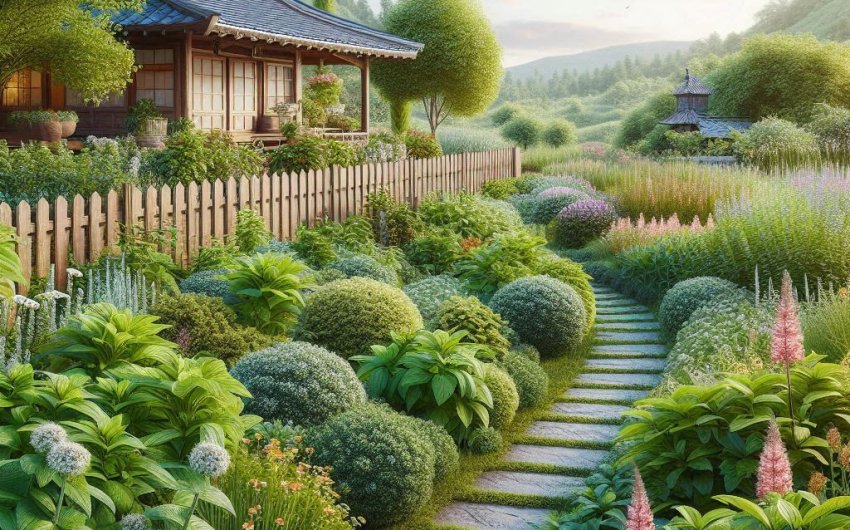
To start a tea garden with herbal plants, begin by selecting a sunny location with well-draining soil and choosing a variety of herbs known for their aromatic and medicinal qualities suitable for brewing. Proper planning for plant placement, understanding each herb's needs, and learning basic harvesting and drying techniques are crucial for enjoying fresh, homegrown herbal teas.
Why Create Your Own Herbal Tea Garden?
Creating a tea garden is a deeply rewarding experience that connects you with nature and provides a continuous supply of fresh, organic ingredients for delicious and beneficial herbal teas. It's more than just growing plants; it's cultivating wellness and flavor.
Freshness and Flavor
- Superior Taste: Herbs picked fresh from your garden offer a more vibrant and intense flavor than dried, store-bought teas.
- Aromatic Experience: Enjoy the delightful scents of your herbs directly in the garden before they even make it to your teacup.
- Customize Blends: Experiment with different combinations to create your unique, personalized tea blends.
Health and Wellness Benefits
- Natural Remedies: Many herbs have traditional medicinal properties, offering natural relief for common ailments like stress, indigestion, or sleeplessness.
- Organic and Chemical-Free: You control the growing environment, ensuring your tea ingredients are free from pesticides and harmful chemicals.
- Mindfulness: The act of growing, harvesting, and brewing your own tea can be a calming and meditative practice.
Cost Savings
- Sustainable Supply: Once established, your tea garden will continuously produce ingredients, reducing your reliance on expensive packaged teas.
- Reduce Waste: Fewer tea bags and packaging contribute to a more eco-friendly lifestyle.
Beauty and Biodiversity
- Aesthetic Appeal: A well-designed herb garden adds beauty and texture to your outdoor space with its varied foliage, flowers, and forms.
- Attracts Pollinators: Many herbs produce flowers that attract beneficial insects like bees and butterflies, supporting local ecosystems.
What Herbal Plants Are Best for a Tea Garden?
The best herbal plants for a tea garden are those known for their flavorful leaves, flowers, or roots, and their ease of cultivation. Consider perennial herbs that return each year for a continuous supply.
Mint (Mentha species)
- Why for Tea: Classic refreshing flavor, widely available. Good for digestion and soothing.
- Varieties: Peppermint (strong menthol), Spearmint (milder), Chocolate Mint, Lemon Mint.
- Growth Habit: Spreads aggressively! Always plant mint in a pot or container to prevent it from taking over your garden.
- Care: Full sun to partial shade, moist soil.
- A Peppermint Plant is a must-have for any tea garden.
Lemon Balm (Melissa officinalis)
- Why for Tea: Gentle, lemony flavor. Known for its calming and uplifting properties.
- Growth Habit: Bushy, perennial herb. Can self-seed vigorously if not managed.
- Care: Full sun to partial shade, well-draining soil. Cut back after flowering to prevent excessive self-seeding.
Chamomile (Matricaria recutita - German, Chamaemelum nobile - Roman)
- Why for Tea: Dried flowers make a mild, apple-scented tea, famous for its relaxing and sleep-inducing qualities.
- Varieties: German Chamomile (annual, taller, easier to harvest), Roman Chamomile (perennial, creeping groundcover, less tea-like flavor).
- Growth Habit: German Chamomile is usually grown from seed each year.
- Care: Full sun, well-draining soil.
Lavender (Lavandula species)
- Why for Tea: Aromatic flowers used for a calming, fragrant tea, often blended with other herbs.
- Varieties: English Lavender (Lavandula angustifolia) varieties like 'Munstead' or 'Hidcote' are best for culinary use.
- Growth Habit: Woody perennial shrub.
- Care: Full sun, very well-draining soil (prefers lean, sandy soil), excellent air circulation. Prune after flowering.
Ginger (Zingiber officinale)
- Why for Tea: Fresh rhizomes (roots) are warming, spicy, and excellent for digestion, nausea, and colds.
- Growth Habit: Tropical perennial, often grown as an annual in cooler climates.
- Care: Partial shade, rich, moist, well-draining soil. Can be grown in pots and brought indoors in winter.
Stevia (Stevia rebaudiana)
- Why for Tea: Natural sweetener. A few fresh leaves can sweeten an entire cup of tea.
- Growth Habit: Tender perennial, often grown as an annual in most climates.
- Care: Full sun, well-draining soil. Pinch back to encourage bushiness.
Rose (Rosa species)
- Why for Tea: Rose hips (fruit) are rich in Vitamin C; petals add a delicate, floral flavor.
- Varieties: Choose old-fashioned, highly fragrant, unsprayed roses or varieties known for large hips.
- Growth Habit: Woody shrub.
- Care: Full sun, well-draining soil.
- A Rose Bush can add beauty and flavor.
Others to Consider:
- Lemon Verbena: Intense lemon flavor, excellent hot or cold. Needs protection in cold winters.
- Holy Basil (Tulsi): Adaptogenic herb, spicy and refreshing. Annual in most climates.
- Anise Hyssop: Licorice-mint flavor, attractive to pollinators.
- Fennel: Seeds and leaves can be used for tea.
- Rosemary: Pungent, good for invigorating blends.
| Herb Name | Plant Type | Flavor/Use for Tea | Growing Needs (General) | Notes |
|---|---|---|---|---|
| Mint | Perennial | Refreshing, soothing, digestion | Full sun to partial shade, moist soil | Plant in containers! Spreads aggressively. |
| Lemon Balm | Perennial | Lemony, calming | Full sun to partial shade, well-draining | Can self-seed; cut back after flowering. |
| Chamomile | Annual (German) | Mild, apple-like, relaxing | Full sun, well-draining soil | Harvest flowers when fully open. |
| Lavender | Perennial shrub | Floral, calming | Full sun, very well-draining, good air. | Use English varieties for culinary. |
| Ginger | Tropical perennial | Spicy, warming, digestion | Partial shade, rich, moist, well-draining | Grow from root; bring indoors in cold. |
| Stevia | Tender perennial | Natural sweetener | Full sun, well-draining soil | Often grown as an annual. |
| Rose | Perennial shrub | Floral, Vitamin C (hips) | Full sun, well-draining soil | Use unsprayed, fragrant varieties. |
How Do I Plan My Tea Garden Layout?
Effective planning ensures your tea garden is functional, beautiful, and allows your chosen herbs to thrive.
1. Site Selection
- Sunlight: Most tea herbs need at least 6 hours of direct sunlight per day. Some, like mint and lemon balm, tolerate partial shade, but more sun usually means more flavor.
- Drainage: Well-draining soil is crucial. Herbs hate "wet feet." If your soil is heavy clay, consider raised beds or containers.
- Proximity: Locate your tea garden close to your kitchen for easy access, especially for fresh herbs.
- Water Access: Ensure a water source is nearby.
2. Choose Your Garden Style
Your tea garden can be formal, informal, in-ground, or container-based.
- In-Ground Garden Bed: Traditional garden beds work well for larger spaces. You can create dedicated rows or a more naturalistic, informal design.
- Raised Beds: Excellent for improving drainage, controlling soil quality, and easier access. Ideal for managing spreading herbs like mint.
- Container Garden: Perfect for small spaces like balconies or patios. Allows you to control spreading plants and move sensitive herbs indoors in winter. Use a mix of large and small pots.
- Herb Spiral: A visually appealing and space-efficient way to grow herbs, creating microclimates within the spiral.
3. Design the Layout (Considerations for Each Herb)
- Height: Place taller plants (like some rosemary varieties or ginger) at the back or center, with shorter plants (chamomile, creeping thyme) at the front.
- Spread: Give spreading herbs (mint, lemon balm) dedicated containers or areas with root barriers.
- Sun Needs: Group plants with similar sun requirements together.
- Access: Plan pathways so you can easily reach all plants for harvesting and care.
- Companion Planting: While not strictly necessary for tea herbs, some combinations can be beneficial. For instance, strong-scented herbs might deter pests from others.
How Do I Prepare the Soil for My Tea Garden?
Healthy soil is the foundation for thriving herbs and flavorful teas.
1. Soil Testing (Optional but Recommended)
- Understand pH and Nutrients: A soil test provides information on your soil's pH and nutrient levels. Most herbs prefer a slightly alkaline to neutral pH (6.5-7.5).
- Local Extension Office: Your local cooperative extension office can provide soil testing services.
2. Improve Drainage
- Amending Heavy Soil: If you have heavy clay, amend the soil generously with organic matter like compost, aged manure, pine bark fines, or perlite.
- Raised Beds/Containers: These are excellent solutions for poor drainage, allowing you to create an ideal soil mix.
3. Enrich with Organic Matter
- Compost is Key: Mix in plenty of well-rotted compost or aged manure into your garden bed. This improves soil structure, drainage, and provides slow-release nutrients.
- Avoid Over-Fertilizing: Herbs generally prefer lean soil and don't need excessive nitrogen, which can lead to lush leafy growth but less concentrated flavor.
4. Soil Mix for Containers
- High-Quality Potting Mix: Use a good quality, well-draining potting mix specifically formulated for containers.
- Add Perlite/Pumice: Enhance drainage further by mixing in extra perlite or pumice.
What Are the Steps to Plant My Tea Garden?
Once your plan and soil are ready, planting is the exciting part!
1. Sourcing Plants
- Seeds: More economical, wider variety, but requires patience. Start indoors for plants like chamomile or stevia.
- Cuttings: Many herbs (mint, rosemary, lavender, lemon balm) root easily from cuttings taken from existing plants.
- Nursery Starts: Quickest way to establish plants. Choose healthy plants with good color and no signs of pests or disease.
2. Timing
- Spring: Generally the best time to plant most herbs after the last frost date for your region.
- Fall: In warmer climates, some herbs can also be planted in fall.
3. Planting Process
- Water Plants: Water your plants thoroughly in their nursery pots before planting.
- Dig Hole: Dig a hole slightly wider than the plant's root ball and the same depth.
- Remove from Pot: Gently remove the plant from its container. Loosen any circling roots at the bottom.
- Place Plant: Set the plant in the hole so the top of the root ball is level with the surrounding soil.
- Backfill: Gently backfill with prepared soil, tamping lightly to remove air pockets.
- Water Thoroughly: Water deeply after planting to settle the soil.
4. Initial Care
- Mulch: Apply a thin layer of organic mulch (shredded leaves, straw) around your plants. This helps retain moisture and suppress weeds. Keep mulch away from plant stems.
- Water Consistently: For the first few weeks after planting, ensure consistent moisture to help roots establish.
How Do I Care for My Tea Garden Herbs?
Maintaining your tea garden ensures healthy growth and continuous harvests.
Watering
- Deep and Infrequent: Most herbs prefer deep watering when the top inch or two of soil feels dry, rather than frequent shallow sips.
- Check Soil: Always check soil moisture before watering. Overwatering is a common killer of herbs.
- Container Plants: Will generally need more frequent watering than in-ground plants due to faster drying.
Fertilizing (Minimal)
- Lean is Best: Herbs typically thrive in lean to moderately fertile soil.
- Compost: Top-dress with a thin layer of compost annually in spring.
- Avoid Excess Nitrogen: Too much nitrogen can reduce essential oil production (flavor) and make plants leggy.
Pruning and Harvesting
- Pinch Back: Regularly pinch back new growth to encourage bushier, more compact plants and prevent legginess. This also provides small harvests for immediate use.
- Harvesting for Tea:
- Leaves: Harvest leaves in the morning after the dew has dried, when their essential oils are most concentrated. Take outer leaves or snip stems.
- Flowers: Harvest chamomile and lavender flowers when they are fully open.
- Roots (Ginger): Harvest ginger rhizomes in late fall before frost.
- Remove Flowers (for leaf herbs): For herbs grown for their leaves (like mint, lemon balm), pinch off flower buds to redirect energy into leaf production.
- Cut Back: For perennials, cut back plants by about 1/3 to 1/2 after a major harvest or in late fall to encourage new growth.
Pest and Disease Management
- Observation: Regularly inspect your plants for signs of pests or diseases.
- Healthy Plants: Healthy, well-cared-for plants are naturally more resistant.
- Good Airflow: Space plants appropriately to ensure good air circulation, which deters fungal issues.
- Organic Control: For common pests like aphids or spider mites, first try a strong spray of water. If needed, use insecticidal soap or neem oil, following product directions carefully.
- A neem oil spray is a great organic option.
Winter Protection (for Perennials)
- Mulch: In colder climates, apply a thick layer of mulch around perennial herbs in late fall to insulate roots.
- Container Plants: Move sensitive container herbs (like ginger, stevia, lemon verbena) indoors to a sunny window before the first frost.
How to Harvest and Dry Herbs for Tea?
Proper harvesting and drying techniques preserve the flavor and potency of your herbs for year-round enjoyment.
Harvesting Techniques
- Morning Harvest: Pick herbs in the morning after dew has dried, when essential oils are most concentrated.
- Cleanliness: Use clean scissors or pruners.
- Avoid Over-Harvesting: Never remove more than 1/3 of the plant at once to ensure it can recover and continue growing.
- Leaves: Snip stems with several leaves, or pick individual large leaves.
- Flowers: Pick chamomile and lavender flowers when fully open.
- Roots: Dig up ginger rhizomes in late fall.
Drying Methods
1. Air Drying (Best for most leafy herbs and flowers):
- Bundles: Gather small bundles of stems (5-10 stems per bundle) and secure with twine or a rubber band.
- Hang: Hang bundles upside down in a warm, dry, well-ventilated area away from direct sunlight. Good airflow is critical to prevent mold.
- Drying Time: Can take 1-3 weeks depending on humidity and herb type. Herbs are dry when leaves crumble easily.
- Mesh Racks: For individual leaves or flowers (like chamomile petals), spread them in a single layer on mesh drying racks for good air circulation.
2. Dehydrator (Faster, more consistent):
- Temperature: Set dehydrator to a low temperature (95-105°F or 35-40°C). High heat can diminish essential oils and flavor.
- Arrangement: Spread herbs in a single layer on dehydrator trays.
- Drying Time: Can take several hours to a day, depending on the herb and dehydrator.
3. Oven Drying (Use with Caution):
- Lowest Setting: Use your oven's absolute lowest setting (often 'warm' or around 100-150°F / 40-65°C) with the oven door propped open slightly to allow moisture to escape.
- Monitor Constantly: Herbs can easily scorch. This method is generally not recommended for delicate herbs.
Storage
- Cool, Dark, Dry: Once completely dry (they should feel crispy and brittle), store herbs in airtight containers (glass jars are ideal).
- Label: Label containers with the herb name and drying date.
- Longevity: Properly dried herbs can retain their potency and flavor for 6-12 months.
How to Brew Your Own Herbal Teas?
The final, and most rewarding, step in your tea garden journey!
Basic Brewing Steps
- Choose Your Herbs: Use fresh or dried herbs. For fresh, use roughly twice the amount you would for dried.
- Prepare Herbs:
- Fresh: Gently crush or tear leaves to release essential oils.
- Dried: Use whole leaves, crumbled leaves, or flowers.
- Heat Water: Bring fresh, cold water to a boil.
- Infuse:
- Place herbs in a tea infuser, teabag, or directly in the cup/pot.
- Pour hot water over the herbs.
- Steep Time:
- Delicate leaves/flowers (Mint, Chamomile, Lemon Balm): 5-10 minutes.
- Woodier leaves/roots (Rosemary, Ginger): 10-15 minutes or longer for stronger flavor.
- Strain (if needed): Remove infuser or strain herbs.
- Enjoy: Add honey, lemon, or other sweeteners to taste.
Experiment with Blends:
- Calming: Chamomile + Lemon Balm + Lavender
- Digestive: Peppermint + Ginger + Fennel Seed
- Immune Boosting: Rose Hips + Ginger + Lemon Balm
- Refreshing: Spearmint + Lemon Verbena + Stevia (for sweetness)
Starting a tea garden with herbal plants is an enriching endeavor that offers fresh flavors, natural remedies, and a beautiful connection to nature. By carefully selecting your herbs, providing them with the right growing conditions, and learning the art of harvesting and drying, you'll soon be enjoying delicious, homemade herbal teas, straight from your own backyard.