
What Are the Best Climbing Plants for Trellises in Small Spaces?
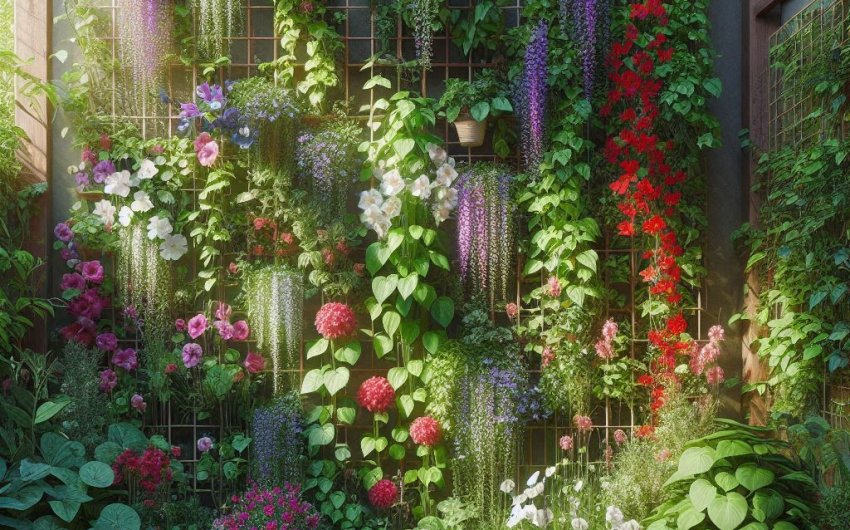
Even the smallest garden, patio, or balcony holds immense potential for vibrant greenery and captivating beauty. When space is limited, the key to maximizing your growing area lies in thinking vertically. Climbing plants for trellises in small spaces are unsung heroes, transforming bare walls, fences, and compact corners into lush, living tapestries. They offer an incredible opportunity to introduce color, fragrance, and privacy without encroaching on precious floor space. Choosing the right climbers, however, is crucial; not all vining plants are created equal when it comes to confined environments.
Imagine cascading petunias adorning a compact balcony, fragrant jasmine creating a serene nook, or a bountiful clematis adding a burst of seasonal cheer, all while taking up mere inches of horizontal ground. This strategic use of verticality allows gardeners to create impactful displays, grow more food, or simply enjoy a richer green experience, even in urban settings. This guide will explore the top choices for best climbing plants for trellises in small spaces, delving into their unique characteristics, growth habits, and how to successfully integrate them into your vertical gardening endeavors, proving that a lack of sprawling land is no barrier to a flourishing garden.
Why Use Climbing Plants in Small Spaces?
Using climbing plants for trellises in small spaces is a brilliant gardening strategy, offering a surprising number of benefits when every inch counts. It's truly a way to garden "up" instead of "out."
First and foremost, climbing plants help you maximize your growing area. In a tiny backyard, a patio, or a small balcony, ground space is very limited. By training plants to grow vertically on a trellis, a wall, or a fence, you're essentially adding square footage to your garden without actually expanding your physical footprint. This means you can grow more flowers, herbs, or even vegetables than you ever thought possible in a confined area. You can find a wide range of garden trellises online, like this Panacea Products Heavy Duty Garden Trellis.
Beyond just adding more plants, climbers bring visual interest and drama. A blank wall or a boring fence can be transformed into a living work of art. Imagine a cascade of colorful flowers or lush foliage creating a stunning backdrop. They add height and texture, making a small space feel more dynamic and inviting.
Climbing plants are also excellent for creating privacy and shade. If you have a shared balcony or a patio that feels too open, a well-chosen climbing plant on a trellis can quickly form a green screen, offering a sense of seclusion without building permanent structures. They can also provide welcome shade over a seating area, making a sunny spot more comfortable in summer.
They can help to beautify unsightly areas. Do you have a bare wall, an old shed, or an awkward corner that needs a facelift? A climbing plant can quickly cover it with vibrant growth, turning an eyesore into a feature.
Finally, for plants like climbing vegetables (e.g., peas, beans, small cucumbers), growing them vertically can actually improve yield and health. It gets them off the ground, reducing the risk of fungal diseases, making harvesting easier, and ensuring better air circulation around the plants.
So, if you're working with limited space, thinking vertically with climbing plants is a game-changer for a lush and productive garden.
What are the Benefits of Vertical Gardening?
Vertical gardening is essentially using upright structures to grow plants, and it offers significant benefits, especially when space is at a premium. When considering climbing plants for trellises in small spaces, you're directly engaging in vertical gardening, and the advantages are clear.
Space Efficiency: This is the most obvious benefit. By growing plants upwards, you drastically reduce the horizontal footprint needed. A small balcony or patio can become a productive garden, yielding more produce or displaying more ornamental plants than traditional ground-level gardening would allow. You're effectively utilizing unused vertical surfaces like walls and fences.
Increased Yields in Less Space: For edible climbers like beans, peas, cucumbers, and even small varieties of squash, growing vertically lifts the plants off the ground. This often results in healthier plants with better air circulation, reducing the risk of fungal diseases. It also makes harvesting much easier and cleaner.
Aesthetic Appeal: Vertical gardens are visually stunning. They transform bland walls into living art, adding texture, color, and life to any outdoor area. They create a lush, immersive feel that can make a small space feel larger and more inviting.
Improved Air Circulation: Raising plants off the ground on trellises allows for better airflow around the foliage. This reduces humidity trapped around leaves, which is a major factor in preventing common fungal diseases like powdery mildew and rust.
Easier Maintenance: When plants are at eye level, tasks like pruning, pest inspection, and harvesting become much easier and less strenuous than bending or kneeling.
Pest and Disease Management: Keeping plants off the ground can reduce exposure to certain soil-borne pests and diseases. Plus, improved air circulation makes it harder for diseases to establish.
Privacy and Shade: A dense vertical planting can act as a natural screen, providing privacy from neighbors or obscuring an undesirable view. They can also cast welcome shade over a seating area on hot days.
Reduced Weeds: In many vertical garden setups, the growing medium is contained, naturally limiting weed growth compared to open ground beds.
In essence, vertical gardening with climbing plants for trellises in small spaces allows you to create a beautiful, functional, and healthier garden, proving that big gardening dreams can indeed fit into compact environments.
How Do Climbing Plants Attach to Trellises?
Understanding how climbing plants attach to trellises is important for choosing the right type of plant and the best support structure for your small space. Different plants have different "tools" for climbing!
Twining Stems:
- How they work: These plants grow stems that literally wrap or "twine" around a support structure. They can twist either clockwise or counter-clockwise, and this coiling action pulls the plant upwards.
- Ideal Trellis: They need narrow supports to twine around, such as thin wires, strings, narrow poles, or open mesh trellises.
- Examples: Pole beans, Morning Glories, Honeysuckle, Wisteria (can get too large for small spaces, but is a good example).
Tendrils:
- How they work: Tendrils are thin, specialized plant parts (they can be modified leaves, stems, or petioles) that grow out from the plant, feel around for a support, and then coil tightly around it like a spring.
- Ideal Trellis: They also need thin supports to grab onto, similar to twining stems. Netting, wire mesh, or string trellises work well.
- Examples: Peas, Sweet Peas, Passion Flower, Grapes, Cucumbers.
Adventitious Roots (or Aerial Roots):
- How they work: Some plants produce small, clinging roots directly from their stems that attach to surfaces. These roots exude a sticky substance that helps them grip onto rough textures.
- Ideal Trellis: They prefer rough, sturdy surfaces like brick walls, wooden fences, or rough bark. They can damage painted surfaces.
- Examples: English Ivy, Climbing Hydrangea, Trumpet Vine. (Note: some of these can be very aggressive growers, perhaps too much for small spaces, but again, good examples of attachment).
Twiners (Petiole Twiners):
- How they work: Instead of the main stem twining, the leaf stalks (petioles) do the twining.
- Ideal Trellis: Similar to tendrils, they need thin supports.
- Examples: Clematis.
Scramblers/Climbing Roses:
- How they work: These plants don't have specialized attachment structures. Instead, they have long, flexible stems (often with thorns or prickles) that lean or "scramble" over other plants or structures. They need to be physically tied or woven onto a support to climb vertically.
- Ideal Trellis: Sturdy trellises, arbors, pergolas, or fences that you can tie them to.
- Examples: Climbing Roses, Bougainvillea, Jasmine. You will need plant ties to secure these, like these Velcro Plant Ties.
When choosing a climbing plant for trellises in small spaces, consider its attachment method and match it to the type of trellis you provide for the best success.
What is the Best Type of Trellis for Small Spaces?
Choosing the best type of trellis for small spaces is crucial because it needs to be effective for climbing plants while fitting neatly into a confined area. The best trellis material and design depend on the plant's attachment method and your space's specific needs.
Here are excellent types of trellises for small spaces:
Fan or Expanding Trellises:
- Description: These are often made of wood or bamboo slats that expand into a fan shape or a diamond pattern. They come in various sizes.
- Why they're great for small spaces: They are often narrow at the base and spread upwards, utilizing vertical space efficiently. Many are freestanding or can be easily leaned against a wall. Their natural materials can look very appealing.
- Best for: Twining plants, tendril climbers, and scrambling plants that you can tie. Look for a Wood Fan Trellis.
Obelisk or Tapered Trellises:
- Description: These are three-dimensional, tower-like structures that taper towards the top, often made of metal or wood.
- Why they're great for small spaces: They provide vertical interest and support in a small footprint. They are perfect for container gardening, as you can place them directly in a large pot.
- Best for: Twining plants like Mandevilla, Morning Glories, and small climbing vegetables. A sturdy Metal Garden Obelisk can last for years.
Netting or Mesh Trellises:
- Description: Made of plastic or metal mesh with relatively small openings. Can be strung horizontally or vertically.
- Why they're great for small spaces: Very lightweight, often inexpensive, and can be easily attached to a wall or fence. They are almost invisible once the plant grows.
- Best for: Tendril climbers (peas, cucumbers) and twining plants that need narrow grip points. They are excellent for edible vertical gardens. Garden Trellis Netting is easy to set up.
Wall-Mounted Wire Systems:
- Description: Involves attaching eye bolts or standoffs to a wall and running thin wires horizontally or vertically between them.
- Why they're great for small spaces: Highly customizable to fit any wall size. The wires are minimal and disappear once the plant grows. Creates a sleek, modern look.
- Best for: Petiole twiners (Clematis), thin twining plants, and plants you can tie. This creates a beautiful, minimalist look.
Cylindrical Tomato Cages (for small climbers):
- Description: While designed for tomatoes, smaller versions can be excellent for supporting compact climbers.
- Why they're great for small spaces: They provide all-around support and are perfect for container planting.
- Best for: Smaller vining plants like Mandevilla or compact cucumbers.
When selecting, prioritize materials that are durable and weather-resistant. The best trellis will not only support your climbing plants for trellises in small spaces but also complement your garden's aesthetic.
What Are the Best Flowering Climbers for Small Spaces?
Choosing the best flowering climbers for trellises in small spaces involves finding plants that offer stunning blooms without becoming overwhelmingly large or aggressively invasive. Here are some top picks that will thrive in confined areas:
Clematis:
- Why it's great: Offers an incredible variety of flower colors, sizes, and bloom times (from spring to fall). Many varieties stay compact or can be easily pruned to manage size. They attach via twining leaf petioles, so they need thin supports like mesh or thin wires.
- Growth Habit: Can be vigorous but manageable. Needs "feet in the shade, head in the sun" – cool roots, sunny foliage.
- Best varieties for small spaces: Look for Group 2 or 3 pruning types which are easier to control, or specifically compact varieties like 'Jackmanii' or 'Nelly Moser'.
- Amazon link: Clematis Live Plant
Mandevilla/Dipladenia:
- Why it's great: Produces continuous, trumpet-shaped flowers in vibrant reds, pinks, and whites from spring through fall. It's a tropical plant, so it's usually grown as an annual in cooler climates or brought indoors for winter. It has a graceful twining growth habit.
- Growth Habit: Moderate grower, easy to keep compact with pruning. Perfect for pots on a trellis.
- Amazon link: Mandevilla Live Plant
Sweet Peas (Lathyrus odoratus):
- Why it's great: Known for their incredibly fragrant, delicate flowers in a wide array of colors. They are annuals, so they die back each year, making them easy to manage in small spaces. They attach with tendrils.
- Growth Habit: Grow quickly to 5-8 feet but are not aggressive. Need a fine mesh or string trellis.
- Amazon link: Sweet Pea Seeds
Climbing Nasturtiums (Tropaeolum majus):
- Why it's great: Offer bright, edible flowers and leaves, perfect for a sunny spot. They are annuals and add a fun, informal touch. They are scramblers and need to be woven or tied.
- Growth Habit: Can grow up to 6-10 feet but are easy to pull at the end of the season.
- Amazon link: Nasturtium Seeds Trailing Mix
Morning Glory (Ipomoea purpurea):
- Why it's great: Produces an abundance of large, trumpet-shaped flowers that open in the morning. They are annuals, growing quickly to cover a trellis. They are twiners.
- Growth Habit: Very vigorous, can reach 10-15 feet. Easy to manage as an annual. Can reseed.
- Amazon link: Morning Glory Seeds
Jessamine (Gelsemium sempervirens) - Carolina Jessamine:
- Why it's great: A native evergreen vine in warmer climates, producing masses of fragrant yellow trumpet flowers in spring. It's a twining vine that can be pruned to size.
- Growth Habit: Can get large, but can be kept in check with annual pruning after flowering.
- Amazon link: Carolina Jessamine Plant
These choices for best climbing plants for trellises in small spaces provide a beautiful array of colors and forms, making your compact garden truly spectacular.
What About Climbing Roses for Small Spaces?
Climbing roses can indeed be among the best climbing plants for trellises in small spaces, but you need to choose the right kind and understand their growth habits. Not all "climbing" roses are the same, and some can quickly become too large for a confined area.
Key Considerations for Climbing Roses in Small Spaces:
Choose the Right Type:
- Smaller Climbers or Patio Climbers: Look specifically for varieties bred to be more compact. These typically grow to 6-10 feet tall, which is manageable for a standard trellis or wall in a small space.
- Rambling Roses: Avoid rambling roses for small spaces. These are incredibly vigorous, often growing 20-30 feet or more in a single season, and are better suited for large structures, covering sheds, or growing into trees.
- Shrub Roses that can be trained: Some larger shrub roses with flexible canes can be "tied" to a trellis to give a climbing effect, rather than being true climbers.
Attachment Method:
- Climbing roses are scramblers. They do not have tendrils or twining stems. Their long canes (stems) will lean and grow outwards. You will need to physically tie their canes to your trellis or support structure. This means a trellis with sturdy horizontal bars or an open framework is best. You'll need soft plant ties or velcro straps to guide and secure them. A pack of Garden Plant Ties is essential.
Pruning is Essential:
- To keep a climbing rose well-behaved in a small space, regular and thoughtful pruning is critical. You'll need to prune to encourage new flowering wood, remove old or diseased canes, and keep its size in check. This is typically done after its main flush of bloom or in late winter/early spring depending on the variety.
Support Structure:
- Climbing roses, even compact ones, develop heavy, woody canes. Your trellis must be sturdy and well-anchored to support the weight of the mature rose. Thin wire mesh won't be enough. A strong metal or wooden trellis securely attached to a wall or fence is ideal.
Benefits of Climbing Roses in Small Spaces:
- Stunning Blooms: They offer classic rose beauty, often with repeat flowering throughout the season.
- Fragrance: Many climbing roses are highly fragrant, adding an extra sensory dimension to a small space.
- Vertical Interest: They create dramatic vertical displays of color and texture.
Examples of more manageable climbing rose varieties for smaller spaces include 'New Dawn', 'Zephirine Drouhin' (thornless), or 'Eden Rose'. Always check the mature size of the specific variety you choose. With proper selection and consistent pruning, a climbing rose can be a magnificent addition to even the coziest garden.
What Are the Best Edible Climbers for Small Spaces?
Growing edible climbers for trellises in small spaces is a fantastic way to increase your harvest without taking up much ground real estate. Many common vegetables are natural climbers, making them perfect for vertical gardening.
Pole Beans:
- Why they're great: Unlike bush beans, pole beans grow upwards, producing a much larger yield in a small footprint. They are twiners and quickly wrap around support.
- Growth Habit: Can grow 6-10 feet tall. Produce continuously throughout the summer if harvested regularly.
- Best for: Any type of trellis, string, or pole.
- Amazon link: Pole Bean Seeds
Cucumbers (Vining Varieties):
- Why they're great: Vining cucumbers produce more and are less prone to fungal diseases (like powdery mildew) when grown vertically, as it improves air circulation. They attach with tendrils.
- Growth Habit: Can grow 6-8 feet. Choose "slicing" or "pickling" varieties that are bred for vining.
- Best for: Sturdy netting or an A-frame trellis.
- Amazon link: Vining Cucumber Seeds
Peas (Vining Varieties):
- Why they're great: Both shelling peas and edible-pod peas (like snap or snow peas) are easy to grow vertically. They are quick growers and delicious. They attach with tendrils.
- Growth Habit: Most grow 4-6 feet tall. Perfect for early season harvests.
- Best for: Fine mesh netting, brushwood, or string trellises.
- Amazon link: Sugar Snap Pea Seeds
Small-Fruited Tomatoes (Indeterminate Vining Types):
- Why they're great: While not true climbers in the tendril or twining sense, indeterminate tomato varieties (which continue to grow and produce fruit all season) can be trained up a trellis or cage. They are scramblers and need to be tied. This keeps fruit off the ground and improves air circulation.
- Growth Habit: Can grow 6+ feet tall. Best for cherry or grape tomatoes in small spaces as their fruit weight is less.
- Best for: Sturdy tomato cages, obelisks, or strong trellises. You will need plant ties. A Tomato Cage is essential.
Malabar Spinach:
- Why it's great: A heat-loving alternative to spinach that thrives in hot summer weather when traditional spinach wilts. It's a vining leafy green. It's a twining vine.
- Growth Habit: Can grow 6+ feet. Leaves are edible and nutritious.
- Best for: Any trellis or support it can twine around.
- Amazon link: Malabar Spinach Seeds
Nasturtiums:
- Why they're great: We already mentioned them for flowers, but their leaves and flowers are both edible with a peppery kick! Trailing varieties are easy to grow. They are scramblers.
- Growth Habit: Can reach 6-10 feet.
- Amazon link: Nasturtium Seeds Edible
These best climbing plants for trellises in small spaces prove that even with limited room, you can still enjoy a bountiful harvest from your vertical garden.
How to Support Vining Vegetables?
Properly supporting vining vegetables is absolutely crucial for their health and productivity, especially when you're using climbing plants for trellises in small spaces. Without good support, vining veggies can sprawl, get diseases, and produce less.
Here’s how to effectively support them:
Choose the Right Trellis Type:
- Pole Beans & Malabar Spinach (Twiners): They need thin, upright supports to wrap around. Use sturdy poles (bamboo, metal rebar), garden stakes, a teepee made from poles, or string/netting.
- Peas & Cucumbers (Tendril Climbers): They need narrow things for their tendrils to grab. Mesh netting (plastic or wire), thin strings, or even twiggy branches work well.
- Tomatoes (Scramblers/Tiers): They don't have natural climbing structures. They need robust support like tall, sturdy tomato cages, obelisks, or strong trellises that you can tie their main stems to.
Install Support at Planting:
- It's best to install the trellis or support system at the same time you plant the vining seeds or seedlings. Trying to add support later, once the plant has grown large, can damage its roots and stems. Make sure the support is well-anchored so it won't tip over with the weight of the mature plant and its harvest. You can get a sturdy Heavy Duty Tomato Cage for your vining tomatoes.
Guide and Train:
- For plants that naturally twine or use tendrils, you might only need to give them a gentle nudge towards the trellis when they are young. Once they make contact, they'll usually do the rest themselves.
- For scramblers like vining tomatoes or squash, you will need to actively guide and tie their stems to the support as they grow. Use soft materials like old stockings, fabric strips, or specific plant ties to prevent cutting into the stem. Tie loosely to allow for stem expansion. Never tie too tightly.
Ensure Adequate Height:
- Make sure your support is tall enough for the mature size of your chosen variety. A 4-foot trellis won't be enough for an 8-foot pole bean! Check seed packets for mature heights.
Strength and Stability:
- Consider the potential weight of the mature plant, especially with fruit. A trellis needs to be strong enough to hold up a heavily laden cucumber vine or a tall tomato plant, especially during windy conditions. Secure the trellis firmly to the ground or a wall.
By providing strong, appropriate support from the beginning, you ensure your vining vegetables grow upwards, receive good air circulation, and produce an abundant, healthy harvest.
How Do I Train Climbing Plants onto a Trellis?
Training climbing plants onto a trellis is an enjoyable and necessary part of vertical gardening, ensuring your climbing plants for trellises in small spaces grow upwards and show off their full beauty. While some plants are natural climbers, even they benefit from a little guidance, and others need a lot of help.
1. Start Early:
- Begin training your plant when it's young and its stems are still flexible. It's much harder to bend and position mature, woody stems without causing damage.
- Once planted, gently direct the first few tendrils or twining stems towards the lowest part of your trellis.
2. Understand the Plant's Attachment Method:
- Twining Stems (e.g., Morning Glory, Pole Beans, Mandevilla): These plants will naturally wrap around thin supports. Just help them find the trellis. You might need to gently coil them around a bar or string in the direction they naturally twine (clockwise or counter-clockwise) to get them started.
- Tendrils (e.g., Peas, Cucumbers, Sweet Peas, Passion Flower): These will reach out and grab onto thin structures. Provide a fine mesh, netting, or thin strings. Simply point the tendrils towards the nearest support.
- Scramblers / Leaning (e.g., Climbing Roses, Tomatoes, Bougainvillea, Jasmine): These plants don't have natural grasping mechanisms. You must physically tie their stems to the trellis as they grow. Use soft materials like:
- Velcro plant ties: Easy to adjust and reuse. A roll like Velcro Brand Plant Ties is very handy.
- Soft fabric strips: Cut from old t-shirts or stockings.
- Twine or soft string: Be careful not to tie too tightly.
- Make "figure-eight" ties to prevent the string from cutting into the stem as it grows thicker.
3. Guide and Weave:
- As your plant grows, gently guide new stems onto the trellis. Weave them through the openings of the trellis or tie them loosely to the support.
- For scrambling plants: Space your ties out every foot or so, keeping the main stems roughly horizontal as much as possible, as this encourages more side shoots and therefore more flowers or fruit.
4. Pruning for Training and Health:
- Remove any stems that want to grow away from the trellis or are heading in an undesirable direction.
- Pinch or prune to encourage branching and a fuller, more bushy plant where you want it on the trellis. This is especially true for clematis, which benefit from specific pruning regimens.
- Remove any yellowing, dead, or diseased foliage to maintain plant health and improve air circulation. A sharp pair of Garden Pruning Shears is a must.
5. Consistent Monitoring:
- Check your climbing plants regularly, especially during periods of rapid growth. They can quickly outgrow their support or get tangled if left unguided.
- Adjust ties as stems thicken so they don't constrict growth.
By actively training your climbing plants, you ensure they grow effectively on their trellises, maximizing your vertical space and creating a stunning display.
What Care Do Climbing Plants Need?
Once your climbing plants for trellises in small spaces are happily growing upwards, they'll need ongoing care to thrive and provide continuous beauty or harvest. Their needs are generally similar to other plants, but with a few specific considerations for climbers.
Watering:
- Consistency is Key: Climbing plants, especially those in containers or against walls (which can absorb heat and dry out soil faster), often need more frequent watering than plants in open ground.
- Deep Watering: Water deeply and thoroughly, ensuring the entire root ball is saturated. Don't just give shallow sprinkles.
- Monitor Soil Moisture: Stick your finger into the soil. If the top 1-2 inches feel dry, it's usually time to water. A Soil Moisture Meter can also be very helpful.
Fertilizing:
- Nutrient Demands: Because they are producing a lot of foliage, flowers, or fruit, climbing plants can be heavy feeders.
- Regular Feeding: Fertilize regularly during the active growing season (spring and summer) according to the plant's needs. A balanced liquid fertilizer or a slow-release granular fertilizer works well. For flowering climbers, look for a fertilizer with a slightly higher phosphorus content (the middle number in the N-P-K ratio).
- Specific Needs: Edible climbers (like beans or peas) might need less nitrogen if it encourages too much leafy growth at the expense of fruit. Follow specific recommendations for each plant. A good all-around Plant Food for Flowering Plants can be used.
Pruning:
- Maintain Shape and Size: Regular pruning is essential to keep your climbing plants tidy and within the confines of your small space and trellis.
- Encourage Blooms/Fruit: Pruning can encourage more branching, leading to more flowers or fruit. For many flowering climbers, you'll prune after a flush of bloom to encourage re-blooming.
- Remove Dead/Diseased Parts: Always remove any dead, damaged, or diseased stems or foliage to maintain plant health and prevent the spread of problems. A sharp pair of Pruning Shears is necessary.
Pest and Disease Monitoring:
- Regular Checks: Inspect your climbers regularly for signs of pests (aphids, spider mites, etc.) or diseases (powdery mildew, leaf spots). Catching problems early makes them easier to manage.
- Treat Promptly: Use appropriate organic or conventional treatments if problems arise. For pests, a simple Insecticidal Soap Spray can often be effective.
Continue Training:
- As mentioned in the previous section, keep guiding and tying new growth to the trellis throughout the growing season to ensure proper vertical habit.
By providing consistent care, your climbing plants will reward you with lush growth and abundant blooms or harvests, making the most of your compact garden space.