
Unveiling the Mysteries of the Sundew Plant: Nature's Sticky Marvel!
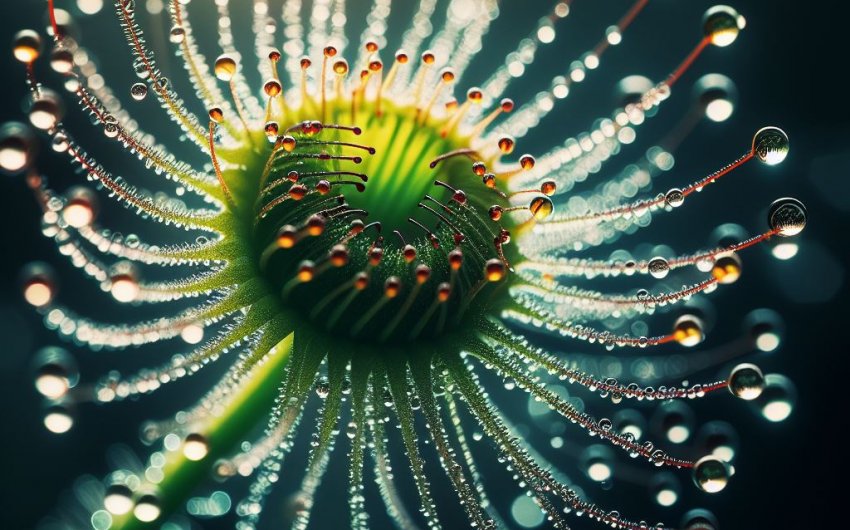
The Sundew plant is a fascinating carnivorous plant known for its sticky, dew-like tentacles that trap and digest insects, making it one of nature's most effective living flypapers. These captivating plants use their glistening droplets to lure unsuspecting prey, showcasing an extraordinary adaptation to nutrient-poor environments.
What is a Sundew Plant and How Does it Trap Insects?
A Sundew plant, scientifically known as Drosera, is a carnivorous plant belonging to the Droseraceae family. It's famous for its unique method of trapping insects using specialized leaves covered in glistening, sticky tentacles. These tentacles secrete a sugary, glue-like substance called mucilage, which looks like sparkling dewdrops, hence the name "Sundew." This sticky substance is irresistible to insects, acting as both a lure and a trap.
When an insect, like a fly or gnat, lands on the Sundew plant's leaves, it immediately gets stuck in the mucilage. The more the insect struggles, the more entrapped it becomes. The plant's tentacles often slowly bend inward to further secure the prey, maximizing contact with the digestive enzymes. This intricate trapping mechanism allows the Sundew plant to supplement its diet with nutrients, primarily nitrogen and phosphorus, which are often scarce in their natural boggy habitats.
The Sticky Secret: Mucilage and Tentacles
The captivating beauty of the Sundew plant comes from its numerous glandular tentacles. Each tentacle has a gland at its tip that produces and secretes the sticky mucilage. This sticky liquid serves several purposes:
- Lure: The glistening droplets mimic nectar or water, attracting insects.
- Trap: Once an insect touches the mucilage, it gets stuck.
- Digestion: The mucilage also contains digestive enzymes that begin to break down the soft tissues of the insect.
Different Sundew species have variations in their tentacle movements. Some species, like Drosera capensis (Cape Sundew), show rapid tentacle movement, curling around prey in minutes. Others, like the Petiolaris complex Sundews, have less dramatic movement but still effectively capture and digest their meals. This remarkable adaptation highlights the Sundew plant's evolutionary prowess in challenging environments.
Where Do Sundew Plants Naturally Grow?
Sundew plants are incredibly widespread, found on every continent except Antarctica. Their diverse range is a testament to their adaptability, though they typically thrive in specific types of environments that are rich in sunlight and moisture, but poor in soil nutrients.
Ideal Habitats for Sundews
Sundew plants are native to various boggy, marshy, and wetland habitats. These environments share common characteristics that are vital for Sundew survival:
- Nutrient-Poor Soil: This is the most critical factor. Sundews grow in acidic, nutrient-deficient soils, often composed of peat or sand. They evolved their carnivorous habits precisely because these soils lack essential nutrients like nitrogen, which most plants absorb from the ground. Instead, the Sundew plant gets these nutrients from the insects it digests.
- High Humidity and Moisture: Sundews need consistently moist conditions and high humidity. Their roots are often in waterlogged soil, and the air around them is usually damp. This is why they are frequently found near ponds, swamps, and bogs.
- Abundant Sunlight: Despite their preference for wet soil, most Sundew species require bright, direct sunlight to thrive. This helps them produce their characteristic sticky "dew" and grow vibrant coloration.
Global Distribution of Sundew Species
With over 200 recognized Sundew species, their natural habitats vary significantly depending on the species:
- North America: You can find Sundews in bogs and fens, especially along the East Coast, the Pacific Northwest, and parts of the Great Lakes region. Common species include Drosera rotundifolia (Round-leaved Sundew) and Drosera filiformis (Thread-leaved Sundew).
- Australia: Australia is a major hotspot for Sundew diversity, especially Western Australia, home to numerous unique species, including many pygmy and tuberous Sundews. These regions often experience dry summers and wet winters, which the Sundew plant has adapted to.
- South Africa: The Cape Sundew (Drosera capensis) is a very popular and resilient species originating from the Western Cape province of South Africa.
- Europe and Asia: Various Sundew species are found in bogs and heathlands across Europe and temperate Asia.
Understanding their natural habitat is key to successfully growing a Sundew plant at home, as they need specific conditions to thrive and exhibit their full "sticky marvel" potential.
What Are the Different Types of Sundew Plants?
The world of Sundew plants is incredibly diverse, with over 200 known species, each adapted to unique environments. They vary widely in size, shape, growth habit, and even their preferred climate. This rich variety contributes to the enduring appeal of the Sundew plant for enthusiasts.
Here are some of the main categories of Sundew species:
1. Temperate Sundews
These Sundew plants are native to temperate regions and experience distinct seasons, including a cold winter. They often form a hibernaculum (a compact, dormant bud) during colder months to survive.
- Drosera rotundifolia (Round-leaved Sundew): A classic example, forming rosettes of paddle-shaped leaves covered in red tentacles. Common in bogs across North America, Europe, and Asia.
- Drosera intermedia (Spatulate-leaved Sundew): Similar to D. rotundifolia but with more elongated, spoon-shaped leaves.
- Drosera filiformis (Thread-leaved Sundew): Known for its tall, erect, thread-like leaves covered in tentacles. This Sundew plant adds vertical interest.
2. Subtropical Sundews
These species prefer warmer climates with less drastic seasonal changes but still often have a dormant period during dry or less ideal conditions.
- Drosera capensis (Cape Sundew): Perhaps the most popular and easiest to grow Sundew plant, known for its long, strap-like leaves and vibrant red tentacles. It's a prolific grower and self-pollinator, making it a great beginner carnivorous plant. You can often find Cape Sundew Seeds available for purchase.
- Drosera adelae, Drosera prolifera, Drosera schizandra (Queensland Sundews): These "forked-leaf" or "lance-leaf" Sundews are found in the rainforests of Queensland, Australia. They prefer very high humidity and lower light compared to most other Sundews.
3. Tropical/Rosetted Sundews
These Sundews do not undergo dormancy and grow continuously in consistently warm and humid conditions. They often form attractive rosettes.
- Drosera spatulata (Spoon-leaved Sundew): A very variable and widespread Sundew plant, forming small, colorful rosettes. It's relatively easy to grow and comes in many forms.
- *Drosera 'Adelaide': A popular hybrid known for its robust growth and attractive rosettes.
4. Pygmy Sundews
Native almost exclusively to Western Australia, these are tiny Sundew plants, often less than 1 inch (2.5 cm) in diameter. They produce specialized asexual buds called gemmae for reproduction, especially after hot, dry summers.
- Drosera pygmaea: A common example of a pygmy Sundew plant, forming a miniature rosette. They are often grown in groups to create a "fairy garden" effect.
5. Tuberous Sundews
Also mostly from Western Australia, these Sundews have adapted to harsh dry summers by forming underground tubers, from which they regrow during the cooler, wetter winter months. They are some of the most challenging Sundew plant species to cultivate.
- Drosera zonaria (Zoned Sundew): A striking species with layered, circular leaves.
- Drosera macrantha (Large-flowered Climbing Sundew): One of the few climbing Sundew plant species, using its tendrils to ascend.
The incredible variety within the Drosera genus means there's a Sundew plant for almost every level of carnivorous plant enthusiast, each with its own unique charm and sticky allure.
How Do You Care for a Sundew Plant?
Caring for a Sundew plant successfully means mimicking its natural boggy habitat. While different species have slightly varied needs, some fundamental rules apply across the board. Providing the right conditions ensures your Sundew thrives, produces plenty of sticky dew, and effectively catches insects.
1. Water Quality is Paramount
This is arguably the most critical factor for a Sundew plant.
- Type of Water: Sundews require distilled water, rainwater, or reverse osmosis (RO) water. Tap water, even filtered, contains dissolved minerals that will build up in the soil and eventually kill the plant by "burning" its roots.
- Watering Method: Keep the soil consistently moist. The most common and effective method is the "tray method," where you place the Sundew plant's pot in a tray filled with about 1-2 inches (2.5-5 cm) of pure water. Allow the tray to dry out slightly before refilling to prevent root rot. Never let the pot sit dry for long.
2. Light Requirements
- Bright, Direct Light: Most Sundew species thrive in bright, direct sunlight. South-facing windows are often ideal. Insufficient light will result in a lack of dew production and poor coloration.
- Grow Lights: If natural light isn't enough, especially during winter months or in northern climates, a good quality LED grow light can provide the necessary intensity. Look for full-spectrum grow lights that simulate natural sunlight. A good option might be a LED Grow Light for Carnivorous Plants.
3. Potting Mix
- Nutrient-Free and Well-Draining: The potting mix must be low in nutrients and provide excellent drainage while retaining moisture.
- Recommended Mix: A common and effective mix is a 1:1 or 2:1 ratio of sphagnum peat moss (not regular potting mix with added fertilizers) and perlite or horticultural sand. Never use enriched potting soil or compost for a Sundew plant.
- Pots: Use plastic pots, as terracotta can leach minerals into the soil. Pots with drainage holes are essential for the tray method.
4. Humidity and Air Circulation
- High Humidity: While many Sundew species can tolerate moderate humidity, most prefer high humidity (50-80% or more). This helps them produce more dew and prevents their delicate tentacles from drying out. A simple pebble tray with water can help, or for tropical species, a terrarium might be beneficial.
- Good Air Circulation: Crucial to prevent fungal issues, especially in high-humidity environments. Don't let the air become stagnant.
5. Feeding Your Sundew
- No Fertilizers: Never fertilize your Sundew plant through the soil. They are adapted to nutrient-poor conditions, and fertilizers will kill them.
- Insect Food: In most indoor environments, your Sundew will catch enough small insects (fruit flies, gnats) on its own. If your house is very bug-free, you can feed it small insects (e.g., rehydrated bloodworms or fish flakes) once every 2-4 weeks. Ensure the insect is small enough for the plant to fully digest.
6. Dormancy (for Temperate Species)
- Cool Period: Temperate Sundew species require a dormant period during winter. As temperatures drop and daylight hours shorten, they will stop producing dew and form a hibernaculum. During this time, reduce watering slightly but still keep the soil moist, and keep them in a cool location (e.g., unheated garage or fridge). Without dormancy, these species will weaken and eventually die.
By following these guidelines, you can ensure your Sundew plant remains a beautiful, sticky marvel in your collection, actively trapping pests and fascinating all who see it.
Why Do Sundew Plants Need to Eat Insects?
The Sundew plant's carnivorous diet is a remarkable evolutionary adaptation, not a quirk. It's a survival strategy driven by the very specific, challenging environments where these plants naturally thrive. Unlike most plants that absorb all their necessary nutrients from the soil through their roots, the Sundew plant has adapted to soils that are severely lacking in crucial elements.
The Problem: Nutrient-Poor Soils
Sundew plants grow in bogs, fens, and other wetland areas. These habitats are characterized by:
- Acidic Conditions: The low pH in bog soils makes many nutrients unavailable to plants.
- Waterlogging: The constantly wet, oxygen-poor soil inhibits the decomposition of organic matter, meaning nutrients aren't released back into the soil effectively.
- Low Nitrogen and Phosphorus: These are two of the most vital macronutrients for plant growth, essential for building proteins, DNA, and other cellular components. In boggy environments, they are incredibly scarce.
If a regular plant tried to grow in these conditions, it would quickly suffer from severe nutrient deficiencies and die.
The Solution: Carnivory
Since the roots of the Sundew plant can't get enough nutrients from the soil, the plant developed a way to obtain them from an alternative source: insects.
- Supplementing Essential Nutrients: When a Sundew traps and digests an insect, it absorbs the nitrogen, phosphorus, and other trace elements (like potassium, calcium, and magnesium) that were present in the insect's body. These nutrients are then used by the plant for growth, development, and overall health.
- Energy Production: It's important to note that the Sundew plant still performs photosynthesis (using sunlight to create sugars for energy). The insects are not an energy source, but rather a nutrient supplement for growth and survival. Think of it like a vitamin pill for the plant.
- Competitive Advantage: In nutrient-poor environments, carnivorous plants have a distinct advantage over non-carnivorous plants because they have access to a food source that others don't. This allows them to thrive where other plants cannot.
Without consuming insects, a Sundew plant would slowly decline, grow poorly, and eventually fail to thrive due to a lack of essential building blocks for its cells and tissues. The sticky, dewy tentacles are not just a fascinating display; they are a vital tool for the Sundew plant's very survival in a harsh world.
Can Sundew Plants Be Grown Indoors?
Absolutely! Many Sundew plant species make excellent and captivating houseplants, bringing a touch of the wild bog into your home. In fact, for many species, growing them indoors in controlled conditions can be easier than replicating their outdoor habitat in temperate zones. Their unique appearance and active bug-catching abilities make them a truly engaging addition to any collection.
Best Sundew Species for Indoor Growing
Some Sundew species are particularly well-suited for beginners and indoor environments due to their hardiness and less stringent dormancy requirements.
- Drosera capensis (Cape Sundew): This is by far the most recommended Sundew plant for beginners. It's incredibly forgiving, grows quickly, and doesn't require a strict dormancy period (though it can benefit from one). It's also a prolific self-pollinator, meaning you'll often get seeds for new plants.
- Drosera spatulata (Spoon-leaved Sundew): Another excellent choice, this small, colorful Sundew forms attractive rosettes and is quite adaptable to varying conditions.
- Drosera adelae, Drosera prolifera, Drosera schizandra (Queensland Sundews): These are tropical Sundew plants that thrive in very high humidity, making them ideal for terrariums or humid indoor spaces.
- Some Pygmy Sundews: While tiny, some pygmy species like Drosera adelae can also do well indoors if humidity and light are high.
Essential Indoor Growing Conditions
To successfully grow a Sundew plant indoors, you'll need to replicate the key elements of their natural habitat:
- Water: Use only distilled water, rainwater, or reverse osmosis (RO) water. Keep the pot sitting in about 1 inch (2.5 cm) of this pure water in a tray. This is non-negotiable.
- Light: Provide plenty of bright, direct light. A sunny south-facing window is often sufficient, especially for species like D. capensis. However, most indoor growers benefit from a Full Spectrum LED Grow Light to ensure vigorous growth and strong dew production, particularly during shorter winter days.
- Potting Medium: Plant your Sundew plant in a mix of nutrient-free sphagnum peat moss and perlite or horticultural sand (a 1:1 or 2:1 ratio is common). Never use regular potting soil.
- Humidity: While some Sundews are tolerant, higher humidity (above 50%) is generally beneficial for better dew production. A humidity dome or a small terrarium can help if your indoor air is very dry.
- Temperature: Most indoor Sundews are happy in typical room temperatures, generally between 65-80°F (18-27°C). Avoid extreme heat or cold.
- Feeding: Your indoor Sundew plant will likely catch small household pests like gnats or fruit flies. If not, you can feed it small, dead insects (like dried bloodworms, rehydrated) about once a month.
With the right setup, growing a Sundew plant indoors can be a very rewarding experience, allowing you to observe its incredible insect-trapping abilities up close.
What Common Problems Do Sundew Plants Face, and How Can You Fix Them?
Even with the best intentions, Sundew plants can sometimes encounter problems. Understanding these common issues and their solutions is key to keeping your sticky marvel healthy and thriving. Most problems stem from incorrect environmental conditions, so troubleshooting often involves adjusting their living space.
1. Lack of "Dew" (Sticky Mucilage)
This is the most common and immediate sign that your Sundew plant is unhappy.
- Cause:
- Insufficient Light: This is the primary reason. Not enough bright, direct light will cause the plant to stop producing dew.
- Low Humidity: Very dry air can cause the existing dew to evaporate quickly or prevent new dew from forming.
- Stress: Recent repotting, shipping, or drastic environmental changes.
- Tap Water: Mineral buildup from tap water can poison the plant and inhibit dew production.
- Solution:
- Increase Light: Move to a brighter location or add a strong LED grow light. Aim for at least 4-6 hours of direct sun or 12-14 hours under a grow light.
- Increase Humidity: Use a humidity dome, pebble tray, or place the plant in a terrarium (ensure good air circulation).
- Use Pure Water: Immediately switch to distilled water, rainwater, or RO water. Flush the soil thoroughly with pure water to try and leach out accumulated minerals.
- Allow for Acclimation: Give the plant time to adjust after changes.
2. Brown or Blackening Leaves/Tentacles
This indicates plant stress or dying tissue.
- Cause:
- Mineral Buildup (Tap Water): The most serious cause. Minerals "burn" the roots and leaves.
- Over-fertilization: Never fertilize a Sundew plant through the soil.
- Fungal Rot: Too much stagnant moisture, especially in a humid, low-air-circulation environment, can lead to fungal issues.
- Dormancy: For temperate species, browning leaves are normal as they enter dormancy and form a hibernaculum.
- Aging Leaves: Older outer leaves naturally brown and die off as new ones grow.
- Solution:
- Flush Soil: If using tap water, immediately switch to pure water and flush the soil thoroughly by pouring plenty of pure water through the pot.
- Improve Air Circulation: If rot is suspected, increase air movement around the plant. You might need to remove severely rotted leaves.
- Normal Dormancy: Understand the dormancy requirements for your specific Sundew species.
3. Pests (Though Rare)
Sundew plants are natural pest controllers, but they can still get certain pests.
- Cause:
- Aphids or Mealybugs: These can sometimes attach to the underside of leaves or stems.
- Fungus Gnats: While the Sundew eats these, a severe infestation can still be annoying.
- Solution:
- Manual Removal: For small infestations, gently wipe off pests with a cotton swab dipped in rubbing alcohol (avoiding the dew).
- Insecticidal Soap (with caution): Use a very dilute solution of insecticidal soap as a last resort, ensuring it's safe for carnivorous plants. Always test on a small area first.
- Predatory Mites: For persistent issues, introduce beneficial insects.
4. Root Rot
- Cause: Soil stays too waterlogged and lacks oxygen for too long, especially with poor drainage or stagnant water.
- Solution: Ensure good drainage in the pot. Allow the water in the tray to dry out slightly before refilling. If the plant is severely affected, repot into fresh, well-draining media.
By paying close attention to these common issues and making timely adjustments, you can keep your Sundew plant happy, healthy, and glistening with its signature sticky marvel.
What is the Lifespan of a Sundew Plant?
The lifespan of a Sundew plant can vary significantly depending on the species and the growing conditions. Some species are annuals, living for only one growing season, while others can be perennial, living for many years if properly cared for. Understanding the typical lifespan for your specific Sundew helps in long-term care and management.
Short-Lived Species (Annuals)
Some Sundew species, particularly those from regions with very distinct wet and dry seasons (like certain parts of Australia), are annuals.
- Characteristics: These Sundews grow, flower, and produce seeds rapidly during favorable conditions (e.g., a wet season). As conditions become harsh (e.g., dry season), the parent plant dies, leaving behind seeds to sprout when favorable conditions return.
- Examples: Many of the "pygmy" and "tuberous" Sundew species in their natural habitats behave like annuals, even if the tubers can persist.
Long-Lived Species (Perennials)
Many Sundew plants, especially the tropical and temperate species commonly grown by hobbyists, are perennials. With proper care, they can live for several years, even decades in some cases.
- Characteristics: These plants go through periods of active growth and sometimes dormancy (for temperate species). They continue to grow and produce new leaves and often offsets (new plantlets from the base) or form clumps over time.
- Examples:
- Drosera capensis (Cape Sundew): This is one of the most long-lived and robust Sundew plant species. It can live for 5-10 years or even longer indoors with good care. It often produces "trunks" as older leaves die off and new ones grow from the top.
- Drosera spatulata: Another relatively long-lived species, typically thriving for several years.
- Temperate Sundews: Species like Drosera rotundifolia can live for many years in their natural bog environments, forming new hibernacula each winter.
Factors Affecting Lifespan
Several factors influence how long a Sundew plant will live:
- Care and Conditions: Consistent and correct care (pure water, proper light, suitable potting mix) is the single most important factor for maximizing a Sundew's lifespan. Incorrect conditions will quickly lead to decline.
- Dormancy (for Temperate Species): For temperate species, providing the necessary cool dormancy period is crucial for their long-term health and survival. Without it, they will exhaust themselves and die prematurely.
- Species-Specific Genetics: Some species are simply genetically predisposed to be annuals or have shorter lifespans than others.
- Pest and Disease Control: While generally robust, severe infestations or fungal infections can shorten a Sundew plant's life.
In conclusion, while some Sundew plants are short-lived, many can be enjoyed for many years as captivating additions to your indoor garden, continually showcasing their sticky, insect-trapping abilities.
The Fascinating Science Behind Sundew Digestion
The moment an insect is caught by a Sundew plant's sticky tentacles, a sophisticated digestive process begins. This process is a marvel of plant biology, allowing the Sundew to extract vital nutrients from its prey.
The Role of Digestive Enzymes
Once an insect is securely trapped in the mucilage, the Sundew plant starts to release a cocktail of digestive enzymes from the glands at the tips of its tentacles and often from the surface of its leaf as well. These enzymes are similar to those found in animal digestive systems.
Key enzymes involved include:
- Proteases: These enzymes break down proteins, which are abundant in the insect's body. This process releases amino acids, which the plant can then absorb.
- Chitinases: Chitin is the primary component of an insect's exoskeleton. Chitinase enzymes help to break down this tough outer shell, allowing access to the softer, nutrient-rich tissues inside.
- Phosphatases: These enzymes release phosphorus from organic compounds in the insect.
- Nucleases: These break down nucleic acids (DNA and RNA).
The mucilage itself also plays a role beyond just trapping; it provides a moist environment for these enzymes to work effectively.
Nutrient Absorption
As the enzymes break down the insect, the resulting simpler molecules (amino acids, phosphates, trace minerals) are then absorbed by specialized cells on the surface of the Sundew plant's leaves. These cells are equipped to take in these nutrients, which are then transported throughout the plant for growth and development. The plant typically leaves behind only the indigestible parts of the insect, such as the hard exoskeleton.
Why Not Just Absorb from Soil?
As previously discussed, the Sundew plant has evolved this method because the soils in its natural habitat are extremely poor in essential nutrients, particularly nitrogen and phosphorus. While a Sundew still has roots to anchor itself and absorb water, these roots are not designed to efficiently extract nutrients from the barren soil. The carnivorous habit provides a crucial workaround for this environmental limitation.
The speed of digestion depends on the size of the insect, the Sundew species, and environmental conditions, but it can range from a few days to over a week. After digestion, the tentacles often unfurl, and any remaining undigested bits may blow away, leaving the trap ready for its next meal. This incredible digestive ability makes the Sundew plant a truly self-sufficient and fascinating member of the plant kingdom.
How to Propagate Sundew Plants?
Propagating Sundew plants can be a rewarding experience, allowing you to multiply your collection or share these unique plants with others. Many Sundew species are surprisingly easy to propagate, even for beginners. Here are some common and effective methods:
1. Seed Propagation
Many Sundew species produce viable seeds, especially the self-pollinating ones like Drosera capensis.
- Collection: Collect seeds once flower stalks dry and turn brown. Tiny black seeds will be visible.
- Sowing: Sprinkle the seeds lightly on the surface of your preferred Sundew potting mix (peat and perlite). Do not bury them, as many Sundew seeds need light to germinate.
- Conditions: Keep the pot consistently moist using the tray method with pure water. Provide bright light and warm temperatures (70-80°F or 21-27°C).
- Germination: Germination can take anywhere from a few weeks to several months, depending on the species. Some temperate seeds may require cold stratification (a period of cold, moist conditions) to break dormancy.
- Patience: Seedlings are tiny at first, so patience is key. A good option is Carnivorous Plant Seed Starter Kit.
2. Leaf Cuttings
This is one of the easiest and most successful methods, especially for many rosette-forming and strap-leaved Sundews like Drosera capensis and Drosera spatulata.
- Method:
- Gently pull a healthy, dew-covered leaf from the base of the plant. Ensure the very bottom (white part) of the leaf is intact.
- Cut the leaf into smaller pieces (optional, for more plants, but whole leaves work too).
- Lay the leaf pieces flat on a bed of moist sphagnum peat moss or long-fiber sphagnum moss.
- Cover the container with a clear lid or plastic wrap to create high humidity, like a mini-greenhouse.
- Place in bright, indirect light.
- Results: In a few weeks to months, tiny plantlets will form along the edges of the leaf sections. Once they are large enough to handle, you can gently separate them and pot them individually.
3. Root Cuttings
Some Sundew species can also be propagated from root cuttings, particularly those with thicker roots.
- Method: During repotting, carefully cut a healthy, thick root into 1-2 inch (2.5-5 cm) sections. Lay these sections horizontally on the surface of moist sphagnum peat moss or a peat/sand mix, partially burying them.
- Conditions: Maintain high humidity and bright light.
- Results: New plantlets will sprout from the root sections over time.
4. Gemmae (for Pygmy Sundews)
Pygmy Sundews have a unique method of asexual reproduction using gemmae.
- Collection: In late autumn/early winter (in the Southern Hemisphere, or corresponding period in cultivation), pygmy Sundews produce tiny, crescent-shaped reproductive buds called gemmae in their centers.
- Sowing: Gently remove the gemmae using a toothpick or fine paintbrush and sprinkle them onto the surface of a moist peat/sand mix.
- Results: These gemmae sprout rapidly into new miniature Sundew plants, offering a quick way to multiply your pygmy collection.
5. Division
For clumping Sundew species that produce multiple growth points or plantlets at their base, you can simply divide the plant during repotting.
- Method: Carefully separate the individual plantlets, ensuring each has its own root system, and pot them separately.
Propagation methods vary in success rates depending on the Sundew species and your growing conditions. Experimentation is part of the fun of growing these fascinating carnivorous plants.
Are Sundew Plants Safe for Pets and Children?
While Sundew plants are incredibly fascinating and generally low-risk, it's natural to wonder about their safety, especially if you have curious pets or young children around. The good news is that Sundew plants are generally considered non-toxic.
Non-Toxic Nature
- No Known Toxins: There are no known reports or scientific evidence suggesting that Sundew plants contain compounds toxic to humans or common pets (like cats or dogs).
- Digestive Enzymes: The digestive enzymes they produce are very mild and designed to break down insect tissues, not to cause harm to larger organisms. They would not cause irritation if a small amount were ingested or touched.
- Sticky Mucilage: The "dew" is sticky and might be a little messy if touched, but it's not harmful. It's primarily a sugary substance that acts as glue.
Potential (Minor) Concerns
Despite being non-toxic, there are a few minor considerations:
- Choking Hazard (for very young children/small pets): While the plant itself isn't toxic, ingestion of plant material could pose a minor choking risk for very small children or curious pets who might try to eat a large piece.
- Ingestion of Insects: If a pet were to eat a Sundew plant that had recently caught and started digesting a fly, the insect itself (or parts of it) might be ingested. This is generally harmless but might cause a very mild, temporary stomach upset in sensitive pets, similar to eating any other bug.
- Potting Medium: The potting medium (peat moss, perlite) is also generally non-toxic, but ingestion of a large amount could cause mild digestive upset.
- Curiosity and Damage: The main concern is usually that pets or children might damage the delicate Sundew plant out of curiosity, rather than the plant harming them. Sticky tentacles might get pulled off, or leaves might be broken.
Recommendations
- Supervision: As with any houseplant, it's always wise to supervise very young children and pets to prevent them from chewing on plants, simply to avoid accidental damage to the plant or minor digestive upset.
- Placement: Consider placing your Sundew plant in an area that's out of reach of curious hands or paws if you're concerned about them getting too close. A high shelf or a closed terrarium can be ideal.
- Education: For older children, the Sundew plant can be an excellent educational tool, teaching them about carnivorous plants, ecosystems, and biology. Explain that the plant eats bugs, but it's not dangerous to people or pets.
In summary, you can generally enjoy your Sundew plant without major safety concerns regarding toxicity. They are beautiful, unique additions to the home that pose very little risk.
The Role of Sundews in Their Ecosystem
Beyond being captivating garden residents, Sundew plants play a vital and often understated role in their natural ecosystems. Their presence and specific adaptations contribute to the health and balance of their unique wetland habitats.
Natural Pest Control
- Insect Population Regulation: In bogs and fens, where many insects thrive (especially mosquitoes and gnats), Sundew plants act as natural insectivores. By consistently trapping and consuming a variety of small insects, they contribute to regulating local insect populations. This can be particularly noticeable in areas with high densities of Sundew plants.
- Food Web Component: While they are predators, they also become part of the food web. Larger organisms might occasionally feed on Sundew plants (though they are not a primary food source for most), and the digested nutrients they release back into the ecosystem upon their death can subtly enrich the very soil they struggled to survive in.
Indicators of Ecosystem Health
- Specialized Habitat: Sundew plants are highly specialized and require very specific environmental conditions (acidic, nutrient-poor soil, high moisture, good light). Their presence in an area often indicates a healthy, undisturbed bog or fen ecosystem.
- Environmental Sensitivity: Because they are so particular, Sundew populations can be sensitive indicators of environmental changes. Pollution, changes in water levels, or habitat destruction can quickly impact Sundew plant populations, signaling degradation of the wetland.
Biodiversity Contribution
- Unique Adaptations: As a diverse genus of carnivorous plants, Sundews contribute significantly to the overall biodiversity of their habitats. Their unique trapping mechanisms and adaptations to extreme environments represent a fascinating evolutionary pathway.
- Microhabitats: The dense rosettes of some Sundew species can create tiny microhabitats for other small organisms, contributing to the complexity of the ecosystem.
Pioneer Species
- Colonization of Disturbed Areas: In some cases, certain Sundew species can act as pioneer plants, colonizing newly disturbed or open areas in bogs, helping to stabilize the soil and pave the way for other plant species.
While a single Sundew plant might seem small, collectively, their impact on the dynamics of bog ecosystems is significant. They are not just curiosities; they are integral components of their unique natural world, maintaining balance and showcasing the incredible adaptability of life. The next time you gaze at a glistening Sundew plant, remember the vast ecological role this sticky marvel plays.