
The Japanese Pagoda Tree: A Fertile Showy Shade Tree for Any Garden
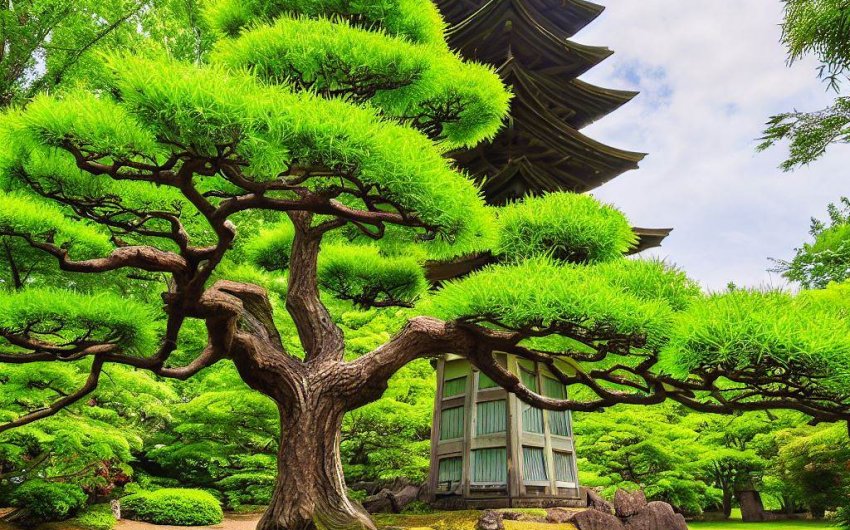
The Japanese Pagoda Tree (Styphnolobium japonicum, formerly Sophora japonica) is indeed a showy, fertile shade tree suitable for many gardens, prized for its late summer blooms, attractive foliage, and adaptability. While it provides ample shade and ornamental appeal, its fertility and the subsequent seed pods are a key characteristic to consider when planting.
What makes the Japanese Pagoda Tree so distinctive?
The Japanese Pagoda Tree (Styphnolobium japonicum), despite its name, is native to China and Korea, not Japan, where it was introduced centuries ago. It stands out in the landscape for its elegant, somewhat rounded crown, attractive compound leaves, and most notably, its spectacular display of creamy white flowers in late summer, a time when most other trees have finished blooming. Its unique seed pods also add winter interest.
What are the key ornamental features of this tree?
- Late summer blooms: Masses of fragrant, pea-like, creamy white flowers appear in large panicles (up to 12 inches long) in July and August, attracting pollinators.
- Attractive foliage: Compound leaves with numerous oval leaflets provide a fine texture and cast a medium-dense shade.
- Distinctive seed pods: Develop into unusual, bead-like, yellowish-green pods that hang on the tree well into winter, resembling strings of pearls.
- Adaptable growth: Tolerates a wide range of urban conditions once established.
- Good shade tree: Provides a broad, spreading canopy, offering excellent shade.
What are the common names for Styphnolobium japonicum?
The Japanese Pagoda Tree has several common names, which can sometimes lead to confusion. Besides its most popular moniker, it's also known as:
- Scholar Tree: Reflecting its traditional association with scholarly pursuits in its native lands.
- Chinese Scholar Tree: A more accurate geographical descriptor.
- Sophora japonica: Its former botanical name, still widely used in horticultural contexts.
What are the ideal growing conditions for a Japanese Pagoda Tree?
To ensure your Japanese Pagoda Tree thrives and provides ample shade and spectacular blooms, understanding its preferred growing conditions is crucial. It's a remarkably tough and adaptable tree, making it a good choice for various landscapes.
How much sun does a Japanese Pagoda Tree need?
Japanese Pagoda Trees require full sun for optimal growth and flowering. This means at least 6-8 hours of direct sunlight per day. While they can tolerate light partial shade, too much shade will result in reduced flowering and a less vigorous, more open canopy.
What kind of soil does it prefer?
This tree is adaptable to a wide range of soil types, but it prefers well-drained soil that is deep and fertile. It can tolerate:
- Clay soil: If drainage is adequate.
- Sandy soil: If amended with organic matter to retain some moisture.
- Acidic to alkaline pH: Tolerates a pH range from 6.0 to 8.0.
Good drainage is important to prevent root rot, though it can withstand temporary flooding better than some trees once established.
What climate zones are suitable for this tree?
The Japanese Pagoda Tree is hardy in USDA Zones 4-8. This makes it a versatile tree for many temperate climates, capable of withstanding cold winters and hot summers. It performs well in urban environments due to its tolerance for pollution and drought once established.
How do you plant a Japanese Pagoda Tree correctly?
Proper planting techniques are essential to give your Japanese Pagoda Tree a strong start and ensure its long-term health and structural stability. This process is similar to planting most deciduous shade trees.
What are the steps for planting a Japanese Pagoda Tree?
- Choose the right location: Select a spot with full sun and good drainage, keeping in mind the tree's mature size (30-50 feet tall and wide). Ensure it's not too close to buildings, utility lines, or septic systems.
- Dig the hole: Dig a planting hole that is two to three times wider than the root ball and just as deep as the root ball. The goal is to provide plenty of loosened soil for roots to spread.
- Prepare the tree: Gently remove the tree from its container or burlap. Inspect the root ball; if roots are circling tightly, gently tease them apart or make a few vertical cuts with a clean knife to encourage outward growth.
- Place the tree: Position the tree in the center of the hole so that the root flare (where the trunk widens at the base) is level with or slightly above the surrounding soil surface. This is critical to prevent future problems like girdling roots.
- Backfill: Backfill the hole with the excavated soil, gently tamping it down to remove large air pockets. Do not heavily amend the backfill soil with rich compost unless your native soil is extremely poor, as this can discourage roots from growing out into the native soil.
- Water deeply: Water thoroughly immediately after planting to settle the soil around the roots.
- Mulch: Apply a 2-4 inch layer of organic mulch (like wood chips or shredded bark) over the root zone, extending out to the drip line, but keep it 6-12 inches away from the trunk to prevent rot. A tree ring mulch barrier can help maintain separation.
- Staking (optional): Only stake if necessary (e.g., in very windy areas or if the root ball is unstable), and remove stakes after one year.
How much water does a Japanese Pagoda Tree need?
While established Japanese Pagoda Trees are remarkably drought-tolerant, consistent watering is essential during their establishment period.
How often should you water a newly planted Japanese Pagoda Tree?
Newly planted Japanese Pagoda Trees need regular and consistent watering for their first 2-3 years to establish a strong root system. Water deeply 2-3 times a week, ensuring the soil remains consistently moist but not waterlogged. The goal is to soak the entire root ball.
How much water do established trees need?
Once established (after 2-3 years), Japanese Pagoda Trees are very drought-tolerant and often require little to no supplemental watering, especially in areas with regular rainfall. However, during prolonged periods of extreme heat and drought, deep watering once every few weeks can be beneficial. A soil moisture meter can help you gauge the soil's dampness.
Does a Japanese Pagoda Tree need fertilizer?
Japanese Pagoda Trees are legumes (a type of plant that can fix nitrogen in the soil) and are generally not heavy feeders. They often thrive with minimal or no supplemental fertilization, especially if planted in reasonably fertile soil.
When should you fertilize a Japanese Pagoda Tree?
- Established trees: If your soil is very poor or you notice significantly slow growth and pale foliage, a light application of a balanced, slow-release granular tree fertilizer in early spring can be beneficial.
- New plantings: Avoid fertilizing newly planted trees for their first year.
Always base fertilization decisions on a soil test to avoid over-fertilizing, which can cause more harm than good. Follow the instructions on the fertilizer product label for proper application rates.
How do you prune a Japanese Pagoda Tree?
Pruning the Japanese Pagoda Tree is crucial for developing a strong central leader, maintaining a desirable shape, and ensuring good structural integrity. Early training is especially important due to its naturally somewhat brittle wood.
When is the best time to prune this tree?
The best time for major pruning is in late winter or early spring while the tree is dormant. This allows for clear visibility of the tree's structure and minimizes stress on the tree before its active growth phase. Light corrective pruning can be done at other times if necessary.
What are key pruning techniques for Japanese Pagoda Trees?
- Establish a central leader: Early on, prune to establish a single, strong central trunk to guide vertical growth.
- Develop strong branch angles: Encourage wide-angled branches, as narrow crotch angles can be weak and prone to splitting, especially with the tree's somewhat brittle wood. Remove any branches with included bark.
- Remove crossing or rubbing branches: These can create wounds and entry points for disease.
- Remove dead, diseased, or damaged branches: This can be done at any time of year.
- Clearance pruning: Remove lower branches to provide clearance for pedestrians, vehicles, or structures.
- Thinning (if needed): In older trees, selectively thin the canopy to improve light penetration and air circulation, but avoid over-thinning.
Always use clean, sharp pruning shears, loppers, or saws and make proper cuts just outside the branch collar.
What common problems affect Japanese Pagoda Trees?
While the Japanese Pagoda Tree is generally tough and adaptable, it can face a few problems, especially if grown in less-than-ideal conditions or when stressed.
What pests might attack a Japanese Pagoda Tree?
- Leafhoppers: Can cause stippling (tiny white dots) on leaves.
- Caterpillars: May feed on foliage.
- Borers: Can attack stressed trees, tunneling into trunks and branches.
How do you treat pests on Japanese Pagoda Trees?
- Strong water spray: For minor leafhopper or caterpillar infestations, a strong blast of water can dislodge them.
- Insecticidal soap/Neem oil: For more persistent soft-bodied pests.
- Good cultural practices: A healthy, vigorous tree is the best defense against borers.
What diseases can affect Japanese Pagoda Trees?
- Canker diseases: Fungal diseases that cause sunken, discolored lesions on bark, leading to dieback. Often enter through wounds.
- Wilt diseases: Less common but can occur, causing sudden wilting and decline.
- Root rot: In poorly drained, consistently wet soils.
How do you prevent and treat diseases?
- Proper planting and drainage: Ensure excellent drainage to prevent root rot.
- Avoid wounding: Be careful during lawn care and pruning to prevent bark damage.
- Sterilize tools: Always use clean, sharp pruning tools to prevent disease spread.
- Remove diseased wood: Prune out cankered or wilting branches immediately.
- Maintain overall tree health: A healthy tree is more resistant to disease.
Are there any concerns with the Japanese Pagoda Tree's fertility and seed pods?
The fertility of the Japanese Pagoda Tree, leading to its distinctive seed pods, is one of its notable features but also a potential consideration for gardeners.
What are the seed pods like?
The seed pods are a unique visual feature, appearing as greenish-yellow, bead-like strings that can persist on the tree well into winter. Each pod segment contains a single bean-like seed.
Are the seeds or pods messy or toxic?
- Mess: The falling pods in late winter or early spring can create a significant litter problem, especially on patios, driveways, or lawns, potentially requiring cleanup.
- Toxicity: The seeds (and to a lesser extent, other parts of the tree) are considered toxic if ingested, especially by humans and some livestock, potentially causing nausea, vomiting, and diarrhea. This is an important consideration if you have children or pets that might be tempted to chew on them.
Can you manage the seed pod issue?
- Cultivar selection: Consider planting a seedless or low-seed cultivar if available (e.g., 'Regent' or 'Princeton Upright').
- Pruning: While you can't prevent flowering, careful pruning can help control the overall density of flowering branches.
- Cleanup: Be prepared for seasonal cleanup of fallen pods.
The Japanese Pagoda Tree is indeed a striking and versatile shade tree, offering beautiful late-season flowers and attractive foliage. By understanding its specific needs for sun and well-drained soil, practicing correct planting and pruning, and being mindful of its abundant, sometimes messy, and toxic seed pods, you can successfully cultivate this magnificent tree to enhance your garden for decades.