
Top Tips for Growing Tomatoes in a Summer Heatwave
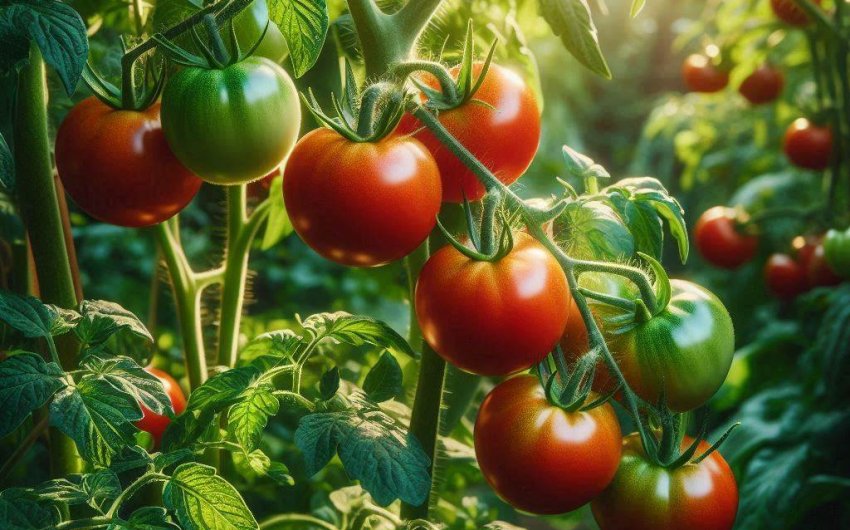
There's nothing quite like a sun-ripened tomato fresh from the garden. But when summer brings a scorching heatwave, your dreams of juicy red fruits can quickly turn into a nightmare of wilting plants and no production. Growing tomatoes in a summer heatwave can be challenging, but it's absolutely possible to help your beloved plants survive and even thrive, giving you a delicious harvest.
This guide will give you the top tips for protecting your tomato plants when the temperatures climb. We'll cover everything from smart watering to providing shade, helping you keep those tomatoes coming even in the dog days of summer.
Understanding Heatwave Stress on Tomatoes
Tomatoes are warm-season plants, meaning they love heat. But there's a limit! When temperatures get too high, they stop doing their job and start stressing out. Knowing why this happens is the first step to helping them.
What Happens to Tomatoes in Extreme Heat?
Most tomato varieties prefer daytime temperatures between 70-85°F (21-29°C). When temperatures consistently go above 90°F (32°C), especially for several days, your plants go into survival mode.
- Flower Drop (Blossom Drop): This is one of the most common issues. When it's too hot, tomato flowers may dry up and fall off before they are pollinated or set fruit. The pollen itself can become infertile at high temperatures. This means fewer or no tomatoes.
- Poor Pollination: Even if flowers don't drop, the pollen can become sticky and unusable when temperatures are too high (especially above 95°F/35°C during the day or 75°F/24°C at night). This leads to flowers that are pollinated poorly or not at all.
- Sunscald on Fruits: Direct, intense sunlight can literally "sunburn" the ripening fruits, causing pale, tough, or even rotting spots. This is common on fruits exposed without leaf cover.
- Reduced Photosynthesis: While they love sun, extreme heat can actually slow down photosynthesis (the process by which plants make food). This means less energy for growth and fruit production.
- Increased Water Demand: Plants transpire (release water vapor) more rapidly in the heat, demanding huge amounts of water from the soil to stay hydrated and cool.
- Nutrient Imbalances: Heat stress can make it harder for plants to absorb nutrients, even if they're present in the soil. This can lead to problems like blossom end rot.
Smart Watering Strategies
Water is your plants' lifeline during a heatwave. How you water is just as important as how much.
1. Water Deeply and Consistently
- Deep Soaks: Don't just give your tomato plants a light sprinkle. Water slowly and deeply so that the water penetrates 6-12 inches into the soil. This encourages roots to grow deeper, making them more resilient and able to access moisture even when the topsoil dries out quickly.
- Consistency is Key: Avoid cycles of extreme wet and then extreme dry. Inconsistent watering is a major cause of blossom end rot in tomatoes. Aim to keep the soil consistently moist, like a wrung-out sponge.
- Check Soil Moisture: Use your finger to check the soil a few inches down. If it feels dry, it's time to water. A soil moisture meter can also give you a precise reading.
- How Much?: Mature tomato plants can need 1-2 gallons of water per day in a severe heatwave. Adjust based on your soil type and plant size.
2. Water at the Right Time
- Early Morning is Best: The ideal time to water is in the early morning, before 10 AM.
- Less Evaporation: Temperatures are cooler, and winds are calmer, so less water evaporates into the air.
- Max Absorption: Plants have all day to absorb the water before the heat stress of the afternoon sets in.
- Dry Foliage: Leaves have time to dry before nightfall, reducing the risk of fungal diseases.
- Avoid Midday: Never water in the middle of the day. Most of the water will evaporate before it reaches the roots, and water droplets on leaves can act like tiny magnifying glasses, scorching the foliage.
- Avoid Evening: While better than midday, watering in the evening can leave foliage wet overnight, which promotes fungal diseases. If you must water in the evening (e.g., if you missed the morning), aim the water directly at the base of the plant to keep leaves dry.
3. Use Efficient Watering Methods
- Drip Irrigation / Soaker Hoses: These systems deliver water slowly and directly to the roots, minimizing evaporation and runoff. They are incredibly efficient for tomato plants. A basic drip irrigation kit can save a lot of time and water. You can also use a soaker hose snaked around the base of your plants.
- Hand Watering with Intent: If you hand water, aim your hose or watering can at the base of the plant, letting the water soak in slowly. A good watering wand can help you direct water precisely.
- Watering Globes/Spikes: For individual plants, self-watering globes or spikes connected to plastic bottles can provide a slow, steady drip, but be sure they deliver enough water.
- Ollas (Ancient Technique): These are unglazed clay pots buried in the soil near plants. Water is poured into the olla, and it slowly seeps out through the porous clay, directly to the roots. It's a very efficient method. You can find ollas for gardening online.
Providing Crucial Shade
While tomatoes need sun, too much intense sun during a heatwave can be detrimental.
1. Use Shade Cloth
- Reduce Intensity: A shade cloth is a woven material that blocks a percentage of sunlight, reducing heat stress on your plants.
- Percentage: For tomatoes in a heatwave, aim for a 30-50% shade cloth. Higher percentages might reduce fruit production too much.
- Installation: Create a simple frame (using PVC pipes, stakes, or rebar) over your tomato plants and drape the shade cloth over it. Secure it with clips or zip ties. Make sure there's good airflow underneath. You can find general purpose shade cloth suitable for gardens.
- When to Use: Deploy the shade cloth when temperatures are predicted to be consistently above 90°F (32°C). Remove it when the heatwave breaks so your plants can get full sun again.
2. Strategic Planting and Companion Plants
- Afternoon Shade: If possible, plant your tomatoes where they will receive some afternoon shade from a building, fence, or taller, shade-providing plants. This protects them during the hottest part of the day.
- "Living Shade": Some gardeners strategically plant tall, fast-growing plants like sunflowers or pole beans on the south or west side of their tomato patch to provide natural afternoon shade. Be careful not to create too much competition for water and nutrients.
Soil and Mulch Management
Healthy soil and good mulching are your best friends in a heatwave.
1. Mulch, Mulch, Mulch!
This is one of the most important things you can do to protect your tomato plants from heat and conserve water.
- Temperature Regulation: A good layer of mulch acts as an insulating blanket, keeping the soil cooler during the day and preventing rapid temperature swings.
- Moisture Retention: Mulch significantly reduces water evaporation from the soil surface, meaning the water you apply stays available to your plants for longer.
- Weed Suppression: Mulch smothers weeds, which compete with your tomatoes for precious water and nutrients.
- Application: Apply a 3-6 inch layer of organic mulch (such as straw, shredded leaves, wood chips, or shredded bark) around the base of your tomato plants. Keep it a few inches away from the stem to prevent rot. Straw mulch for gardens is a popular choice for vegetable gardens.
2. Improve Soil Health
- Organic Matter: Ensure your soil has plenty of organic matter (compost, aged manure). Healthy soil with rich organic content drains well but also retains moisture like a sponge, making it much more resilient to dry conditions.
General Plant Care in a Heatwave
A few other practices can help your tomato plants tough out the heat.
1. Avoid Fertilizing
- No Stress Feeding: During a heatwave, your tomato plants are already stressed. Adding fertilizer, especially those high in nitrogen, encourages new leafy growth that requires even more water.
- Salt Burn: The salts in fertilizers can also concentrate in the soil during dry periods and burn plant roots.
- Wait it Out: It's best to hold off on fertilizing until the heatwave breaks and temperatures return to normal.
2. Don't Prune Heavily
- Leaf Protection: While regular pruning is good for tomato plants, avoid heavy pruning (especially removing a lot of foliage) just before or during a heatwave. The leaves actually help shade the developing fruits and stems from sunscald.
- Light Pruning Only: Remove only yellowing or diseased leaves.
3. Consider Heat-Tolerant Varieties
If you live in an area with consistently hot summers, choosing the right tomato variety can make a huge difference.
- Heat-Set Varieties: Some tomato varieties have been bred to set fruit more reliably in high temperatures. Look for terms like "heat-set," "heat-tolerant," or "for hot climates" in seed catalogs.
- Examples: 'Heatwave II', 'Solar Fire', 'Florida 91', 'Homestead', 'Arkansas Traveler', 'Celebrity', 'BHN 589'. While no tomato will thrive in extreme, prolonged heat, these varieties are more forgiving.
- Cherry Tomatoes: Smaller-fruited cherry tomatoes often tolerate heat better and continue producing when larger slicing tomatoes struggle.
4. Ensure Good Air Circulation
- Reduce Humidity: While not directly related to heat, good airflow around your tomato plants helps reduce humidity, which can lead to fungal diseases that stress plants further.
- Staking and Caging: Properly staking or caging your tomato plants keeps them off the ground and improves air circulation, allowing leaves to dry faster after watering. Use sturdy tomato cages or a reliable tomato staking kit.
Recognizing and Responding to Stress
Know the signs of heat stress and how to react.
- Wilting: If your tomato plants are wilting in the afternoon, it's a sign of stress. If the wilting persists into the cool of the morning, it's a sign of serious dehydration and you need to water immediately.
- Leaf Curl: Leaves might curl upwards or inwards to reduce the surface area exposed to the sun and conserve moisture. This is a normal protective response.
- Yellowing/Browning Leaves: Severe heat stress can cause leaves to yellow or brown and become crispy, often starting from the edges. This can be exacerbated by lack of water or nutrient uptake issues.
By implementing these top tips, you can significantly increase your chances of growing tomatoes in a summer heatwave. With smart watering, protective shade, and good soil management, your tomato plants will be much more resilient, allowing you to enjoy a bountiful harvest even when the temperatures soar.