
How to Fertilize Your Garden in Late Spring?
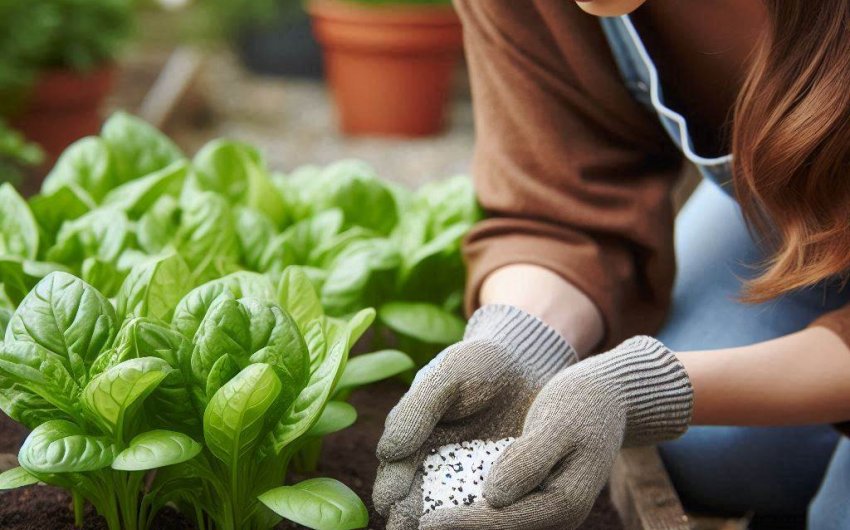
Spring is a time of incredible growth in the garden. Your plants are waking up, pushing out new leaves, and getting ready to put on a show of flowers or produce a bounty of vegetables. Just like growing kids need good food to grow strong, your plants need the right nutrients to reach their full potential. That's where fertilizing comes in!
Late spring is a fantastic time to give your garden a nutrient boost. This guide will walk you through everything you need to know about how to fertilize your garden in late spring. We'll cover why it's so important, what nutrients your plants crave, how to choose the right fertilizer, and how to apply it safely and effectively. Get ready to supercharge your garden for a spectacular summer!
Why Fertilize in Late Spring?
You might think that if you amended your soil in early spring or fall, your plants are all set. While good soil is the foundation, late spring offers a prime opportunity for a targeted nutrient boost.
The Growth Spurt Phase
- Peak Growth: By late spring (think late May to June in many regions), your plants are typically past their initial "waking up" phase and are in a period of rapid, vigorous growth. They are putting out significant new foliage, stems are lengthening, and many are starting to set flower buds or even small fruits.
- Increased Nutrient Demand: This intense growth requires a lot of energy and, crucially, a lot of nutrients. The soil's initial supply might be getting depleted, especially for heavy feeders like vegetables or hungry perennial flowers.
- Preventing Deficiencies: A timely application of fertilizer in late spring helps prevent nutrient deficiencies that could otherwise stunt growth, reduce flowering, or lead to smaller harvests later in the season.
- Setting the Stage for Summer: By fueling your plants now, you're setting them up for robust performance throughout the hot summer months when they will be producing flowers and fruits.
Optimal Conditions for Absorption
- Warmer Soil: The soil has warmed up significantly by late spring. This warmer temperature is crucial because it promotes microbial activity (which helps break down organic fertilizers) and allows plant roots to actively absorb nutrients more efficiently.
- Consistent Moisture: Late spring often brings consistent rainfall or you're starting regular watering routines. Adequate moisture is essential for nutrients to dissolve in the soil water and be taken up by plant roots. Fertilizing dry soil can lead to nutrient burn.
Understanding Plant Nutrients (N-P-K and More)
To choose the right fertilizer, you need to understand what plants need. Think of it like a balanced diet for humans.
The Big Three: N-P-K
Every fertilizer bag will have three numbers prominently displayed, like 10-10-10 or 5-10-5. These represent the percentage by weight of the three primary macronutrients:
- N (Nitrogen): The first number. Nitrogen promotes lush, green, leafy growth. It's essential for chlorophyll production (what makes plants green and allows them to do photosynthesis).
- Too Much N: Can lead to lots of leaves but few flowers or fruits.
- Too Little N: Yellowing leaves (especially older ones), stunted growth.
- P (Phosphorus): The second number. Phosphorus is vital for root development, flowering, fruiting, and overall plant vigor. It's often called the "bloom and root" nutrient.
- Too Little P: Poor flowering, weak root systems, reddish-purple tint on leaves.
- K (Potassium / Potash): The third number. Potassium (or potash) helps with overall plant health, disease resistance, water regulation, and fruit quality. It's important for strong stems and general hardiness.
- Too Little K: Weak stems, yellowing edges on leaves, poor fruit development.
Micronutrients
Plants also need smaller amounts of other nutrients, called micronutrients, like iron, calcium, magnesium, zinc, and boron. Healthy soil with plenty of organic matter usually provides these naturally, but some fertilizers include them.
Choosing the Right Fertilizer for Late Spring
The "best" fertilizer isn't a one-size-fits-all answer. It depends on your soil, your plants, and your gardening style.
1. Conduct a Soil Test (Highly Recommended!)
The single best way to know what fertilizer your garden needs is to get a soil test.
- Identify Deficiencies: A soil test tells you exactly which nutrients are lacking or are in excess. It also tells you your soil's pH, which affects nutrient availability.
- Avoid Over-Fertilizing: Guessing can lead to applying too much of a nutrient you don't need, which can harm plants, waste money, and pollute waterways.
- How to Get One: Contact your local university extension office. They usually offer inexpensive soil testing services and provide detailed reports with recommendations. You can also use a home soil test kit for quicker, though less detailed, results.
2. Understand Fertilizer Types
- Organic Fertilizers:
- Derived From: Natural sources like compost, manure, bone meal, blood meal, fish emulsion, worm castings, kelp meal, and alfalfa meal.
- Release Rate: Nutrients are released slowly as soil microbes break down the material. This is a gentle, long-lasting feeding.
- Benefits: Improves soil health, feeds microbes, less risk of burning plants. Great for building long-term fertility.
- Examples: Espoma Plant-tone Organic All-Purpose Plant Food, Neptune's Harvest Organic Fish & Seaweed Fertilizer.
- Synthetic (Chemical) Fertilizers:
- Derived From: Processed mineral salts.
- Release Rate: Nutrients are immediately available to plants (fast-acting). Can be granular or liquid.
- Benefits: Quick results, precise nutrient ratios.
- Cautions: Higher risk of over-fertilizing and burning plants. Does not improve soil structure or microbial life. Can leach into waterways if overused.
- Slow-Release Granular Fertilizers: Often synthetic, but coated to release nutrients gradually over weeks or months. A good compromise between fast-acting and long-lasting.
3. Match Fertilizer to Plant Needs
- Vegetables: Most vegetables, especially heavy feeders like tomatoes, peppers, corn, and squash, benefit from a balanced or slightly higher phosphorus/potassium fertilizer once they start flowering and fruiting. A general all-purpose granular organic fertilizer is usually good.
- Flowering Plants: For abundant blooms, choose a fertilizer with a higher phosphorus (P) number.
- Foliage Plants / Lawns: For lush green leaves (like leafy greens in the vegetable garden, or general garden plants where flowers aren't the primary goal), a fertilizer with a higher nitrogen (N) number is suitable.
- Acid-Loving Plants: Rhododendrons, azaleas, and blueberries need specialized acid-forming fertilizers with a lower pH.
- General Purpose: If you're unsure, a balanced organic fertilizer (e.g., 5-5-5 or 4-6-4) is usually a safe bet for most general garden beds, as it provides a good mix without overdoing any one nutrient.
How to Apply Fertilizer in Late Spring
Proper application is crucial to ensure your plants get the nutrients they need without getting "burned."
1. Read the Label!
This cannot be stressed enough. Every fertilizer product is different. The label will tell you:
- Application Rates: How much to use for different plants or garden sizes.
- Application Method: How to apply (e.g., side-dressing, foliar spray, drench).
- Safety Precautions: Wear gloves, avoid inhalation, etc.
2. Water Before and After
- Before: Always water your garden thoroughly a day or two before you plan to fertilize, especially with granular or synthetic fertilizers. Applying fertilizer to dry soil can lead to nutrient burn, where the salts in the fertilizer draw water out of the plant roots.
- After: After applying granular fertilizer, water again immediately. This helps dissolve the nutrients and move them down into the root zone where they can be absorbed by the plants.
3. Application Methods
- Side-Dressing (Granular Fertilizers): This is a common method for vegetables and larger plants.
- Sprinkle the recommended amount of granular fertilizer in a ring around the plant.
- Keep the fertilizer a few inches away from the stem or crown of the plant to avoid burning it. For rows, sprinkle it along the side of the row.
- Gently scratch the fertilizer into the top inch of soil with a hand rake or cultivator.
- Water thoroughly to activate the fertilizer.
- Liquid Feeders (Diluted Liquids): Best for quick nutrient delivery and often used for container plants or delicate plants.
- Dilute the liquid fertilizer according to label directions.
- Apply as a soil drench around the base of the plant.
- Some liquid fertilizers can also be used as foliar sprays (sprayed directly onto the leaves), but this is usually for a quick boost or to correct micronutrient deficiencies, not for primary feeding. If using as a foliar spray, do it in the early morning or late evening to prevent leaf burn.
- Broadcasting (Granular Fertilizers): For larger areas like entire garden beds.
- Scatter the recommended amount of granular fertilizer evenly over the bed.
- Gently rake it into the top inch or two of soil.
- Water thoroughly. A broadcast spreader can help with even distribution.
4. Avoid Over-Fertilizing
- More is NOT Better: Applying too much fertilizer is a common mistake and can be worse than applying too little. It can:
- Burn Plants: Excess salts in the soil can damage roots.
- Cause Leggy Growth: Too much nitrogen can lead to excessive leafy growth at the expense of flowers and fruit.
- Pollute Waterways: Excess nutrients can leach into groundwater or run off into streams and lakes, causing environmental harm.
- Follow Directions: Always stick to the recommended application rates on the fertilizer label.
- Observe Your Plants: Healthy, dark green plants that are growing well likely don't need more fertilizer. Yellowing or stunted growth might indicate a deficiency, but a soil test is the best way to confirm.
Specific Late Spring Fertilizing for Different Garden Areas
The specific approach might vary slightly depending on what you're growing.
1. Vegetable Gardens
- Timing: After your spring vegetables (like lettuce, spinach, radishes) have established their second set of true leaves, or when your warm-season crops (tomatoes, peppers, squash) are about to start flowering.
- What to Use: A balanced organic granular fertilizer (e.g., 5-5-5 or 4-6-4) or one slightly higher in phosphorus and potassium for fruiting plants.
- Method: Side-dress individual plants or rows.
2. Flower Beds (Annuals and Perennials)
- Timing: Once plants are actively growing and established, typically 4-6 weeks after planting annuals, or when perennials show strong new growth.
- What to Use: For abundant blooms, choose a fertilizer with a higher middle number (phosphorus), like a "bloom booster" (e.g., 2-8-4 or 3-5-4). For general growth and foliage, a balanced option is fine. Organic options like bone meal or kelp meal are good choices.
- Method: Side-dress or lightly broadcast and gently scratch in.
3. Container Plants
- Timing: Container plants need more frequent feeding because nutrients leach out with watering. Start feeding in late spring and continue every few weeks throughout the growing season.
- What to Use: Liquid fertilizers are often easiest for containers, as they can be diluted with water. Look for all-purpose liquid organic options like Foxfarm Grow Big Liquid Plant Food. Slow-release granular options can also work.
- Method: Follow dilution rates carefully. Apply as a soil drench.
4. Trees and Shrubs
- Timing: Established trees and shrubs generally need less frequent fertilizing than annuals or vegetables. If needed, late spring is a good time as new growth is active.
- What to Use: A balanced, slow-release granular fertilizer is usually best.
- Method: Broadcast around the drip line (the outer edge of the branches) of the tree or shrub, not directly at the trunk. Gently rake in and water.
By understanding the "why" and "how" of fertilizing your garden in late spring, you're empowering your plants to grow healthier, stronger, and more productive. It's an investment in your garden's future that will pay off with a vibrant display of flowers and a delicious bounty of fresh produce throughout the summer.