
How do I troubleshoot common composting problems like bad odors or slow decomposition?
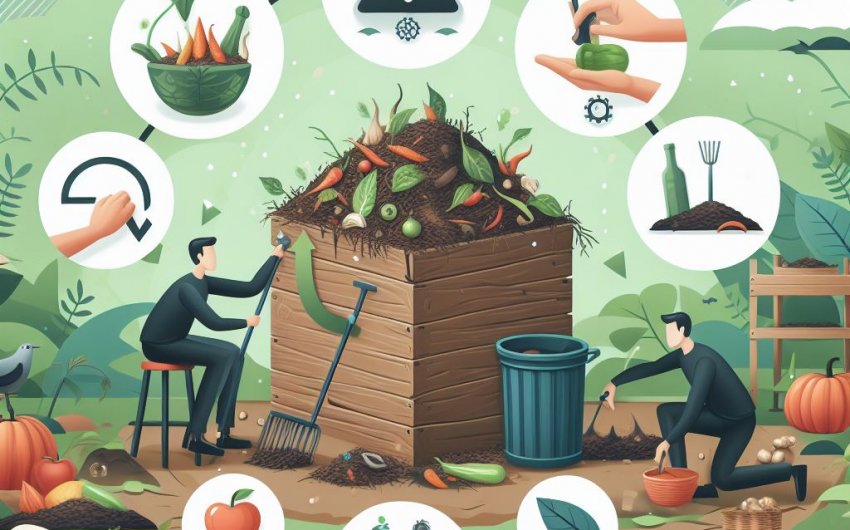
You've embarked on the rewarding journey of composting, eagerly adding kitchen scraps and yard waste to your bin, dreaming of rich "black gold" for your garden. But then, it happens. Instead of smelling like fresh earth, your compost pile emits a foul odor. Or perhaps weeks turn into months, and your heap seems stubbornly inert, refusing to break down. These are common frustrations, and you're left wondering, "How do I troubleshoot common composting problems like bad odors or slow decomposition?"
The good news is that most composting problems have simple, identifiable causes and straightforward solutions. Your compost pile is a living, breathing ecosystem, and like any ecosystem, it needs the right balance of conditions to thrive. Foul smells, attracting pests, or a stubbornly static pile are simply signals that something in that balance is off.
This comprehensive guide will demystify the art of compost troubleshooting. We'll delve into the most frequent issues, explain their underlying causes, and provide actionable pro tips for getting your pile back on track. Get ready to turn your composting woes into triumphs and consistently produce beautiful, nutrient-rich compost for your garden!
Understanding Your Compost Pile: The Four Key Ingredients for Success
Before we dive into how to troubleshoot common composting problems like bad odors or slow decomposition, it's essential to understand the four basic ingredients that a healthy, active compost pile needs to thrive. Think of these as the "recipe" for successful composting. When something goes wrong, it's almost always because one or more of these ingredients are out of balance.
1. "Greens": The Nitrogen Source (The "Engine Fuel")
- What they are: These are typically fresh, moist materials rich in nitrogen. They provide the "protein" and "fuel" for your compost microbes, helping to heat up the pile and speed up decomposition.
- Examples: Kitchen scraps (fruit/veg peels, coffee grounds, tea bags), fresh grass clippings, fresh plant trimmings, herbivore manure.
2. "Browns": The Carbon Source (The "Energy and Structure")
- What they are: These are typically dry, coarser, and rich in carbon. They provide the "energy" and "bulk" for your compost, offering structure, allowing air circulation, and preventing odors.
- Examples: Dead leaves, shredded cardboard, straw, wood chips, shredded newspaper, paper towel rolls, sawdust (from untreated wood only).
3. Moisture (The "Lifeblood")
- Why it's Crucial: Microorganisms need water to survive and function. Without enough moisture, decomposition grinds to a halt. Too much moisture, however, can suffocate the microbes.
- Ideal Consistency: Your compost pile should feel like a wrung-out sponge – damp but not soggy or dripping wet.
4. Air (Oxygen - The "Breath of Life")
- Why it's Crucial: The most efficient composting happens through aerobic decomposition, which is carried out by microbes that need oxygen. This process is fast, produces heat, and is largely odorless.
- What Happens Without It: If the pile lacks oxygen (becomes anaerobic), different types of microbes take over. This process is very slow and produces foul-smelling gases like ammonia and hydrogen sulfide (rotten eggs!).
- How to Provide Air: Regular turning of the pile, and a good balance of "browns" (which provide structure), ensure adequate airflow.
The Balancing Act: The Carbon-to-Nitrogen (C:N) Ratio
The magic ingredient is the balance between your "greens" and "browns." The ideal Carbon-to-Nitrogen ratio is generally around 25-30 parts carbon to 1 part nitrogen (25-30:1).
- Too many "greens" (too much nitrogen): The pile gets wet, dense, and produces ammonia (a pungent, urine-like smell).
- Too many "browns" (too much carbon): The pile is dry, slow to decompose, and doesn't heat up.
When you're trying to troubleshoot common composting problems, almost every issue can be traced back to an imbalance or deficiency in one of these four key ingredients. Armed with this knowledge, you're ready to diagnose and fix your compost pile!
Problem 1: Foul Odors (Ammonia, Rotten Eggs, Sour Smells)
This is perhaps the most common and immediate sign that your compost pile is unhappy. Bad odors are a clear signal that something is off, almost always related to a lack of air or an imbalance of materials. Knowing how to troubleshoot these smells is key to enjoying your composting journey.
1. Problem: Ammonia or Pungent, Urine-like Smell
- Diagnosis: This smell is typical when your compost pile has too much nitrogen ("greens") and not enough carbon ("browns"). The microorganisms are rapidly breaking down nitrogen but don't have enough carbon (energy) to balance the process, so they release excess nitrogen as ammonia gas. The pile often looks wet and dense.
- Why it happens:
- Adding too many fresh grass clippings without enough dry leaves or shredded cardboard.
- Adding too many kitchen scraps without balancing them with browns.
- Not mixing materials properly, creating pockets of high nitrogen.
- Solution (The Fix!):
- Add "Browns": Immediately mix in a generous amount of carbon-rich materials.
- Best Options: Dry leaves, shredded cardboard, straw, wood shavings, dry newspaper.
- Turn the Pile: As you add browns, use a compost aerator tool or a pitchfork to thoroughly mix the new browns throughout the pile. This introduces air (oxygen) and helps balance the C:N ratio.
- Cover Fresh Greens: Always bury new kitchen scraps under a layer of browns to help contain odors and deter pests.
- Water if Dry: While it usually implies too much moisture, ensure the browns you add are lightly moistened.
- Add "Browns": Immediately mix in a generous amount of carbon-rich materials.
2. Problem: Rotten Egg or Sulfur Smell (Hydrogen Sulfide)
- Diagnosis: This smell indicates that your compost pile is anaerobic – it completely lacks oxygen. This happens when the pile is too wet and/or too compacted, suffocating the aerobic (oxygen-loving) microorganisms. Different, smelly anaerobic bacteria take over.
- Why it happens:
- The pile is too wet (too much water, too many wet "greens").
- The pile is too dense and compacted (not enough "browns" to provide structure, or not enough turning).
- Adding prohibited items like meat or dairy products.
- Solution (The Fix!):
- Introduce Air (Turn Aggressively!): This is paramount. Dig deep into the pile with a pitchfork or aerator tool, bringing the bottom layers to the top and breaking up compacted areas. This gets oxygen into the pile.
- Add "Browns": Mix in dry, absorbent "browns" like shredded cardboard, dry leaves, or straw. These will absorb excess moisture and provide structure for air pockets.
- Check Moisture: Ensure the pile is like a wrung-out sponge, not soaking wet.
- Remove Prohibited Items: If you find meat, dairy, or oily foods, remove them.
- Prevention: Avoid adding large wet clumps of grass clippings. Mix wet greens thoroughly with dry browns.
3. Problem: Sour or Fermented Smell (Alcoholic/Vinegary)
- Diagnosis: This usually indicates a high level of moisture and a lack of aeration, leading to a type of anaerobic decomposition (often when materials like fruit are breaking down in a very wet, oxygen-deprived environment).
- Why it happens:
- Too many wet "greens" (especially fruit scraps).
- Insufficient turning or aeration.
- Pile is too wet.
- Solution (The Fix!):
- Add "Browns": Mix in dry, absorbent browns like shredded cardboard, leaves, or straw to soak up moisture.
- Turn the Pile: Thoroughly aerate to introduce oxygen.
- Check Moisture: Ensure it's not soggy.
General Troubleshooting Odor Tip: An earthy, pleasant smell is a sign of a healthy compost pile. Any other strong smell means something is out of balance. By identifying the specific odor, you can quickly address the root cause and get your compost back on track.
Problem 2: Slow Decomposition (Pile Isn't Heating Up or Breaking Down)
One of the most frustrating composting problems is a pile that just sits there, stubbornly refusing to break down. If your heap isn't shrinking or heating up, it's a clear sign that the microorganisms aren't active enough. Knowing how to troubleshoot slow decomposition can save your composting efforts.
1. Problem: Pile is Cold and Nothing is Happening (No Decomposition)
- Diagnosis: The microorganisms responsible for decomposition are either inactive or present in too small numbers. This is almost always due to a lack of moisture, not enough nitrogen ("greens"), or insufficient mixing.
- Why it happens:
- Too Dry (Most Common!): Microbes need moisture to thrive and carry out decomposition. If the pile is dry, they simply cannot function.
- Not Enough "Greens" (Nitrogen): Nitrogen is the fuel that powers microbial growth and activity. Without enough nitrogen, the microbes don't have enough "food" to multiply and generate heat. Your pile might be mostly "browns."
- Too Many Large Pieces: If your materials are too large (big branches, whole fruit, un-shredded cardboard), there's not enough surface area for microbes to work on, slowing the process.
- Insufficient Mixing/Turning: Even with the right ingredients, if they aren't mixed, the microbes can't easily access the materials.
- Solution (The Fix!):
- Add Water: If the pile is dry and crumbly, moisten it thoroughly. Use a garden hose to add water while turning the pile to distribute moisture evenly. Aim for that "wrung-out sponge" consistency. Use a flexible garden hose for easy watering.
- Add "Greens" (Nitrogen Source): Mix in more fresh, nitrogen-rich materials.
- Best Options: Fresh grass clippings (in thin layers, mixed in well), kitchen scraps, coffee grounds, small amounts of herbivore manure.
- Chop Materials Smaller: Break down any large pieces of organic matter. Smaller pieces decompose faster.
- Turn the Pile: Thoroughly turn the pile to mix new materials, distribute moisture, and introduce fresh oxygen.
2. Problem: Pile is Heating Up, Then Cooling Down Quickly (Uneven Decomposition)
- Diagnosis: This suggests that only parts of your pile are active, or the activity isn't sustainable.
- Why it happens:
- Insufficient Turning: The active, hot zone (usually the center) isn't being mixed with the cooler outer layers.
- Uneven Moisture or C:N Ratio: Some parts are too dry, too wet, or unbalanced in materials.
- Pile Size: The pile might be too small to sustain heat.
- Solution (The Fix!):
- Turn More Frequently and Thoroughly: Ensure you're turning the pile deeply, bringing outside materials to the inside and mixing everything well. This distributes the heat and "feeds" the active microbes throughout the pile. Use a compost aerator tool.
- Check Overall Balance: As you turn, assess the moisture and mix of greens/browns. Adjust as needed.
- Consider Pile Size: For "hot" composting, a minimum pile size of roughly 3x3x3 feet (1 cubic meter) is generally recommended to generate and retain heat effectively.
3. Problem: Only Certain Materials Are Breaking Down (Others are Persistent)
- Diagnosis: Some materials are decomposing well, while others (like twigs, large leaves, paper products) are stubbornly remaining intact.
- Why it happens:
- Material Size: Larger, coarser, or tougher materials (high lignin content like wood) naturally break down slower.
- Insufficient Shredding: Pieces are too big.
- Inadequate Mixing: They might be in a "cold" spot.
- Solution (The Fix!):
- Chop/Shred Aggressively: Always aim to break down materials into smaller pieces. A garden shredder is great for woody debris.
- Mix Well: Ensure persistent materials are well mixed throughout the pile and aren't forming large clumps.
- Patience: Acknowledge that some materials simply take longer. Don't be surprised to find small traces of wood or eggshells in finished compost.
By actively monitoring your compost pile for signs of slow decomposition and addressing its needs for moisture, nitrogen, proper material size, and regular aeration, you'll ensure a thriving ecosystem that efficiently turns your waste into valuable "black gold."
Problem 3: Pest Attraction (Flies, Rodents, Ants)
An unwelcome surprise for any composter is finding their bin has become a hotspot for pests. Pest attraction is usually a clear sign that something is amiss with your compost management, often related to what you're adding or how you're adding it. Knowing how to troubleshoot these issues is vital for keeping your compost bin a pleasant addition to your garden.
1. Problem: Flies (Fruit Flies, House Flies, Gnats)
- Diagnosis: Swarms of flies, especially fruit flies, around your compost pile indicate exposed food scraps and generally a pile that is too open or too wet.
- Why it happens:
- Exposed Food Scraps: The most common reason. Fresh kitchen scraps (especially fruit and sugary items) left on the surface are a beacon for flies.
- Too Wet/Soggy: Very wet, decomposing material can also attract flies and provide a breeding ground.
- Adding Prohibited Items: Meat, dairy, fats, or sugary processed foods.
- Solution (The Fix!):
- Bury All Food Scraps: Always, always bury your new kitchen scraps deep within the compost pile (at least 8-12 inches down) and then cover them with a generous layer of "browns" (e.g., leaves, shredded cardboard, straw, dry grass clippings). This acts as a physical barrier.
- Add More "Browns": If your pile is too wet, mix in dry, absorbent browns to soak up moisture and create better aeration.
- Turn the Pile: Aerate to dry out the surface layers and mix in fresh material.
- Remove Prohibited Items: If you've added meat, dairy, or oily foods, remove them.
- Use a Lidded Bin: An enclosed compost bin with a lid (like a compost tumbler or a solid plastic bin) helps contain odors and deter flies.
2. Problem: Rodents (Rats, Mice, Raccoons, Opossums)
- Diagnosis: Gnaw marks on your compost bin, digging around the base, sightings of rodents near the pile, or missing food scraps indicate that furry pests are visiting.
- Why it happens:
- Adding Prohibited Items: Meat, bones, fish, dairy products, cooked foods with fats/oils, and sugary processed foods are major attractants for rodents.
- Exposed Food Scraps: Leaving food scraps on the surface of the pile.
- Accessible Bin: An open compost pile or a bin that is not securely pest-proof.
- Solution (The Fix!):
- STOP Adding Prohibited Items: This is the most crucial step. Remove any meat, dairy, or oily foods immediately.
- Bury All Food Scraps (Diligently!): Ensure every single bit of food waste is buried deeply under at least a foot of browns and/or active compost.
- Use a Rodent-Proof Bin: If you have persistent rodent problems, consider upgrading to a robust, enclosed, rodent-proof compost bin (made of sturdy plastic, metal, or wire mesh with very small openings). A metal compost bin can be effective.
- Maintain Balance: A hot, actively decomposing pile is less attractive to rodents.
3. Problem: Ants
- Diagnosis: Trails of ants marching into and out of your compost pile.
- Why it happens:
- Pile is Too Dry: Ants are often attracted to a compost pile that is too dry, as they can set up nests in the dry, undisturbed areas.
- Sugary Food Scraps: Exposed fruit or sugary waste.
- Solution (The Fix!):
- Increase Moisture: If the pile is dry, moisten it thoroughly, especially the areas where ants are nesting.
- Turn the Pile: Disturbing the pile by turning it will disrupt ant nests and encourage them to move elsewhere.
- Bury Food Scraps: Ensure all food scraps are buried deep.
- Add "Greens": If the pile is very carbon-heavy and dry, adding some fresh "greens" will help balance moisture.
4. Problem: Large Bugs (Rolly Pollies / Sow Bugs, Centipedes, Millipedes, Beetles)
- Diagnosis: Seeing these larger invertebrates crawling around in your compost.
- Why it happens: These are natural decomposers!
- Solution: No fix needed! These creatures are beneficial and are helping to break down your organic matter. Their presence is a sign of a healthy, active compost pile. Don't worry about them.
General Troubleshooting Pest Tip: Most pest problems stem from easy access to food scraps, especially prohibited items. Focus on burying your "greens" deep and choosing a secure bin. By proactively addressing what you put in and how you manage it, you can keep your compost bin a clean, odor-free, and pest-free asset to your garden.
Beyond Troubleshooting: Maintaining a Healthy & Happy Compost Pile
Once you've diagnosed and fixed your composting problems, the goal is to maintain a healthy and happy pile consistently. Prevention is always easier than cure! Here are some pro tips for ensuring your compost pile remains a productive "black gold" factory, avoiding future issues with bad odors or slow decomposition.
1. Master the Green-to-Brown Ratio (Layering is Key!)
- The Foundation: This is the most important element for long-term success. Aim for approximately 2 to 3 parts "Browns" (carbon) to 1 part "Greens" (nitrogen) by volume.
- Layering: The easiest way to achieve this balance is to build your pile in layers: a layer of browns (shredded leaves, shredded cardboard), then a thinner layer of greens (kitchen scraps, grass clippings), and always cap with another layer of browns. This also buries odor-producing materials.
- Pre-Mix: If you have a large batch of one material (e.g., raked leaves), mix it with smaller amounts of the other category as you add.
- Stockpile Browns: Collect and store dry leaves in bags in the fall. Keep a stash of shredded cardboard. Having a ready supply of "browns" makes balancing easy when you have an abundance of kitchen scraps or fresh grass clippings.
2. Maintain Consistent Moisture ("The Wrung-Out Sponge")
- Feel Test: Always feel your compost pile. It should be consistently damp, like a well-wrung-out sponge – moist but never soggy or dusty dry.
- Watering: If dry, add water with a garden hose while turning the pile to distribute moisture evenly.
- Avoid Excess Water: Protect your pile from excessive rain (e.g., with a tarp cover, though ensure ventilation).
3. Aerate Regularly (Turn, Turn, Turn!)
- Oxygen is Vital: Regular turning is essential for providing oxygen to the hardworking aerobic microorganisms. This keeps the decomposition process fast and odor-free.
- Frequency:
- Hot Composting (Faster): Turn every few days to once a week.
- Cold Composting (Slower): Turn at least once a month, or whenever you add a significant amount of new material.
- Tools: Use a compost aerator tool for easy mixing, or a pitchfork.
4. Chop Materials into Smaller Pieces
- Speed Up Breakdown: The smaller the pieces, the faster they will decompose. More surface area means more room for microbes to work.
- Rule of Thumb: Aim for pieces no larger than your thumb, or 1-2 inches for tougher materials. Shredded leaves, chopped kitchen scraps, and torn cardboard will break down rapidly.
5. Be Selective About What Goes In (The "Forbidden List" Revisited)
- No Meat, Dairy, Fats, Oils: These attract pests and create bad odors.
- No Diseased Plants / Weeds with Seeds: Risk spreading problems. Neutralize problematic weeds before adding, or dispose of them.
- No Treated Wood: Can contaminate compost.
- No Synthetics: They won't break down.
6. Choose the Right Composter for Your Needs
- Open Pile: Good for large volumes, but less pest-proof and tidy.
- Enclosed Bin: More tidy, retains moisture/heat better.
- Compost Tumbler: Great for easy turning and pest deterrence, but smaller capacity. A compost tumbler can make maintenance a breeze.
7. Location of Your Compost Pile
- Shade/Partial Shade: Helps prevent the pile from drying out too quickly.
- Well-Drained Area: Avoid soggy spots.
- Accessible: Close enough to your kitchen for scraps, but not right next to your house or a neighbor's window (just in case of temporary odors).
- Bare Soil Contact: Allows beneficial worms and microorganisms from the ground to enter the pile.
By consistently applying these preventative and maintenance tips, your composting problems like bad odors or slow decomposition will become a distant memory. You'll cultivate a healthy, happy compost pile that effortlessly turns your waste into beautiful, nutrient-rich "black gold" for your thriving garden. This is the true joy of mastering composting!