
Patio Perfection: Unveiling Creative Patio Paver Solutions
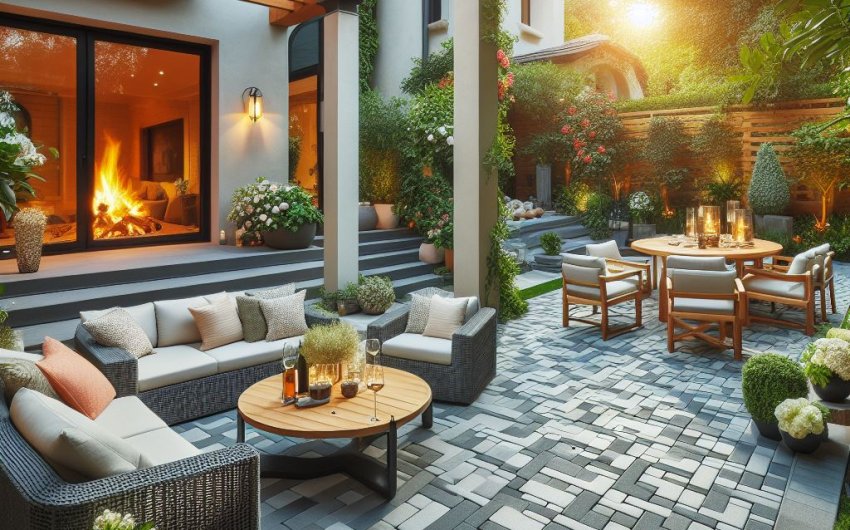
Your patio isn't just an outdoor extension of your home; it's a vital space for relaxation, entertaining, and enjoying the fresh air. While wooden decks and poured concrete have their place, patio pavers offer a world of creative possibilities, blending durability with unmatched aesthetic appeal. Far from the mundane, uniform squares of the past, today's paver options allow for intricate patterns, diverse textures, and a spectrum of colors that can transform any outdoor area into a personalized retreat. If you're dreaming of a patio that truly reflects your style and stands the test of time, diving into the versatile realm of paver solutions is the perfect starting point. Let's explore how these interlocking pieces can unveil your patio's full potential, creating a beautiful and functional outdoor living space.
Why Choose Pavers for Your Patio?
Before diving into the creative solutions, it's worth understanding why patio pavers are such a popular and advantageous choice over other patio surfaces. Their benefits extend far beyond mere aesthetics.
1. Durability and Longevity
Pavers are built to last. They are typically made from dense concrete, natural stone, or clay, designed to withstand heavy foot traffic, patio furniture, and harsh weather conditions for decades.
- Strength: Unlike a single slab of concrete, which can crack due to ground movement or freeze-thaw cycles, pavers are individual units. They flex and adjust with minor ground shifts, making them incredibly resilient.
- Weather Resistance: They hold up exceptionally well to temperature changes, heavy rains, snow, and ice, without cracking or deteriorating like some other materials.
2. Low Maintenance
Once installed correctly, paver patios require minimal upkeep compared to decks that need staining or concrete that might crack and require patching.
- Easy Cleaning: Regular sweeping and occasional rinsing with a hose are usually all that's needed. For tougher stains, a power washer can be used carefully.
- No Sealing Required (Usually): Most pavers do not require regular sealing, though some prefer it for added protection and color enhancement.
3. Repairability
This is a major advantage over poured concrete.
- Individual Replacement: If a paver gets cracked, stained, or damaged, you can simply remove that single paver and replace it with a new one. This is far easier and less costly than repairing a large concrete slab, which often requires breaking up and re-pouring a section.
4. Versatility in Design
This is where pavers truly shine for creative patio solutions.
- Colors and Textures: Available in an immense range of colors, from natural earth tones to vibrant hues, and various textures, from smooth and contemporary to rough and rustic.
- Shapes and Sizes: Come in diverse shapes (squares, rectangles, hexagons, irregular) and sizes, allowing for endless pattern possibilities.
- Interlocking System: The way pavers interlock, often with sand-filled joints, creates a stable surface that resists shifting.
5. Permeability Options
Some types of pavers offer environmental benefits.
- Permeable Pavers: Designed with wider joints or porous materials, allowing rainwater to filter through into the ground below instead of running off. This reduces stormwater runoff, helps recharge groundwater, and can prevent pooling. This is a key feature for eco-friendly designs.
6. Enhanced Property Value
A well-designed and professionally installed paver patio significantly enhances the aesthetic appeal and functionality of your outdoor living space, adding considerable value to your home.
Unveiling Creative Paver Types
The first step in designing your dream patio is exploring the wide array of paver types, each offering distinct looks, textures, and capabilities.
1. Concrete Pavers (Interlocking Concrete Pavement - ICP)
These are the most popular and versatile type, made from a blend of cement, aggregates, and water, molded into various shapes and sizes.
Advantages:
- Versatility: Come in an enormous range of colors, shapes, and textures, mimicking natural stone, brick, or even wood.
- Affordability: Generally more budget-friendly than natural stone.
- Durability: Extremely strong and long-lasting, designed for interlocking stability.
- Easy Installation: Designed for relatively straightforward installation, including DIY.
Sub-Types/Design Options:
- Standard Rectangular/Square: The classic choice, allowing for traditional patterns like running bond, basket weave, or herringbone.
- Cobblestone Look: Tumbling processes create a weathered, old-world aesthetic, perfect for rustic or traditional patios.
- Large Format: Bigger pavers (e.g., 24x24 inches) create a contemporary, sleek look with fewer joint lines.
- Textured: Manufacturers create various textures, from smooth and polished to rough-hewn and natural stone-like.
- Permeable Concrete Pavers: Designed with larger spacers to allow for wider joints filled with gravel, facilitating water drainage. These are great for eco-conscious designs.
- Permeable paver systems are becoming increasingly popular for stormwater management.
2. Natural Stone Pavers (Flagstone, Travertine, Granite, Bluestone, Slate)
For a truly organic, luxurious, and timeless feel, natural stone pavers are unparalleled. They are cut directly from quarries, each piece unique.
Advantages:
- Unique Beauty: Each stone has natural variations in color, pattern, and texture, creating an authentic and high-end look.
- Durability: Extremely strong and weather-resistant, aging gracefully over time.
- Timeless Appeal: Natural stone never goes out of style.
Common Types:
- Flagstone: Irregularly shaped, flat pieces of sedimentary rock (like sandstone, slate, or limestone). Creates a rustic, organic, and often winding path or patio. Can be laid dry (with sand/gravel in joints) or mortared.
- Natural flagstone patio kits are available, though direct sourcing from a stone yard is common.
- Bluestone: A dense, durable sandstone with beautiful blue-gray tones. Can be cut into regular shapes or used as irregular flagstones. Very popular for classic, elegant patios.
- Travertine: A type of limestone formed by mineral springs. Known for its porous texture (often filled for pavers) and warm, earthy tones (beige, cream, rust). Stays cool underfoot, making it ideal for sunny areas.
- Granite: Extremely hard and durable igneous rock. Available in many colors (gray, pink, black, green). Can be cut smooth or flamed for a rougher, non-slip texture. High-end, sophisticated look.
- Slate: A fine-grained metamorphic rock that splits into thin, flat layers. Comes in natural shades of gray, green, purple, and red. Offers a beautiful, natural cleft surface. Can be slippery when wet depending on finish.
Considerations:
- Cost: Generally more expensive than concrete pavers due to sourcing and cutting.
- Weight: Heavier to transport and install.
- Porosity: Some natural stones (like certain limestones) can be more porous and may require sealing to prevent staining.
3. Brick Pavers (Clay Pavers)
Classic and charming, brick pavers are made from fired clay, offering rich, earthy colors and a timeless appeal.
Advantages:
- Classic Aesthetic: Evokes a traditional, warm, and inviting feel.
- Rich Color: Colors are integral to the clay and do not fade. They deepen with age.
- Durability: Extremely hard and long-lasting, resistant to cracking.
- Sustainability: Made from natural clay, often a more eco-friendly choice.
Design Options:
- Standard Rectangular: The most common shape, allowing for herringbone, basket weave, running bond, and other traditional patterns.
- Colors: Varying shades of red, brown, and tan.
- Interlocking brick pavers are available for dry-lay installation.
Considerations:
- Limited Shapes/Sizes: Less variety than concrete pavers.
- Rougher Surface: Can be slightly uneven, which might affect furniture stability if not installed perfectly.
4. Recycled or Specialty Pavers
Innovations in materials offer unique and eco-friendly options.
- Recycled Rubber Pavers: Made from recycled tires. Soft underfoot, non-slip, and permeable. Great for play areas or garden paths.
- Composite Pavers: Made from recycled plastics and other materials. Offer unique colors and textures, often mimicking wood without the maintenance.
- Glow-in-the-Dark Pavers: Incorporate phosphorescent materials for ambient nighttime lighting.
- Permeable Pavers with Grass Infill: Specifically designed for grass to grow in wider joints, creating a green, porous surface.
Creative Design Ideas and Patterns
This is where the magic happens! Pavers offer endless possibilities to customize your patio.
1. Mixed Materials
Don't limit yourself to just one type of paver. Combining different materials adds depth, texture, and visual interest.
- Pavers and Gravel: Create designated seating areas with pavers, surrounded by permeable gravel for drainage and a softer look.
- Pavers and Grass: Lay large format pavers with wide joints and fill the gaps with grass or low-growing groundcover for a "stepping stone" effect that's both permeable and lush.
- Concrete and Natural Stone: Use a border of contrasting natural stone around a main area of concrete pavers for an elevated look.
- Pavers and Decorative Stone: Integrate areas of smaller decorative stones (e.g., river rocks, pea gravel) within or alongside your paver patio.
2. Border and Edge Treatments
The edge of your patio can significantly define its style.
- Contrasting Border: Use a paver of a different color, size, or type to create a distinct border around the main patio area. This adds definition and can make the patio appear larger or more formal.
- Soldier Course/Sailor Course: Lay rectangular pavers vertically (soldier course) or horizontally (sailor course) along the edge for a neat, classic brick look.
- Curved Edges: Unlike concrete, pavers can be laid to create gentle curves, adding organic flow to your patio design. Use a paver edging kit for clean lines.
3. Laying Patterns
The way you arrange your pavers creates different visual effects and can influence the perceived size and shape of your patio.
- Running Bond: The most common and simple pattern, with pavers laid end-to-end, and joints offset by half the paver's length. Creates a linear, classic look.
- Herringbone: Pavers are laid at a 45 or 90-degree angle, creating a zig-zag pattern. This is incredibly strong structurally, good for high-traffic areas, and adds dynamic visual interest.
- Basket Weave: Pavers are laid in pairs, with one pair horizontal and the next vertical, creating a woven effect. Great for a charming, traditional look.
- Stack Bond: Pavers are laid directly on top of each other, creating straight, continuous lines. Very modern and minimalist.
- Circular/Fan Patterns: Using wedge-shaped or varied rectangular pavers, you can create radial or fan-shaped designs, often around a central feature. Requires specialized cuts and more intricate planning.
- Random Patterns: Especially with flagstone, creating a free-form, organic pattern.
- Permeable Patterns: Using wider joints filled with grass, small stones, or gravel for water infiltration.
4. Color Combinations and Blends
The choice of paver color, and how you mix them, drastically alters the patio's mood.
- Monochromatic: A single color for a clean, cohesive look.
- Contrasting Colors: Use two or three complementary or contrasting colors in patterns or bands. For example, a light gray paver with a dark gray border.
- Blended Packs: Many manufacturers sell paver packs with a mix of complementary colors, creating a natural, variegated look.
- Warm Tones: Earthy browns, reds, and golds create a cozy, inviting atmosphere.
- Cool Tones: Grays, blues, and whites offer a modern, sleek, and often expansive feel.
5. Incorporating Features
Pavers are perfect for defining and integrating various patio features.
- Fire Pit Areas: Create a distinct circular or square area for a patio fire pit using a different paver type or pattern.
- Outdoor Kitchen Zone: Define the area for your grill or outdoor kitchen with a unique paver pattern or color.
- Raised Beds/Seating Walls: Use retaining wall blocks or vertical paver systems to build integrated raised garden beds or low seating walls around the patio perimeter.
- Water Features: Build a small pond or fountain feature directly into the paver design.
- Lighting: Integrate low-voltage paver lights directly into the patio surface for ambiance and safety.
Planning and Installation Considerations
Achieving "patio perfection" with pavers involves careful planning and execution, whether you DIY or hire a professional.
1. Site Preparation is Crucial
The success and longevity of your paver patio depend almost entirely on the base.
- Excavation: Dig out the area to the correct depth (usually 6-10 inches, depending on climate and traffic).
- Grading: Ensure proper slope (1/8 to 1/4 inch per foot) away from your house for drainage.
- Geotextile Fabric: Lay down landscaping fabric to prevent weeds from growing up through the pavers and to separate the sub-base from the native soil.
- Compacted Sub-Base: Lay and compact a strong granular base (crushed gravel or aggregate). This is the foundation that provides stability and drainage. Use a plate compactor for this.
- Bedding Layer: Apply a 1-inch layer of screeded sand (concrete sand or bedding sand) directly on top of the compacted base. This provides a level surface for the pavers.
2. Edge Restraints
Crucial for containing your pavers and preventing them from spreading or shifting.
- Material: Use plastic, metal, or concrete paver edge restraints, anchored securely.
3. Joint Sand
After laying pavers, fill the joints with sand.
- Regular Sand: Fine sand brushed into the joints.
- Polymeric Sand: A newer option, polymeric sand for pavers contains polymers that harden when wet, locking the pavers in place, preventing weed growth, and deterring ants. This is highly recommended for low maintenance.
4. Compacting the Pavers
Once laid and joint sand applied, compact the pavers with a plate compactor to settle them firmly into the bedding layer and lock the joint sand in place.
5. Consider Professional Installation
While DIY is possible for smaller, simpler patios, complex designs, large areas, or poor soil conditions often benefit from professional installation. Experienced installers have the right equipment and knowledge to ensure proper base preparation, drainage, and a beautiful, long-lasting result.
6. Budgeting
Paver patios can range widely in cost.
- Materials: Natural stone is typically more expensive than concrete.
- Labor: Professional installation adds significant cost, but ensures quality.
- Base Materials: Don't skimp on the base; it's vital for longevity.
Styling Your Paver Patio
Once your pavers are laid, it's time to bring the whole space to life with furniture, plants, and decor.
1. Furniture Choices
- Complementary Materials: Choose patio furniture that complements your paver type and color. Wood, wrought iron, wicker, or modern aluminum all offer different aesthetics.
- Scale: Ensure furniture is appropriately sized for your patio.
2. Container Plants
- Softening Hardscapes: Use potted plants to soften the edges of the pavers, add color, and bring vertical interest. Use large outdoor planters to create focal points.
- Layering: Combine tall plants, fillers, and trailing plants in your containers for a lush look.
- Herb/Veggie Pots: Integrate edible plants for a functional and beautiful space.
3. Lighting
- Ambiance: Add string lights for patio, lanterns, or LED strip lights under benches to create a warm and inviting atmosphere for evening use.
- Safety: Use pathway lights or integrated paver lights for safe navigation.
4. Outdoor Rugs
- Defining Zones: An outdoor rug can help define different zones on your patio (e.g., dining area vs. lounge area) and add a pop of color or texture. Look for outdoor rugs for patios that are weather-resistant.
5. Fire Features
- Warmth and Ambiance: A fire pit or outdoor fireplace makes your patio usable year-round and creates a cozy focal point.
Unveiling the full potential of your patio with paver solutions opens up a world of design possibilities. From selecting the perfect type of paver to laying intricate patterns and adding complementary features, every choice contributes to creating a unique and functional outdoor living space. With careful planning and attention to detail, your paver patio will not only be a durable and low-maintenance extension of your home but also a true masterpiece of outdoor design, perfect for making lasting memories.