
Backyard Bliss: Explore Endless Possibilities with Pavers
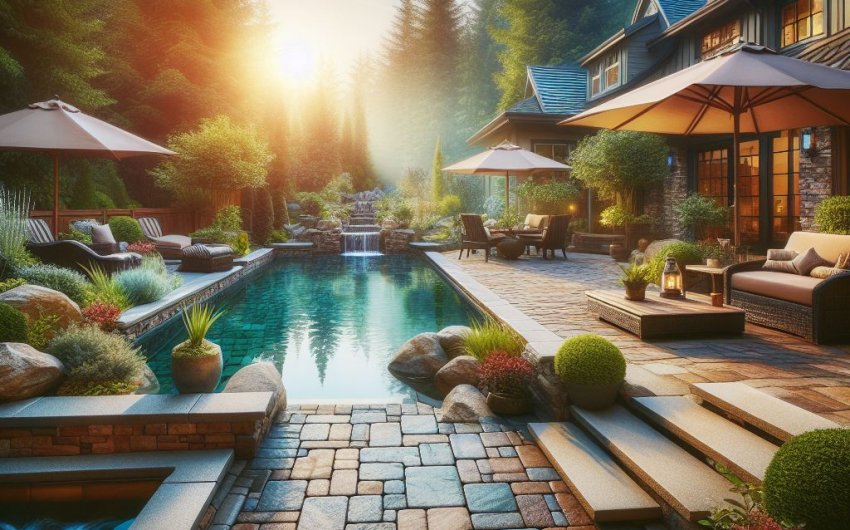
Transforming your outdoor living area into a true haven is an exciting prospect, and one of the most versatile materials at your disposal is pavers. These individual pieces of stone, concrete, or brick can be arranged in countless ways to create stunning, functional surfaces that elevate the look and feel of your entire property. Far from just simple walkways, pavers open up a world of design possibilities, allowing you to craft inviting spaces for relaxation, entertaining, and everyday enjoyment. Their inherent durability and aesthetic appeal make them a smart choice for any homeowner looking to enhance their backyard's charm and usability.
From the inviting pathways that guide you through lush gardens to expansive patios perfect for al fresco dining, the potential of pavers is truly limitless. They offer a unique blend of practicality and beauty, providing a stable, long-lasting surface that can withstand the elements while adding significant visual interest. Choosing pavers means investing in a solution that combines ease of maintenance with exceptional design flexibility, allowing you to customize your outdoor environment to perfectly suit your lifestyle and personal taste. Let’s delve into the myriad ways pavers can help you achieve that dream backyard bliss.
Why Choose Pavers for Your Outdoor Space?
When planning an outdoor living area, you have many material choices. But pavers stand out for several important reasons. They offer a unique blend of good looks, strength, and easy care that other materials just can't match. Understanding these benefits can help you decide if pavers are the right fit for your backyard bliss.
What Makes Pavers So Durable?
Pavers are built to last. Unlike a solid slab of concrete, which can crack over time due to ground movement or freeze-thaw cycles, pavers are individual units. This means they have small joints between them that allow for a tiny bit of movement. This flexibility helps them withstand changes in temperature and shifting soil without cracking. Most pavers are also made from very strong materials like concrete, brick, or natural stone, which are pressed or cut to be incredibly dense. This density makes them resistant to heavy foot traffic, outdoor furniture, and even vehicles if properly installed for a driveway. Their lifespan can often be 30 years or more, making them a wise long-term investment.
Are Pavers Easy to Repair and Maintain?
Yes, absolutely! One of the biggest advantages of pavers is how simple they are to repair. If a single paver gets stained, chipped, or damaged, you can simply lift that one paver out and replace it with a new one. You don't have to break up and replace a whole section, like you would with a concrete slab. This saves a lot of time, effort, and money. For general maintenance, sweeping keeps them clean, and occasional washing with a hose or a pressure washer can remove dirt. Some people choose to seal their pavers every few years, which can help protect them from stains and enhance their color. For stubborn weeds in cracks, a crack weeding tool is very useful.
What Design Freedom Do Pavers Offer?
The design possibilities with pavers are truly endless, limited only by your imagination. They come in a vast array of:
- Colors: From earthy browns and reds to cool grays, blues, and even multi-toned options.
- Shapes: Rectangular, square, circular, irregular, and interlocking shapes.
- Textures: Smooth, tumbled (aged look), rough-hewn, or even those mimicking natural wood grain.
- Sizes: From small brick-like units to large format slabs.
This variety allows you to create unique patterns, borders, and designs. You can mix and match different colors and shapes to define areas, add visual interest, or create a specific style, whether you're going for a rustic, modern, traditional, or eclectic look. Unlike poured concrete, which often has a flat, uniform appearance, pavers add texture and dimension to your outdoor space, creating instant backyard bliss.
What Kinds of Pavers Are Available?
When you decide to use pavers for your outdoor project, you'll discover a wide variety of materials to choose from. Each type has its own unique look, feel, and characteristics, making it suitable for different design styles and budgets. Understanding the differences will help you pick the perfect pavers for your dream backyard bliss.
What Are Concrete Pavers Like?
Concrete pavers are the most common and widely used type of paver. They are made by pouring concrete into molds and then curing them. This manufacturing process allows for incredible versatility in terms of color, shape, size, and texture. You can find concrete pavers that mimic natural stone, brick, or even wood. They are highly durable, relatively affordable, and very strong, making them suitable for everything from patios and walkways to driveways. Concrete pavers are a great choice if you're looking for a wide range of options and good value. For cutting concrete pavers, you'll need a masonry saw blade.
What About Brick Pavers?
Brick pavers, also known as clay pavers, are made from fired clay, similar to traditional building bricks but often denser and more durable for paving. They have a classic, timeless look that adds warmth and charm to any outdoor space. Brick pavers come in a range of earthy tones, from deep reds and oranges to browns and even some purplish hues. They are often smaller than concrete pavers and are commonly used for traditional patios, charming garden paths, and elegant driveways. Their natural color won't fade over time, making them a long-lasting and beautiful choice for a classic backyard bliss.
Are Natural Stone Pavers a Good Choice?
Natural stone pavers are cut directly from quarries and include materials like flagstone (irregularly shaped), bluestone, granite, travertine, slate, and limestone. Each type of stone has its own unique color variations, textures, and properties. Natural stone pavers offer an unparalleled level of beauty and elegance, bringing a piece of nature directly into your landscape. They are extremely durable and can last for centuries. However, they are generally the most expensive option and can be heavier and more challenging to install. They are perfect for creating a high-end, organic, or rustic look, providing truly exquisite backyard bliss. Some natural stone, like bluestone, may need a stone sealant for protection.
What Projects Can I Do with Pavers?
The versatility of pavers means they can be used for almost any hardscape project in your backyard. From functional pathways to grand entertaining areas, pavers offer durable and beautiful solutions. Let's explore some of the most popular ways to create your ultimate backyard bliss with these adaptable materials.
Can I Build a Patio with Pavers?
Building a paver patio is one of the most popular uses for pavers, and for good reason! A paver patio creates a welcoming outdoor living room, perfect for dining, lounging, or hosting gatherings. Unlike concrete slabs that can crack, paver patios are flexible and can withstand ground movement and freeze-thaw cycles. You can choose from countless shapes, sizes, and colors of pavers to match your home's style, whether you desire a cozy, rustic feel or a sleek, modern look. Adding a fire pit kit in the center of your paver patio can create an inviting focal point for evening relaxation.
What About Walkways and Paths?
Paver walkways and paver paths are essential for guiding foot traffic, protecting your lawn, and adding visual appeal to your garden. They can be straight and formal, or winding and whimsical, fitting seamlessly into any landscape design. Using pavers for pathways means you get a stable, non-slip surface that looks beautiful year-round. You can use large, stepping-stone style pavers for a more natural look or tightly interlocking pavers for a formal garden path. Small accent lights, like solar path lights, can illuminate your paver paths at night, making them safe and charming.
Can Pavers Be Used for Driveways?
Yes, pavers are an excellent choice for driveways and are becoming increasingly popular. When properly installed with a robust base layer, paver driveways are incredibly strong and durable, able to withstand the weight of vehicles without cracking. They offer a significant aesthetic upgrade over asphalt or poured concrete, enhancing your home's curb appeal. The permeable nature of some paver systems also helps with rainwater drainage, which can be an environmental benefit. While a paver driveway might have a higher upfront cost than asphalt, its longevity, easy repairability, and stunning appearance make it a worthwhile investment for achieving ultimate backyard bliss. You'll need specialized driveway pavers designed for heavier loads.
What Other Projects Are Possible with Pavers?
The possibilities truly are endless:
- Retaining Walls: Special segmental wall pavers can be used to build sturdy and attractive retaining walls, helping to manage slopes or create raised garden beds.
- Outdoor Kitchens: The base and countertops of an outdoor kitchen can be built using pavers, creating a functional and stylish cooking and entertaining area.
- Pool Decks: Pavers around a pool provide a beautiful, slip-resistant surface that can enhance the overall look of your pool area. Many pool pavers are designed to stay cooler in the sun.
- Garden Edging: Simple pavers can be laid as a neat and durable garden edging, defining flower beds or separating lawn areas.
- Steps and Staircases: Built-in paver steps can connect different levels of your garden or lead up to your home, adding both function and elegance.
With the right vision and a bit of planning, pavers can help you create any outdoor feature imaginable for your ultimate backyard bliss.
How Do I Plan and Design My Paver Project?
Before you start digging, good planning and design are crucial for a successful paver project. A well-thought-out design will ensure your new paver area is not only beautiful but also functional and seamlessly integrated into your existing landscape, leading to true backyard bliss.
What Should I Consider for Layout and Size?
First, think about the purpose of your paver project. Is it a small decorative path, a large patio for entertaining, or a functional driveway? This will determine the necessary size and shape. For patios, consider how much furniture you want to place and how many people you plan to accommodate. For walkways, ensure they are wide enough for comfortable passage, typically at least 3 feet for single-file traffic, or wider for two people side-by-side. Use a garden hose or spray paint to outline your desired shape on the ground. This visual aid will help you adjust the layout before any permanent work begins. Think about the flow of traffic and how the new paver area will connect to other parts of your yard and home.
How Do I Choose Paver Colors and Patterns?
The selection of paver colors and patterns is where your personal style really shines.
- Colors: Consider the existing colors of your home and other hardscaping. Do you want the pavers to blend in or stand out? Lighter colors can make a space feel larger and reflect heat, while darker colors can create a cozy, intimate feel and absorb heat. Multi-toned pavers can offer a more natural look and help hide dirt.
- Patterns: Different laying patterns can dramatically change the look. Common patterns include herringbone (very strong for driveways), running bond (classic), basket weave, and circular patterns. Some pavers are designed with interlocking shapes that create a unique aesthetic. You can use online tools or lay out a small section of pavers to test different patterns before committing. Don't be afraid to mix and match colors or textures to create borders or accents. Looking at paver design ideas online can spark inspiration.
Should I Draw a Detailed Plan?
Yes, absolutely! Creating a detailed plan is highly recommended, even for smaller projects. Sketch out your ideas on graph paper, measuring your space accurately. Include existing features like trees, flower beds, and structures. Mark the dimensions of your proposed paver area, noting where it will connect to doors or other paths. This plan will help you:
- Estimate Materials: Calculate the amount of pavers, base material (gravel), bedding sand, and jointing sand you'll need.
- Visualize the Outcome: See how the different elements fit together.
- Identify Challenges: Spot potential issues like drainage problems or obstacles before you start digging.
- Communicate with Contractors: If you decide to hire a professional, a clear plan makes it easier to get accurate quotes. Using a measuring tape and some landscape marking paint can help with initial layout. A detailed plan is your roadmap to achieving perfect backyard bliss.
What Tools and Materials Do I Need for Paver Installation?
Installing pavers can be a rewarding DIY project, but it requires the right tools and materials to ensure a stable and long-lasting result. Gathering everything you need before you start will make the process smoother and more efficient, bringing you closer to your backyard bliss.
What Essential Tools Are Required?
For a typical paver installation, you'll need a range of tools. Some you might already own, while others you might need to rent or purchase:
- Shovel and pickaxe: For excavation.
- Wheelbarrow: To move excavated soil and materials.
- Tape measure and marking paint/string line: For layout and alignment.
- Level: A long level (4-6 feet) for checking grades and ensuring a flat surface.
- Rubber mallet: For tapping pavers into place without damaging them.
- Plate compactor: Essential for compacting the sub-base and bedding sand layers. You can usually rent these.
- Hand tamper: For smaller areas or if a plate compactor isn't available, but it's more labor-intensive.
- Utility knife or scissors: For cutting landscape fabric.
- Push broom: For sweeping jointing sand.
- Safety glasses and gloves: Always for protection! For cutting pavers, especially concrete ones, you might need a wet saw with a diamond blade.
What Materials Do I Need to Purchase?
Beyond the pavers themselves, several layers of material are crucial for a stable installation:
- Pavers: Calculate the square footage of your project and add 5-10% for cuts and breakage.
- Sub-base Material (Crushed Stone/Gravel): This is the foundation. Use crushed stone with fines (often referred to as 'item 4' or '3/4 inch minus'), which compacts well. The depth depends on the project (e.g., 4-6 inches for patios, 8-12 inches for driveways). You will need a significant amount of this.
- Bedding Sand (Concrete Sand/Masonry Sand): A 1-inch layer of coarse, washed sand that the pavers sit on. Do not use play sand or beach sand.
- Jointing Sand (Polymeric Sand): This sand contains binders that harden when wet, locking the pavers together and inhibiting weed growth and insect infestation. A good brand of polymeric sand is crucial.
- Edge Restraints: Plastic or metal edging that holds the pavers in place along the perimeter.
- Landscape Fabric/Geotextile Fabric (Optional but Recommended): Placed under the sub-base to prevent base materials from mixing with the underlying soil and to help with drainage. You can find heavy-duty landscape fabric.
How Do I Calculate Material Quantities?
Accurate material calculation is key to avoiding multiple trips to the supply store.
- Pavers: Measure the area (length x width) in square feet. Add 5-10% extra for cuts and breakage. Check the coverage rate of your specific pavers per square foot.
- Sub-base: Determine the cubic feet needed (area in sq ft x desired depth in feet). Divide by 27 to get cubic yards. Many suppliers sell by the ton; generally, 1 cubic yard of crushed stone is about 1.4-1.5 tons.
- Bedding Sand: A 1-inch layer over your area. Calculate cubic feet (area in sq ft x \( \frac{1}{12} \) ft). Divide by 27 for cubic yards.
- Jointing Sand: Check the coverage rate on the bag, as it varies by product and paver joint width.
- Edge Restraints: Measure the perimeter of your project.
- Landscape Fabric: Measure the area and add extra for overlaps.
Most paver suppliers and landscaping material centers can help you calculate quantities if you provide them with your project dimensions. This careful planning ensures you have everything you need for a smooth installation and beautiful backyard bliss.
How Do I Install Pavers: Step-by-Step Guide?
Installing pavers can be a challenging but rewarding DIY project. Following these steps carefully will help ensure a stable, level, and beautiful result, leading to long-lasting backyard bliss. Remember, proper base preparation is the most critical step for a durable paver surface.
Step 1: Prepare the Site and Excavate
- Mark the Area: Use string lines and stakes or marking paint to clearly outline your paver project area. Make sure it's square or follows your desired curves.
- Determine Elevation and Slope: Decide on the final height of your paver surface. For drainage, you'll need a slight slope (grade) of about 1/8 to 1/4 inch per foot, directing water away from your house or structures.
- Excavate: Dig out the area. The depth of excavation depends on the total thickness of your base material (sub-base + bedding sand) plus the thickness of your pavers. For a patio with 2-inch thick pavers and a 6-inch base, you'd excavate 8 inches. Ensure the base of your excavated area is relatively level. A good heavy-duty wheelbarrow is essential here.
Step 2: Install and Compact the Sub-Base
- Lay Geotextile Fabric (Optional but Recommended): If using, unroll the landscape fabric over the excavated area, overlapping seams by at least 6 inches. This prevents your base material from mixing with the underlying soil.
- Add Sub-base Material: Dump your crushed stone/gravel into the excavated area. Spread it evenly using a rake.
- Compact in Layers: Don't dump it all at once. Spread and compact the sub-base in layers of no more than 4 inches at a time. Use a plate compactor (rented from a tool rental store) to compact each layer thoroughly. Go over the entire area multiple times in different directions. The sub-base should be incredibly dense and firm. Check with a level as you go to ensure proper slope. You'll need a heavy-duty rake for spreading.
Step 3: Add and Level the Bedding Sand
- Install Screed Guides: Place two parallel pipes (like electrical conduit or sturdy metal bars) on top of the compacted sub-base, spaced apart so you can run a straightedge across them. These will act as guides for your sand layer.
- Add Bedding Sand: Pour your bedding sand between the screed guides.
- Screed the Sand: Use a straightedge (like a 2x4 board) to drag across the screed guides, leveling the sand to a uniform 1-inch thickness. Remove the guides and carefully fill in the small trenches they leave behind. Avoid walking on the screeded sand. The sand provides a perfect, smooth bed for the pavers.
Step 4: Lay the Pavers
- Start in a Corner: Begin laying your pavers in one corner, working your way outwards. Maintain consistent joint spacing as you go.
- Maintain Pattern: Follow your chosen laying pattern. Take pavers from different pallets or bundles to ensure a good mix of colors if there's natural variation.
- Tap into Place: Gently tap each paver into the sand bed with a rubber mallet to seat it firmly.
- Check Level and Alignment: Periodically check your work with a level and string line to ensure the pavers are level with each other and your lines are straight.
- Cut Pavers: Use your wet saw or paver splitter to make any necessary cuts for edges or around obstacles. Always wear safety glasses when cutting. A good rubber mallet is key for this step.
Step 5: Install Edge Restraints and Add Jointing Sand
- Install Edge Restraints: Once all pavers are laid, install the edge restraints around the perimeter. These plastic or metal strips are typically nailed into the ground with long spikes, holding the paver field firmly in place.
- Sweep in Jointing Sand: Spread polymeric sand evenly over the entire paver surface. Use a push broom to sweep the sand into all the joints. Work in small sections, making sure the sand completely fills the joints.
- Vibrate and Add More Sand: Go over the entire surface with your plate compactor. This vibrates the sand deep into the joints. Sweep in more sand where needed, repeating the compaction and sweeping until the joints are completely full.
- Mist with Water: Carefully mist the entire paver surface with a fine spray of water from a hose, according to the polymeric sand manufacturer's instructions. This activates the binder in the sand, causing it to harden and lock the pavers in place. Be careful not to use too much water, which can wash the sand out of the joints.
Allow the polymeric sand to cure for the recommended time (usually 24-48 hours) before using your beautiful new paver area. You'll be enjoying your new backyard bliss in no time!