
Pave the Way to Inspiration: Captivating Paver Patio Ideas
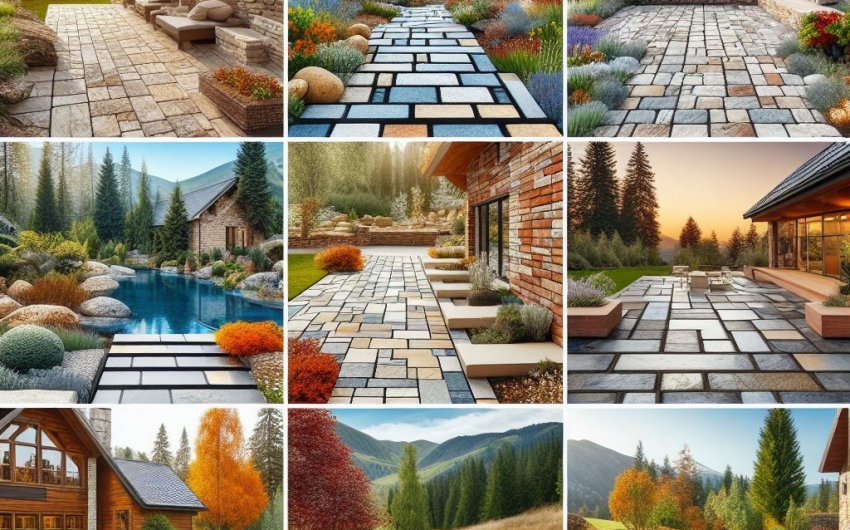
Transform your outdoor space into a haven of creativity and relaxation with stunning paver patio ideas. Imagine entertaining friends, enjoying quiet mornings with a cup of coffee, or simply unwinding after a long day in a beautiful, custom-designed outdoor living area. A paver patio offers endless possibilities for style, functionality, and adding significant value to your home. Unlike a plain concrete slab, pavers provide texture, color, and patterns that can truly reflect your personal taste and blend seamlessly with your landscape. Let's explore some captivating concepts to help you envision your dream patio.
What Are the Benefits of a Paver Patio?
Choosing pavers for your patio offers a wealth of advantages over other materials. Understanding these benefits can help you decide if a paver patio is the right choice for your home.
Durability and Longevity
Pavers are incredibly tough. They are designed to withstand harsh weather conditions, heavy foot traffic, and even the weight of patio furniture without cracking or breaking. This durability means your patio will look great for many years to come, making it a wise long-term investment. They can handle freezing and thawing cycles much better than a solid concrete slab, which tends to crack more easily. The individual nature of each paver allows for slight movement, preventing widespread damage.
Easy Maintenance
One of the most appealing aspects of a paver patio is its low maintenance requirements. Unlike wood decks that need regular staining or painting, pavers simply require occasional sweeping and perhaps a good cleaning with a hose. For tougher stains, a power washer can do wonders. If a single paver gets damaged, it can be easily replaced without having to redo the entire patio, saving you time and money in the long run. Keeping your patio looking its best is straightforward and takes minimal effort. Consider a power washer for easy cleaning.
Versatility in Design
Pavers come in an astonishing array of shapes, sizes, colors, and textures. This design versatility allows you to create a truly unique patio that complements your home’s architectural style and your personal preferences. Whether you prefer a classic, rustic, modern, or whimsical look, there’s a paver for you. You can mix and match different paver types to create intricate patterns, borders, and accents, adding a custom touch that really makes your patio stand out. The options are truly limitless, allowing for incredible creativity.
Enhanced Curb Appeal and Value
A beautifully designed paver patio significantly enhances your home’s curb appeal. It creates an inviting outdoor space that adds a touch of elegance and sophistication. This improvement in aesthetics can also boost your property value. Potential buyers often look for well-maintained and attractive outdoor living areas, and a paver patio can be a major selling point. It transforms an ordinary backyard into an extraordinary extension of your home. Investing in a paver patio is an investment in your home's overall value and desirability.
What Are Popular Paver Patio Layouts and Patterns?
The way you arrange your pavers can dramatically impact the look and feel of your patio. Exploring different layouts and patterns is key to achieving your desired aesthetic.
Running Bond Pattern
The running bond pattern is one of the most common and classic choices. It involves laying rectangular pavers in parallel rows, with each paver offset by half its length from the one below it, similar to brickwork. This pattern creates a clean, uniform look that is both timeless and understated. It’s an excellent choice for a traditional or contemporary patio design, providing a sense of order and stability. The simplicity of the running bond pattern makes it versatile for many different home styles.
Basketweave Pattern
For a more intricate and textural look, consider the basketweave pattern. This design involves laying pairs of pavers perpendicularly to each other, creating a woven effect. It adds visual interest and a touch of old-world charm to your patio. The basketweave pattern works well in both rustic and traditional settings, bringing a cozy and inviting feel to your outdoor space. It’s a great option if you want your patio to have a distinct character.
Herringbone Pattern
The herringbone pattern is known for its distinctive zigzag design, created by laying rectangular pavers at a 45-degree or 90-degree angle to each other. This pattern is incredibly strong and durable, making it ideal for areas with heavy foot traffic or even driveways. Aesthetically, the herringbone pattern adds a dynamic and sophisticated touch, often seen in more formal or modern patio designs. It directs the eye and creates a sense of movement, making your patio feel more expansive.
Circular or Fan Patterns
If you’re looking to create a focal point or break up a large rectangular space, circular or fan patterns are an excellent choice. These designs use wedge-shaped pavers to form elegant curves and arcs. A circular patio can be a perfect spot for a fire pit or a dining area, drawing attention and creating a cozy, intimate zone. Fan patterns can add a sense of grandeur and flow, making your patio feel more custom and unique. These patterns often require more precise cutting and laying of pavers but the result is stunning.
Random or Ashlar Pattern
The random or ashlar pattern involves mixing pavers of different sizes to create a natural, organic look. This pattern mimics the appearance of natural stone and can give your patio a rustic or informal feel. It’s particularly effective in naturalistic landscape designs, blending seamlessly with surrounding plants and features. The random pattern allows for greater flexibility in design and can make your patio feel more relaxed and less structured. It’s a great way to use various sizes of patio stones for a unique effect.
How Can I Choose the Right Paver Material and Color?
The material and color of your pavers are crucial elements that will define the overall aesthetic of your patio. Making the right choices can ensure your patio perfectly complements your home and landscape.
Concrete Pavers
Concrete pavers are the most popular and widely available option. They are highly durable, cost-effective, and come in an extensive range of colors, shapes, and textures. Concrete pavers can mimic the look of natural stone, brick, or even wood, offering incredible versatility. They are manufactured to high standards, ensuring consistent quality and performance. If you're looking for a balance of affordability, durability, and design options, concrete pavers are an excellent choice. They are strong enough to handle all kinds of weather.
Clay Brick Pavers
For a classic, timeless appeal, clay brick pavers are a beautiful choice. Made from natural clay, they offer warm, earthy tones and a rustic charm that never goes out of style. Brick pavers are extremely durable and naturally resistant to fading. They are often used in traditional and historic settings, but can also add character to more contemporary designs. The rich colors of clay brick pavers deepen with age, adding to their appeal. They create a cozy and inviting atmosphere. Consider brick pavers for a traditional look.
Natural Stone Pavers
Natural stone pavers, such as travertine, bluestone, granite, or flagstone, offer unparalleled beauty and elegance. Each piece of natural stone is unique, with its own distinct patterns and variations in color, creating a truly one-of-a-kind patio. While generally more expensive than concrete or clay pavers, natural stone pavers provide a luxurious and high-end look. They are incredibly durable and will last for generations. If you’re aiming for a sophisticated and organic aesthetic, natural stone pavers are the ultimate choice. They connect your patio directly to the earth.
Permeable Pavers
Permeable pavers are designed to allow water to drain through the joints and into the ground below, reducing stormwater runoff and replenishing groundwater. They are an environmentally friendly option that helps manage water effectively. Permeable pavers are becoming increasingly popular, especially in areas with strict building codes or those prone to flooding. They offer the same aesthetic benefits as traditional pavers while providing important ecological advantages. This type of paver is a smart choice for a sustainable home.
Choosing Paver Colors
The color of your pavers significantly influences the overall mood and style of your patio. Lighter colors can make a space feel larger and cooler, reflecting sunlight, while darker colors can create a more intimate and cozy atmosphere, absorbing heat. Consider the existing colors of your home’s exterior, roof, and surrounding landscape when making your selection. A cohesive color palette will ensure your patio blends beautifully with its surroundings. For example, warm tones like reds and browns often complement traditional homes, while grays and charcoals suit modern designs. It's helpful to get some paver samples to see them in person.
What Are Creative Paver Patio Accents and Features?
Beyond the basic layout, adding accents and features can elevate your paver patio from ordinary to extraordinary. These elements provide functionality, comfort, and a touch of personal flair.
Integrated Seating Walls
Adding integrated seating walls around the perimeter of your paver patio offers a functional and stylish solution for entertaining. These walls provide ample seating without the need for additional furniture, freeing up valuable space on the patio itself. They can be built with matching pavers or contrasting materials to create visual interest. Seating walls also define the patio space, creating a sense of enclosure and coziness. They are perfect for large gatherings and offer a built-in look.
Fire Pits and Fireplaces
A fire pit or outdoor fireplace is a fantastic addition to any paver patio, creating a warm and inviting gathering spot. Imagine cool evenings spent gathered around a crackling fire, roasting marshmallows or simply enjoying the ambiance. Fire pits can be circular or square, built with pavers or pre-made kits. An outdoor fireplace offers a grander statement and often serves as a focal point for the entire patio. These features extend the usability of your patio into cooler months and evenings. Many types of fire pits are available.
Outdoor Kitchens and Grilling Areas
For the ultimate in outdoor entertaining, consider incorporating an outdoor kitchen or dedicated grilling area into your paver patio. This can range from a simple built-in grill station to a full-fledged kitchen with countertops, sinks, and even a refrigerator. An outdoor kitchen makes entertaining a breeze, allowing you to prepare and serve food without constantly running in and out of your house. It transforms your patio into a true extension of your living space, perfect for summer parties and family cookouts.
Water Features
The gentle sound of flowing water can transform your paver patio into a tranquil oasis. Adding a water feature like a small fountain, a bubbling rock, or a pond can create a calming atmosphere and block out unwanted noise. Water features add visual appeal and a sense of serenity, making your patio a perfect spot for relaxation and meditation. They can be integrated seamlessly into the paver design or placed as standalone elements. A simple garden fountain can make a big difference.
Integrated Lighting
Proper lighting is essential for both safety and ambiance on your paver patio. strategically placed lights can highlight features, illuminate pathways, and create a magical glow in the evenings. Options include low-voltage path lights, string lights, uplights for plants, or even lights integrated directly into the pavers. Lighting extends the usability of your patio long after the sun goes down, making it perfect for evening gatherings or quiet relaxation. It also adds a layer of security to your outdoor space.
Borders and Edging
Adding borders and edging around your paver patio can define the space and provide a neat, finished look. Borders can be created with contrasting paver colors or patterns, or with different materials like natural stone or brick. Edging helps keep the pavers in place and prevents them from shifting. These subtle details can make a big impact on the overall design, adding a refined touch and enhancing the visual appeal of your patio. They really frame the patio nicely.
Pergolas and Awnings
To provide shade and create a more defined outdoor room, consider adding a pergola or awning over your paver patio. A pergola is an open structure with a slatted roof that can be adorned with climbing plants, offering dappled shade and a charming aesthetic. An awning, either retractable or fixed, provides more substantial protection from sun and rain. Both options allow you to enjoy your patio even on hot sunny days or during light showers, increasing its comfort and usability. A retractable awning is very convenient.
What Are Essential Steps for Paver Patio Installation?
Installing a paver patio involves several important steps to ensure a stable, durable, and beautiful finished product. While professional installation is often recommended, understanding the process can help you appreciate the work involved or even guide a DIY project.
Planning and Design
The first and most crucial step is planning and design. This involves determining the size, shape, and location of your patio. Consider how you will use the space – for dining, lounging, or entertaining? Sketch out your ideas, measure the area, and choose your paver type, color, and pattern. Obtain any necessary permits from your local municipality. Proper planning at this stage will save you time and headaches later on. Think about how the patio will connect to your home and other areas of your yard.
Excavation and Base Preparation
Once the design is finalized, the site needs to be prepared. This involves excavation – digging out the area to the correct depth, usually around 6 to 10 inches, depending on the thickness of your pavers and the type of base material. The excavated area is then filled with a stable base material, typically crushed gravel or a similar aggregate. This base layer must be compacted thoroughly using a plate compactor to create a solid, level foundation for your pavers. This step is critical for preventing settling and ensuring long-term stability. A good plate compactor is essential.
Edge Restraints
Before laying the pavers, edge restraints are installed around the perimeter of the patio. These restraints, usually made of plastic, metal, or concrete, prevent the pavers from shifting and moving outwards over time. They provide a strong boundary that keeps the entire patio system in place, ensuring the integrity of your design. Proper edge restraint installation is vital for the longevity of your paver patio.
Laying the Bedding Layer
On top of the compacted base, a thin layer of bedding material, typically sand or gravel, is spread evenly. This bedding layer provides a smooth, level surface on which to lay the pavers. It also allows for minor adjustments to each paver during installation to ensure a perfectly flat patio surface. The thickness of this layer is usually about 1 inch.
Laying the Pavers
This is the most visually rewarding step: laying the pavers according to your chosen pattern. Start from one corner or edge and work your way across the patio, carefully placing each paver in its position. Use a string line or level to ensure straight lines and consistent spacing. Cut pavers as needed with a paver saw to fit around obstacles or create custom shapes. Take your time to ensure precision and a professional finish. A paver saw is a valuable tool for cuts.
Joint Sand Application and Compaction
Once all the pavers are laid, joint sand (often polymeric sand) is swept into the gaps between the pavers. This sand fills the joints, locks the pavers together, and helps prevent weed growth and insect infestations. After sweeping, the patio is compacted again with a plate compactor. This second compaction vibrates the sand deep into the joints, making the patio even more stable. For polymeric sand, water is then applied to activate its binding properties, creating a hard, durable joint. This step is crucial for the stability and long-term appearance of your patio.
Final Cleaning and Sealing
The final steps involve a thorough cleaning of the patio surface to remove any excess sand or debris. Optionally, a paver sealer can be applied. Sealers help protect the pavers from stains, enhance their color, and provide an extra layer of protection against the elements. While not always necessary, sealing can extend the life and beauty of your paver patio, keeping it looking new for longer. It's a great way to protect your investment.