
Maximizing Space and Efficiency: Vertical Hydroponic Gardening Techniques
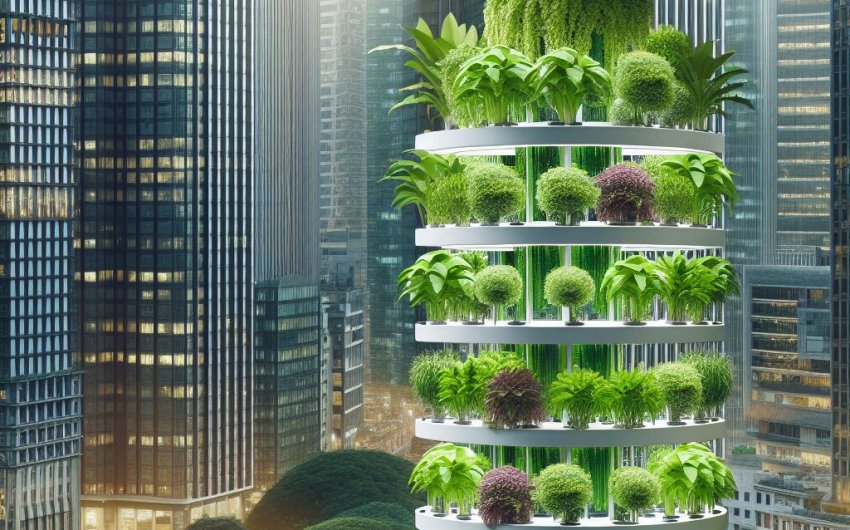
Vertical hydroponic gardening is a revolutionary way to grow plants by stacking them in layers, either vertically or at an incline, using soilless methods. This innovative approach maximizes yield in minimal floor space, making it perfect for urban gardeners, small balconies, or indoor cultivation.
What is Vertical Hydroponic Gardening?
Vertical hydroponic gardening combines the principles of hydroponics—growing plants in nutrient-rich water instead of soil—with vertical farming techniques. Instead of spreading plants horizontally, you arrange them in vertical structures, often using towers, walls, or tiered shelving units. This method dramatically increases the number of plants you can grow in a given footprint.
How does vertical hydroponics work?
In essence, a vertical hydroponic system delivers a specially formulated nutrient solution directly to plant roots. Gravity often plays a role, with the solution pumped to the top of the structure and then allowed to trickle down past each layer of plants, ensuring all plants receive hydration and nutrients. The excess solution is collected at the bottom and recirculated, making it incredibly water-efficient.
What are the main benefits of vertical hydroponics?
- Space efficiency: Grow significantly more plants in a smaller area, ideal for urban settings or compact homes.
- Water conservation: Uses up to 90% less water than traditional soil gardening due to recirculation.
- Faster growth: Plants often grow faster and yield more due to optimized nutrient delivery.
- Reduced pests and diseases: Soilless environment minimizes soil-borne pathogens and pests.
- Year-round growing: Indoor setups allow cultivation regardless of season or climate.
- Less labor: Reduced weeding, tilling, and often less bending for harvesting.
- Environmental control: Easier to control temperature, humidity, and light for optimal plant health.
What are the different types of vertical hydroponic systems?
There are several popular vertical hydroponic system designs, each with its own advantages and best uses. Understanding these types will help you choose the right system for your specific needs and space.
1. Vertical NFT (Nutrient Film Technique) Systems
Vertical NFT systems adapt the traditional NFT concept by orienting channels vertically or at a steep incline. A thin film of nutrient solution flows down these channels, washing over the roots of plants nestled in openings along the channel.
- How it works: A pump sends the nutrient solution to the top of the vertical channels. Gravity then pulls the solution downwards, creating a thin film that coats the roots as it passes. The excess solution drains back to the reservoir.
- Best for: Leafy greens (lettuce, spinach, kale), herbs (basil, mint, cilantro), and strawberries.
- Pros: Very water and nutrient-efficient, good oxygenation for roots, easy to monitor root health.
- Cons: Not ideal for plants with large root systems or heavy fruiting plants, can be susceptible to power outages (roots dry out quickly), requires a consistent, thin film flow.
2. Vertical Drip Systems
Vertical drip systems are highly versatile and work by delivering nutrient solution directly to the base of each plant through small drippers. These systems can be arranged in vertical stacks of individual pots or containers.
- How it works: A main pump sends nutrient solution through tubing, which branches off into individual drip lines for each plant. A small emitter or dripper at the end of each line releases a controlled amount of solution. Excess solution drains through the growing medium and is collected below for recirculation or disposal (if non-recirculating).
- Best for: A wide range of plants, including larger fruiting vegetables like tomatoes, peppers, and cucumbers, as well as herbs and leafy greens.
- Pros: Highly adaptable, less prone to clogging than NFT, good for a variety of plant sizes, offers excellent root oxygenation.
- Cons: Can be less water-efficient if not recirculating, drippers can clog over time, requires precise nutrient delivery to each plant.
3. Vertical Aeroponic Towers
Vertical aeroponic towers represent a more advanced hydroponic technique where plant roots hang in the air and are misted with nutrient solution. These towers are known for extremely fast growth rates and high yields.
- How it works: Plants are placed in small net pots along the sides of a tall, hollow tower. Their roots dangle inside. A pump at the bottom pushes nutrient solution up a central column to a mister or sprinkler head at the top, which then sprays a fine mist onto the roots.
- Best for: Leafy greens, herbs, strawberries, and some smaller fruiting plants.
- Pros: Extremely high oxygenation for roots leading to very rapid growth, highly efficient use of water and nutrients, compact design.
- Cons: More complex and expensive to set up, highly dependent on pump and mister functionality (a clog can quickly dry out roots), requires precise nutrient solution and fine mist.
4. Vertical Wick Systems
Vertical wick systems are the simplest and most passive vertical hydroponic setup, relying on capillary action to draw nutrient solution up to the plants. They are excellent for beginners.
- How it works: Plants are housed in containers with a growing medium, and a wick extends from the bottom of the container down into a reservoir of nutrient solution below. The wick draws the solution upwards to the roots. For verticality, multiple wick systems can be stacked.
- Best for: Small, non-fruiting plants like herbs and leafy greens, especially in smaller, DIY setups.
- Pros: Very low cost, no pumps or electricity needed, minimal maintenance, good for beginners.
- Cons: Less efficient nutrient delivery, prone to nutrient buildup in the growing medium, not suitable for large or heavy-feeding plants, can lead to uneven watering.
5. Vertical Ebb and Flow (Flood and Drain) Systems
While typically horizontal, ebb and flow systems can be adapted vertically by using tiered trays that flood and drain on a timer.
- How it works: Nutrient solution is periodically pumped from a reservoir to flood a growing tray or a series of trays where plants are located. After a set time, the solution drains back into the reservoir via gravity. This cycle repeats on a timer.
- Best for: A wide range of plants, including leafy greens, herbs, and even some vegetables that can tolerate periodic submersion.
- Pros: Excellent root oxygenation during drainage, relatively simple to operate once set up, versatile for various growing media.
- Cons: Can be heavier due to flood volumes, requires precise timing, may not be as space-efficient vertically as other true vertical designs.
What plants are best suited for vertical hydroponics?
The success of your vertical hydroponic garden largely depends on choosing the right plants. Smaller, faster-growing plants with compact root systems are generally ideal.
Ideal plants for vertical hydroponic systems:
- Leafy Greens:
- Lettuce (various types): Romaine, butterhead, loose leaf, spring mix – grow quickly and are perfect for consistent harvesting.
- Spinach: Fast-growing and high-yielding in vertical setups.
- Kale: Many varieties do well, especially dwarf or compact types.
- Swiss Chard: Adds color and nutrition, thrives vertically.
- Arugula: Quick to mature and excellent for small spaces.
- Herbs:
- Basil: Prolific and aromatic, loves hydroponic conditions.
- Mint: Grows vigorously, perfect for containing its spread in a vertical system.
- Cilantro: A popular herb that can be grown continually.
- Parsley: Both flat-leaf and curly varieties do well.
- Chives: Easy to grow and harvest.
- Oregano and Thyme: Bushy herbs that don't take up too much space.
- Strawberries: These vining fruits are excellent for vertical towers, allowing their runners to cascade down.
- Bush Beans: Some compact bush bean varieties can be grown, especially in drip or ebb and flow systems.
- Peas: Dwarf varieties of shelling or snap peas can be trained upwards.
- Small Peppers: Mini bell peppers or hot peppers with compact growth habits can succeed in well-supported vertical systems.
- Microgreens and Sprouts: Can be grown in trays stacked vertically, though this is a slightly different application.
Plants to generally avoid in vertical hydroponics:
- Large fruiting plants: Pumpkins, squash, watermelon – too heavy and sprawling.
- Root vegetables: Carrots, potatoes, radishes – require growing media depth that vertical systems typically don't provide.
- Corn: Too tall and space-intensive.
- Fruit trees/bushes: Require extensive root systems and long-term commitment.
What are the essential components of a vertical hydroponic setup?
Building or buying a vertical hydroponic system requires understanding its core components. While designs vary, most systems share a common set of essential parts.
Key components for vertical hydroponic systems:
- Growing Structure: This is the vertical framework itself. It could be:
- Towers: Self-contained units with planting pockets.
- Vertical panels/walls: Planters mounted on a wall.
- Stacked containers: Individual pots or modules arranged vertically.
- Tiered shelves: Flat trays on a vertical rack.
- Reservoir: A container at the base to hold the nutrient solution. It should be opaque to prevent algae growth.
- Submersible Pump: Circulates the nutrient solution from the reservoir to the top of the system. Look for a hydroponic pump with adequate flow rate for your system height.
- Tubing/Piping: Carries the nutrient solution from the pump to the plants and often back to the reservoir.
- Delivery System (Specific to Type):
- Drippers/Emitters: For drip systems.
- Spray nozzles/Misters: For aeroponic systems.
- Flow channels: For NFT systems.
- Wicks: For wick systems.
- Growing Media: Soilless material to support the plant and hold some moisture.
- Rockwool: Common for starting seeds and seedlings.
- Coco Coir: Made from coconut husks, good water retention.
- Perlite: Lightweight volcanic glass, provides aeration.
- Hydroton (clay pebbles): Inert, porous, and reusable.
- Stonewool cubes: Similar to rockwool.
- Net Pots/Cups: Small plastic cups with mesh bottoms to hold the plant and growing medium, allowing roots to grow into the nutrient solution.
- Nutrient Solution: A specially formulated blend of essential minerals dissolved in water. Hydroponic nutrient kits often come in two or three parts.
- pH Testing Kit/Meter: Crucial for monitoring and adjusting the pH level of your nutrient solution. A digital pH meter is highly recommended.
- pH Up/Down Solutions: Used to adjust the pH of the nutrient solution to the optimal range for your plants (typically 5.5-6.5).
- EC/TDS Meter: Measures the electrical conductivity or total dissolved solids in your nutrient solution, indicating its strength. A combo meter is convenient.
- Air Pump and Airstone (for DWC or sometimes reservoir aeration): Increases dissolved oxygen in the nutrient solution, vital for healthy roots.
- Grow Lights (for indoor setups): Essential for providing the necessary light spectrum and intensity. LED grow lights are energy-efficient and popular.
- Timer: For controlling grow lights and the nutrient pump cycle.
How do you set up a basic vertical hydroponic system?
Setting up a vertical hydroponic system can seem daunting, but by breaking it down into steps, it becomes manageable. This guide provides a general overview; specific instructions may vary based on your chosen system type.
Step-by-step guide for a basic vertical system:
- Choose your system type: Decide between NFT, drip, aeroponic tower, or another system based on your plants, budget, and space. For beginners, a simple drip system or a pre-made vertical hydroponic tower kit is a good start.
- Assemble the vertical structure: Follow the manufacturer's instructions to build your tower, wall unit, or tiered shelves. Ensure it's stable and secure.
- Place the reservoir: Position your opaque nutrient reservoir at the base of the system, making sure it's easily accessible for maintenance.
- Install the pump and plumbing:
- Place the submersible pump in the reservoir.
- Connect the main delivery tube from the pump to the top of your vertical structure.
- Run any return lines or drainage back into the reservoir.
- If using drip emitters or misters, install them according to your system's design.
- Prepare your seedlings:
- Start seeds in a sterile medium like rockwool or coco coir.
- Once seedlings have developed a few true leaves and a small root system, they are ready for transplanting.
- Prepare the nutrient solution:
- Fill the reservoir with clean, filtered water.
- Add your chosen hydroponic nutrients according to the manufacturer's instructions for the specific growth stage of your plants (e.g., vegetative or flowering).
- Stir thoroughly.
- Measure and adjust pH: Use your pH meter to check the pH. Adjust it using pH up/down solutions until it falls within the optimal range (e.g., 5.5-6.5 for most plants).
- Measure EC/TDS: Use your EC/TDS meter to ensure the nutrient strength is appropriate.
- Transplant seedlings:
- Gently place your sprouted seedlings (often still in their rockwool cubes or coco coir plugs) into the net pots.
- Fill any remaining space in the net pot with an inert growing medium like hydroton.
- Place the net pots into the designated openings in your vertical structure.
- Turn on the pump and lights (if indoor):
- Plug in the submersible pump and check that nutrient solution is flowing correctly.
- Set up your grow lights on a timer, usually for 12-18 hours of light per day, depending on the plant.
- Monitor and maintain: Regularly check pH, EC, water level, and plant health.
What are the ideal environmental conditions for vertical hydroponics?
While vertical hydroponic systems offer controlled environments, maintaining optimal conditions is crucial for plant health and maximizing yields. Thinking about your grow space as a mini-ecosystem helps.
Key environmental factors to control:
- Light:
- Intensity: Measured in PPFD (Photosynthetic Photon Flux Density). Different plants have different light requirements. Leafy greens need less intense light than fruiting plants.
- Spectrum: Full-spectrum LED grow lights are usually best, mimicking natural sunlight.
- Duration: Most plants require 12-18 hours of light per day, followed by a dark period for respiration. Use a light timer for consistency.
- Temperature:
- Air temperature: Generally, 65-75°F (18-24°C) is ideal for most plants. Avoid extreme fluctuations.
- Nutrient solution temperature: Crucial for root health and oxygen retention. Aim for 65-72°F (18-22°C). Use a water chiller if temperatures get too high.
- Humidity:
- Relative Humidity (RH): Varies by plant stage. Seedlings prefer higher humidity (70-80%), while mature plants often do best in 40-60%.
- Use a hygrometer to monitor and a humidifier or dehumidifier to adjust.
- Air Circulation:
- Gentle airflow: Prevents stagnant air, strengthens stems, helps prevent fungal issues, and aids in gas exchange.
- Use small oscillating fans, but avoid direct strong blasts on plants.
- CO₂ (Carbon Dioxide):
- In enclosed indoor setups, CO₂ can become depleted. Supplementation (via CO₂ generators or CO₂ bags) can boost growth, especially with intense lighting.
What are common challenges in vertical hydroponics and how can they be solved?
Even with the advantages, vertical hydroponic gardening comes with its own set of potential problems. Knowing how to troubleshoot these issues is key to long-term success.
Common problems and solutions:
- Uneven watering/nutrient distribution:
- Problem: Plants at different levels receive varying amounts of water or nutrients, leading to uneven growth.
- Solution: Regularly check that all emitters or channels are flowing correctly. Clean any clogged drippers. Ensure your pump is strong enough to reach the top and provide consistent flow.
- Algae growth in the reservoir or channels:
- Problem: Green slime indicates light exposure to the nutrient solution, competing for nutrients and depleting oxygen.
- Solution: Block out all light from the reservoir and plumbing using opaque materials. Regular cleaning and reservoir changes are essential.
- Root rot:
- Problem: Brown, slimy, or foul-smelling roots caused by lack of oxygen and/or high water temperatures.
- Solution: Ensure good aeration in the reservoir (air pump and airstone). Keep nutrient solution temperatures between 65-72°F (18-22°C). Clean the system thoroughly and consider beneficial microbes.
- Nutrient deficiencies or toxicities:
- Problem: Plants show symptoms like yellowing leaves, burnt tips, or stunted growth. Often linked to incorrect pH or EC.
- Solution: Regularly monitor and adjust pH and EC with calibrated meters. Use a balanced, high-quality hydroponic nutrient solution. Perform regular reservoir changes.
- Pest infestations:
- Problem: Aphids, spider mites, or fungus gnats can still find their way into a hydroponic system.
- Solution: Inspect plants daily. Use preventative measures like sticky traps. Apply organic pest control methods like insecticidal soap or neem oil at the first sign of pests.
- Pump failure:
- Problem: The pump stops working, halting nutrient flow and quickly dehydrating roots.
- Solution: Have a spare pump on hand, especially for aeroponic systems. Regularly check and clean your pump to prevent clogs and ensure longevity.
- Light intensity issues:
- Problem: Plants are either leggy (not enough light) or have burnt leaves (too much light).
- Solution: Adjust the distance of your grow lights or their intensity. Research the specific light requirements for your plants.
How do you maintain a vertical hydroponic garden for optimal health?
Regular maintenance is the cornerstone of a successful vertical hydroponic system. Consistent care ensures your plants receive everything they need to thrive and prevents major problems from developing.
Essential maintenance tasks:
- Daily Checks:
- Inspect plants: Look for any signs of pests, diseases, wilting, or discolored leaves. Early detection is key.
- Check water level: Top off the reservoir with pH-adjusted, plain water (not nutrient solution) to compensate for evaporation and plant uptake.
- Verify pump function: Ensure the nutrient solution is flowing correctly throughout the system.
- Every 1-3 Days:
- Monitor pH: Use your pH meter to check the pH of the nutrient solution. Adjust as needed using pH up/down solutions to keep it in the optimal range for your plants.
- Weekly (or every 7-10 days):
- Reservoir change (nutrient refresh): This is crucial. Drain the entire reservoir, clean it thoroughly to prevent algae and pathogen buildup, and then refill with fresh water and a new batch of properly mixed nutrient solution.
- Calibrate meters: Calibrate your pH and EC/TDS meters with calibration solutions to ensure accurate readings.
- Monitor EC/TDS: After the nutrient refresh, check the EC/TDS to ensure the nutrient strength is correct for your plant's stage of growth.
- Clean equipment: Wipe down the outside of tubing, channels, and the reservoir. Check airstones and drippers for clogs.
- Monthly/Periodically:
- Thorough system cleaning: Take apart accessible components (tubes, pump, net pots) and clean them more thoroughly to remove any mineral buildup or algae.
- Pruning and training: Prune dead or yellowing leaves to encourage new growth. For vining plants, guide them as needed.
- Replenish growing media: If using reusable media like hydroton, rinse and sterilize it between crop cycles.
Can vertical hydroponics be used outdoors?
Absolutely! Vertical hydroponic gardening is not limited to indoor spaces; it can be incredibly effective outdoors as well, especially on balconies, patios, or in small backyard areas. However, outdoor systems have their own unique considerations.
Considerations for outdoor vertical hydroponic systems:
- Sunlight: Ensure your outdoor system receives adequate direct sunlight (at least 6-8 hours for most plants). Position it to maximize sun exposure.
- Temperature: Outdoor systems are subject to ambient air temperatures, which can fluctuate. Monitor both air and nutrient solution temperatures closely. Consider insulating your reservoir or partially burying it to keep the solution cool in summer.
- Rainfall: Heavy rain can dilute your nutrient solution, affecting its strength and pH.
- Solution: Use a cover or awning to protect your system from heavy rain. If uncovered, remember to adjust nutrient strength and pH after heavy rainfall.
- Pests and diseases: Outdoor systems are more exposed to garden pests and airborne diseases.
- Solution: Regular inspection is even more critical. Use physical barriers like netting if needed. Embrace beneficial insects for pest control.
- Wind: Strong winds can physically damage plants or cause them to dry out faster.
- Solution: Choose a sheltered location or provide windbreaks. Ensure your vertical structure is sturdy and anchored to prevent tipping.
- Algae: More prevalent outdoors due to direct sunlight.
- Solution: Strictly use opaque materials for the reservoir and all plumbing. Regularly clean the system.
- Water evaporation: Outdoor heat and wind can lead to faster evaporation from the reservoir.
- Solution: Check water levels daily and top off as needed. Consider a larger reservoir to minimize frequent top-offs.
Is vertical hydroponics environmentally friendly?
Vertical hydroponic gardening boasts several environmental advantages, contributing to more sustainable food production, especially in urban settings. Its efficiency in resource use makes it a compelling alternative to traditional agriculture.
Environmental benefits of vertical hydroponics:
- Significant water savings: Recirculating systems can use up to 90% less water than soil-based farming because water that isn't absorbed by plants is captured and reused.
- Reduced land use: Growing vertically means maximizing yield per square foot, freeing up valuable agricultural land for other uses or conservation. This is particularly impactful in urban areas.
- Lower transportation costs and emissions: When located in or near urban centers, vertical farms drastically reduce the distance food travels from farm to plate, cutting down on fuel consumption and associated carbon emissions.
- Reduced need for pesticides and herbicides: The controlled, soilless environment minimizes the presence of soil-borne pests and weeds, often eliminating the need for chemical pesticides and herbicides.
- Efficient nutrient use: Nutrients are delivered precisely to the roots and recirculated, leading to less runoff and waste compared to traditional farming, where excess nutrients can pollute waterways.
- Year-round local production: Enables continuous, local food production regardless of external climate, reducing reliance on seasonal imports.
- Minimized soil erosion: Since no soil is used, there's no risk of soil erosion.
What's the best way to get started with vertical hydroponics as a beginner?
Starting your vertical hydroponic gardening journey is exciting! For beginners, simplicity and learning from experience are key. Don't try to tackle the most complex system right away.
Tips for beginners:
- Start small and simple: Don't invest in a huge, complex system initially. A small, easy-to-manage vertical herb garden kit or a single aeroponic tower is a great starting point.
- Choose easy-to-grow plants: Begin with resilient, fast-growing plants like lettuce, spinach, or common herbs (basil, mint). They are more forgiving and provide quick success.
- Read and research: Before buying anything, thoroughly research the different system types and understand the basics of hydroponics.
- Invest in quality meters: A reliable pH meter and EC/TDS meter are non-negotiable. Learn how to calibrate them and use them consistently.
- Use a complete hydroponic nutrient solution: Don't try to mix your own nutrients from scratch. Purchase a reputable, all-in-one or multi-part hydroponic nutrient kit and follow the directions carefully.
- Maintain cleanliness: Get into a routine of regular reservoir changes and system cleaning from day one. This prevents most common problems.
- Monitor environmental conditions: Even if you don't have a fully controlled grow room, be aware of your ambient temperature and humidity. Use a thermo-hygrometer to keep an eye on things.
- Don't be afraid to experiment: Once you've mastered the basics, you can gradually introduce new plants or experiment with different settings. Every gardener makes mistakes; learning from them is part of the process.
Vertical hydroponic gardening offers a fantastic opportunity to grow more food in less space with greater efficiency. By understanding the different techniques, choosing appropriate plants, and committing to consistent maintenance, you can enjoy abundant harvests and the many benefits this innovative method provides.