
5 Easy Houseplants Anyone Can Keep Alive (Even You!)
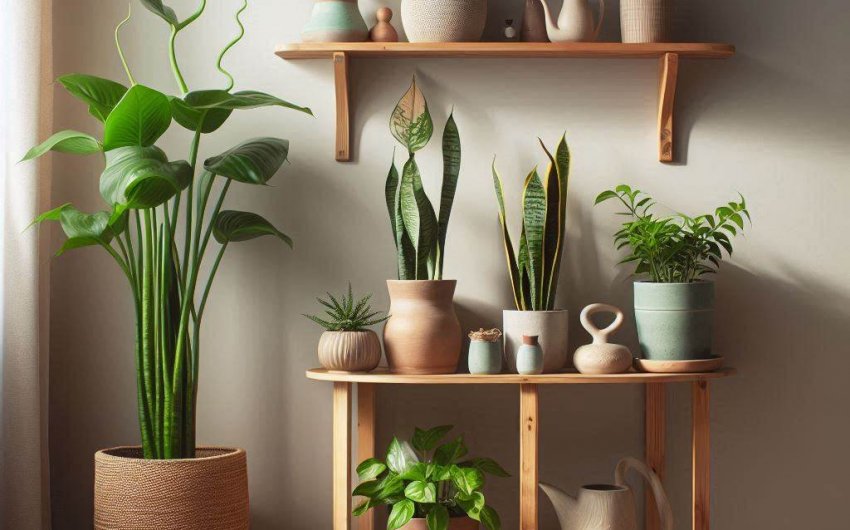
Keeping houseplants alive doesn't have to be a struggle, even for those who consider themselves "plant killers." Five incredibly forgiving houseplants that are almost impossible to kill are the Snake Plant, ZZ Plant, Pothos, Spider Plant, and Peace Lily, making them perfect for beginners or busy individuals.
Why are some houseplants easier to care for than others?
Certain houseplants are naturally more resilient because they've evolved in harsh environments. This means they can tolerate a wider range of conditions, like inconsistent watering, lower light, or varying humidity levels, making them much more forgiving for home growers. Their adaptability is what makes them "easy" to care for.
What makes a houseplant "easy" for beginners?
- Tolerance for infrequent watering: Many easy plants can go weeks without water and bounce back.
- Low light adaptability: They don't need bright, direct sun and can thrive in shadier spots.
- Pest resistance: Less prone to common houseplant pests.
- Forgiveness for neglect: They won't immediately die if you forget about them for a bit.
- Hardiness: Can handle fluctuating temperatures and humidity.
What is a Snake Plant and why is it so hard to kill?
The Snake Plant ( Sansevieria trifasciata), also known as Mother-in-Law's Tongue, is practically indestructible, making it a champion among easy houseplants. Its stiff, upright leaves with striking patterns add a modern touch to any room. This plant is famously tolerant of neglect, thriving on minimal attention.
Why the Snake Plant is beginner-friendly:
- Low water needs: It's a succulent, storing water in its leaves, so it prefers to dry out completely between waterings. Overwatering is its only real enemy.
- Adapts to almost any light: While it prefers bright, indirect light, it can happily survive in very low light conditions, even a dim corner. It can also tolerate some direct sun.
- Tolerates varied temperatures: It's happy in average room temperatures and can handle slight fluctuations.
- Improves air quality: NASA studies show it helps filter indoor air by removing toxins like formaldehyde and benzene, even at night by converting CO₂ to oxygen.
How to care for a Snake Plant:
- Light: Bright, indirect light is ideal, but it tolerates low light. Avoid direct, harsh afternoon sun if possible.
- Water: Water thoroughly, then allow the soil to dry out completely before watering again. This might mean watering only every 2-4 weeks, or even less in winter. When in doubt, wait. Using a soil moisture meter can provide accurate readings.
- Soil: Use a well-draining potting mix, ideally one formulated for succulents or cacti.
- Humidity: Tolerates average household humidity.
- Fertilizer: Feed sparingly, once or twice during the growing season (spring/summer) with a balanced liquid houseplant fertilizer at half strength.
- Repotting: Only repot when root-bound, typically every 2-5 years.
What makes the ZZ Plant a truly unkillable houseplant?
The ZZ Plant ( Zamioculcas zamiifolia) is a marvel of resilience, known for its thick, waxy, dark green leaves that grow upward from bulbous rhizomes beneath the soil. It's truly one of the most forgiving houseplants, capable of surviving in conditions that would kill most other greenery.
Why the ZZ Plant is nearly indestructible:
- Extreme drought tolerance: Its thick rhizomes store water, allowing it to go for weeks, or even months, without water. It's much easier to overwater than underwater this plant.
- Thrives in low light: It can survive in remarkably dim conditions, making it perfect for offices or rooms with little natural light. While it tolerates bright, indirect light, it truly excels in low-light survival.
- Pest and disease resistant: It's rarely bothered by common houseplant pests, and its tough foliage helps resist diseases.
- Adapts to neglect: If you forget about it for extended periods, it usually just slows down growth rather than dying.
How to care for a ZZ Plant:
- Light: Low to bright, indirect light. Avoid direct sunlight, which can scorch its leaves.
- Water: Water only when the soil is completely dry to the touch. This could be every 3-6 weeks, or even longer in cooler, darker conditions. Err on the side of underwatering.
- Soil: A well-draining potting mix is crucial. Cactus/succulent mix or a standard potting mix with added perlite works well.
- Humidity: Tolerates average household humidity.
- Fertilizer: Feed very lightly, once or twice a year during spring/summer, with a diluted balanced liquid fertilizer.
- Repotting: Repot infrequently, only when severely root-bound, every 2-3 years.
Why is a Pothos a perfect beginner houseplant?
The Pothos ( Epipremnum aureum) is a trailing vine renowned for its beautiful heart-shaped leaves and incredible hardiness. Available in many varieties with different variegation (like 'Neon', 'Marble Queen', 'Jade'), it's a wonderfully versatile and easy houseplant that can be grown in hanging baskets or trained to climb.
Why the Pothos is so easy to keep alive:
- Forgiving about watering: It tells you exactly when it's thirsty by slightly drooping its leaves, making it hard to over or underwater. It recovers quickly once watered.
- Tolerates a range of light conditions: While it prefers bright, indirect light, it can adapt to low light, though its variegation might become less pronounced.
- Easy to propagate: You can easily take cuttings and root them in water, creating more plants or sharing with friends.
- Adapts to various environments: Happy in most indoor conditions and not particularly fussy about humidity.
How to care for a Pothos:
- Light: Bright, indirect light is best for vibrant variegation. It tolerates low light but may grow slower and lose some color.
- Water: Water when the top 1-2 inches of soil feel dry. Wait for the leaves to slightly droop as a sign it's thirsty, then water thoroughly. Avoid letting it sit in soggy soil.
- Soil: A standard, good-quality indoor potting mix that drains well.
- Humidity: Tolerates average household humidity, but appreciates higher humidity occasionally (e.g., misting).
- Fertilizer: Feed once a month during the spring and summer growing season with a balanced liquid houseplant fertilizer.
- Pruning: Prune regularly to maintain shape and encourage bushier growth.
- Propagation: Easily propagate by taking stem cuttings with 2-3 nodes and placing them in water until roots form.
Why are Spider Plants considered foolproof for new plant parents?
The Spider Plant ( Chlorophytum comosum) is a classic easy houseplant known for its arching, variegated leaves and its adorable "spiderettes" (baby plantlets) that dangle from its stems. It's a fantastic choice for hanging baskets and is notoriously forgiving.
Why the Spider Plant is ideal for beginners:
- Low maintenance: It's happy with fairly standard care and doesn't demand constant attention.
- Hardy and adaptable: It can tolerate a range of temperatures, light conditions, and watering schedules.
- Air purification: It's well-known for its ability to filter common indoor air toxins like formaldehyde and xylene.
- Easy to propagate: The "spiderettes" can be easily rooted and potted up, giving you an endless supply of new plants.
- Visual cues: Its leaves will start to look pale or develop brown tips if it's too dry, helping you know when to water.
How to care for a Spider Plant:
- Light: Bright, indirect light is preferred. It can tolerate some lower light but may not produce as many spiderettes. Avoid direct, intense sun.
- Water: Water when the top inch of soil feels dry. Keep the soil consistently moist but never soggy. Slightly reduce watering in winter.
- Soil: A well-draining, all-purpose potting mix.
- Humidity: Prefers higher humidity but tolerates average household levels. Misting occasionally can help prevent brown leaf tips.
- Fertilizer: Feed every 2-4 weeks during spring and summer with a balanced liquid houseplant fertilizer.
- Repotting: Repot annually or bi-annually, especially if it's producing many spiderettes and becoming root-bound.
- Propagation: Simply snip off a spiderette, place it in water or moist soil, and watch it root.
Can anyone keep a Peace Lily alive?
Yes, absolutely! The Peace Lily ( Spathiphyllum) is an elegant houseplant famous for its glossy green leaves and distinctive white "flowers" (which are actually modified leaves called spathes). It's a surprisingly resilient plant that actively communicates its needs, making it a perfect candidate for those who struggle with plant care.
Why the Peace Lily is an easy-care winner:
- Dramatic wilting: It will dramatically droop its leaves when thirsty, making it very clear when it needs water. This visible cue makes it hard to kill from underwatering, as it will bounce back quickly after a good drink.
- Tolerates low light: While it might not flower as much, a Peace Lily can happily grow in medium to low indirect light, making it suitable for many indoor spaces.
- Air purification: It's one of NASA's top air-purifying plants, effectively removing toxins like ammonia, benzene, and formaldehyde.
- Prefers consistent conditions: While it droops when thirsty, it also appreciates a somewhat consistent environment, which helps build good plant care habits.
How to care for a Peace Lily:
- Light: Medium to low indirect light. Avoid direct sunlight, which can scorch its leaves. Too little light might reduce flowering.
- Water: Water thoroughly when the top 1-2 inches of soil are dry, or when the leaves begin to dramatically droop. Don't let it sit in standing water.
- Soil: A rich, well-draining potting mix.
- Humidity: Prefers higher humidity. Mist regularly or place it near a humidifier, especially in dry environments.
- Fertilizer: Feed every 2-4 weeks during the spring and summer growing season with a balanced liquid houseplant fertilizer, at half strength. Reduce feeding in fall and winter.
- Repotting: Repot when root-bound, typically every 1-2 years, into a pot only slightly larger.
- Cleaning: Wipe its leaves periodically with a damp cloth to remove dust and help with photosynthesis.
How can even "plant killers" ensure success with houseplants?
The secret to becoming a successful plant parent, even if you've had bad luck before, lies in understanding a few basic principles and being consistent. It's often not a lack of a green thumb, but a lack of specific knowledge or habits.
Top tips for keeping any houseplant alive:
- Don't overwater! This is the single biggest killer of houseplants. Always check the soil moisture before watering. Stick your finger 1-2 inches into the soil; if it feels wet, wait. Consider a soil moisture meter for accuracy.
- Provide adequate light: Research your specific plant's light needs. "Bright, indirect light" is ideal for most, meaning near a window but not in direct sunbeams for hours.
- Choose the right pot with drainage: Ensure your pot has drainage holes! This prevents water from sitting at the bottom and causing root rot. If using a decorative pot without holes, put your plant in a slightly smaller nursery pot with holes inside.
- Use well-draining potting mix: Standard potting mix is fine for many, but for succulents and drought-tolerant plants, a specific cactus/succulent mix is better.
- Start with easy plants: Begin with the resilient houseplants listed here. Gaining confidence with them will encourage you to try more.
- Learn your plant's cues: Pay attention to your plant. Drooping, yellowing, or browning leaves are usually signs of distress. Google " [plant name] drooping leaves" to diagnose.
- Consistency over perfection: It's better to have a consistent, even if slightly imperfect, watering and light schedule than wildly inconsistent care.
- Don't repot too often: Most plants prefer to be a little root-bound. Only repot when roots are growing out of the drainage holes or the plant is obviously struggling for space.
- Dust leaves: Wipe dust off leaves regularly with a damp cloth. Dust blocks light and hinders photosynthesis.
- Fertilize appropriately: Plants need food during their active growing season (spring and summer), but too much fertilizer can burn roots. Always dilute to half strength.
Embracing these incredibly forgiving houseplants and following simple care guidelines will transform your ability to keep plants alive. You'll soon discover that you absolutely can enjoy the beauty and benefits of thriving indoor greenery.