
The Ultimate Guide to Choosing the Right Houseplant for Your Lifestyle
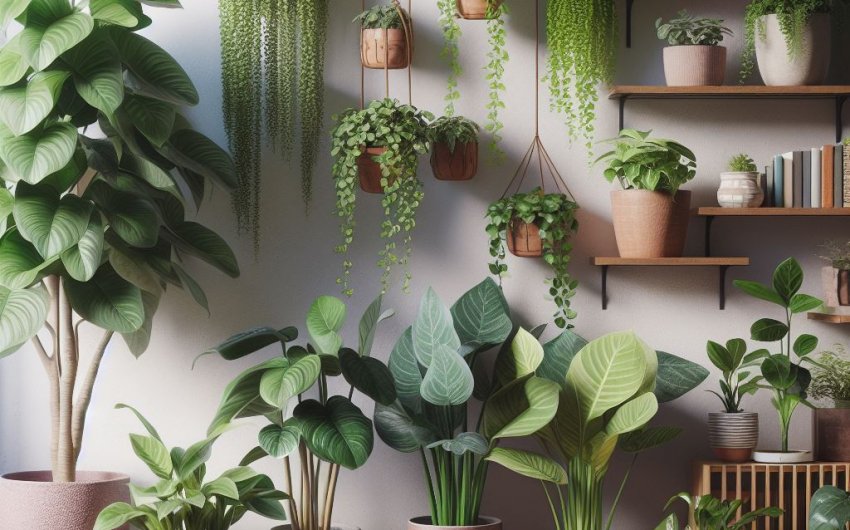
Choosing the right houseplant for your lifestyle involves honestly assessing your available light, the time you can dedicate to care, and your home's environmental conditions. Matching a plant's specific needs to your circumstances ensures both you and your green companion will thrive.
What should I consider before buying a houseplant?
Before you bring a new houseplant home, it's essential to do a little planning. Thinking about your living space, your daily routine, and your comfort level with plant care will help you select a plant that truly fits, rather than one that quickly becomes a source of stress.
Key factors for houseplant selection:
- Available light: This is arguably the most critical factor. Different plants have vastly different light requirements.
- Time commitment: How much time are you willing to spend watering, fertilizing, and pruning?
- Space: How much room does the plant need to grow, both now and in the future?
- Environmental conditions: What are the typical temperature and humidity levels in your home?
- Pet and child safety: Are there any toxic plants you need to avoid if you have pets or small children?
- Aesthetics: What kind of look are you going for? Do you want a lush jungle, a minimalist statement, or colorful blooms?
- Budget: Some plants are more expensive than others, and accessories like pots and soil add up.
How much light does my home offer for houseplants?
Understanding the light conditions in your home is the first and most crucial step in choosing the right houseplant. The amount of natural light varies significantly by window direction, obstructions outside, and even the time of year.
Different types of indoor light:
- Bright, direct light: This is usually found in south-facing windows (in the Northern Hemisphere) or west-facing windows in the afternoon. Plants receive unfiltered sunlight for several hours.
- Ideal for: Cacti, succulents, many citrus plants, Bird of Paradise, Jade Plant.
- Bright, indirect light: This is the most common and preferred light for many houseplants. It's found near south or west-facing windows where the light is diffused by sheer curtains, or a few feet away from an east-facing window. Plants get plenty of light but no harsh direct sun.
- Ideal for: Pothos, Philodendron, Monstera, Prayer Plant, Spider Plant, many ferns, Ficus varieties.
- Medium light: Typically found in east-facing windows (receiving gentle morning sun) or several feet away from south/west-facing windows. The light is consistent but not intense.
- Ideal for: Peace Lily, ZZ Plant, Snake Plant, Dracaena, Aglaonema (Chinese Evergreen).
- Low light: Areas far from windows, north-facing windows, or rooms with significant obstructions. Plants in these areas receive very little direct light, mostly ambient brightness.
- Ideal for: ZZ Plant, Snake Plant, Pothos (will tolerate, but grow slower and lose variegation), Cast Iron Plant, Aspidistra (Cast Iron Plant).
Tips for assessing light:
- Observe throughout the day: Light changes. Spend time in each room you plan to put a plant in at different times.
- Use your hand: If you place your hand between a window and where you want to put a plant, does it cast a sharp shadow (bright direct), a soft, blurred shadow (bright indirect), or almost no shadow (low light)?
- Consider grow lights: If your home lacks natural light, LED grow lights can supplement or completely replace natural light, opening up many more options.
How much time can I commit to caring for my houseplants?
Your available time for houseplant care is a crucial factor in preventing frustration and plant death. Be honest with yourself about your schedule and dedication levels.
Matching plants to your time commitment:
- Low-maintenance (I forget things often):
- Characteristics: Can go weeks without water, tolerates low light, resilient to neglect.
- Ideal plants: Snake Plant, ZZ Plant, Cast Iron Plant, Ponytail Palm, Cactus, most Succulents.
- Medium-maintenance (I can water weekly-bi-weekly):
- Characteristics: Enjoys consistent watering, needs bright indirect light, might appreciate occasional misting.
- Ideal plants: Pothos, Spider Plant, Peace Lily, Philodendron, Monstera, Prayer Plant, most Dracaenas, Ficus Elastica (Rubber Plant).
- High-maintenance (I love to dote on my plants daily/regularly):
- Characteristics: Requires specific humidity, frequent watering, sensitive to environmental changes, might need more pruning or pest checks.
- Ideal plants: Ferns (especially Maidenhair), Orchids, Calatheas, Bonsai, carnivorous plants.
Considerations for time-saving:
- Self-watering pots: These can extend the time between waterings.
- Group plants: Grouping plants together can increase local humidity, reducing the need for individual misting.
- Automated systems: For serious enthusiasts, automatic watering systems can be a game-changer.
How do my home's temperature and humidity affect houseplants?
Your home's ambient temperature and humidity levels play a significant role in how well certain houseplants will thrive. Many popular houseplants come from tropical regions, meaning they often appreciate warmth and moisture.
Understanding temperature and humidity needs:
- Temperature:
- Most houseplants prefer average room temperatures between 65-75°F (18-24°C).
- Avoid placing plants near drafty windows, air conditioning vents, or heat sources that can cause rapid temperature fluctuations or extreme dryness.
- Some plants, like succulents, can tolerate wider temperature ranges, while tropical plants prefer consistent warmth.
- Humidity:
- Average indoor humidity is often 30-50%, which is fine for many common houseplants like Pothos or ZZ Plants.
- Tropical plants, however, thrive in higher humidity (60-80%). Signs of low humidity include brown leaf tips, crispy edges, or slow, stunted growth.
- Ways to increase humidity:
- Misting: Regular misting (daily for some plants) can provide temporary relief, especially for plants like ferns or Calatheas. Use a fine mist sprayer.
- Pebble trays: Place the pot on a tray filled with pebbles and water. As the water evaporates, it humidifies the air around the plant.
- Humidifier: For multiple humidity-loving plants, a room humidifier is the most effective solution.
- Grouping plants: Plants release moisture, so grouping them together can create a mini-microclimate of higher humidity.
Which houseplants are safe for pets and children?
If you have curious pets or small children, ensuring your houseplants are non-toxic is a top priority. Many common and beautiful plants can be harmful if ingested. Always check the toxicity of a plant before bringing it home.
Non-toxic houseplants for pet and child safety:
- Spider Plant (Chlorophytum comosum): Very safe, often a favorite for cats to bat at.
- Prayer Plant (Maranta leuconeura): Beautiful foliage, completely safe.
- African Violet (Saintpaulia species): Classic flowering plant, non-toxic.
- Orchids ( Phalaenopsis species): Popular and safe.
- Boston Fern (Nephrolepis exaltata): A great air purifier and non-toxic.
- Friendship Plant (Pilea involucrata): Small, unique foliage, and safe.
- Polka Dot Plant (Hypoestes phyllostachya): Colorful and generally safe, though large quantities might cause mild digestive upset.
- Areca Palm (Dypsis lutescens): A tall, impressive palm that is pet-friendly.
- Money Tree (Pachira aquatica): Generally considered non-toxic, though some sources list mild GI upset with large ingestion.
- Christmas Cactus (Schlumbergera species): Festive and safe.
Common toxic houseplants to avoid (or place out of reach):
- Peace Lily (Spathiphyllum): Mildly toxic, can cause oral irritation, burning, and digestive upset due to calcium oxalate crystals.
- Pothos (Epipremnum aureum): Mildly toxic, similar effects to Peace Lily.
- Philodendron (most species): Mildly toxic.
- Snake Plant (Sansevieria trifasciata): Mildly toxic, can cause nausea, vomiting, and diarrhea.
- ZZ Plant (Zamioculcas zamiifolia): Moderately toxic, can cause severe oral irritation and digestive issues.
- Aloe Vera (Aloe barbadensis miller): The gel is beneficial, but the latex (outer leaf layer) is a laxative and can be toxic if ingested.
- Dieffenbachia (Dumb Cane): Highly toxic, causes intense burning and swelling of the mouth and throat.
- Sago Palm (Cycas revoluta): Extremely toxic, can cause liver failure and death.
- English Ivy (Hedera helix): Toxic, can cause skin irritation and digestive issues.
- Lilies (especially true lilies like Easter Lily, Asiatic Lily): Highly toxic to cats, even small ingestions can cause kidney failure.
Always consult reliable sources like the ASPCA Plant List for comprehensive information.
What kind of aesthetic or function do I want from my houseplant?
Beyond survival, houseplants also serve a purpose in your home's decor and atmosphere. Thinking about the look you desire and any functional benefits will help you select plants that enhance your living space.
Choosing plants by aesthetic and function:
- For a minimalist, modern look:
- Snake Plant: Architectural, upright leaves.
- ZZ Plant: Glossy, dark green, structured.
- Ficus Lyrata (Fiddle Leaf Fig): Large, bold leaves (can be higher maintenance).
- Monstera Deliciosa: Iconic split leaves, sculptural.
- For a lush, jungle vibe:
- Pothos, Philodendron: Trailing vines for shelves or hanging baskets.
- Monstera, Ficus varieties (like Audrey or Alii): Large, leafy statements.
- Ferns: Delicate, feathery foliage (require higher humidity).
- Prayer Plants, Calatheas: Stunning patterned leaves.
- For colorful blooms:
- Peace Lily: Elegant white spathes.
- African Violet: Small, vibrant flowers.
- Orchids: Exotic, long-lasting blooms.
- Christmas Cactus/Thanksgiving Cactus: Seasonal flowers.
- For air purification:
- Snake Plant: Filters air even at night.
- Pothos, Peace Lily, Spider Plant, Boston Fern: All excellent at removing toxins.
- For fragrance:
- Jasmine: Beautiful, fragrant blooms (can be challenging indoors).
- Gardenia: Intense, sweet fragrance (very high maintenance).
- Citrus Trees: Fragrant blossoms and fruit.
- For edible purposes:
- Herbs: Basil, mint, rosemary, thyme (can be grown on a sunny windowsill).
- Small Citrus Trees: Lemons, limes.
Where should I buy my houseplants?
The source of your houseplant can influence its initial health and your overall success. Choosing a reputable seller can prevent bringing home stressed or pest-ridden plants.
Best places to buy houseplants:
- Local Nurseries/Garden Centers:
- Pros: Knowledgeable staff who can offer local advice, usually healthy plants, wide selection, often better prices than boutiques.
- Cons: Can be overwhelming for beginners.
- Specialty Plant Shops/Boutiques:
- Pros: Unique and rare plants, often very healthy, staff are passionate and knowledgeable.
- Cons: Higher prices, smaller selection of common plants.
- Online Retailers:
- Pros: Huge selection, can find rare varieties, convenient delivery.
- Cons: Shipping can stress plants, harder to inspect plant health before purchase, potentially higher costs including shipping. Look for sellers with good reviews and proper packaging. For example, some reliable online stores include The Sill or Bloomscape.
- Hardware Stores/Grocery Stores:
- Pros: Convenient, often very affordable.
- Cons: Plants may be less well-cared for, less knowledgeable staff, higher risk of pests or diseases due to inconsistent care. Inspect plants very carefully.
- Friends/Plant Swaps:
- Pros: Free plants, often locally acclimated, great way to share and learn.
- Cons: Limited selection, potential for inheriting pests (always inspect!).
What to look for when buying a houseplant:
- Healthy foliage: Look for vibrant green (or variegated) leaves. Avoid yellowing, browning, spots, or holes.
- No pests: Carefully inspect the undersides of leaves, stems, and the soil for any signs of bugs.
- Firm stem/leaves: The plant should feel robust, not limp or mushy.
- Good root system: If possible, gently lift the plant from its nursery pot. Healthy roots are white or light-colored and firm, not mushy or brown.
- Appropriate pot size: The plant shouldn't be severely root-bound (roots circling excessively) or swimming in too large a pot.
What essential tools do I need for houseplant care?
Having the right tools makes houseplant care much easier and more effective. You don't need a huge arsenal, but a few key items will go a long way in ensuring your plants thrive.
Essential houseplant care tools:
- Watering Can: A small, easy-to-handle watering can with a long, thin spout helps you direct water precisely to the soil without splashing leaves.
- Soil Moisture Meter: Takes the guesswork out of watering. A soil moisture meter can quickly tell you if the soil is wet, moist, or dry deep in the pot.
- Pruning Shears/Snips: Small, sharp plant snips are essential for trimming dead leaves, shaping your plants, and taking cuttings. Always sterilize them between plants to prevent disease spread.
- Good Quality Potting Mix: Invest in an all-purpose indoor potting mix that drains well. You might also want a separate cactus/succulent mix for those specific plants.
- Fertilizer: A balanced, all-purpose liquid houseplant fertilizer is a good starting point. Always follow dilution instructions.
- Pots with Drainage Holes: As mentioned, drainage is critical. Keep extra nursery pots and attractive decorative planters with drainage on hand.
- Mister (Optional, for humidity lovers): A plant mister can help provide temporary humidity for plants that crave it.
- Gloves: Protect your hands from soil and sap, especially when dealing with plants that might have irritating sap.
- Small Trowel/Scoop: Useful for repotting and adding soil.
- Rubbing Alcohol (for sterilizing tools): Essential for cleaning your pruning shears.
By carefully considering your lifestyle and home environment, you can confidently select the perfect houseplant companions that will thrive and bring joy to your living space.