
How to Create a Thriving Indoor Jungle: Expert Tips for Beginners
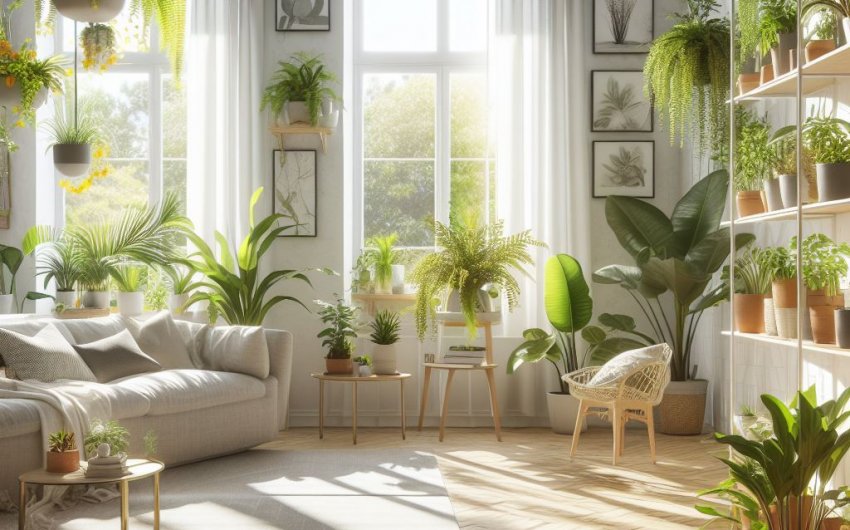
Creating a thriving indoor jungle starts with understanding your home's unique environment, especially light and humidity, and then choosing beginner-friendly houseplants that match those conditions. Focusing on consistent, basic care and gradually expanding your collection will lead to a lush, vibrant green space.
What's the first step to creating an indoor jungle?
The very first step to successfully creating an indoor jungle is to thoroughly assess your home's existing conditions. Before you even think about buying plants, you need to understand the environment you're offering them, as this will dictate which plants will thrive.
Key environmental factors to assess:
- Light levels: This is the most crucial factor.
- Identify window directions: North, South, East, West.
- Observe light throughout the day: Does light come in directly or indirectly? How long does it last?
- Consider obstructions: Trees outside, other buildings, heavy curtains.
- Understand light types: Bright direct, bright indirect, medium, low. (See previous article for detailed explanation).
- Humidity:
- Average home humidity: Most homes average 30-50% humidity, which is fine for many plants.
- Identify dry areas: Near heaters, air conditioning vents.
- Identify humid areas: Bathrooms, kitchens.
- Tools: A thermo-hygrometer can give you accurate readings.
- Temperature:
- Consistent room temperature: Most tropical houseplants prefer stable temperatures between 65-75°F (18-24°C).
- Avoid drafts: Keep plants away from frequently opening doors or leaky windows in winter.
- Space:
- Vertical space: Do you have shelves, hanging potential, or room for tall plants?
- Horizontal space: How much floor or table space is available?
- Growth potential: Consider how large a plant will get.
Which easy houseplants are best for beginners building a jungle?
For beginners aiming to build an indoor jungle, selecting resilient, low-maintenance houseplants is crucial. These plants are forgiving of common beginner mistakes and will give you confidence as you grow your collection.
Top beginner-friendly jungle plants:
- Pothos ( Epipremnum aureum):
- Why it's great: Extremely hardy, tolerant of varied light, fast-growing, beautiful trailing vines. Comes in many varieties (Jade, Golden, Marble Queen, Neon).
- Jungle impact: Perfect for hanging baskets, shelves, or trailing down furniture.
- Philodendron (various Philodendron species, especially 'Brasil' or heartleaf):
- Why it's great: Similar to Pothos in care, beautiful heart-shaped leaves, elegant trailing habit.
- Jungle impact: Creates a lush, cascading effect.
- Snake Plant ( Sansevieria trifasciata):
- Why it's great: Almost indestructible, tolerates very low light, needs infrequent watering, architectural shape.
- Jungle impact: Adds vertical interest, perfect for dim corners.
- ZZ Plant ( Zamioculcas zamiifolia):
- Why it's great: Unrivaled drought tolerance, thrives in low light, glossy dark green leaves.
- Jungle impact: Dense, deep green foliage provides a solid base layer.
- Spider Plant ( Chlorophytum comosum):
- Why it's great: Easy to care for, produces "spiderettes" for propagation, great for hanging.
- Jungle impact: Adds a whimsical, airy element to hanging spaces.
- Peace Lily ( Spathiphyllum):
- Why it's great: Tolerates lower light, dramatic wilting tells you when to water (and recovers quickly!), elegant white blooms.
- Jungle impact: Adds a touch of sophistication and occasional blooms amongst the foliage.
- Dracaena (various species like Dracaena fragrans 'Mass Cane' or 'Lemon Lime'):
- Why it's great: Easy care, tolerant of lower light, provides vertical height with attractive striped leaves.
- Jungle impact: Creates differing heights and textures, mimicking tree-like structures.
- Prayer Plant ( Maranta leuconeura):
- Why it's great: Stunning patterned leaves that fold up at night, relatively easy with consistent humidity.
- Jungle impact: Adds vibrant color and unique movement.
- Ficus Elastica (Rubber Plant):
- Why it's great: Beautiful large, glossy leaves, can grow quite tall, relatively forgiving once established.
- Jungle impact: Creates a strong, bold statement with its large foliage.
How do I arrange plants to achieve an indoor jungle look?
Achieving an indoor jungle look isn't just about having many plants; it's about strategically arranging them to create depth, height, and visual appeal. Think about how plants grow in nature, filling various layers from the forest floor to the canopy.
Design principles for an indoor jungle:
- Vary heights and textures:
- Tall plants: Use plants like Dracaena, Ficus Elastica, or larger Monstera as anchor points or "trees" in your jungle.
- Medium-sized plants: Fill in the mid-ground with plants like Peace Lily, larger ZZ Plants, or Snake Plants.
- Trailing/hanging plants: Let Pothos, Philodendron, or Spider Plants cascade from shelves, hanging baskets, or the edges of tall furniture to create a lush, flowing effect.
- Floor level plants: Small groupings of Prayer Plants or other low-growers can fill in empty spaces.
- Group plants for humidity:
- Many tropical plants appreciate higher humidity. Grouping them together naturally increases the local humidity around them, creating a beneficial microclimate.
- Consider light needs:
- Place light-loving plants closest to windows.
- Tuck lower-light tolerant plants (like Snake Plants or ZZ Plants) into shadier spots further away from direct light.
- Use different plant stands and shelves:
- Elevate plants with plant stands of varying heights to create layers.
- Install floating shelves to showcase trailing plants or smaller statement pieces.
- Consider a multi-tiered plant shelf for maximum vertical impact.
- Mix foliage types:
- Combine plants with broad leaves (Monstera, Ficus) with those with narrower leaves (Dracaena, Snake Plant) or delicate foliage (ferns). This adds visual interest.
- Don't forget the pots:
- Choose pots that complement your decor and the plants. Terracotta for a natural look, sleek ceramic for modern, or vibrant colors for a pop. Ensure all pots have drainage holes.
- Consider vertical elements:
- Use moss poles or trellises for climbing plants like Monstera, Pothos, or larger Philodendrons to encourage upward growth and larger leaves. Coir moss poles are popular.
How do I ensure my indoor jungle plants get enough light?
Light is the energy source for your indoor jungle, and providing adequate and appropriate lighting is absolutely critical. Even with the best intentions, insufficient light is a common reason why plants fail to thrive.
Strategies for optimizing light in your indoor jungle:
- Know your window directions: As discussed, this is the foundation. South-facing windows offer the most intense light, while north-facing windows provide the least.
- Group plants by light needs: Place your highest light-loving plants directly in the brightest spots. Put lower light-tolerant plants further from the window.
- Clean windows and plant leaves: Dust on windows reduces light transmission. Dust on plant leaves blocks light absorption. Regularly wipe both.
- Rotate plants: Periodically rotate your plants a quarter turn to ensure all sides receive adequate light and promote even growth.
- Utilize mirrors: Strategically placed mirrors can bounce natural light into darker corners of your indoor jungle, increasing ambient brightness.
- Add supplemental grow lights: For rooms with insufficient natural light, LED grow lights are a game-changer.
- Types: Full-spectrum LEDs are versatile. You can use strip lights for shelves, clip-on lights for individual plants, or larger panel lights for a whole area.
- Placement: Position grow lights according to the plant's needs and the light's intensity. Too close can burn leaves, too far is ineffective.
- Timers: Use a light timer to ensure consistent light cycles (12-16 hours is common for most foliage plants).
- Prune plants carefully: Occasionally, you might need to prune overgrown plants that are shading out smaller ones below them.
How can I increase humidity for my tropical indoor jungle plants?
Many of the lush, leafy houseplants that create an indoor jungle effect come from tropical rainforests, meaning they crave high humidity. Dry indoor air, especially in winter, can cause crispy leaf edges and stunted growth.
Effective ways to boost humidity in your indoor jungle:
- Use a humidifier: This is by far the most effective method for significantly increasing ambient humidity in a room or a plant grouping. A room humidifier can maintain consistent humidity levels, which is crucial for many tropicals.
- Group plants together: As plants release moisture through transpiration, grouping several plants closely creates a localized microclimate with higher humidity.
- Pebble trays: Place a layer of pebbles in a shallow tray, add water just below the top of the pebbles, and then place your potted plants on top. As the water evaporates, it adds humidity around the plants. Ensure the pots are not sitting directly in water.
- Mist regularly (with caution): While temporary, misting leaves with a fine mist sprayer can provide a brief humidity boost. However, it doesn't offer long-term humidity and can sometimes promote fungal diseases if the leaves remain wet for too long, especially in poor air circulation. Focus on misting the air around the plants, not just the leaves.
- Location matters: Bathrooms and kitchens often have naturally higher humidity levels due to showers and cooking, making them ideal spots for humidity-loving plants if light permits.
- Avoid dry air sources: Keep plants away from heating vents, radiators, and air conditioning units, which blast dry air directly onto foliage.
- Terrariums/Cloches (for very sensitive plants): For extremely humidity-sensitive plants, a small terrarium or cloche can create an enclosed, high-humidity environment.
What's the best watering routine for an indoor jungle?
A consistent and appropriate watering routine is fundamental to a thriving indoor jungle. Overwatering is the biggest killer of houseplants, while underwatering, though less immediately fatal, also stresses plants. The "right" routine varies by plant and environmental conditions.
Smart watering practices for your indoor jungle:
- Check soil moisture, don't just follow a schedule: This is the golden rule. Stick your finger 1-2 inches into the soil. If it feels moist, wait. If it feels dry, it's time to water. A soil moisture meter provides an even more accurate reading deeper in the pot.
- Water thoroughly until it drains: When you do water, water generously until excess water flows out of the drainage holes. This ensures all roots get hydrated and helps flush out mineral buildup.
- Discard excess water: Never let your pots sit in standing water. Empty saucers or decorative pots within 30 minutes of watering to prevent root rot.
- Consider pot material:
- Terracotta pots: Porous, so they dry out faster, which is great for plants prone to overwatering or those that like to dry out completely.
- Plastic/Glazed ceramic pots: Retain moisture longer, good for plants that prefer consistently moist soil.
- Adjust for seasons: Plants generally need less water in winter when light levels are lower and growth slows down. Increase watering during the active growing season (spring and summer).
- Understand plant-specific needs:
- Drought-tolerant (e.g., Snake Plant, ZZ Plant, succulents): Let soil dry out completely between waterings, sometimes for weeks.
- Moist-loving (e.g., Ferns, Peace Lily, Calatheas): Keep soil consistently moist but never soggy. Water when the top inch or two is dry.
- Pothos/Philodendron: Allow the top few inches of soil to dry out before watering; they often show slight drooping when thirsty.
- Use appropriate water: Tap water is usually fine, but some sensitive plants (like Calatheas, Prayer Plants) can be sensitive to chlorine or fluorides. Letting tap water sit out for 24 hours can help dissipate chlorine, or use filtered water.
When and how should I fertilize my indoor jungle plants?
Fertilizing provides essential nutrients that your indoor jungle plants need for robust growth, especially since they're not getting nutrients from soil decomposition outdoors. However, too much fertilizer can be harmful.
Best practices for fertilizing houseplants:
- Fertilize during the growing season only: Most houseplants are actively growing in spring and summer. This is when they need extra nutrients. Stop fertilizing in fall and winter when growth naturally slows down.
- Choose a balanced liquid fertilizer: A general-purpose liquid houseplant fertilizer (e.g., 10-10-10 or 20-20-20) is usually appropriate. Organic options like fish emulsion or worm castings are also excellent.
- Dilute to half or quarter strength: It's almost always better to under-fertilize than over-fertilize. Most fertilizers are concentrated, and using them at full strength can burn plant roots.
- Apply to moist soil: Never fertilize a plant with dry soil, as this can cause root burn. Water the plant thoroughly first, then apply the diluted fertilizer.
- Frequency: For most actively growing plants, fertilizing every 2-4 weeks during the growing season is sufficient. Very slow growers (like ZZ Plants or Snake Plants) may only need it once or twice a year.
- Signs of over-fertilization: Yellowing or browning leaf tips/edges, white crust on the soil surface, stunted growth. If you see these signs, flush the soil with plain water to wash out excess salts.
How do I manage pests in my indoor jungle?
Pests are an unfortunate reality of houseplant ownership, even in an indoor jungle. Early detection and consistent treatment are crucial to prevent small infestations from becoming overwhelming.
Strategies for pest control in your indoor jungle:
- Inspect plants regularly: Make pest checks part of your routine. Look at the undersides of leaves, stems, and around the soil line for tiny bugs, sticky residue, or webbing. Use a magnifying loupe if needed.
- Quarantine new plants: Always isolate any new houseplant for 2-4 weeks before introducing it to your main collection. This prevents hitchhiking pests from spreading.
- Identify the pest: Knowing what you're dealing with (aphids, spider mites, mealybugs, fungus gnats, etc.) helps you choose the right treatment.
- Physical removal:
- Wipe leaves: For mealybugs or aphids, use a cotton swab dipped in rubbing alcohol to dab them directly.
- Strong water spray: A gentle but firm spray of water in the shower can dislodge many pests, especially spider mites.
- Insecticidal soap: An effective and safe treatment for soft-bodied pests like aphids, spider mites, and whiteflies. Spray all affected plant surfaces thoroughly. Look for insecticidal soap for plants.
- Neem oil: A natural organic pesticide that disrupts insect feeding and reproduction. Mix according to instructions and spray on foliage. Cold-pressed neem oil is effective.
- Sticky traps: Yellow sticky traps are great for catching flying insects like fungus gnats and whiteflies, helping to monitor and reduce populations.
- Horticultural oil: A lightweight oil that smothers pests.
- Maintain plant health: Healthy plants are more resistant to pest infestations. Follow good watering, light, and feeding practices.
How do I propagate plants to expand my indoor jungle for free?
One of the most satisfying aspects of building an indoor jungle is propagating your existing plants. It's an easy, free way to expand your collection, fill in gaps, or share with friends. Many beginner-friendly houseplants are incredibly easy to propagate.
Easy propagation methods for your indoor jungle:
- Stem Cuttings in Water (Pothos, Philodendron, ZZ Plant, Snake Plant):
- How to: For Pothos and Philodendron, cut a stem with 2-3 leaves and at least one "node" (the bumpy spot where a leaf attaches). For ZZ Plant or Snake Plant, you can use a single leaf or a section of a stem.
- Process: Place the cutting in a clear glass of water, ensuring the node(s) (or the cut end of a ZZ/Snake leaf) are submerged. Change the water every few days.
- Roots: Roots will usually appear in a few weeks. Once they are a few inches long, plant them in potting mix.
- Division (Spider Plant, Peace Lily, Snake Plant):
- How to: When repotting a mature, clumping plant, gently separate the root ball into smaller sections, ensuring each section has roots and some foliage.
- Process: Plant these divisions into their own pots with fresh potting mix.
- Spiderettes (Spider Plant):
- How to: Snip off the small baby plantlets (spiderettes) that dangle from the parent plant.
- Process: You can either place them directly into moist potting mix or root them in water first, just like stem cuttings. They root very easily.
- Leaf Cuttings (Snake Plant, ZZ Plant):
- How to: For Snake Plants, cut a healthy leaf into 2-4 inch sections, noting which end is "down." For ZZ Plants, use an entire leaf with a bit of stem.
- Process: Let the cut end "callus" (dry out and heal) for a few days to a week. Then, plant the callused end into well-draining potting mix. Keep the soil slightly moist. This method can take a long time to root and sprout new growth (months!).
Building an indoor jungle is a journey of learning, patience, and immense satisfaction. By focusing on understanding your environment, selecting hardy houseplants, maintaining consistent care, and gradually expanding your collection, you'll soon find yourself surrounded by the lush, calming beauty of your very own vibrant green oasis.