
How Often Should I Water My Elderberry Bushes?
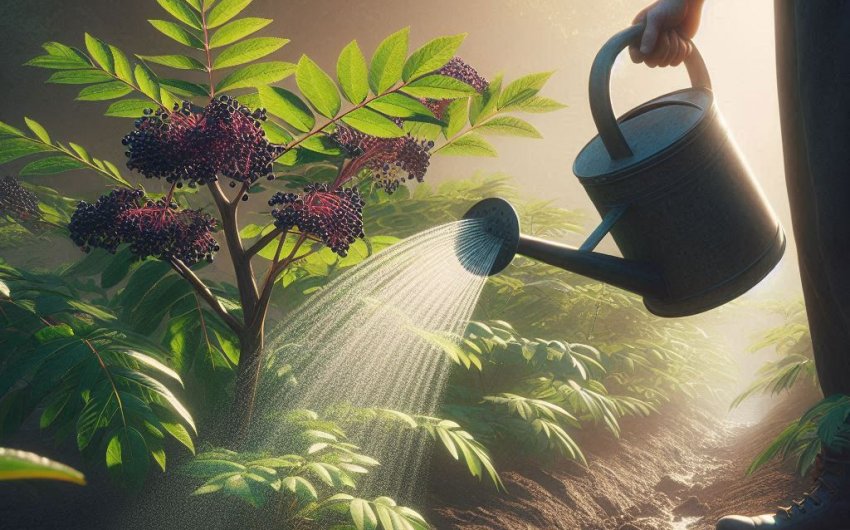
Ensuring your elderberry bushes receive the correct amount of water is fundamental to their health, vigor, and fruit production. While these resilient plants are quite adaptable, understanding their specific moisture preferences, particularly as they establish and mature, can significantly improve your harvest of delicious elderflowers and berries. Over- or under-watering can stress the plant, impacting everything from growth to disease resistance.
How Do I Determine My Elderberry Bushes' Water Needs?
Figuring out the ideal watering schedule for your elderberry bushes isn't an exact science, but rather an art informed by several environmental and plant-specific factors. By paying attention to these cues, you can provide just the right amount of moisture.
What Role Does Climate and Weather Play?
The climate you live in and the current weather conditions are perhaps the biggest influencers on how often your elderberry bushes will need water. Nature often dictates the watering schedule more than any fixed routine.
Regional Climate:
- Humid Climates: In regions with naturally high humidity and frequent rainfall, your elderberry bushes will generally require less supplemental irrigation. The ambient moisture in the air reduces transpiration from the leaves, and regular precipitation keeps the soil moist. You'll primarily need to water during extended dry spells.
- Arid or Dry Climates: Conversely, in drier climates with low humidity and infrequent rain, you'll need to be much more diligent with your watering. Evaporation rates are higher, and plants will dry out much faster. Consistent irrigation will be key to success.
- Temperate Climates: Most of North America falls into temperate zones. Here, a balance is needed. Elderberries will need more water during hot, dry summer periods and less in cooler, wetter springs and falls.
Current Weather Conditions:
- Hot, Sunny, and Windy Days: These conditions combine to rapidly dry out the soil and increase transpiration from the plant's leaves. On such days, your elderberry bushes will be much thirstier. You might need to water every day or every other day, especially if they are newly planted or bearing fruit.
- Cool, Cloudy, or Humid Days: When temperatures are mild, the sky is overcast, and humidity is high, water loss from the soil and plants is much slower. Your elderberries will need less frequent watering, perhaps every few days to once a week.
- Rainfall: This is your primary source of moisture. If you've had a good, soaking rain (at least (1) inch), your elderberry bushes might not need additional watering for several days. However, light sprinkles often aren't enough to penetrate deeply to the roots, so don't assume a little rain means no watering. A rain gauge can help you track actual precipitation.
Drought Conditions: During extended drought, even established elderberry bushes will need regular, deep watering to survive and produce. Their natural resilience will only go so far.
Advertisement
Always consider the current and forecasted weather. If a heatwave is coming, ensure your elderberries are well-hydrated beforehand. If heavy rains are expected, hold off on watering.
How Does Soil Type Affect Watering Frequency?
The type of soil in your garden plays a huge role in how much water it holds and how quickly it dries out, directly impacting your elderberry bushes' watering needs.
Sandy Soil:
- Characteristics: Sandy soil has large particles and lots of air spaces, meaning water drains through it very quickly. It doesn't hold moisture well.
- Impact on Elderberries: If you have sandy soil, your elderberry bushes will dry out much faster. You'll need to water more frequently, possibly every day or every other day during hot weather, but with smaller amounts each time.
- Improvement: Amending sandy soil with plenty of organic matter (like compost) can significantly improve its water-holding capacity, reducing your watering burden over time.
Clay Soil:
- Characteristics: Clay soil has very fine, tightly packed particles. It holds a lot of water, sometimes too much, and drains slowly.
- Impact on Elderberries: While elderberries like consistent moisture, they do not like "wet feet" (constantly waterlogged roots). In heavy clay soil, they are more susceptible to root rot if overwatered. You'll need to water less frequently than with sandy soil, but ensure good, deep penetration when you do. Allow the top few inches to dry out before watering again.
- Improvement: Improving clay soil with generous amounts of compost or gypsum can help break it up, improving drainage and aeration. Raised beds are also an excellent solution for heavy clay.
Loamy Soil:
- Characteristics: Loamy soil is considered ideal. It's a balanced mix of sand, silt, and clay, offering good drainage while still retaining sufficient moisture and nutrients.
- Impact on Elderberries: If you have loamy soil, you'll generally find watering your elderberry bushes easier. You might water every (2-4) days during dry spells, allowing the top inch or two to dry out between waterings. This soil type provides the best balance for elderberry roots.
Always observe your soil. Before watering, stick your finger (2-3) inches deep into the soil. If it feels dry, it's likely time to water. A soil moisture meter can also provide a precise reading.
Do New Bushes Need Different Watering Than Established Ones?
Absolutely. The age and maturity of your elderberry bushes dramatically influence their water requirements. What's right for a new plant can be too much or too little for an established one.
Newly Planted Elderberry Bushes:
- Shallow Roots: When you first plant your elderberry canes, their root systems are very small and confined to the original root ball. They haven't had a chance to spread out into the surrounding soil to seek moisture.
- Critical Establishment Phase: The first growing season, particularly the first few weeks, is crucial for root establishment. During this time, consistent moisture is vital to encourage roots to grow outwards and anchor the plant.
- Frequency: You will need to water new elderberry bushes much more frequently than established ones. This often means daily or every other day, especially during warm, dry, or windy weather. In cooler, overcast conditions, every (2-3) days might suffice.
- Depth: Aim to keep the top (4-6) inches of soil consistently moist.
- Monitoring: Check the soil daily. If the top inch or two feels dry, it's time to water. Don't let them completely dry out. Using a soaker hose can be very effective for new plantings, delivering water slowly and directly to the root zone.
Established Elderberry Bushes (Typically after 1-2 years):
- Extensive Root System: Once an elderberry bush has been in the ground for a year or two, it will have developed a much larger and deeper root system. This allows it to access water from a wider and deeper area of soil.
- More Drought Tolerant: While they still appreciate consistent moisture, established elderberries are more resilient and can tolerate brief periods of drought better than new plants.
- Frequency: You'll water less frequently but with deeper applications. During the growing season (spring through fall), established plants generally need about (1-2) inches of water per week, either from rain or irrigation. This might translate to watering once or twice a week during dry spells.
- Depth: The goal is to moisten the soil to a depth of at least (12-18) inches to encourage deep root growth.
- Crucial Periods: Water needs increase significantly during flowering and fruit development. Consistent moisture during these times is essential for a good harvest.
- Mulch: A layer of mulch is particularly beneficial for established plants as it helps retain soil moisture, reducing watering frequency.
Always transition watering schedules gradually as your elderberry bushes mature. Continual observation of your plants and soil is the best way to determine their specific needs.
What Are the Best Watering Techniques for Elderberry Bushes?
The "how" of watering is just as important as the "how often." Using effective watering techniques ensures that the moisture gets where it's needed most and that your elderberry bushes can absorb it efficiently.
Should I Water by Hand or Use a System?
Both hand watering and automated irrigation systems have their advantages for elderberry bushes. The best choice often depends on the number of plants you have, your time availability, and your personal preference.
Hand Watering:
- Method: Using a garden hose with a watering wand or a watering can.
- Pros: Allows for very precise application, directly at the base of the plant, minimizing water waste and keeping foliage dry (which helps prevent fungal diseases). It also gives you a chance to inspect your plants up close for any issues. Ideal for a few individual elderberry bushes.
- Cons: Can be very time-consuming and labor-intensive for multiple plants or larger patches. It's easy to under-water if you just give a quick splash rather than a deep soak.
- Best For: Newly planted elderberries or small numbers of established bushes where you can dedicate time to deep, slow watering.
Drip Irrigation Systems:
- Method: A network of tubes with small emitters that deliver water slowly and directly to the plant's root zone. A drip irrigation kit for shrubs can be tailored to your elderberry spacing.
- Pros: Highly water-efficient as it minimizes evaporation and runoff. Delivers water consistently and slowly, encouraging deep root growth. Keeps foliage dry, reducing disease risk. Can be automated with a timer for convenience. Excellent for rows or multiple elderberry bushes.
- Cons: Initial setup cost and time. Emitters can sometimes clog. Requires occasional maintenance.
- Best For: Medium to large plantings of elderberries, especially if you want to conserve water and automate the process.
Soaker Hoses:
- Method: A porous hose that slowly "weeps" water along its entire length. Lay it on the ground around the base of your elderberry bushes.
- Pros: Inexpensive and easy to set up. Delivers water directly to the root zone, minimizing evaporation and keeping foliage dry. Provides a slow, deep soak. A soaker hose system is great for linear plantings.
- Cons: Can be prone to kinking. Water distribution might not be perfectly even over very long runs.
- Best For: Rows of elderberries, especially if you don't want the complexity of a full drip system.
Overhead Sprinklers:
- Method: Sprays water over a wide area, wetting both plants and soil.
- Pros: Can cover large areas quickly.
- Cons: Not recommended for elderberry bushes. Wets foliage, significantly increasing the risk of fungal diseases (like powdery mildew) and wasting water through evaporation. Can lead to shallow rooting if not run long enough to penetrate deeply.
- Avoid For: Elderberry bushes. Save sprinklers for your lawn.
For elderberry bushes, always aim for techniques that deliver water directly and deeply to the root zone while keeping the foliage as dry as possible.
How Deep Should I Water My Elderberry Bushes?
The depth of your watering is critically important for elderberry bush health. It's not enough to simply wet the surface; you need to get water down to where the roots can access it.
Why Deep Watering Matters:
- Encourages Deep Root Growth: When water penetrates deeply, it encourages the elderberry roots to grow downwards, seeking out that moisture. Deeper roots make the plant more resilient to drought, more stable, and better able to access nutrients from a larger soil volume.
- Prevents Shallow Rooting: Frequent, shallow watering teaches roots to stay near the surface. These shallow root systems are highly vulnerable to drying out during hot, dry spells, stressing the plant and reducing its vigor.
- More Efficient Water Use: Less water is lost to evaporation from the surface when it quickly soaks into the soil.
Target Depth:
- Newly Planted: Aim to moisten the soil to a depth of about (4-6) inches. Since their roots are still close to the surface, this is sufficient.
- Established Plants: For mature elderberry bushes, strive to moisten the soil to a depth of at least (12-18) inches. This will ensure that the majority of the active root zone receives adequate moisture.
How to Check Depth:
- Finger Test: After watering for a while, stick your finger into the soil. This is good for checking the top few inches.
- Trowel/Shovel: Dig a small hole near the edge of the elderberry's canopy (where the drip line is). You'll be able to see how far down the water has penetrated. If it hasn't reached the target depth, water for longer next time.
- Soil Probe/Screwdriver: Push a long soil probe or a regular screwdriver into the soil. It will slide easily through moist soil and become difficult to push when it hits dry soil. This gives you a good idea of watering depth.
Slow and Steady Wins the Race: Water slowly over a longer period rather than quickly for a short time. This allows the water to percolate down into the soil rather than running off, especially on sloped areas or compacted soil. A slow trickle from a hose or the use of drip irrigation/soaker hoses is ideal.
By focusing on deep, thorough watering, you'll build a strong, resilient root system for your elderberry bushes, leading to healthier plants and more abundant fruit.
What is the Best Time of Day to Water?
The timing of your watering can significantly impact the efficiency of water use by your elderberry bushes and their overall health.
Morning is Best: The optimal time to water your elderberry bushes is in the morning, typically between (6:00 \text{ AM}) and (10:00 \text{ AM}).
- Minimizes Evaporation: Temperatures are cooler in the morning, and the sun is less intense, which means less water is lost to evaporation from the soil surface compared to midday watering.
- Allows for Absorption: Plants have ample time to absorb the water before the heat of the day increases their water demands.
- Dries Foliage: If any water accidentally splashes onto the leaves, the morning sun and air movement will quickly dry them, drastically reducing the risk of fungal diseases.
Avoid Midday Watering: Watering during the hottest part of the day (mid-afternoon) is the least efficient.
- High Evaporation: A significant amount of water will evaporate before it can penetrate the soil and reach the roots. This is simply wasteful.
- Potential Stress: While the myth of "scorching leaves" by watering in direct sun is largely debunked (water evaporates too quickly to act as a magnifying glass), it's still inefficient and can create temporary stress if plants are already wilting.
Avoid Evening/Night Watering: Watering in the evening or at night should generally be avoided for elderberry bushes, especially if you are using overhead methods.
- Disease Risk: When leaves remain wet throughout the cool, dark hours of the night, it creates an ideal environment for fungal spores to germinate and spread, leading to diseases like powdery mildew or other leaf spots.
- Less Absorption: Plants take up less water at night, meaning the water sits in the soil for longer, potentially leading to waterlogging issues if drainage isn't perfect.
- Pest Attraction: Some nocturnal pests, like slugs and snails, are more active in damp conditions.
If you cannot water in the morning, early afternoon (before peak sun) is a second-best option if conditions are very dry. However, always prioritize morning watering for the best results and plant health.
How Can I Tell if My Elderberry Bushes Need Water?
Learning to read the signs your elderberry bushes are sending you is the most important skill for proper watering. The plants themselves will often tell you when they're thirsty or, less commonly, when they've had too much.
What Are the Signs of Underwatering?
Underwatering is a common issue for many garden plants, and your elderberry bushes will show clear symptoms when they're not getting enough moisture.
Wilting or Drooping Leaves: This is the most obvious and common sign. The leaves will look limp, soft, and might hang downwards. This is the plant's way of trying to conserve water by reducing the surface area exposed to the sun. While some slight wilting during the hottest part of a very hot day can be normal, if they don't perk up by evening or early morning, they are definitely thirsty.
Curling Leaves: Instead of just drooping, leaves might also curl inwards or upwards, again to reduce water loss through transpiration.
Yellowing or Browning Leaves (starting from edges/tips): In more prolonged or severe underwatering, the edges or tips of the leaves may start to turn yellow, then brown and crispy. This indicates that plant tissue is dying due to lack of water. These symptoms often appear on older, lower leaves first.
Stunted Growth: If your elderberry bushes are consistently underwatered, their overall growth will be slow and stunted. New shoots might be weak, and the plant will not reach its full potential size.
Poor Flower/Fruit Development: Lack of water during flowering can lead to blossom drop. During fruit development, berries might be small, shriveled, or fail to ripen properly. The plant prioritizes survival over reproduction when stressed.
Dry Soil: The most reliable indicator. Stick your finger (2-3) inches deep into the soil around the base of the bush. If it feels completely dry at that depth, it's time to water. A soil moisture meter can also give you a precise reading.
Leaf Drop: In extreme cases of prolonged drought, the plant may prematurely drop its leaves to conserve what little moisture it has left.
If you see these signs, act quickly with a deep, thorough watering.
What Are the Signs of Overwatering?
While elderberry bushes like consistent moisture, overwatering can be more detrimental than underwatering, as it often leads to root problems that are difficult to recover from.
Yellowing Leaves (often overall or veinal): Unlike underwatering where yellowing starts at the edges, overwatered leaves might turn a more uniform yellow across the entire leaf, or the veins might remain green while the tissue between them yellows. This often indicates nutrient deficiency because waterlogged roots cannot properly absorb nutrients.
Wilting/Drooping Leaves (but soil is wet): This is the most confusing sign. The leaves look droopy, just like an underwatered plant, but if you check the soil, it feels very wet and soggy. This happens because the roots are suffocating from lack of oxygen in the waterlogged soil and cannot function properly to take up water, even though it's plentiful.
Stunted Growth: Similar to underwatering, overwatering can also lead to stunted or slow growth because the roots are unhealthy and can't provide the plant with what it needs.
Mushy Stems or Roots: If you gently probe the soil around the base of the plant, the root system might feel soft and mushy, or appear black/brown and slimy instead of firm and healthy. The crown (where the stems meet the roots) might also feel soft. This is a sign of root rot.
Foul Smell from Soil: Waterlogged soil, especially if root rot has begun, can develop a foul, rotten, or sour smell due to anaerobic bacteria thriving in the oxygen-deprived environment.
Fungal Growth: Constantly wet soil and humid conditions (especially if foliage is also wet) create ideal breeding grounds for fungal diseases. You might notice mold on the soil surface or fungal spots on the leaves.
If you suspect overwatering, stop watering immediately and let the soil dry out significantly. Improving drainage around the plant is crucial for long-term recovery.
How Can Mulch Help with Watering?
Mulch is an unsung hero in the garden, and for elderberry bushes, it's an incredibly effective tool for managing soil moisture and reducing your watering efforts.
Moisture Retention: A (2-4) inch layer of organic mulch (such as wood chips, shredded bark, straw, or leaves) acts as a protective barrier over the soil. It shades the soil surface, preventing direct sunlight from evaporating moisture. This keeps the soil cooler and more consistently moist for longer periods, significantly reducing how often you need to water your elderberries.
Temperature Regulation: Mulch helps to moderate soil temperatures. It keeps the soil cooler in summer (reducing heat stress on roots) and warmer in winter (providing some insulation).
Weed Suppression: A thick layer of mulch effectively blocks sunlight, suppressing weed growth. Fewer weeds mean less competition for precious water and nutrients, leaving more for your elderberry bushes.
Soil Improvement: As organic mulches slowly break down, they contribute valuable organic matter to the soil. This improves soil structure, enhances drainage (in clay soils), and boosts water-holding capacity (in sandy soils) over time, creating a healthier environment for elderberry roots.
Erosion Control: Mulch helps prevent soil erosion from heavy rain or wind, protecting the topsoil and keeping nutrients in place.
Cleanliness: Keeps splashing soil off the lower leaves and berries, potentially reducing disease spread.
Application: Apply a (2-4) inch layer of mulch around the base of your elderberry bushes, extending out to the drip line (the edge of the plant's canopy). Crucially, keep the mulch a few inches away from the actual stems or crown of the elderberry bush. Piling mulch directly against the stem can trap moisture, encouraging rot and providing a habitat for pests.
Using mulch is one of the easiest and most beneficial ways to create a more stable and favorable watering environment for your elderberry bushes, allowing them to thrive with less frequent intervention from you.
What Are Common Watering Mistakes to Avoid?
Even experienced gardeners can make watering blunders. Being aware of common mistakes can help you prevent stress and ensure your elderberry bushes remain vigorous and productive.
Why Is Under-Watering Bad for Elderberries?
While elderberry bushes are known for some drought tolerance once established, consistent or severe under-watering can significantly harm them and reduce your harvest.
Reduced Fruit Production: This is one of the most immediate and noticeable impacts. Water stress during flowering can lead to blossom drop, meaning fewer berries. During fruit development, berries will be smaller, less juicy, or may shrivel and fall off prematurely. The plant prioritizes its own survival over fruit production.
Stunted Growth: Chronic underwatering limits the plant's ability to photosynthesize and grow. Canes will be thinner, new shoots will be shorter, and the overall size and vigor of the bush will be compromised.
Increased Stress and Vulnerability: A dehydrated plant is a stressed plant. Stressed elderberry bushes are more susceptible to pest infestations (like spider mites) and diseases, as their natural defenses are weakened.
Leaf Scorch and Drop: Prolonged lack of water causes leaves to turn yellow, then brown and crispy, often starting from the margins. Eventually, these leaves will drop prematurely, further weakening the plant.
Poor Root Development: Shallow, frequent watering, which often accompanies unintentional underwatering, encourages roots to stay near the surface. These roots are highly vulnerable to rapid drying, creating a cycle of stress. Deep, widespread roots are essential for elderberry resilience.
Failure to Establish (New Plants): For newly planted elderberries, consistent underwatering is a leading cause of transplant failure. Without adequate moisture, new roots simply cannot form and explore the soil, leading to the plant's demise.
In essence, while elderberries can tolerate some dryness, allowing them to consistently go without enough water will result in a less productive, less vigorous, and potentially more disease-prone plant.
Why Is Over-Watering Worse Than Under-Watering?
While underwatering stunts growth and reduces yield, over-watering is often considered more dangerous for elderberry bushes because it can lead to root rot, a condition that is very difficult, if not impossible, to recover from.
Root Rot: This is the most severe consequence of over-watering. Elderberry roots, like the roots of most plants, need oxygen to "breathe" and function. When the soil is constantly saturated with water, all the air pockets are filled, depriving the roots of oxygen. This leads to the death of the root cells and creates an ideal environment for harmful anaerobic bacteria and fungi to thrive. These pathogens then attack and rot the roots, turning them soft, black, and slimy.
Nutrient Deficiency: Waterlogged roots are unable to absorb nutrients from the soil, even if those nutrients are present. This leads to symptoms of nutrient deficiency (like yellowing leaves), ironically mimicking signs of thirst, while the plant is actually drowning.
Anaerobic Conditions: Overly wet soil promotes the growth of anaerobic (oxygen-hating) microorganisms. These microbes produce foul-smelling byproducts (like sulfur compounds) that give the soil a rotten or sour odor.
Increased Disease Risk: Beyond root rot, consistently wet foliage (from overhead watering) and constantly damp soil create prime conditions for various fungal and bacterial diseases to infect the leaves, stems, and fruits.
Stunted Growth and Wilting: As mentioned before, paradoxically, an overwatered plant often wilts and its growth slows down. This is because its roots are dying and cannot deliver water and nutrients to the rest of the plant, even when the soil is saturated.
Soil Compaction: In some soil types, particularly clay, repeated over-watering can lead to soil compaction, which further exacerbates drainage issues and creates a vicious cycle.
If you suspect over-watering, stop watering immediately. Allow the soil to dry out considerably before even considering watering again. Improving drainage by amending the soil or planting in raised beds is the long-term solution to prevent this potentially fatal problem for your elderberry bushes.
Should I Water if Leaves Are Wet from Rain?
This is a common dilemma, and the answer is typically to assess the soil, not just the foliage. A soaking rain often means you don't need to water, but a light shower might not be enough.
Assess Soil Moisture, Not Just Surface Wetness: A brief rain shower might only wet the leaves and the very top inch of soil. The critical factor is whether the water has penetrated deep enough to reach the active root zone of your elderberry bush.
- The Finger Test: Always stick your finger (2-3) inches deep into the soil near the base of the bush. If it feels moist at that depth, then the rain was sufficient for the time being, and you don't need to water.
- Rain Gauge: Using a rain gauge can provide valuable data. If you've received (1) inch or more of rain, it's usually enough for the week. If it was less, you might still need to supplement.
Avoid Overwatering: The primary risk of watering when leaves are already wet from rain is overwatering the soil. If the soil is already adequately moist from natural precipitation, adding more water will lead to the problems associated with overwatering, like root rot.
Consider Rain Duration and Intensity: A slow, steady rain over several hours is much more effective at deeply saturating the soil than a heavy, quick downpour, which can lead to significant runoff and less actual penetration.
Focus on the Root Zone: Remember, it's the moisture in the soil around the roots that truly matters. If your elderberry bush is under a dense canopy or in a very sheltered spot, even prolonged rain might not fully moisten the soil directly beneath it.
In summary, don't automatically water just because the leaves look dry. Conversely, don't automatically skip watering just because it rained. Always check the soil moisture at root level to make an informed decision about your elderberry bushes' watering needs.
How Do I Water Elderberries in Different Stages?
The water requirements of your elderberry bushes are not static; they evolve throughout the plant's life cycle and the seasons. Adjusting your watering based on these stages is key to optimal health and productivity.
How Much Water Do New Plants Need?
Newly planted elderberry bushes are in a critical establishment phase, and their water needs are distinct and highly important during this period.
Immediate Post-Planting: After you place your elderberry cane in the prepared hole, give it a very thorough, deep watering. This helps to settle the soil around the roots, remove any air pockets, and provide immediate hydration.
Consistent Moisture, Not Soggy: For the first growing season (and especially the first (2-3) months), the goal is to keep the soil consistently moist around the root ball. Since the root system is small and has not yet spread out, it's more susceptible to drying out quickly. However, consistent moisture does not mean soggy; good drainage is still paramount.
Frequency: Expect to water new elderberry bushes frequently. This often means daily or every other day, especially during periods of warm, dry, or windy weather. In cooler, overcast conditions, you might be able to stretch it to every (2-3) days. Always check the soil.
Depth: Aim to keep the top (4-6) inches of soil consistently moist.
- Monitoring: Use the finger test daily. If the top inch or two feels dry, it's time to water.
- Method: A soaker hose or a slow trickle from a hose directly at the base of the plant is ideal to ensure deep penetration without runoff.
Avoid Drought Stress: Any significant period of drought during this establishment phase can severely set back or even kill new elderberry bushes. Be diligent with monitoring and watering.
Mulch: A light layer of mulch around new plants (kept away from the stem) can help immensely in retaining moisture and moderating soil temperature, reducing watering frequency.
Once new growth is robust and the plant shows signs of being well-established (after about a year), you can gradually transition to the watering schedule for mature plants.
How Much Water During Flowering and Fruiting?
The period when your elderberry bushes are flowering and developing fruit is arguably the most critical time for their water needs. Proper hydration during this phase directly impacts your yield.
Increased Water Demand: As elderberry bushes shift from vegetative growth to reproductive growth (producing flowers and berries), their water demands increase significantly. Water is essential for the formation of plump, juicy berries.
Consistent Moisture Prevents Stress: Maintaining a consistent level of soil moisture during flowering and fruiting is vital. Fluctuations between very wet and very dry conditions can stress the plant, leading to:
- Blossom Drop: Flowers might fall off before setting fruit.
- Small or Shriveled Berries: Fruit may not swell to full size or may dry out and shrivel on the bush.
- Poor Flavor: Dehydrated berries can have a less appealing flavor.
Frequency and Depth: During this period, even established elderberry bushes will likely need (1.5-2) inches of water per week, either from rain or irrigation. This might mean watering (2-3) times a week in hot, dry weather. Continue to aim for deep watering that penetrates (12-18) inches into the soil.
Monitor Closely: Pay extra close attention to your elderberries during this stage. If leaves show any signs of wilting, water immediately.
Mulch's Role: The importance of a good layer of mulch becomes even more apparent here. It helps maintain the consistent soil moisture that elderberries crave during this productive phase, making your watering more efficient and effective.
Ensuring ample and consistent water during flowering and fruiting will go a long way in ensuring a bountiful and high-quality elderberry harvest.
How Much Water After Harvest and in Winter?
After the elderberries have been harvested, and as the plant moves towards dormancy, its water needs change significantly. It's still important to water, but with different frequencies and amounts.
Post-Harvest Recovery: After the intense energy expenditure of producing fruit, your elderberry bushes need water to recover and prepare for the next season. Continue to water regularly, though perhaps less frequently than during peak fruiting, for a few weeks to a month after the final harvest. This allows the plant to build up carbohydrate reserves in its roots for strong spring growth next year.
Late Summer/Fall Transition: As temperatures begin to cool in late summer and fall, and daylight hours shorten, the elderberry bush's growth naturally slows down. Its water requirements will decrease. You can gradually reduce your watering frequency, allowing the top few inches of soil to dry out more thoroughly between waterings. This helps the plant harden off and prepare for winter.
Winter Dormancy: During the winter months, when elderberry bushes are dormant (often leafless in colder climates), they need very little water. However, "very little" doesn't mean "none."
- With Snow/Rain: In areas with consistent winter precipitation (rain or snow), you likely won't need to provide any supplemental water. The natural moisture will be sufficient.
- Dry Winters/Evergreen Types: If you live in a region with very dry winters or prolonged periods of no rain/snow, or if you are growing an evergreen elderberry variety (less common for fruit production), it's a good idea to give your elderberry bushes an occasional deep watering. Do this on a mild day when the ground is not frozen. Aim for once a month or every few weeks during these dry spells.
- Avoid Waterlogging: The most important thing during winter is to ensure good drainage. Waterlogged soil in freezing temperatures can be fatal, leading to root rot or roots freezing and bursting.
By understanding these seasonal shifts in water needs, you can provide year-round care that supports the long-term health and productivity of your elderberry bushes. Regular monitoring, even in colder months, remains the best practice for successful elderberry cultivation.