
How Often Should I Water My Mulberry Tree?
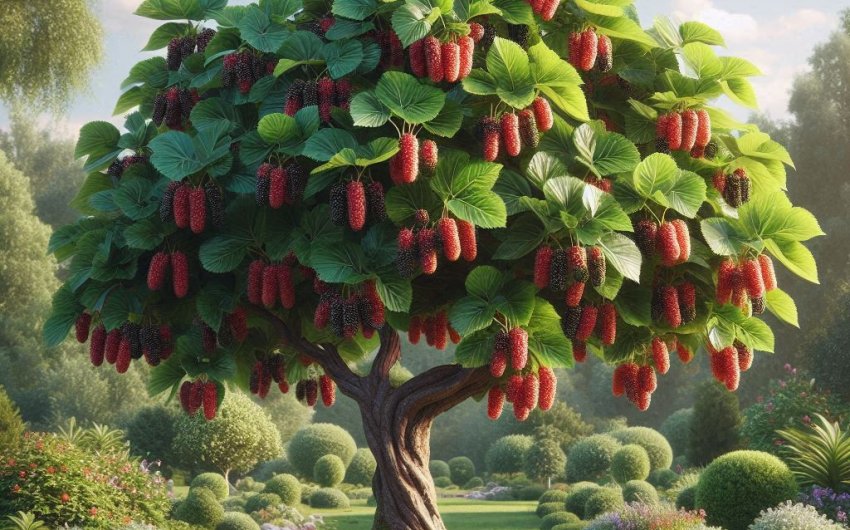
Nurturing a healthy fruit tree involves understanding its fundamental needs, and for a mulberry tree, proper hydration is absolutely crucial. While these resilient trees are known for their adaptability and ability to tolerate various conditions once established, getting the watering schedule right, especially in their younger years and during key growth phases, makes all the difference for a bountiful harvest. If you've been wondering how often should I water my mulberry tree, you're in the right place. We'll dive deep into the factors that influence a mulberry's water needs, practical tips for irrigation, and how to read the signs your tree is giving you. Get ready to cultivate a thriving mulberry that provides delicious berries for years to come.
What Factors Influence a Mulberry Tree's Water Needs?
Understanding the variables that affect your mulberry tree's thirst is the first step to becoming a successful mulberry grower. It's not a one-size-fits-all answer; instead, it's a dynamic interplay of several environmental and biological elements.
How Does Tree Age Affect Watering Frequency?
The age of your mulberry tree is perhaps the most significant factor in determining its watering needs. Young trees and newly planted trees have vastly different requirements than mature, established ones.
- Newly Planted Mulberry Trees (First 1-2 Years): This is the most critical period for watering. A newly planted mulberry tree is focused on developing a strong root system to anchor itself and absorb water and nutrients from the soil. Its roots are still confined to the original root ball and the immediate planting area.
- High Frequency: During this initial establishment phase, mulberry trees need consistent moisture. The goal is to keep the soil evenly moist, but not waterlogged. This might mean watering every 2-3 days, or even daily in very hot, dry, or windy conditions.
- Importance: Inadequate watering at this stage can lead to transplant shock, stunted growth, or even tree death. Overwatering, however, can also be detrimental, causing root rot. The key is balance.
- Young, Establishing Mulberry Trees (Years 3-5): As the tree matures slightly, its root system begins to spread out, allowing it to tap into a larger volume of soil for water.
- Reduced Frequency: While still needing supplemental water, the frequency can be reduced. Watering might be needed once or twice a week, depending on rainfall and weather.
- Deeper Watering: The focus shifts from frequent, shallow watering to less frequent, but deeper, watering. This encourages the roots to grow downwards, making the tree more drought-tolerant in the long run.
- Mature Mulberry Trees (5+ Years Old): Once a mulberry tree is well-established, with a widespread root system, it becomes remarkably self-sufficient.
- Minimal Supplemental Water: Mature mulberry trees are quite drought-tolerant. In many climates, they can survive on natural rainfall alone, especially if they are well-mulched.
- Exceptions: Supplemental watering may still be beneficial during extended dry spells, severe droughts, or when the tree is actively producing fruit. Consistent moisture during fruiting can lead to larger, juicier berries.
How Do Soil Type and Drainage Impact Watering?
The kind of soil your mulberry tree is planted in plays a huge role in how often you'll need to water. Soil acts like a sponge, holding onto water, but different types of sponges behave differently.
- Sandy Soils: These soils have large particles and big spaces between them. Water drains through very quickly, often before the roots have a chance to absorb enough.
- Watering Strategy: Mulberry trees in sandy soils will need to be watered more frequently, but with smaller amounts each time, to ensure the roots get enough moisture without it leaching away.
- Clay Soils: These soils have very small, tightly packed particles, which hold onto water for a long time. While this sounds good, it can also lead to waterlogging if not managed properly.
- Watering Strategy: Mulberry trees in clay soils will need to be watered less frequently, but when you do water, ensure it's a deep watering to penetrate the dense soil. It's crucial to allow the soil to dry out a bit between waterings to prevent root rot.
- Loamy Soils: Often considered ideal, loamy soils are a balanced mix of sand, silt, and clay. They drain well but also retain sufficient moisture.
- Watering Strategy: Mulberry trees in loamy soil will thrive with regular, consistent watering, as these soils provide a good balance for both drainage and water retention.
- Drainage is Key: Regardless of soil type, good drainage is paramount for mulberry trees. They do not tolerate "wet feet" (constant standing water around their roots). If your soil drains poorly, consider amending it with organic matter like compost (avoiding direct contact with the trunk) or planting on a slight mound to improve water runoff.
How Do Weather and Climate Affect Watering Needs?
The weather forecast and your local climate are powerful dictators of your mulberry tree's hydration requirements.
- Temperature:
- Hot Weather: High temperatures increase evaporation from the soil and transpiration (water loss through leaves) from the tree. This means your mulberry tree will lose water much faster and need more frequent watering.
- Cool Weather: Lower temperatures mean less water loss, so watering frequency can be reduced.
- Rainfall:
- Natural Source: Rainfall is the best source of water for your mulberry tree. Keep an eye on local precipitation. If you're getting regular, soaking rains (at least 1 inch per week), you might not need to water at all, especially for established trees.
- Supplemental Water: During dry spells or droughts, supplemental watering becomes essential, even for mature trees, to prevent stress and ensure fruit development.
- Humidity:
- Low Humidity: Dry air increases the rate of transpiration, meaning the tree loses water more quickly. You'll need to water more often.
- High Humidity: Humid air slows down water loss from the leaves, so the tree retains moisture better, and you can water less frequently.
- Wind:
- Drying Effect: Windy conditions, especially hot, dry winds, can rapidly dry out the soil and strip moisture from the leaves, increasing the tree's water demands significantly. Shelter from strong winds can help.
How Does Mulberry Tree Size and Fruit Production Influence Water?
The sheer size of your mulberry tree's canopy and whether it's actively producing fruit directly impacts its water requirements.
- Larger Canopy, More Water: A larger tree with more leaves has a greater surface area for transpiration. This means it will naturally lose more water to the atmosphere and require more water to compensate. A small sapling needs far less water than a sprawling, mature tree.
- Fruiting Period (Spring/Early Summer): This is arguably the second most critical time for water, after establishment.
- High Demand: Developing fruit requires a significant amount of water. Inadequate water during this period can lead to smaller, shriveled, or poor-tasting berries. It can also cause fruit to drop prematurely.
- Consistency is Key: Consistent moisture during the fruiting phase promotes plump, juicy berries.
- Impact on Flavor: While overwatering during ripening can dilute flavor, under-watering during fruit development can severely impact the quantity and quality of your harvest.
- Post-Harvest: Once fruiting is complete, the tree's immediate water demands decrease. While still needing water for general health, the intense needs of fruit production subside. This is a good time to slightly reduce watering frequency, but never let the tree completely dry out.
How Do I Water My Mulberry Tree Effectively?
Knowing when to water is only half the battle; knowing how to water effectively is just as important. The goal is to deliver water deeply to the root zone, encouraging strong root growth, without wasting water or causing harm to the tree.
What's the Best Way to Apply Water?
Different methods of water application have their pros and cons. The best approach often depends on the tree's age, your soil type, and your personal resources.
- Slow and Deep is Key: Regardless of the method, the golden rule for watering trees is to apply water slowly and deeply. This allows the water to penetrate the soil and reach the deeper roots, minimizing runoff and evaporation.
- Hose with a Slow Trickle:
- Method: Place a garden hose at the base of the tree and let it trickle slowly for several hours, or until the water has soaked deeply into the soil.
- Pros: Simple, effective for deep watering, and conserves water by reducing runoff.
- Cons: Requires monitoring and can be time-consuming.
- Tool: A Gilmour Heavy Duty Watering Nozzle set to a gentle stream works well.
- Soaker Hoses:
- Method: Lay a soaker hose in a coil around the drip line of the mulberry tree. The drip line is the imaginary circle on the ground directly beneath the outermost branches, where the majority of the feeder roots are located.
- Pros: Delivers water directly to the root zone, highly efficient, and minimizes evaporation. Can be left in place.
- Cons: Can be prone to clogging in some water conditions.
- Drip Irrigation Systems:
- Method: A network of tubing with emitters that deliver water slowly and precisely to specific areas.
- Pros: Most water-efficient method, highly customizable, and can be automated with a timer. Ideal for multiple trees or orchards.
- Cons: Higher initial setup cost.
- Tool: A basic Drip Irrigation Kit can be a good starting point.
- Watering Bags/Tree Gators:
- Method: These are specialized bags that wrap around the trunk of a young tree and slowly release water over several hours.
- Pros: Excellent for newly planted trees as they provide a consistent, deep soak without runoff. Reduces the need for frequent manual watering.
- Cons: Only suitable for young trees.
- Tool: A Treegator Original Slow Release Watering Bag is a popular choice.
How Much Water Does a Mulberry Tree Need?
The amount of water isn't about arbitrary gallons but about soaking the root zone to a sufficient depth.
- For Young Trees (First 1-2 Years): Aim for the water to penetrate 12-18 inches deep. This usually translates to 5-10 gallons per watering session, or enough to thoroughly moisten the entire root ball. You can use a soil moisture meter to check the depth.
- For Establishing Trees (Years 3-5): Increase the depth to 18-24 inches. The amount of water will depend on the tree's size and the soil type, but could be 10-20 gallons or more. Extend the watering area to the drip line.
- For Mature Trees: During extended dry periods, aim to water enough to soak the soil down to at least 24-36 inches. This will require significant amounts of water, applied slowly over the entire area under the tree's canopy.
Where Should I Water (Drip Line vs. Trunk)?
Understanding where the roots absorb water is vital for efficient watering.
- Avoid the Trunk: Do not water directly at the base of the trunk. Constant moisture around the trunk can lead to fungal diseases and rot.
- Focus on the Drip Line: The majority of a tree's feeder roots (the fine roots that absorb water and nutrients) are located around the drip line – the imaginary circle on the ground directly beneath the outermost spread of the tree's branches. As the tree grows, its drip line expands, and so should your watering area.
- Beyond the Drip Line: For established trees, roots can extend well beyond the drip line, sometimes 2-3 times the width of the canopy. While you don't need to water this entire area, ensuring the soil at the drip line and slightly beyond is consistently moist is beneficial.
Why is Mulching Around the Tree Important?
Mulching is a simple yet incredibly effective practice for improving soil health and optimizing water use for your mulberry tree.
- Water Conservation: A layer of mulch significantly reduces water evaporation from the soil surface, meaning more water stays in the root zone where the tree can use it. This directly translates to needing to water less often.
- Temperature Regulation: Mulch insulates the soil, keeping it cooler in summer (reducing stress on roots) and warmer in winter.
- Weed Suppression: Mulch suppresses weed growth, which compete with your mulberry tree for water and nutrients.
- Soil Health: As organic mulches break down, they add valuable organic matter to the soil, improving its structure, aeration, and fertility over time.
- How to Mulch: Apply a 2-4 inch layer of organic mulch (such as wood chips, shredded bark, or straw) in a doughnut shape around the base of the tree.
- Crucial Rule: Never pile mulch directly against the trunk of the tree (known as "volcano mulching"). Leave a few inches of space between the mulch and the trunk. This prevents moisture buildup that can lead to rot, pest infestations, and disease.
How Do I Know When My Mulberry Tree Needs Water?
The most common mistake in watering is relying on a rigid schedule instead of listening to your tree and observing its environment. Your mulberry tree will give you clues when it's thirsty, and your soil will provide direct evidence.
What are the Visual Signs of Thirsty Leaves and Branches?
Your mulberry tree's foliage is often the first indicator of water stress.
- Wilting: The most obvious sign is when the leaves start to droop or wilt, losing their turgidity (firmness). They might look limp or tired. This happens because the plant cells are losing water pressure.
- Yellowing or Browning Edges: If wilting persists, the leaf margins or entire leaves may start to turn yellow or brown, and eventually, they might crisp up and drop prematurely. This is a sign of severe dehydration and tissue damage.
- Scorched Leaves: In very hot, sunny conditions combined with drought, leaves can appear "scorched" or burned, especially along the edges.
- Lackluster Appearance: Overall, a thirsty mulberry tree will just look less vibrant and healthy than one that is adequately watered. Its leaves might seem dull rather than glossy.
- Fruit Drop or Shriveled Fruit: If the tree is fruiting, a lack of water can cause young fruit to drop prematurely or cause ripening fruit to shrivel, become dry, or taste bland.
It's important to note that some wilting can occur in extreme midday heat even if the tree is well-watered, as it's a natural mechanism to reduce water loss. However, if the tree remains wilted in the morning or evening when temperatures are cooler, it's a definite sign of thirst.
How Can I Check Soil Moisture?
Checking the soil directly is the most reliable way to determine if your mulberry tree needs water. Don't just look at the surface; the surface can be dry even if the deeper soil is still moist.
- The Finger Test: This is a simple, go-to method.
- Method: Stick your finger (or better yet, your entire hand) into the soil near the tree's root zone (not right at the trunk, but around the drip line). Push down 2-4 inches deep.
- Interpretation:
- If the soil feels dry at that depth, it's time to water.
- If it feels cool and moist, hold off on watering.
- The Screwdriver Test: For deeper checks.
- Method: Push a long screwdriver into the soil. It will slide easily through moist soil but will be difficult to push into dry, hard soil.
- Interpretation: If you can't easily push it down to 6-12 inches, it's likely time to water.
- Soil Moisture Meters: These tools provide a more precise reading of soil moisture.
- Method: Insert the probe into the soil at various depths around the drip line.
- Pros: Provides a numerical reading, helping you track soil moisture levels over time.
- Cons: Can be less accurate if not calibrated or used properly, and some models only measure shallow depths. A XLUX T10 Soil Moisture Sensor Meter is a well-rated option.
- The Weight Test (for Potted Trees): If your mulberry tree is in a container, you can lift the pot. A dry pot will feel noticeably lighter than a well-watered one.
Monitoring Local Rainfall and Weather Forecasts
Being aware of the weather is crucial for effective watering, helping you anticipate your mulberry tree's needs.
- Rain Gauges: Install a simple rain gauge in your garden to accurately measure how much natural precipitation your tree is receiving. Don't just assume a quick shower provides enough water; often, short rains don't penetrate deeply. Aim for at least 1 inch of rain per week for young trees.
- Weather Apps/Websites: Regularly check the forecast for upcoming rain, high temperatures, or prolonged dry spells. This allows you to plan your watering schedule proactively. If a heatwave is predicted, a deep watering beforehand can help your mulberry tree cope with the stress.
- Evaporation Rates: Understand that sunny, hot, and windy days lead to much higher evaporation rates, meaning the soil will dry out faster, and your tree will need water sooner. Cloudy, cool, and still days will mean less frequent watering.
By combining visual cues from your tree, direct soil moisture checks, and an understanding of local weather patterns, you can develop an intuitive and highly effective watering regimen for your mulberry tree, ensuring it gets exactly what it needs when it needs it.
Common Watering Mistakes to Avoid
Even with the best intentions, it's easy to make watering errors that can negatively impact your mulberry tree's health. Knowing what to avoid is as important as knowing what to do.
What are the Dangers of Overwatering?
While it might seem counterintuitive, overwatering can be just as, if not more, damaging than underwatering for a mulberry tree.
- Root Rot (Asphyxiation): The most serious consequence. Plant roots, like all living things, need oxygen to function. When the soil is constantly saturated with water, it pushes out all the air, depriving the roots of oxygen. This leads to the roots essentially suffocating and rotting.
- Signs: Symptoms of root rot often mimic those of underwatering (wilting, yellowing leaves) because the damaged roots can no longer absorb water efficiently. Other signs include a foul, sulfurous smell from the soil, stunted growth, and a general decline in vigor.
- Prevention: Ensure good drainage, allow the top few inches of soil to dry out between waterings, and don't water on a rigid schedule if the soil is already moist.
- Nutrient Leaching: Excess water can wash away essential nutrients from the soil before the tree's roots can absorb them, especially in sandy soils. This can lead to nutrient deficiencies.
- Fungal Diseases: Continuously wet conditions around the root collar and lower trunk promote the growth of harmful fungi, which can lead to diseases like crown rot.
- Weakened Tree: Overwatered trees are generally weaker and more susceptible to pests and other diseases.
Why is Shallow Watering Harmful?
Shallow watering is when you apply small amounts of water frequently, only wetting the top few inches of soil. This might seem like enough, but it has significant drawbacks.
- Surface Root Development: Shallow watering encourages the mulberry tree's roots to stay close to the surface, where the water is. These shallow roots are highly vulnerable to drying out quickly during hot, dry spells.
- Increased Water Stress: When deep moisture is needed, shallow-rooted trees are more prone to severe water stress, as their roots can't reach deeper, more consistent water reserves.
- Frequent Intervention Needed: You'll find yourself needing to water much more frequently because the limited water at the surface evaporates quickly.
- Inefficient Water Use: A significant portion of shallow-applied water is lost to evaporation before it can benefit the tree.
- Solution: Always aim for deep, thorough watering to encourage a robust, deep root system that can withstand periods of drought.
Why Should I Avoid Watering at Midday?
The time of day you water can impact the efficiency of your irrigation.
- Evaporation Loss: Watering in the middle of a hot, sunny day leads to significant water loss through evaporation. A large percentage of the water you apply will simply disappear into the air before it can soak into the soil and reach the roots.
- Inefficient Absorption: While the tree can still absorb some water, the overall efficiency is reduced.
- Leaf Scald: While less common for mulberry trees, water droplets on leaves can act like tiny magnifying glasses, potentially scorching the foliage in direct sun, especially on tender new growth.
- Best Time: The ideal time to water your mulberry tree is in the early morning. This allows the water to soak in deeply before the heat of the day, minimizing evaporation. It also gives any moisture on the leaves a chance to dry off before nightfall, reducing the risk of fungal diseases. If morning isn't possible, late afternoon or early evening is the next best option, though try to water early enough for leaves to dry.
By understanding and avoiding these common watering mistakes, you'll significantly improve the chances of your mulberry tree thriving and producing an abundant harvest. Consistent, deep, and mindful watering, based on your tree's needs and environmental conditions, is the cornerstone of healthy mulberry cultivation.