
How Often Should I Water My Papaya Tree?
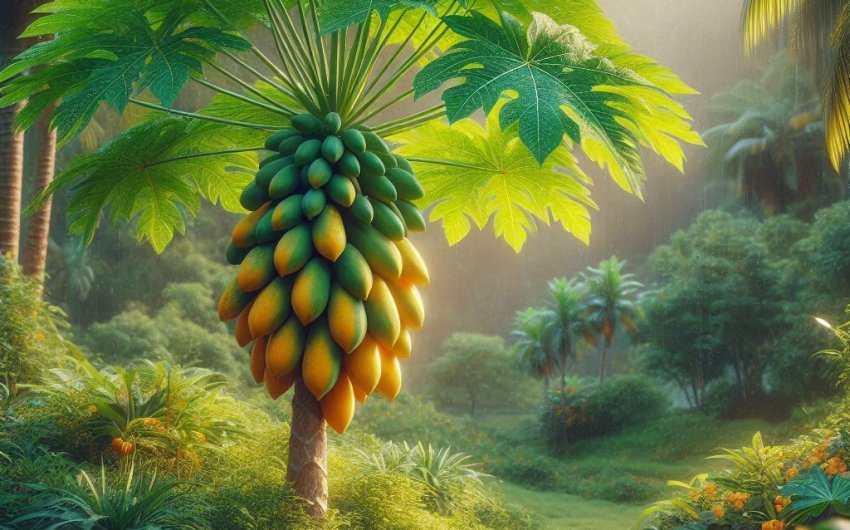
Cultivating a thriving papaya tree requires a nuanced understanding of its hydration needs, a critical factor for successful fruit production. The question of how often should I water my papaya tree isn't answered by a rigid schedule, but rather by considering several dynamic environmental and growth-stage factors. Supplying the right amount of moisture, without overdoing it, ensures healthy root development, robust foliage, and abundant, sweet fruit.
What Are the Papaya Tree's Basic Water Needs?
Understanding the fundamental water requirements of a papaya tree is the first step in determining how often should I water my papaya tree. Papayas are tropical plants, but unlike some moisture-loving jungle inhabitants, they have specific preferences that prioritize drainage and consistent, rather than constant, wetness.
Preference for Well-Drained Soil
The most critical aspect of a papaya tree's water needs is its absolute requirement for well-drained soil. Papayas are highly susceptible to root rot if their roots sit in standing water or consistently soggy conditions.
- No "Wet Feet": Papaya roots need oxygen to thrive. Waterlogged soil deprives them of this essential element, creating an anaerobic (oxygen-less) environment where harmful fungi flourish, leading to root decay.
- Soil Composition: Ideal soil for papayas is loamy, rich in organic matter, but with excellent percolation. If your soil is heavy clay, significant amendments will be necessary to ensure proper drainage.
Consistent Moisture, Not Saturated
While they need consistent moisture, especially during their active growth and fruiting periods, this does not mean the soil should be perpetually saturated.
- Evenly Moist: The goal is to keep the soil evenly moist, particularly in the top 6-12 inches, where the majority of feeder roots are located.
- Avoid Drying Out Completely: Allowing the soil to dry out completely for prolonged periods, especially in hot weather, can stress the tree, leading to:
- Wilting: Leaves droop and look limp.
- Flower Drop: Flowers may fall off prematurely, reducing fruit set.
- Fruit Drop: Developing fruit may abort and fall from the tree.
- Reduced Fruit Size: Inconsistent watering can lead to smaller or less sweet fruit.
- Avoid Overwatering: Conversely, overwatering is equally, if not more, detrimental. Signs of overwatering include:
- Yellowing Leaves: Especially lower, older leaves.
- Stunted Growth: Overall lack of vigor.
- Foul Odor from Soil: Indicating anaerobic conditions and rot.
- Mushy Stem Base: A very serious sign of stem or root rot.
Water Needs During Different Growth Stages
The papaya tree's water requirements fluctuate throughout its life cycle.
- Young Seedlings/New Transplants: These have shallow root systems and are highly vulnerable to drying out. They need very consistent, gentle moisture, often daily or every other day, but in smaller quantities.
- Active Growth (Vegetative Phase): When the tree is rapidly growing leaves and stems, its water needs are high.
- Flowering and Fruiting: This is a period of peak water demand. Consistent moisture is crucial for good fruit set and development. Inadequate water can lead to flower or fruit drop.
- Mature Trees: Once established, a mature papaya tree's deeper root system allows it to tolerate slightly longer intervals between waterings, but consistent deep watering is still preferred.
- Dormancy/Cooler Weather (if applicable): In subtropical areas where papayas might experience a cooler, drier "winter" or a period of slower growth, water needs decrease significantly. Reduce watering frequency to prevent root rot in cool, damp soil.
Understanding these basic water needs—the critical importance of drainage, the balance between consistent moisture and avoiding saturation, and the varying demands across growth stages—provides the foundational knowledge for determining how often should I water my papaya tree for optimal health and fruit production.
How Do Environmental Factors Influence Papaya Watering?
The question of how often should I water my papaya tree is heavily influenced by the immediate environmental conditions surrounding the plant. Temperature, humidity, and sunlight all play significant roles in determining how quickly a papaya tree uses water and how often it needs replenishment.
Temperature
Temperature directly impacts the rate of a papaya tree's transpiration (water loss from leaves) and evaporation from the soil.
- Hot Weather: In hot temperatures (especially above 85°F or 30°C), water evaporates rapidly from the soil surface and transpires quickly from the leaves. Papaya trees will need more frequent watering, often daily or even twice a day in extreme heat, particularly for container-grown plants.
- Cool Weather: In cooler temperatures (below 65°F or 18°C), plant metabolism slows down, and water loss decreases. Watering frequency should be significantly reduced to prevent the soil from remaining soggy for too long, which can lead to root rot.
Humidity
Humidity refers to the amount of moisture in the air.
- Low Humidity (Dry Air): In environments with low humidity, water evaporates more quickly from both the soil and the plant's leaves. This increases the papaya tree's water demand, necessitating more frequent watering. Dry air can also cause leaf edges to crisp or scorch.
- High Humidity (Humid Air): In humid conditions, water evaporates and transpires more slowly. This means the soil will stay moist for longer, and the tree will require less frequent watering. Overwatering is a higher risk in high humidity.
Sunlight Exposure
The amount and intensity of sunlight a papaya tree receives directly affects its photosynthetic rate and water usage.
- Full Sun: Papayas love full sun (6-8+ hours of direct sunlight daily). Plants in full sun will be actively photosynthesizing and transpiring at a higher rate, thus requiring more frequent watering.
- Partial Shade: While papayas prefer full sun, if they are grown in partial shade, their water usage will be lower due to reduced light intensity and cooler leaf temperatures. This means they will need less frequent watering. However, too much shade can lead to leggy growth and reduced fruit production.
Wind
Wind can significantly accelerate water loss from both the soil and the plant itself.
- Windy Conditions: Constant wind increases evaporation from the soil surface and can "strip" moisture from the leaves (transpiration). Papaya trees in windy locations will dry out faster and need more frequent watering.
- Sheltered Locations: Plants in sheltered spots will retain moisture longer.
Understanding these environmental factors is crucial for adapting your watering schedule. Instead of a fixed routine, continually assess the weather and your plant's location to determine how often should I water my papaya tree for optimal health.
How Do Soil Type and Potting Mix Affect Papaya Watering?
The medium in which your papaya tree is growing—whether in the ground or in a container—profoundly influences how often you should water your papaya tree. Different soil types and potting mixes have varying abilities to retain moisture and provide drainage, directly impacting your watering frequency.
In-Ground Papaya Trees
The native soil in your garden beds will largely determine drainage and water retention for in-ground papaya trees.
- Sandy Soil: As discussed, sandy soil drains extremely quickly.
- Watering: Requires frequent, thorough watering (perhaps daily or every other day in hot, dry weather) to ensure the root zone stays consistently moist.
- Amendments: Amending sandy soil with generous amounts of organic matter (compost, well-rotted manure) is crucial to improve its water retention capabilities.
- Clay Soil: Heavy clay soil compacts easily and retains a lot of water, leading to poor drainage.
- Watering: Requires less frequent watering, but each watering should be deep. The biggest risk is overwatering and root rot.
- Amendments: Significant amendment with coarse organic matter (compost, bark chips, perlite) is essential to improve drainage and aeration before planting a papaya tree. Raised beds are often a good solution for heavy clay.
- Loamy Soil (Ideal): A balanced mix of sand, silt, and clay, rich in organic matter. It drains well but retains sufficient moisture and nutrients.
- Watering: This is the ideal for papaya. Watering frequency will be moderate, depending on environmental conditions. It's forgiving of minor watering mistakes.
Container-Grown Papaya Trees
Container-grown papaya trees have different watering dynamics due to the confined space and the nature of potting mixes.
- Potting Mix: Always use a well-draining potting mix specifically formulated for container growing. Avoid heavy garden soil. A good mix will often contain:
- Coarse Peat Moss or Coco Coir: For moisture retention.
- Perlite or Pumice: For aeration and drainage.
- Pine Bark Fines: For structure and drainage.
- You can find suitable tropical potting mixes or create your own.
- Faster Drying: Soil in pots, especially terracotta or fabric pots, tends to dry out much faster than in-ground soil because of increased exposure to air circulation around the sides.
- Watering: Container papayas almost always require more frequent watering than their in-ground counterparts, often daily in hot, sunny, or windy conditions, and every few days in milder weather.
- Pot Material:
- Terracotta/Clay Pots: Porous, allowing water to evaporate through the pot walls. Dries out faster.
- Plastic Pots: Non-porous, retains moisture for longer.
- Fabric Grow Bags: Excellent for aeration and drainage, preventing root circling, but also tend to dry out faster. You can get a fabric grow bag for good drainage.
- Pot Size: Smaller pots dry out faster than larger ones. As your papaya tree grows, graduating to a larger pot can help reduce watering frequency slightly.
Understanding your soil type or potting mix composition is paramount to determining how often should I water my papaya tree. The goal is always to provide consistent moisture without waterlogging the roots, ensuring the medium allows for excellent drainage and aeration.
How to Check Soil Moisture to Determine Watering Needs?
Instead of relying on a strict schedule, the most effective way to determine how often should I water my papaya tree is by directly assessing the moisture level of the soil. This hands-on approach ensures your tree receives water only when it truly needs it, preventing both underwatering and the dreaded overwatering.
The Finger Test (Most Common Method)
This simple, tactile method is a reliable way to gauge soil moisture.
- Process:
- Insert your index finger 2-4 inches deep into the soil near the base of the papaya tree (for larger trees, go even deeper).
- If the soil at that depth feels dry to the touch, it's generally time to water.
- If it still feels moist, sticky, or damp, wait and check again in a day or two.
- Nuance: The "dry" threshold can vary slightly. For papaya, you generally want the top few inches to dry out before watering again. You don't want the soil to be bone dry throughout the entire root zone, but also not constantly soggy.
The Stick or Skewer Test
Similar to the finger test but can reach deeper into the root zone.
- Process:
- Insert a wooden dowel, chopstick, or unpainted wooden skewer deep into the soil (e.g., 6-12 inches for a mature tree, or to the bottom for a potted plant).
- Leave it for 15-20 minutes.
- Pull it out. If it comes out clean and dry with no soil clinging to it, the soil is dry enough for watering. If it has damp soil clinging to it, or feels cool and damp, wait.
The Pot Weight Test (for Container-Grown Papayas)
This method requires a bit of practice but becomes very intuitive.
- Process:
- Lift your potted papaya tree shortly after you've thoroughly watered it. Note its weight.
- Over time, lift it periodically. As the soil dries out, the pot will become noticeably lighter.
- When the pot feels significantly lighter than when it was fully watered, it's usually time to water again.
- Benefits: This method is excellent for gauging moisture throughout the entire pot, not just the top.
Using a Soil Moisture Meter
A soil moisture meter provides an objective, numerical reading of the moisture level.
- Process:
- Insert the probe of the soil moisture meter deep into the soil.
- The meter will give a reading (often on a scale from 1 to 10, or "dry" to "wet").
- Aim for a reading that indicates the soil is starting to dry out, but not bone dry. For many papayas, waiting until the meter reads "dry" or near the low end of the "moist" range is appropriate before watering.
- Benefits: Takes the guesswork out of watering and can be particularly helpful for beginners.
Observing the Plant Itself
Your papaya tree will also provide visual cues regarding its water status.
- Wilting/Drooping Leaves: A sign of underwatering (or severe overwatering leading to root rot). Check soil moisture to differentiate.
- Yellowing Leaves: Can be a sign of overwatering (older leaves, soft) or underwatering (older leaves, crispy). Again, check soil moisture.
- Crispy Leaf Edges: Often indicates prolonged underwatering or very low humidity.
By combining direct soil assessment methods (finger test, moisture meter, pot weight) with observing your plant's signals, you can confidently determine how often should I water my papaya tree and provide the ideal hydration it needs to thrive.
How Do You Water a Papaya Tree Effectively?
Once you've determined how often you should water your papaya tree, the next step is to ensure you're watering effectively. Proper watering techniques maximize water absorption, minimize waste, and prevent common issues like runoff and fungal diseases, ensuring your papaya tree gets the most out of every drop.
1. Water Deeply
The goal is to moisten the entire root zone, encouraging the roots to grow downwards and develop a robust system.
- For In-Ground Trees: Apply water slowly over an extended period. This allows the water to percolate deeply into the soil rather than running off the surface. A trickle from a hose or a soaker hose laid around the base of the tree works well. Water until the top 12-18 inches of soil are moist.
- For Container-Grown Trees: Water until water starts to drain from the bottom of the pot. Ensure excess water can escape and is not allowed to sit in a saucer, which can lead to root rot.
2. Water Slowly
Rapid watering often leads to runoff, especially on sloped areas or compacted soil, meaning less water actually reaches the roots.
- Gentle Application: Use a watering can with a rose, a hose with a gentle spray nozzle, or drip irrigation.
- Build a Berm (for In-Ground Trees): For newly planted trees or in very sandy soils, create a small soil berm or basin around the base of the tree (about 1-2 feet out from the trunk). This helps capture water and directs it down to the root zone, preventing runoff.
3. Water at the Base of the Tree
Focus water directly on the soil around the tree's base, avoiding wetting the foliage unnecessarily.
- Prevent Fungal Diseases: Wet foliage, especially overnight, can create conditions favorable for fungal diseases like powdery mildew or black spot. Watering the base minimizes this risk.
- Efficient Delivery: Directing water to the soil ensures it goes straight to the roots, where it's needed, rather than being lost to evaporation from leaves.
4. Water in the Early Morning
This is generally the best time of day to water most plants, including papaya trees.
- Minimizes Evaporation: Temperatures are cooler, and winds are often calmer in the morning, reducing water loss to evaporation.
- Allows Drying: Gives any accidentally wetted foliage time to dry completely before nightfall, again reducing the risk of fungal issues.
- Prepares for Heat: Hydrates the tree before the heat of the day, making it more resilient to stress.
5. Use Mulch
Applying an organic mulch around the base of your papaya tree is a simple yet highly effective way to improve watering efficiency and overall tree health.
- What to Use: Apply a 2-4 inch layer of organic mulch such as wood chips, shredded bark, straw, or compost.
- Benefits:
- Retains Soil Moisture: Mulch acts as a blanket, reducing water evaporation from the soil surface. This significantly reduces watering frequency.
- Suppresses Weeds: Reduces weed competition for water and nutrients.
- Regulates Soil Temperature: Keeps soil cooler in summer and warmer in winter.
- Adds Organic Matter: As organic mulch decomposes, it slowly adds valuable organic matter to the soil, further improving its structure and water-holding capacity over time.
- Application: Keep mulch a few inches away from the trunk of the tree to prevent moisture buildup and potential rot or pest issues.
By adopting these effective watering techniques, you'll optimize water delivery to your papaya tree, conserve water, and create a healthier environment that promotes robust growth and abundant fruit, becoming adept at discerning how often should I water my papaya tree.
What Are Signs of Water Stress and How to Respond?
Even with the best intentions, papaya trees can still exhibit signs of water stress, either from too little or too much water. Recognizing these symptoms and knowing how to respond is key to keeping your tree healthy. Learning how often should I water my papaya tree involves constantly reading your plant's signals.
Signs of Underwatering (Drought Stress)
These symptoms indicate your papaya tree is not getting enough water.
- Wilting or Drooping Leaves: The most obvious sign. Leaves will look limp and hang downwards as the plant tries to conserve moisture.
- Yellowing or Browning Leaves (Crispy): Older, lower leaves will turn yellow and then often become crispy and brown, eventually falling off.
- Stunted Growth: Overall growth slows or stops.
- Flower/Fruit Drop: Flowers may abort, and developing fruit may shrivel and fall off prematurely.
- Dry Soil: When you check the soil, it will feel bone dry for several inches deep.
- Response:
- Immediate Deep Watering: Provide a thorough, deep watering. For potted plants, water until it drains from the bottom. For in-ground trees, water slowly for a prolonged period.
- Monitor: Check the soil moisture frequently in the coming days to ensure it rehydrates adequately.
- Adjust Schedule: Increase watering frequency going forward, especially during hot or dry periods. Consider applying mulch if you haven't already.
Signs of Overwatering (Waterlogging/Root Rot)
These symptoms can be more insidious and dangerous, often mimicking underwatering.
- Yellowing Leaves (Soft/Limp): Similar to underwatering, but these yellow leaves (often older ones) will feel soft and limp, not crispy.
- Wilting/Drooping Leaves (Despite Wet Soil): A crucial, confusing symptom. The roots are suffocating and rotting, so they cannot absorb water, leading to wilt even when the soil is saturated.
- Mushy Stem or Base: The stem near the soil line feels soft, squishy, or looks discolored (dark brown/black). This indicates advanced stem or root rot.
- Foul Odor from Soil: A sour, rotten, or sulfuric smell indicates anaerobic conditions and root rot.
- Fungus Gnats: Small flying insects hovering around the soil are attracted to consistently wet, decaying organic matter.
- Response:
- Stop Watering Immediately: Do not add any more water.
- Improve Drainage: Empty saucers. Elevate potted plants on pot feet or move them to a well-drained area.
- For Potted Plants:
- Unpot and Inspect Roots: Carefully remove the plant from its pot.
- Prune Rotting Roots: Cut away all soft, mushy, dark roots with clean, sharp, sterilized shears. Leave only firm, healthy roots.
- Repot: Replant in a clean pot (same size or slightly smaller if many roots were removed) with fresh, well-draining potting mix.
- Delay Watering: Do not water for at least a week or until the soil is dry to the touch.
- For In-Ground Trees:
- Stop Watering: Cease irrigation for an extended period to allow the soil to dry out.
- Improve Drainage (if possible): If the problem is persistent due to heavy soil, consider improving drainage around the root zone by adding amendments or even installing a French drain for severe cases.
- Reduce Soil Compaction: Gently aerate the surrounding soil to improve oxygen flow.
By understanding these vital signs and responding appropriately, you can navigate the challenges of hydration and cultivate a thriving papaya tree. The key to how often should I water my papaya tree is ultimately becoming an astute observer of your plant and its environment, adjusting your practices to its precise needs.