
How Often Should I Water My Mango Tree?
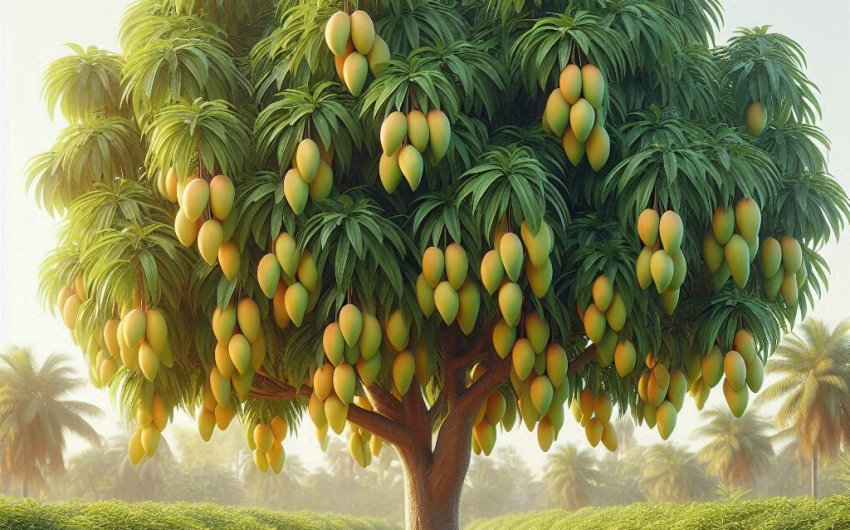
Proper hydration is foundational to cultivating a healthy, fruit-bearing mango tree. Understanding how often should I water my mango tree involves considering various factors beyond a simple schedule, as its water needs fluctuate significantly based on its age, climate, soil type, and current growth stage. Mastering these nuances ensures your tropical treasure receives the precise amount of moisture for optimal growth and abundant harvests.
Why is Water So Critical for Mango Trees?
Before delving into how often should I water my mango tree, it's crucial to understand why water plays such a pivotal role in its health and productivity. Mango trees, originating from tropical and subtropical regions, are accustomed to specific moisture patterns, and deviations can significantly impact their well-being.
Photosynthesis and Energy Production:
- Essential Ingredient: Water is a primary raw material for photosynthesis, the process by which mango trees (like all plants) convert sunlight into energy (sugars).
- Nutrient Transport: It acts as the vehicle for transporting essential nutrients from the soil, through the roots, up the trunk, and into the leaves, flowers, and developing fruits. Without adequate water, nutrient uptake is severely hampered.
Maintaining Turgor Pressure:
- Cell Structure: Water fills the plant cells, creating turgor pressure that keeps the leaves and stems firm and upright. This is what prevents wilting.
- Structural Integrity: Proper turgor is vital for the overall structural integrity of the tree, allowing it to stand strong and expose its leaves efficiently to sunlight.
Nutrient Absorption and Distribution:
- Dissolving Nutrients: Nutrients in the soil are absorbed by roots only when they are dissolved in water.
- Translocation: Water facilitates the movement of these dissolved nutrients throughout the entire tree, ensuring every part gets the nourishment it needs for growth, flowering, and fruiting.
Temperature Regulation (Transpiration):
Advertisement- Evaporative Cooling: Mango trees release water vapor through tiny pores on their leaves called stomata in a process called transpiration. This is akin to sweating in humans and helps cool the plant, preventing overheating, especially in hot, sunny climates.
- Preventing Stress: Adequate water allows the tree to transpire efficiently, reducing heat stress and maintaining optimal internal temperatures for physiological processes.
Flower and Fruit Development:
- Critical Stages: Water availability is paramount during flowering and fruit set. Stress during these periods can lead to flower drop and premature fruit abortion.
- Fruit Quality: Sufficient water contributes to plump, juicy mangoes. Insufficient water can result in smaller, less succulent, or stringier fruits.
Root Health and Growth:
- Oxygen Exchange: While too much water can drown roots, healthy root growth requires consistent moisture to explore the soil, access nutrients, and anchor the tree.
- Preventing Salinity Buildup: Regular deep watering helps flush salts out of the root zone, preventing salt buildup that can damage roots and hinder water uptake.
Consequences of Improper Watering:
- Underwatering: Leads to wilting, stunted growth, premature leaf drop, flower drop, fruit drop, and ultimately, a weak or dead tree. The tree won't have enough water to perform its basic functions.
- Overwatering: Just as detrimental, overwatering starves roots of oxygen, leading to root rot (a fungal disease). Symptoms often mimic underwatering (wilting, yellowing leaves) because the damaged roots cannot absorb water. It also encourages fungal diseases.
Given water's central role in every aspect of a mango tree's life, understanding its precise needs through different stages and environmental conditions is crucial to answering how often should I water my mango tree for a thriving, productive specimen.
How Does the Age of a Mango Tree Affect Its Water Needs?
The water requirements of a mango tree are not constant; they evolve significantly throughout its life cycle. Understanding these changes is critical for answering how often should I water my mango tree at different stages, ensuring optimal growth from a young seedling to a mature, fruit-bearing specimen.
Newly Planted Mango Trees (First 1-2 Years):
- High Water Needs: This is the most critical period for consistent watering. Young trees are focused on establishing a strong root system. Their root balls are still relatively small compared to their developing canopy, and they haven't yet explored the surrounding soil for moisture.
- Frequency:
- Initial: Immediately after planting, water deeply.
- First Few Weeks: Water daily or every other day, ensuring the soil around the root ball remains consistently moist but not waterlogged.
- Ongoing (First Year): Gradually reduce frequency as the tree establishes, but aim for 2-3 times per week, depending on temperature, sunlight, and soil type. The goal is to keep the top 2-4 inches of soil consistently damp.
- How Much: Apply enough water to thoroughly soak the entire root ball and the surrounding soil. Use a slow trickle from a hose or a drip irrigation system to allow the water to penetrate deeply without runoff. A tree watering bag can be excellent for slow, deep watering.
- Monitoring: Regularly check soil moisture by sticking your finger into the soil near the root ball. It should feel damp.
Young, Establishing Mango Trees (2-5 Years Old):
- Moderate Water Needs: As the root system expands, the tree becomes more capable of sourcing water from a larger soil volume. Water needs are still significant to support active vegetative growth.
- Frequency:
- Reduce watering frequency to about 1-2 times per week during dry periods, or as needed based on soil moisture.
- Allow the top 4-6 inches of soil to dry out before watering again.
- How Much: Continue to water deeply. The goal is to encourage roots to grow downwards, seeking moisture, rather than staying shallow. You want to moisten the soil to a depth of at least 1-2 feet (30-60 cm) with each watering.
- Consider a Moisture Meter: A soil moisture meter can provide accurate readings of deeper soil moisture.
Mature, Fruit-Bearing Mango Trees (5+ Years Old):
- Specific Water Needs (Drought Cycle is Key): Mature mango trees are remarkably drought-tolerant once established. Their water needs become highly dependent on the season and their fruiting cycle.
- General Dry Season (Before Flowering - 2-3 months before):
- Reduced Watering: This is crucial for flowering. Reduce or even stop watering completely for 2-3 months during the dry season (typically late fall/early winter in tropical climates) to induce flowering. Water stress signals the tree to conserve energy and initiate flower bud formation.
- Exceptions: Only water if leaves start to visibly wilt or curl significantly; provide just enough to prevent severe stress.
- Flowering and Fruit Set:
- Minimal Water: Continue to water very sparingly, if at all, during the actual flowering period. Too much water can cause flowers to drop.
- Fruit Development and Ripening:
- Increased Watering: Once fruits have set (are about marble to golf-ball size), gradually resume regular, deep watering. This period requires consistent moisture to develop plump, juicy fruits.
- Frequency: Depending on climate and soil, this might be once or twice a week, ensuring deep penetration.
- Reduced Towards Ripening: Reduce watering slightly as the fruits approach harvest (last 2-3 weeks). This can help concentrate sugars and improve flavor. However, don't let the tree completely dry out.
- Post-Harvest:
- Resume moderate watering as the tree enters its next vegetative growth flush, then gradually reduce again for the next dry season.
Important Note for Container-Grown Mango Trees:
- Container-grown mango trees (especially dwarf varieties like 'Ice Cream' or 'Cogshall' that grow well in pots) will always require more frequent watering than ground-planted trees, regardless of age, because their root systems are confined and soil dries out faster.
- Check daily during warm periods, watering when the top 1-2 inches of soil feel dry. Ensure excellent drainage.
By carefully observing the age of your tree and its current growth phase, you can fine-tune your watering schedule, providing the precise answer to how often should I water my mango tree for abundant harvests.
How Do Climate and Soil Type Influence Watering Frequency?
Beyond the age of the tree, the local climate and the type of soil your mango tree is planted in are powerful determinants in figuring out how often should I water my mango tree. These environmental factors directly impact how quickly water evaporates from the soil and how well the soil holds moisture.
Climate Factors:
- Temperature:
- Hot Weather: Higher temperatures increase evaporation from the soil surface and transpiration (water loss from leaves) from the tree. During hot spells, mango trees will need more frequent and/or deeper watering.
- Cooler Weather: In cooler temperatures, water evaporates slower, and the tree's metabolic rate slows down, reducing its water uptake. Watering frequency should be significantly reduced, especially during the dry season or dormancy.
- Humidity:
- Low Humidity (Dry Air): Arid climates with low humidity increase the rate of transpiration, leading to higher water demand. You'll need to water more frequently.
- High Humidity (Humid Air): High humidity reduces the rate of transpiration, so the tree loses less water through its leaves. Watering frequency can be reduced. However, high humidity combined with stagnant air can increase the risk of fungal diseases if overwatered.
- Rainfall:
- Natural Precipitation: The most obvious factor. If your area receives regular, sufficient rainfall, you may not need to supplement water.
- Monitor Rainfall: Use a rain gauge to accurately measure how much natural precipitation your tree is getting before deciding to water. Remember that heavy downpours can lead to runoff, so not all rain effectively penetrates the soil.
- Wind:
- Windy Conditions: Consistent wind, especially hot, dry wind, can dramatically increase water loss from both the soil and the tree's leaves (transpiration). Trees in windy locations will need more water.
- Temperature:
Soil Type Factors:
- Sandy Soil:
- Characteristics: Coarse particles, excellent drainage, poor water retention. Water passes through quickly.
- Watering Strategy: Requires more frequent watering, but each application can be slightly less volume. You'll need to water more often to compensate for its fast drainage.
- Example: In hot, dry weather, a mango tree in sandy soil might need water every 2-3 days, even when established.
- Loamy Soil:
- Characteristics: A balanced mix of sand, silt, and clay. Good drainage while retaining adequate moisture. Considered ideal for most plants, including mango trees.
- Watering Strategy: Provides a good balance. Water thoroughly and allow the top few inches to dry out before rewatering. Watering frequency will be moderate.
- Example: In hot, dry weather, a mango tree in loamy soil might need water every 3-5 days.
- Clay Soil:
- Characteristics: Fine particles, poor drainage, excellent water retention (can become waterlogged easily). Holds water for long periods.
- Watering Strategy: Requires less frequent watering, but when you do water, it must be done deeply and slowly to encourage penetration. Overwatering is a major risk, leading to root rot.
- Example: In hot, dry weather, a mango tree in clay soil might need water once every 5-7 days or even less, depending on how quickly the soil dries.
- Organic Matter:
- Impact: Adding organic matter (like compost or well-rotted manure) to any soil type significantly improves its water retention capabilities (in sandy soil) and drainage (in clay soil). It helps create a healthier soil structure.
- Recommendation: Regularly amend your soil with organic matter to improve water management.
- Sandy Soil:
Practical Application:
- Finger Test: The most reliable method is still the "finger test." Stick your finger (or a soil moisture meter) into the soil a few inches deep (or deeper for established trees). If it feels damp, wait. If it feels dry, it's time to water.
- Mulching: Applying a 2-4 inch (5-10 cm) layer of organic mulch (like wood chips or shredded bark) around the base of the tree (keeping it a few inches away from the trunk) significantly helps. Mulch conserves soil moisture by reducing evaporation, moderates soil temperature, and suppresses weeds that compete for water. A good option is pine bark mulch.
By carefully observing your local climate, understanding your soil's characteristics, and feeling the soil moisture, you can precisely answer how often should I water my mango tree for its specific needs, leading to a vibrant and productive tree.
How Do the Mango Tree's Growth Stages Affect Watering?
Beyond the tree's age, the specific growth stage a mango tree is currently in profoundly impacts how often should I water my mango tree. Its water demands shift dramatically between periods of active foliage growth, flowering, and fruit development, reflecting the energy and resources required for each phase.
Vegetative Growth Stage (Flushing):
- When it Occurs: This is when the tree puts out new leaves and branches, often characterized by a flush of reddish-bronze new growth that gradually turns green. This typically happens after fruit harvest or during warm, wet periods.
- Water Needs: Moderate to high. During flushes, the tree is actively expanding its canopy and requires consistent moisture to support this new growth.
- Watering Strategy: Water regularly and deeply to ensure the soil remains moist but not waterlogged. Allow the top few inches of soil to dry out between waterings.
Flowering and Bud Initiation (Pre-Flowering Dry Period):
- When it Occurs: This is arguably the most critical watering stage. Mango trees generally need a period of water stress (a dry spell) to induce flowering. This typically happens in late fall or early winter in tropical climates.
- Water Needs: Very low. This is the period when you should drastically reduce or even cease watering for 2-3 months.
- Why It's Critical: Water deprivation signals the tree to switch from vegetative growth to reproductive growth (flowering). If you continue to water heavily during this period, the tree is more likely to produce vegetative flushes (leaves) instead of flowers, or the flowers may drop prematurely.
- Watering Strategy: Only provide emergency water if the tree shows severe signs of wilting (curling, drooping leaves). Even then, just enough to prevent permanent damage. Avoid saturating the soil.
- Exceptions: Some evergreen varieties or those in climates without a distinct dry season may need a slight reduction but not a complete cessation of water.
Fruit Set:
- When it Occurs: After the flowers bloom and have been pollinated, tiny fruits begin to form.
- Water Needs: Low to moderate. Water very sparingly during the actual fruit set period (when fruits are still tiny). Too much water can cause the newly set fruit to drop prematurely.
- Watering Strategy: Avoid heavy watering during this delicate phase. Just enough to prevent the tree from becoming overly stressed.
Fruit Development and Sizing:
- When it Occurs: Once the fruits are marble-sized to golf-ball sized and have visibly "set," the tree enters a phase of rapid fruit growth.
- Water Needs: High. This is when the tree needs a consistent and ample supply of water to swell the fruits, ensure juiciness, and prevent them from dropping prematurely.
- Watering Strategy: Resume regular, deep watering. Ensure the soil remains consistently moist (but not waterlogged) throughout this period. Drought stress here can lead to smaller, stringier fruits or fruit drop.
Fruit Ripening (Final 2-3 Weeks Before Harvest):
- When it Occurs: As the fruits approach maturity and begin to change color.
- Water Needs: Slightly reduced. Some growers advocate reducing watering slightly during the final 2-3 weeks before harvest.
- Why It's Important: This practice is believed by some to help concentrate sugars in the fruit, enhancing flavor. However, don't let the tree undergo severe drought stress, as this can still negatively impact fruit quality or cause pre-harvest drop. Just a moderate reduction.
Post-Harvest:
- When it Occurs: After all fruits have been harvested.
- Water Needs: Moderate. The tree has just expended a lot of energy producing fruit. This is a good time to resume moderate, regular watering to help the tree recover and prepare for its next flush of vegetative growth.
Practical Tips:
- Observe Your Tree: The tree itself is the best indicator. Wilting or dull-looking leaves usually mean thirst. Yellowing leaves and general decline can mean either too little or too much water (root rot).
- Know Your Climate's Seasons: Align your watering schedule with your local wet and dry seasons. If you're in a tropical climate, the natural dry season is crucial for flower induction.
- Consider a Rain Barrel: Collect rainwater in a rain barrel for sustainable watering, especially during dry spells.
By carefully monitoring your mango tree's specific growth stage and adjusting your watering practices accordingly, you will master how often should I water my mango tree, ensuring healthy growth and a bountiful harvest.