
What are the best fruits to grow in partial shade?
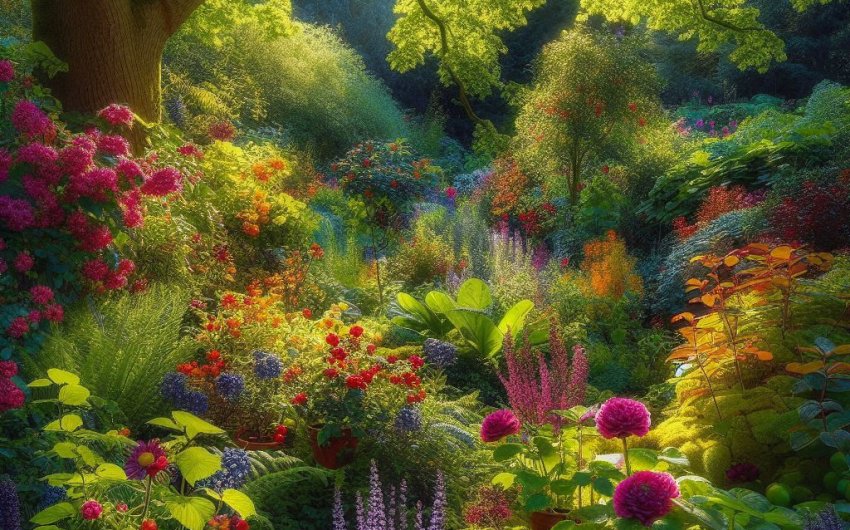
The best fruits to grow in partial shade are typically berries, such as currants, gooseberries, raspberries, and certain blueberries, along with a few tree fruits like serviceberries. These plants can tolerate less than full sun exposure while still producing a reasonable harvest.
What Does "Partial Shade" Really Mean for Fruit Plants?
Understanding what "partial shade" truly means is crucial for selecting the right fruit plants and setting realistic expectations for their growth and yield. It's not a one-size-fits-all definition, and the type of shade makes a big difference.
Defining "Partial Shade":
Partial shade generally refers to an area that receives 3 to 6 hours of direct sunlight per day. This light exposure can occur in various ways:
- Morning Sun / Afternoon Shade: This is often the ideal type of partial shade for many fruit plants that tolerate less sun. They get the benefit of the gentler, cooler morning sun (which is excellent for photosynthesis without overheating), followed by protection from the intense, hot afternoon sun.
- Dappled or Filtered Sun: This occurs when sunlight filters through the leaves of deciduous trees for much of the day. The intensity of the light is reduced, but the plants still receive consistent indirect light. This is generally preferable to dense, unbroken shade.
- Afternoon Sun / Morning Shade: Less ideal for many fruit plants, as they miss the important morning light and then face the harsher afternoon sun, which can still be too intense for some.
- Full Shade: This is less than 3 hours of direct sun, or no direct sun at all. Very few fruit-bearing plants will produce a meaningful harvest in full shade.
Why It Matters for Fruit Plants:
- Photosynthesis: All plants need sunlight for photosynthesis, the process by which they convert light energy into sugars (energy) for growth and fruit production. More sun generally means more energy, leading to stronger growth and larger, sweeter fruit.
- Fruit Development: Fruit formation and ripening are energy-intensive processes. Less sun typically means:
- Reduced Yields: Fewer flowers, less fruit set.
- Smaller Fruit: Less energy for fruit expansion.
- Lower Sugar Content: Less light for sugar production, leading to blander fruit.
- Poor Coloration: Fruit may not develop its full, vibrant color.
- Disease Susceptibility: Shady, damp conditions can also increase the risk of certain fungal diseases (though not all, like powdery mildew which prefers dry leaves but high humidity). Good air circulation is still important.
- Tree Vigor: Over time, fruit trees in too much shade will become leggy, weak, and unproductive.
When evaluating your "partial shade" spot, consider the duration of direct sun, the intensity of that sun (morning vs. afternoon), and whether the shade is dappled or dense. This nuanced understanding will help you choose the best fruits for your specific conditions and set realistic expectations for your harvest.
What are the Best Berries to Grow in Partial Shade?
Berries are generally the most forgiving fruit plants when it comes to partial shade, as many are native to woodland edges or understories where they receive filtered light. While full sun almost always yields the most abundant harvest, these berries can still be productive in 3-6 hours of direct sunlight, especially morning sun.
Top Berry Choices for Partial Shade:
- Currants (Red, Black, White):
- Light Needs: Thrive in partial shade, especially in warmer climates where they benefit from protection from intense afternoon sun. They will still produce in full sun in cooler climates.
- Yields: Produce good yields even with less sun, though berries may be slightly smaller or less sweet than those grown in full sun.
- Characteristics: Cold hardy, generally low maintenance. Blackcurrants are especially tolerant of shade.
- Examples: Red Lake Red Currant, Ben Sarek Black Currant.
- Gooseberries:
- Light Needs: Very similar to currants; they prefer partial shade in hotter climates and can handle full sun in cooler ones. The shade helps prevent sunscald on the berries.
- Yields: Reliable producers in dappled or partial shade.
- Characteristics: Thorny but productive, can be trained into small trees.
- Examples: Hinnomaki Red Gooseberry, Invicta Gooseberry.
- Raspberries (Red and Black):
- Light Needs: While raspberries prefer full sun for peak production, they are surprisingly adaptable to partial shade (4-6 hours of sun), especially summer-bearing red raspberries. Black raspberries may need a bit more sun for best flavor.
- Yields: Yields will be somewhat reduced, and ripening may be slower, but you can still get a decent crop.
- Characteristics: Canes spread by suckers, require trellising or support.
- Examples: Heritage Raspberry (everbearing, can work in partial shade), Boyne Raspberry (summer-bearing).
- Blueberries (Certain Varieties):
- Light Needs: Blueberries prefer full sun, but in very hot climates, afternoon shade is beneficial to prevent stress and improve berry quality. Some varieties, particularly rabbiteye blueberries, can tolerate partial shade better than highbush types.
- Yields: Yields will be lower, and fruit may be less sweet or ripen slower in shadier conditions.
- Characteristics: Require acidic soil (pH 4.5-5.5) and good drainage.
- Examples: Tifblue Rabbiteye Blueberry, Climax Rabbiteye Blueberry.
- *Elderberries (Sambucus spp.):*
- Light Needs: Very adaptable. While full sun leads to the heaviest fruit set, elderberries will readily grow and produce fruit in partial shade, especially in warmer zones.
- Yields: Decent yields, though perhaps not as prolific as in full sun.
- Characteristics: Fast-growing shrub, excellent for jams, jellies, and syrups.
- Examples: Adams Elderberry, York Elderberry.
General Tips for Berries in Partial Shade:
- Morning Sun is Best: Always prioritize locations that receive morning sun over afternoon sun.
- Good Air Circulation: Ensure adequate spacing to prevent fungal diseases that can be exacerbated by shade and dampness.
- Manage Expectations: Understand that yields and fruit sweetness might be slightly less than those grown in full sun, but still rewarding for a shadier spot.
By selecting these adaptable berry types, you can transform a partially shaded area of your garden into a productive and delicious edible landscape.
What Fruit Trees (Other Than Berries) Can Tolerate Partial Shade?
While most traditional fruit trees (apples, peaches, pears, cherries) demand full sun for optimal fruit production, a few less common or "alternative" fruit trees and their shrubby relatives can tolerate partial shade and still provide a decent harvest. These are excellent choices for diversifying a shadier food forest or for difficult spots in the garden.
Fruit Trees and Large Shrubs Tolerant of Partial Shade:
- *Serviceberry / Saskatoon Berry (Amelanchier spp.):*
- Light Needs: A fantastic native option. While productive in full sun, serviceberries are naturally understory trees/shrubs and will happily grow and produce a good crop in partial shade (4-6 hours of direct sun), especially in cooler climates.
- Fruit: Small, purplish-red berries that taste like a cross between blueberries and almonds. Excellent for fresh eating, pies, and jams.
- Other Benefits: Beautiful white flowers in early spring, attractive fall foliage, and multi-season interest.
- Examples: Regent Serviceberry, Smokey Serviceberry.
- Pawpaw (Asimina triloba):
- Light Needs: A truly unique native fruit tree. Young pawpaw trees prefer partial shade (especially protection from scorching afternoon sun) for their first few years, establishing better in an understory environment. Mature trees will produce more fruit in more sun, but can still fruit well in partial shade.
- Fruit: Large, green, oblong fruit with soft, creamy yellow flesh that tastes like a banana, mango, and pineapple custard.
- Characteristics: Deciduous tree, grows 15-20 feet, requires cross-pollination from another genetically distinct pawpaw tree.
- Hardy Kiwi (Actinidia arguta and A. kolomikta):
- Light Needs: While they'll fruit best with plenty of sun, hardy kiwis can tolerate partial shade, particularly protection from intense afternoon sun in hot climates.
- Fruit: Small, smooth-skinned, grape-sized kiwi fruits that are incredibly sweet.
- Characteristics: Vigorous, woody vining plants that require a sturdy trellis. Most varieties are dioecious (separate male and female plants needed for fruit).
- Examples: Issai Hardy Kiwi (self-fertile, but better with a pollinator), Arctic Kiwi 'Red Beauty'.
- Sour Cherry (Prunus cerasus):
- Light Needs: Tart cherries can tolerate slightly more shade than sweet cherries and other stone fruits, though they will still produce best in full sun. In partial shade, expect lighter yields.
- Fruit: Tart, red cherries, excellent for pies, jams, and cooking. Most are self-fertile.
- Examples: Montmorency Cherry.
- American Persimmon (Diospyros virginiana):
- Light Needs: While full sun yields more fruit, native American persimmons can often be found growing as understory trees in the wild and will produce fruit in partial shade.
- Fruit: Small, astringent (until fully ripe) orange fruit, incredibly sweet and flavorful once soft.
- Characteristics: Dioecious (separate male and female trees needed for fruit), but some self-fertile varieties exist.
Important Considerations for Tree Fruits in Shade:
- Yield Reduction: Always expect a reduced yield and potentially less sweet fruit compared to plants grown in full sun.
- Legginess: Plants may grow leggier (stretch for light) and less dense.
- Disease Risk: Increased humidity and slower drying of foliage in shadier spots can sometimes exacerbate fungal diseases; ensure good air circulation through proper pruning.
- Morning Sun is Best: For any fruit tree in partial shade, morning sun followed by afternoon shade is almost always preferable to intense afternoon sun alone, which can stress plants without adequate time for morning photosynthesis.
By strategically choosing these unique and adaptable fruit trees and shrubs, you can expand your edible landscape beyond the conventional sunny spots, bringing delicious and interesting harvests to previously underutilized areas of your garden.
How Do I Manage Soil and Nutrients for Fruit Plants in Partial Shade?
Managing soil and nutrients for fruit plants in partial shade requires a nuanced approach, as the conditions differ from full-sun environments. Plants in shadier spots grow less vigorously, may use water and nutrients differently, and are more susceptible to issues if the soil isn't optimized.
1. Soil Drainage:
- Crucial Importance: This is paramount in partial shade. Shady spots often stay cooler and retain moisture longer, increasing the risk of waterlogged soil and root rot.
- Improve Drainage:
- At Planting: If you have heavy clay soil, amend generously with organic matter (well-rotted compost, aged pine bark fines, perlite) to improve drainage and aeration. For new plantings, consider building a raised bed or a mound to elevate the root crown above soggy native soil.
- Avoid Compaction: Don't walk on wet soil around your fruit plants to prevent compaction.
2. Soil Organic Matter:
- Boost Fertility and Structure: Continually add organic matter through compost and mulch. Organic matter improves soil structure (drainage and aeration in clay, water retention in sand), provides a slow-release source of nutrients, and supports beneficial soil microbes.
- Application: Top-dress with a 1-2 inch layer of well-rotted Compost annually in spring.
3. Fertilization Strategy:
- Less is More (with Nitrogen): Plants in partial shade often grow less vigorously than those in full sun. Therefore, they generally require less nitrogen fertilizer. Excessive nitrogen can lead to lush, floppy, tender growth that is more susceptible to pests and diseases, and it won't necessarily translate into more fruit in low light.
- Focus on Phosphorus and Potassium: Ensure adequate phosphorus (for root development and flowering) and potassium (for fruit development, sweetness, and disease resistance).
- Balanced Organic Fertilizers: Use a balanced organic granular fertilizer in spring, but consider one with a slightly lower nitrogen content if your plants are already growing well.
- Foliar Feeding: A dilute liquid seaweed or Fish Emulsion applied as a foliar spray can provide a gentle nutrient boost, especially during fruit development, without over-fertilizing the soil.
- Soil Test: Always conduct a Soil Test every 2-3 years to pinpoint specific nutrient deficiencies and pH levels, allowing for targeted amendments.
4. Soil pH:
- Monitor and Adjust: The optimal pH range for most fruit plants is slightly acidic to neutral (6.0-7.0), with blueberries being a notable exception (4.5-5.5). Partial shade conditions don't directly change pH, but it's always crucial for nutrient availability. Adjust based on soil test results (e.g., lime to raise pH, elemental sulfur to lower pH).
5. Watering Practices:
- Careful Watering: Because shadier spots retain moisture longer, be extra diligent about checking soil moisture before watering. Water deeply but less frequently than you would in full sun. Allow the top few inches of soil to dry out between waterings.
- Avoid Overhead Watering: Water at the base of the plant to keep foliage dry, reducing the risk of fungal diseases that thrive in damp, humid conditions common in shade.
By prioritizing excellent drainage, building soil fertility with organic matter, and being mindful of nitrogen levels in your fertilization, you can create a robust soil environment that supports healthy and productive fruit plants, even in partial shade.
What are the Watering Needs of Fruit Plants in Partial Shade?
The watering needs of fruit plants in partial shade are significantly different from those in full sun, and understanding these nuances is critical for preventing common problems like root rot and fungal diseases. Plants in shadier spots typically require less frequent watering, but still need deep, consistent moisture when they do get thirsty.
Key Considerations for Watering in Partial Shade:
- Reduced Evaporation:
- Shaded areas receive less direct sunlight and are often cooler. This means less water evaporates directly from the soil surface compared to sunny spots.
- Slower Transpiration:
- Plants themselves transpire (release water vapor through their leaves) less rapidly in lower light conditions because they are photosynthesizing less intensely and staying cooler.
- Increased Risk of Overwatering and Root Rot:
- Because the soil dries out more slowly, there's a much higher risk of overwatering if you water on a fixed schedule. Constantly soggy soil deprives roots of oxygen, leading to root rot, which is a common killer of plants in shade.
- Exacerbated Fungal Diseases:
- Shady, damp conditions (from persistent soil wetness or lack of airflow) provide an ideal breeding ground for many fungal diseases on leaves and stems.
Best Watering Practices for Partial Shade Fruit Plants:
- Check Soil Moisture Religiously:
- This is the most important rule. Never water on a schedule. Instead, stick your finger 2-4 inches deep into the soil. Water only when the soil at that depth feels dry. If it's still moist, wait. A Soil Moisture Meter can also be helpful.
- Water Deeply When You Do Water:
- When the soil indicates it's time to water, apply water slowly and deeply until it penetrates the entire root zone (e.g., 12-18 inches deep for established plants). This encourages deep root growth, making the plant more resilient.
- Avoid Overhead Watering:
- Always water at the base of the plant using drip irrigation, soaker hoses, or a gentle stream from a hose. Keeping the foliage dry helps prevent fungal diseases that thrive on wet leaves, especially in shadier, slower-drying environments.
- Good Drainage is Non-Negotiable:
- Ensure your planting site has excellent drainage. If you have heavy clay soil, amend it generously with organic matter or consider planting in a raised bed or on a mound to elevate the root crown.
- Mulch Wisely:
- Apply a 2-4 inch layer of organic mulch (wood chips, straw) around the plant (keeping it away from the trunk/stems). Mulch helps moderate soil temperature and conserves moisture, but its primary benefit in shade is often to prevent compaction and add organic matter over time, which improves drainage. Still, check moisture under the mulch before watering.
- Adjust Seasonally:
- Watering frequency will vary greatly with seasons. Reduce watering significantly during cooler, dormant periods. Increase it during dry spells or during fruit development, but always based on soil moisture.
By understanding that partial shade means the soil retains moisture longer, you can adjust your watering habits to prevent root rot and disease, ensuring your fruit plants thrive in their less sunny environment.
What are the Pest and Disease Challenges for Fruit in Partial Shade?
Growing fruit plants in partial shade, while opening up new possibilities, can also introduce or exacerbate certain pest and disease challenges. The cooler temperatures, increased humidity, and potentially slower drying times common in shadier spots create an environment where some issues may flourish.
Common Challenges in Partial Shade:
- Fungal Diseases (Primary Concern):
- Reason: Many fungal diseases thrive in consistently damp conditions. If there's poor air circulation in your shadier spot, and leaves remain wet for long periods, fungi can easily take hold.
- Examples:
- Powdery Mildew: Ironically, while it likes dry leaf surfaces, it thrives in high humidity and often appears on stressed plants or in areas with poor airflow (which shade can contribute to).
- Leaf Spot Fungi: Various fungi cause spots on leaves, leading to defoliation and weakened plants.
- Anthracnose: Can cause cankers on stems and spots on leaves/fruit, particularly prevalent in damp conditions.
- Rust: Appears as orange or brown pustules, also exacerbated by humidity.
- Root Rot: As previously discussed, persistent soil wetness from poor drainage in shade is the primary cause.
- Management: Select disease-resistant varieties, ensure excellent air circulation through proper pruning and spacing, avoid overhead watering (water at the base), and clean up fallen diseased leaves. Organic fungicides (like copper or sulfur, or Serenade Garden Disease Control) may be necessary.
- Slugs and Snails:
- Reason: These soft-bodied pests love cool, damp, shady environments where they can hide during the day and feed at night.
- Damage: They chew irregular holes in leaves and can damage low-hanging fruit.
- Management: Hand-picking (especially at dusk), setting beer traps, using slug baits (organic options available like Sluggo Plus), or creating physical barriers like copper tape.
- Lack of Vigor and Increased Stress:
- Reason: While these fruits tolerate shade, they are still somewhat stressed by the reduced light compared to their optimal conditions. Stressed plants are always more susceptible to all kinds of pests and diseases.
- Management: Provide optimal soil health, balanced nutrition (but don't over-fertilize with nitrogen), and consistent water (but avoid overwatering).
- Reduced Pollinator Activity:
- Reason: Shadier spots might receive less visitation from pollinating insects, as many pollinators prefer sunny, warm areas.
- Impact: This can lead to reduced fruit set, even if the plant is otherwise healthy.
- Management: Plant additional bee-attracting flowers nearby in sunny spots if possible. If fruit set is poor, consider hand-pollination for individual plants.
- Aphids (Potentially):
- While aphids thrive on new growth anywhere, shadier, more sheltered spots can sometimes harbor them.
- Management: Blast with water, introduce beneficial insects.
General Tips for Pest and Disease Management in Partial Shade:
- Choose the Right Variety: Start with varieties known for disease resistance and adaptability to your specific shade conditions.
- Optimal Pruning: Maintain an open canopy and good air circulation to prevent damp, stagnant conditions.
- Sanitation: Regularly remove dead or diseased plant material and fallen leaves to break disease cycles.
- Observe Closely: Regularly inspect your plants. Early detection allows for more effective and less invasive treatment.
By being aware of these potential challenges and implementing proactive management strategies, you can successfully grow delicious fruits even in the less-than-ideal light conditions of partial shade.
What are the Maintenance Tips for Fruit Plants in Partial Shade?
Maintaining fruit plants in partial shade requires a slightly different approach than those in full sun, primarily focusing on optimizing light exposure, managing moisture, and supporting overall plant health to compensate for less-than-ideal conditions.
Essential Maintenance Tips:
- Pruning for Light and Air Circulation:
- Open Canopy: This is paramount. Prune your fruit plants to maintain an open structure that allows maximum light penetration to inner branches and promotes excellent air circulation throughout the plant. Remove any crossing, inward-growing, or excessively dense branches.
- Remove Lower Branches: For trees, remove lower branches that might be excessively shaded by surrounding foliage or structures.
- Neighboring Shade Management: If the shade is from deciduous trees, consider selectively pruning lower branches of the overhead tree to allow more light to filter through, especially in spring.
- Strategic Watering:
- Check First: Always check soil moisture before watering. Soil in partial shade dries out more slowly than in full sun. Water only when the top few inches of soil are dry.
- Deep & Infrequent: When you do water, water deeply to encourage robust root growth.
- Avoid Overhead: Water at the base of the plant to keep foliage dry and reduce the risk of fungal diseases.
- Balanced Fertilization (Less Nitrogen):
- Fruit plants in partial shade typically grow less vigorously, so they need less nitrogen than their full-sun counterparts. Over-fertilizing with nitrogen can lead to leggy, weak growth that's more susceptible to problems.
- Focus on balanced organic fertilizers that also provide phosphorus (for roots/flowers) and potassium (for fruit quality/disease resistance). A good annual top-dressing of compost is often sufficient.
- Soil Test: Conduct regular soil tests to guide your fertilization needs.
- Mulch Application:
- Apply a 2-4 inch layer of organic mulch (wood chips, straw) around the plant (keeping it away from the trunk/stems). Mulch helps moderate soil temperature, conserve moisture, and suppresses weeds, which compete for light and nutrients.
- Weed Control:
- Weeds compete for vital resources like light, water, and nutrients. Keep the area around your fruit plants as weed-free as possible, especially since light is already limited.
- Pest and Disease Monitoring:
- Regularly inspect plants for any signs of pests or diseases. The conditions in partial shade (cooler, damper) can sometimes favor certain fungal issues or slugs/snails. Early detection allows for easier, less invasive treatment.
- Choose disease-resistant varieties.
- Support for Leggy Growth (If Necessary):
- Some plants in partial shade may become leggier as they stretch for light. Provide staking or trellising if needed to support branches or maintain form.
- Expectations Adjustment:
- Be realistic about yields. Fruit grown in partial shade will likely be less abundant and potentially slightly less sweet or vibrant in color than that grown in full sun. However, the satisfaction of growing fruit in a challenging spot is immense.
By thoughtfully implementing these maintenance tips, you can foster healthy, productive fruit plants that thrive and yield delicious harvests even in the nuances of partial shade, making the most of every corner of your garden.