
Storybook Elegance: Incorporating Whimsical Elements into Your English Cottage Garden
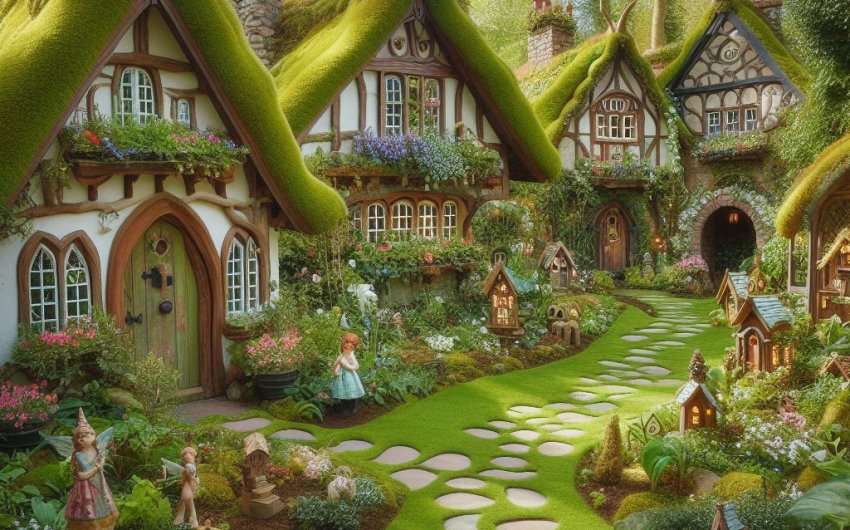
To truly create storybook elegance and imbue your English cottage garden with a magical charm, focus on incorporating whimsical elements that spark imagination and invite delight. This guide provides creative ideas and practical tips for blending playful features with abundant plantings, transforming your garden into an enchanting, fantastical retreat.
What is Whimsy and How Does it Elevate a Garden?
Whimsy in a garden refers to elements that are playful, fanciful, and slightly unexpected, sparking imagination and creating a sense of delight and wonder. Understanding what defines whimsy and how it can elevate an outdoor space is the first step in creating storybook elegance in your English cottage garden.
What Defines Whimsical Garden Elements?
Whimsical garden elements are characterized by their playful, fanciful, and often unexpected nature, designed to evoke a sense of charm, wonder, and a touch of the extraordinary. These elements add personality and delight, setting a cottage garden apart.
- Playful Scale: Objects that are unexpectedly large or small (e.g., oversized teacups as planters, tiny fairy doors).
- Anthropomorphism: Garden features that suggest human or animal qualities (e.g., garden gnomes, sculptures with expressive faces).
- Unexpected Placement: An item placed in an unconventional or surprising location (e.g., a vintage bicycle overflowing with flowers).
- Nostalgia and Enchantment: Elements that evoke childhood fairy tales, folklore, or a bygone era, creating a sense of magic.
- Artistic and Quirky: Handcrafted items, unique sculptures, or repurposed objects with a creative twist.
- Gentle Surprise: Features that reveal themselves subtly as one explores the garden, rather than being overtly dominant.
- Nature-Inspired Fantasy: Designs that blend natural forms with fantastical interpretations (e.g., toadstools, fairy houses).
These characteristics define the essence of whimsy, transforming a garden into a place of imagination and charm.
How Does Whimsy Create Storybook Elegance in a Cottage Garden?
Whimsy creates storybook elegance in a cottage garden by enhancing its inherent romanticism, fostering a sense of enchantment, and inviting visitors to immerse themselves in a fantastical narrative. It elevates the garden beyond mere beauty into a realm of delightful imagination.
- Evokes Narrative: Whimsical elements (e.g., a hidden fairy door, a playful statue) suggest a story unfolding, encouraging imagination and creating a sense of magic.
- Enhances Romance: The informality and abundance of a cottage garden naturally lend themselves to a romantic aesthetic. Whimsical touches amplify this by adding layers of gentle surprise and old-world charm.
- Personal Connection: Quirky elements often reflect the gardener's personality, making the space feel more intimate and unique.
- Sense of Discovery: Hidden whimsical features (e.g., a peek-a-boo gnome, a tiny birdhouse) invite exploration and create delightful moments of discovery.
- Balances Abundance: In a densely planted cottage garden, whimsical elements can provide structural anchors or playful accents that break up the profusion of flowers.
- Childlike Wonder: They appeal to the inner child in everyone, recalling tales of enchanted forests and secret gardens.
- Timeless Appeal: When thoughtfully integrated, whimsical elements contribute to the timeless, enduring charm of the cottage garden.
By adding touches of whimsy, you transform your garden into a place where nature meets fantasy, truly creating storybook elegance in your English cottage garden.
What are the Benefits of a Whimsical Cottage Garden?
The benefits of a whimsical cottage garden extend beyond just aesthetics, profoundly enhancing personal well-being, fostering creativity, and creating a truly unique and engaging outdoor space.
- Boosts Mood and Well-being: The playful and enchanting atmosphere can reduce stress, lift spirits, and create a joyful, positive environment.
- Sparks Imagination: It encourages creativity and imaginative play, particularly beneficial for children, but also for adults seeking a mental escape.
- Personal Expression: A whimsical garden is a canvas for your personality, allowing you to express your unique style and sense of fun.
- Creates Unique Spaces: It helps define distinct areas within the garden, each with its own character and story.
- Engages All Ages: Whimsical elements appeal to everyone, making the garden a welcoming and interesting place for family and friends.
- Fosters Connection with Nature: By creating an inviting, magical space, it can deepen appreciation and connection to the natural world.
- Adds Year-Round Interest: Many whimsical elements are permanent structures or features that provide visual interest even during dormant seasons.
A whimsical cottage garden is a joyful investment in both your home's beauty and your own happiness.
What Are Charming Whimsical Elements for a Cottage Garden?
To truly infuse your English cottage garden with storybook elegance, consider incorporating charming whimsical elements that add personality, a touch of fantasy, and delightful surprises. These features blend seamlessly with abundant plantings.
How Do Garden Gnomes and Fairies Add Charm?
Garden gnomes and fairies add undeniable charm and a sense of playful fantasy to an English cottage garden, evoking classic storybook imagery and sparking imagination. They are classic whimsical elements that bring a smile to many faces.
- Garden Gnomes:
- Character: These small, bearded figures (traditionally with red hats) are a quintessential symbol of garden whimsy and folklore.
- Placement: Tuck them into dense foliage, peeking out from under a large hosta leaf, or along a hidden path. The key is subtle placement that suggests discovery, rather than overt display.
- Aesthetic: Adds a touch of traditional European folklore and a mischievous spirit.
- A classic garden gnome statue can be a delightful addition.
- Fairies and Fairy Garden Elements:
- Character: Tiny fairy figures, fairy doors, miniature houses, furniture, or sparkling elements.
- Placement: Create miniature "fairy gardens" in a quiet corner, beneath a tree, or tucked into a large planter. These often use tiny plants like mosses or succulents. Fairy doors can be placed at the base of trees or fences.
- Aesthetic: Evokes enchantment, magic, and a sense of miniature wonder, appealing particularly to children.
- Consider a miniature fairy garden kit for easy setup.
- Benefits of Gnomes/Fairies:
- Storytelling: They suggest an unseen world, encouraging imaginative storytelling.
- Focal Points: Can serve as delightful small focal points that draw the eye into dense plantings.
- Personalization: Reflect the gardener's playful personality.
When adding gnomes or fairies, choose durable, weather-resistant materials and integrate them thoughtfully into the garden's natural elements.
What are Creative Uses for Repurposed and Vintage Items?
Creative uses for repurposed and vintage items are a hallmark of incorporating whimsical elements into an English cottage garden, adding personality, sustainability, and a unique, nostalgic charm. These items tell a story and prevent waste.
- Old Bicycles: Lean an antique bicycle against a fence or shed, with its basket or saddle overflowing with brightly colored flowers. A vintage bicycle planter can be a fantastic focal point.
- Worn Boots/Shoes: Old wellington boots or even sturdy leather boots can be drilled for drainage and used as quirky planters for small annuals or succulents.
- Antique Watering Cans: Use an old metal watering can as a decorative element, or drill holes and use it as a hanging planter.
- Old Wheelbarrows: A vintage wheelbarrow, especially a rustic wooden one, can be filled with soil and planted up as a movable flowerbed.
- Broken Pottery/China: Piece together broken china to create mosaic stepping stones or decorate garden edges. Broken terracotta pots can be used to create miniature fairy garden scenes.
- Vintage Tools: Hang old gardening tools (rakes, shovels) on a shed wall as rustic decor.
- Tea Sets/Crocks: Old teacups, teapots, or ceramic crocks can become charming planters for small herbs or flowers.
- Old Ladders: Lean an old wooden ladder against a wall and place potted plants on its rungs, creating a vertical display.
- Architectural Salvage: Old window frames (without glass), wooden doors, or even a section of ornate iron fencing can be repurposed as garden art or a trellis for climbers.
When using repurposed items, ensure they are clean, safe (e.g., no lead paint), and have adequate drainage if used as planters. These thoughtful touches create a truly unique and charming English cottage garden.
How Do Birdhouses, Bird Baths, and Bee Houses Add Enchantment?
Birdhouses, bird baths, and bee houses add enchantment and vital ecological support to an English cottage garden, drawing in beneficial wildlife and creating a sense of natural harmony and activity. They are both whimsical and practical.
- Birdhouses:
- Charm: A quaint, rustic wooden birdhouse nestled among flowers or atop a post adds storybook charm and provides shelter for nesting birds.
- Wildlife: Attracts birds, which add song, movement, and natural pest control to the garden.
- Placement: Position in a safe spot away from predators, at an appropriate height for the birds you wish to attract.
- Bird Baths:
- Charm: A classical or rustic stone bird bath provides a focal point and a gentle water feature.
- Wildlife: Offers a crucial water source for birds, especially during dry spells, drawing them into the garden.
- Sound: The gentle splashing or dripping can add a soothing auditory element.
- Placement: In an open area where birds feel safe from predators, with a shallow basin.
- Bee Houses (Native Bee Hotels):
- Charm: A simple native bee house made from bamboo tubes or drilled wood blocks.
- Wildlife: Provides crucial nesting sites for solitary native bees (e.g., mason bees, leafcutter bees), which are excellent pollinators.
- Ecological Benefit: Supports pollinator populations, which are vital for garden health and wider ecosystems.
- Placement: In a sunny, sheltered spot, facing southeast, away from prevailing winds.
- Benefits: These elements bring life, sound, and movement to the garden, fostering a sense of connection to nature. They are whimsical in their design, inviting wildlife to share your enchanted space.
By inviting feathered and buzzing friends, your English cottage garden becomes a vibrant, living tapestry of storybook elegance.
How Do You Integrate Whimsical Elements Seamlessly?
To successfully integrate whimsical elements into your English cottage garden without overwhelming its natural charm, you need a thoughtful approach that blends fantasy with functionality. The key is to make them feel like a natural part of the abundant landscape.
How Do You Balance Whimsy with the Natural Abundance?
Balancing whimsy with the natural abundance is crucial for creating storybook elegance in an English cottage garden, ensuring that playful elements enhance, rather than detract from, the garden's inherent beauty. It's about achieving "controlled chaos" with charm.
- Subtle Placement: Don't let whimsical elements dominate. Tuck them into dense plantings, let them peek out from behind foliage, or place them along winding paths where they can be discovered. They should be gentle surprises.
- Appropriate Scale: Ensure whimsical elements are proportionate to their surroundings. An oversized statue might be overwhelming; tiny fairy doors work best in miniature settings.
- Natural Materials: Choose whimsical items made from natural or weathered materials (wood, stone, terracotta, aged metal) that blend harmoniously with the garden's organic feel. Avoid bright, plastic, or overtly artificial elements that can clash.
- Theme Integration: If you have a specific whimsical theme (e.g., fairies, gnomes, woodland creatures), integrate it consistently but subtly.
- Functionality: Many whimsical elements can also be functional. A decorative bird bath provides water, an old bicycle can be a planter, a rustic arch supports climbing roses.
- Avoid Overwhelm: Don't include too many whimsical elements in one area. Let each piece have its moment of discovery without competing with too many others. Space them out or group them in dedicated "nooks."
Thoughtful balance ensures that whimsy enhances, rather than detracts from, the abundant, natural beauty of your cottage garden.
What Role Does Repurposing and Upcycling Play?
Repurposing and upcycling play a significant role in integrating whimsical elements into an English cottage garden, contributing to its unique charm, sustainable ethos, and storybook elegance. These practices add character and a sense of history.
- Adds Character and Narrative: Repurposed items (e.g., an old wheelbarrow planter, a vintage gate) have a past life, which adds character, texture, and a sense of history to the garden, aligning perfectly with the cottage aesthetic.
- Unique Touches: Upcycled items are often one-of-a-kind, ensuring your garden has unique, personalized touches that can't be bought off the shelf.
- Sustainable Practice: Reduces waste by giving new life to old objects, aligning with eco-friendly gardening principles.
- Budget-Friendly: Often free or very inexpensive to acquire, making whimsical elements accessible to any budget.
- Blends with Informal Style: The imperfect, weathered nature of many repurposed items blends seamlessly with the informal, slightly wild aesthetic of a cottage garden.
- Inspiration for Creativity: The challenge of repurposing encourages creative thinking and problem-solving.
By actively seeking out and creatively utilizing repurposed and upcycled items, you infuse your English cottage garden with a delightful sense of resourcefulness and charm, making it truly unique.
How Do You Create Hidden Nooks and Sensory Delights?
Creating hidden nooks and sensory delights is fundamental to integrating whimsical elements and achieving storybook elegance in an English cottage garden, inviting exploration, enchanting the senses, and fostering a sense of magic and discovery.
- Hidden Nooks and Pathways:
- Winding Paths: Design paths that gently curve, disappearing around a bend or behind a dense planting. This encourages visitors to explore and discover what lies beyond.
- Arbors and Archways: Use an archway or arbor covered in climbing roses or vines to create a transition point or a "secret" entrance to a hidden area.
- Secluded Seating: Tuck a rustic bench or chair into a lush corner, partially concealed by plants, inviting quiet contemplation.
- Small Surprises: Place a tiny fairy door, a small statue, or a whimsical toadstool in unexpected spots, waiting to be discovered.
- Sensory Delights:
- Fragrance: Plant highly fragrant flowers (roses, lavender, sweet peas, jasmine) near paths, seating areas, or windows so their scent can be fully appreciated.
- Sound: Incorporate a small, bubbling water feature or wind chimes (subtle, natural sounds) to add an auditory element. Attract birds with bird baths/feeders.
- Texture: Include plants with diverse textures (soft lamb's ear, spiky eryngium, delicate ferns) for tactile interest.
- Taste: Integrate edible flowers and herbs into your plantings.
- Lighting (Evening Magic): Use subtle solar path lights or fairy lights to highlight features and create a magical glow in the evening, transforming the garden.
By engaging all the senses and creating elements of surprise, your English cottage garden truly comes alive with storybook elegance.
What Are Practical Tips for Maintaining Whimsical Elements?
Even with the informal charm of storybook elegance, maintaining whimsical elements requires some practical considerations to ensure their longevity, cleanliness, and seamless integration into your English cottage garden.
How Do You Protect Garden Decor from Weather and Wear?
Protecting garden decor from weather and wear is essential for maintaining the charm and longevity of your whimsical elements in an English cottage garden. Proper care ensures they continue to bring delight year after year.
- Material Choice: When acquiring new decor, choose items made from durable, weather-resistant materials:
- Stone, Concrete, Heavy Metals: These naturally weather gracefully.
- Treated Wood: Look for outdoor-grade or pressure-treated wood.
- UV-Resistant Plastics/Resins: If using plastic, ensure it's high-quality and UV-resistant to prevent fading and cracking.
- Protective Coatings:
- Sealants: For wooden items (e.g., fairy doors, benches), apply an outdoor wood sealant or marine varnish annually to protect against moisture and UV damage.
- Rust-oleum/Clear Coats: For metal items that you don't want to rust further, use a clear protective spray.
- Winter Storage (for sensitive items): Bring delicate or non-weatherproof items indoors during harsh winter months (extreme cold, snow, ice) to prevent damage. This includes fragile pottery, painted items, or items made from less durable materials.
- Proper Placement:
- Drainage: Ensure planters (repurposed items) have adequate drainage to prevent waterlogging and rot.
- Stability: Secure items so they won't blow over in strong winds.
- Shade: Place painted items or certain plastics in partial shade to reduce fading from intense UV rays.
- Regular Cleaning: Periodically clean dirt, algae, or mildew from decor items with a brush and water to maintain their appearance.
By taking these protective measures, your whimsical elements will continue to enhance your garden's storybook elegance for many seasons.
How Do You Clean and Maintain Bird Baths and Bee Houses?
Cleaning and maintaining bird baths and bee houses is essential for the health and safety of the wildlife they attract, ensuring they remain welcoming and functional additions to your English cottage garden. This ongoing care promotes responsible wildlife stewardship.
- Bird Baths:
- Regular Cleaning (Weekly): Clean the bird bath at least once a week (more frequently in hot weather) to prevent the buildup of algae, bacteria, and mosquito larvae.
- Method: Empty old water. Scrub the basin with a stiff brush. For stubborn grime, use a diluted bleach solution (1 part bleach to 9 parts water) or vinegar, then rinse extremely thoroughly with plain water multiple times to remove all residue.
- Refill: Refill with fresh, clean water.
- Winter: In freezing climates, either bring indoors or ensure it doesn't hold water that will freeze and crack the basin.
- Bee Houses (Native Bee Hotels):
- Annual Cleaning/Maintenance: Solitary native bee houses (e.g., mason bee houses) require annual cleaning or replacement of nesting tubes to prevent the buildup of parasites and diseases.
- Method: In late fall/early winter, remove cocoons (for mason bees) and clean nesting tubes, or replace disposable cardboard/paper tubes. Store cocoons in a cool, dry place until spring.
- Avoid Pesticides: Absolutely do not use any pesticides near bee houses.
- Location: Keep in a sunny, sheltered spot, facing southeast.
By diligently maintaining these wildlife features, you ensure they remain healthy and attractive, contributing to the living charm of your English cottage garden.
What are the Tips for Sustaining a Whimsical Garden Over Time?
Sustaining a whimsical garden over time requires embracing its organic evolution while providing consistent care, allowing its charm to deepen and its beauty to grow richer with each passing season. These maintenance tips are key to its longevity.
- Embrace Evolution: A cottage garden is meant to change. Don't be afraid to let plants self-seed, fill in new spaces, or allow a whimsical element to take on a new patina with age.
- Regular Refreshment:
- Top-Dress with Compost: Annually add organic compost to your beds. This feeds the soil and helps sustain dense plantings.
- Divide Perennials: Divide overcrowded perennials every 3-5 years to rejuvenate them and create new plants.
- Plant New Annuals: Incorporate new annuals each spring to refresh colors and fill any gaps.
- Strategic Pruning: Practice the "Chelsea Chop" on suitable perennials to encourage bushier growth and extend bloom times. Deadhead regularly.
- Weed Management: Consistent mulching and hand-weeding keep competition down, ensuring your desired plants and whimsy can be seen.
- Integrate New Whimsy: Add new whimsical elements occasionally to keep the garden fresh and spark renewed interest. Maybe a new gnome, a different repurposed planter, or a new garden ornament.
- Capture the Magic: Take photos throughout the seasons. This helps you appreciate its evolution and plan for future changes.
By embracing these long-term strategies, your English cottage garden will continue to radiate storybook elegance, providing endless delight and charm for years to come.