
5 Essential Tips for Growing Juicy Strawberries in Your Backyard
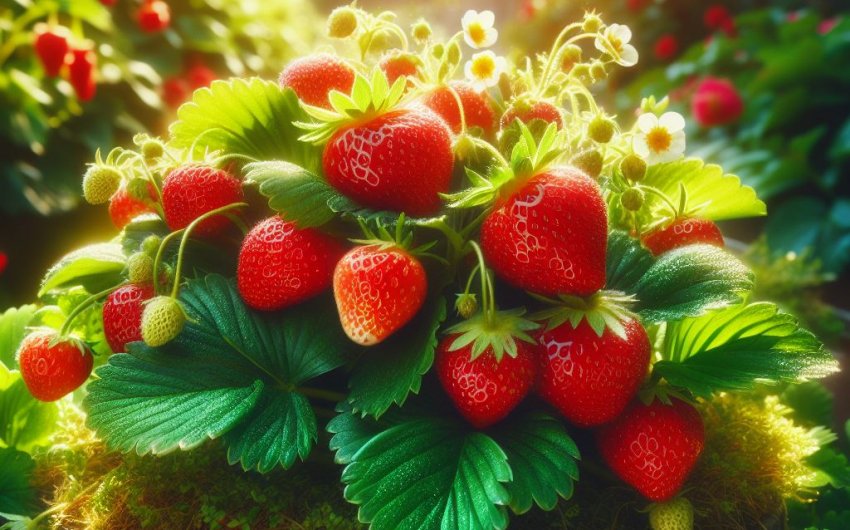
There's nothing quite like the taste of a fresh, sun-ripened strawberry picked right from your own garden. If you've ever dreamed of growing juicy strawberries in your backyard, you're in luck! These delightful berries are surprisingly easy to cultivate, even for beginner gardeners. With a little planning and consistent care, you can enjoy a bountiful harvest of sweet, flavorful fruit that far surpasses anything you'll find in a grocery store. Let's explore the essential tips that will help you achieve a truly stunning strawberry patch.
What Are the Different Types of Strawberries You Can Grow?
Before you even think about planting, understanding the different types of strawberries available is crucial. Each type has a unique fruiting habit, which will influence your harvest schedule and how you plan your garden space. Choosing the right type for your needs is the first step to successful strawberry growing.
What's the Difference Between June-Bearing, Everbearing, and Day-Neutral Strawberries?
The main distinction among strawberry types lies in their fruiting patterns. Knowing these patterns will help you pick the best variety for your backyard goals.
June-Bearing Strawberries: These are the classic strawberries that produce one large, concentrated crop of fruit, usually over a 2-3 week period in late spring to early summer (hence "June-bearing," though the exact month depends on your climate). They are known for producing the largest berries and generally yield the heaviest harvest in that short window. June-bearing varieties also send out a lot of "runners" (new plantlets), which is great for expanding your patch but requires some management to prevent overcrowding.
- Pros: Large, flavorful fruit; heavy yield in one burst; excellent for processing (jams, freezing).
- Cons: Only one harvest per year; requires runner management.
- Popular Varieties: 'Honeoye', 'Allstar', 'Chandler'.
- When you buy June-bearing strawberry plants, you'll often get bare-root plants that need to be planted soon after arrival.
Everbearing Strawberries: Don't let the name fool you; "everbearing" doesn't mean they produce fruit all season long. Instead, they typically yield two or three smaller crops per year: one in spring, another in mid-summer, and sometimes a third in late summer/early fall. The berries are usually smaller than June-bearers. They produce fewer runners.
- Pros: Multiple harvests; less runner management.
- Cons: Smaller fruit; lighter overall yield compared to a full June-bearing patch.
- Popular Varieties: 'Ozark Beauty', 'Quinault'.
- You can find everbearing strawberry plants from many nurseries.
Day-Neutral Strawberries: These are the closest to truly "everbearing" as they produce fruit continuously throughout the growing season, from spring until frost, as long as temperatures remain moderate. Their fruiting isn't dependent on day length. The berries are generally small to medium-sized. They produce very few runners.
Advertisement- Pros: Continuous harvest; very little runner management; great for container gardening.
- Cons: Smallest fruit size; lower yield per plant at any given time.
- Popular Varieties: 'Albion', 'Seascape', 'Tristar'.
- Day-neutral strawberry plants are excellent if you want to pick a few berries every day.
Choosing between these types depends on whether you want a large harvest for canning/freezing (June-bearing) or a steady supply for fresh eating (Everbearing or Day-Neutral).
Tip 1: Pick the Perfect Spot and Prepare the Soil
The success of growing juicy strawberries in your backyard starts with laying a solid foundation: selecting an ideal location and preparing the soil meticulously. Strawberries are particular about their environment, and getting this right makes a world of difference.
Why Do Strawberries Need Full Sun?
Strawberries need full sun to produce abundant and sweet fruit. "Full sun" means at least 6-8 hours of direct sunlight per day. If they don't get enough light, plants will put more energy into growing leaves rather than flowers and fruit. The berries that do form will likely be smaller, paler, and less flavorful.
Think about the sunniest spot in your yard. Is it unobstructed by trees, fences, or buildings? Observing how the sun moves across your yard throughout the day will help you pinpoint the best location for your strawberry patch. More sun equals more sugar in your berries, leading to that irresistible juicy sweetness.
What Kind of Soil Do Strawberries Love?
Strawberries love rich, well-draining soil. They thrive in a slightly acidic to neutral pH, ideally between 5.5 and 6.8. Heavy clay soils that stay waterlogged or sandy soils that drain too quickly are not ideal. Good drainage is especially crucial because strawberries are prone to root rot if their feet stay wet.
To prepare your soil:
- Test your soil: A simple soil test kit will tell you your soil's pH and nutrient levels, guiding any necessary amendments.
- Amend with organic matter: Regardless of your existing soil type, mixing in a generous amount of compost or well-rotted manure will significantly improve soil structure, drainage, and fertility. Aim for a depth of at least 8-12 inches.
- Consider raised beds: If your soil is heavy clay or you struggle with drainage, raised garden beds filled with a custom blend of potting mix and compost are an excellent option for growing juicy strawberries. You can find raised bed kits that are easy to assemble.
Proper soil preparation ensures your strawberry plants have the nutrients and drainage they need to develop strong roots and produce healthy, delicious fruit.
Tip 2: Plant Correctly and Manage Runners
Once your spot is chosen and the soil is prepped, the next crucial step for growing juicy strawberries in your backyard is to plant them correctly and then manage their growth, especially the prolific runners.
How Do You Properly Plant Strawberry Plants?
Properly planting strawberry plants sets them up for long-term success. Most strawberries are sold as "bare root" plants, which are dormant crowns with roots.
- Soak Roots: Before planting, soak the bare roots in water for about 20-30 minutes.
- Prepare the Hole: Dig a hole wide enough to spread the roots out naturally, and deep enough so the "crown" (the point where the roots meet the stem and leaves emerge) is at soil level. The crown should never be buried or exposed.
- Position the Crown: This is the most critical part:
- If planted too deep, the crown can rot.
- If planted too shallow, the roots can dry out.
- The crown should be right at the soil line, with the roots fanned out downwards and the leafy top emerging above ground.
- Backfill and Water: Gently backfill the hole with soil, firming it lightly around the roots. Water thoroughly immediately after planting to settle the soil and remove air pockets.
- Spacing: Space June-bearing plants about 12-18 inches apart in rows, with rows 3-4 feet apart. Everbearing and day-neutral plants can be spaced a bit closer, around 8-12 inches apart, as they produce fewer runners.
Why is Runner Management Important for Big Harvests?
Runner management is essential, especially for June-bearing strawberries, to ensure a robust harvest. Runners are stolons, or horizontal stems, that strawberry plants send out to produce new plantlets. While great for expanding your patch, too many runners can quickly turn your neat rows into a dense, unproductive mat.
- Energy Diversion: Each runner and new plantlet it forms drains energy from the parent plant that could otherwise be used for fruit production.
- Overcrowding: A dense patch can lead to poor air circulation, making plants more susceptible to fungal diseases, and making it harder for sun to reach the fruit.
- Smaller Fruit: Overcrowded plants will produce smaller, less juicy strawberries.
How to manage runners:
- June-bearers: In their first year, pinch off all runners. This forces the parent plant to put all its energy into establishing a strong root system. In subsequent years, allow some runners to root to create new plants and replace older, less productive ones. The "matted row" system often involves allowing a certain density of runners within rows.
- Everbearing/Day-neutral: These varieties produce far fewer runners. Pinch off most of them, allowing only one or two per plant if you want to expand slowly.
- Use gardening snips to make clean cuts when removing runners.
Proper runner management focuses the plant's energy on producing large, juicy berries instead of simply replicating itself.
Tip 3: Master Watering and Fertilizing Techniques
Just like people, strawberries need the right amount of food and drink to be their best. Mastering your watering and fertilizing techniques is key to nurturing those succulent, juicy strawberries in your backyard.
How Much Water Do Strawberries Need?
Strawberries need consistent moisture, especially when flowers are forming, fruits are developing, and during dry spells. They prefer steady moisture but hate soggy feet.
- Consistency is Key: Aim for about 1-1.5 inches of water per week, either from rain or irrigation.
- Check Soil Moisture: Don't just water on a schedule. Stick your finger 1-2 inches deep into the soil. If it feels dry, it's time to water. A soil moisture meter can also be a helpful tool.
- Deep Watering: When you water, water deeply to encourage roots to grow downwards.
- Avoid Overhead Watering: Try to water at the base of the plants using a soaker hose or drip irrigation. Wet foliage can promote fungal diseases, especially powdery mildew.
- Mulch to Retain Moisture: A layer of straw mulch (about 2-4 inches thick) around your plants will significantly help retain soil moisture, suppress weeds, and keep berries off the soil.
Consistent moisture is vital for fruit size and quality. Irregular watering can lead to small or misshapen berries.
When and How Should You Fertilize Strawberries?
Fertilizing strawberries is important, but timing and type of fertilizer are crucial. Over-fertilizing, especially with too much nitrogen, can lead to lots of leaves but fewer flowers and fruit.
- First Year (June-bearers): Do not fertilize when planting. If you've amended your soil with compost, it should have enough nutrients. If not, a very light application of a balanced fertilizer after about a month might be considered. The focus in the first year is on root establishment.
- Established June-bearers: The most important time to fertilize June-bearers is after the harvest, usually in late summer or early fall. This is when the plant is setting buds for next year's crop. Use a balanced granular fertilizer or a strawberry-specific fertilizer according to package directions.
- Everbearing/Day-neutral: Since they produce fruit continuously, these types benefit from lighter, more frequent fertilization. A light feeding in early spring and then again in mid-summer is usually sufficient. Use a balanced liquid or granular fertilizer.
- Organic Options: For an organic approach, top-dress your patch with more compost or use a balanced organic granular fertilizer.
- Avoid Nitrogen During Fruiting: Too much nitrogen during the fruiting period can lead to excessive leafy growth at the expense of berries.
Always water thoroughly after fertilizing to help the nutrients reach the roots and prevent fertilizer burn.
Tip 4: Protect Your Berries from Pests and Diseases
Protecting your juicy strawberries from unwelcome visitors is a continuous battle in the garden. Pests and diseases can quickly decimate a promising crop. Being proactive and knowing how to respond is key to a successful harvest.
What Are Common Pests of Strawberries and How to Manage Them?
Several common pests love strawberries as much as you do.
- Birds: They are arguably the biggest culprits, often pecking at fruit just as it ripens.
- Solution: The most effective method is covering your patch with bird netting once berries start to color. Build a simple frame to keep the netting off the plants.
- Slugs and Snails: They chew holes in ripe and ripening fruit, often leaving slimy trails.
- Solution: Hand-pick them at dusk or dawn. Set out beer traps (shallow dishes of beer buried to the rim). Use diatomaceous earth around plants (reapply after rain).
- Strawberry Weevils (Clipper Beetles): These small beetles clip off flower buds, preventing fruit formation.
- Solution: Keep the area clean of debris. Hand-pick adults if you see them. In severe cases, organic insecticides might be needed.
- Spotted Wing Drosophila (SWD): A relatively new pest, these tiny flies lay eggs in ripening fruit, causing it to rot.
- Solution: Good sanitation (picking all ripe and overripe fruit daily). Use fine mesh insect netting to exclude them from the patch.
Regular inspection of your plants will help you catch pest problems early before they become severe.
What Are Common Strawberry Diseases and How to Prevent Them?
Strawberry plants are susceptible to several diseases, mostly fungal, often made worse by wet conditions.
- Gray Mold (Botrytis Fruit Rot): This is very common, especially in humid or wet weather. It causes fuzzy, gray mold on ripening fruit, which then rots.
- Prevention: Ensure good air circulation (don't plant too densely). Use straw mulch to keep berries off the soil. Water at the base of the plant, not overhead. Remove infected fruit immediately.
- Powdery Mildew: Appears as a white, powdery coating on leaves and sometimes fruit.
- Prevention: Good air circulation. Plant resistant varieties. Apply organic fungicide if necessary.
- Leaf Spot / Leaf Blight: Fungal diseases that cause reddish-purple spots on leaves, potentially weakening the plant.
- Prevention: Good sanitation (clean up old leaves). Plant resistant varieties. Ensure good air circulation.
- Root Rot (various types): Caused by overly wet soil. Symptoms include wilting, yellowing leaves, and stunted growth.
- Prevention: Excellent soil drainage is paramount. Avoid overwatering.
Choosing disease-resistant varieties and maintaining good garden hygiene (removing diseased plant parts, cleaning up debris) are your best defenses against strawberry diseases.
Tip 5: Overwintering and Renewal for Continuous Harvests
To ensure you keep growing juicy strawberries in your backyard year after year, proper overwintering and renewal practices are essential. Strawberries are perennials, meaning they can come back each season, but they need a little help to produce their best.
How Do You Prepare Strawberry Plants for Winter?
Preparing strawberry plants for winter (often called "mulching") is crucial, especially in colder climates, to protect them from harsh freezing and thawing cycles that can heave plants out of the ground.
- Timing: Apply winter mulch after the ground has frozen, but before sustained cold temperatures. This typically means late fall or early winter. Mulching too early can lead to fungal problems or rodent issues.
- Material: The best mulch for strawberries is clean straw. It's light, airy, and insulates well. Avoid hay, which often contains weed seeds.
- Application: Apply a layer of straw 4-6 inches deep directly over the strawberry plants. This helps insulate the crowns and roots.
- Remove in Spring: In early spring, once the danger of hard freezes has passed, gently rake back the straw from the crowns. You can leave some of the straw around the plants to continue suppressing weeds and keeping berries clean.
Proper overwintering ensures your plants survive the cold and are ready to produce again in spring.
What Is the Renewal Process for Strawberry Patches?
The renewal process is primarily for June-bearing strawberry patches and helps keep them productive year after year. Without renewal, a patch can become overcrowded and less fruitful after 3-4 years. Everbearing and day-neutral types usually don't need this intense renewal; they just benefit from removal of old, less productive plants and replacing with new ones.
For June-bearing strawberries, the renewal process happens right after harvest in early summer:
- Mow or Shear: Using a lawnmower set to a high blade (4-6 inches) or hedge shears, cut the foliage of the plants down to about 2-4 inches above the crown. This rejuvenates the plants and reduces disease pressure.
- Thin Out Old Plants: Remove any old, unproductive mother plants. The "mother" plants are typically the original ones you planted, and after 3-4 years, they've often given their best. Focus on keeping the younger, more vigorous runner plants that rooted that year. Aim for plants spaced about 6-12 inches apart.
- Narrow the Rows: If you're growing in rows, narrow the rows down to about 12-18 inches wide by tilling or hoeing the excess plants.
- Fertilize and Water: Immediately after renewal, fertilize the patch with a balanced fertilizer and water thoroughly. This gives the plants the energy they need to produce new foliage and set buds for next year's harvest.
By following these 5 essential tips for growing juicy strawberries in your backyard, you'll be well on your way to enjoying baskets full of delicious, homegrown berries. It's a rewarding journey that connects you with your food and the simple pleasures of gardening.