
From Seed to Harvest: Mastering the Art of Growing Tomatoes at Home
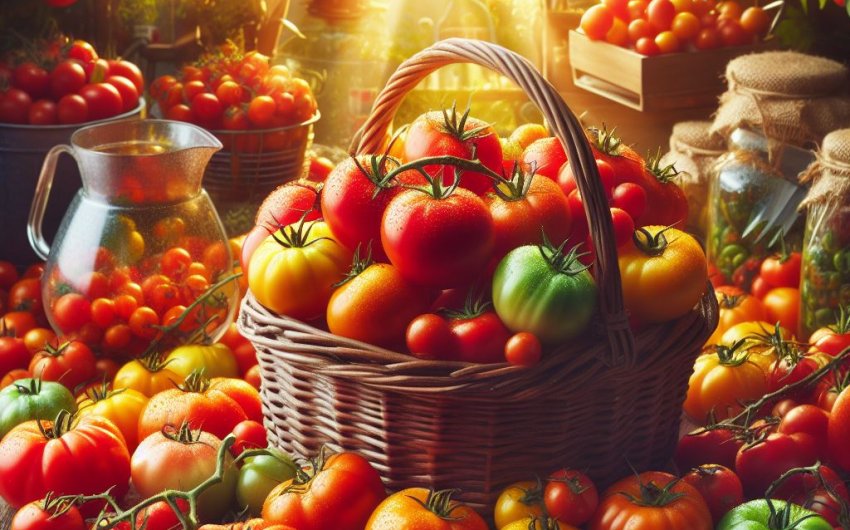
Embarking on the journey of growing tomatoes at home can be an incredibly rewarding experience, offering the unmatched flavor of sun-ripened fruit straight from your garden. From the initial tiny seed to the abundant harvest, understanding each step is crucial for success. This guide will help you cultivate healthy, productive plants, transforming your backyard into a source of delicious, homegrown tomatoes.
What Are the Best Tomato Varieties for Home Gardens?
Choosing the best tomato varieties is the first crucial step in growing tomatoes at home. With hundreds of types available, selecting the right ones for your climate, space, and intended use can make a huge difference in your success and enjoyment. Tomatoes are generally divided into two main growth habits: determinate and indeterminate. Understanding these terms will help you pick the perfect plant for your garden.
Determinate vs. Indeterminate Tomatoes
Determinate tomatoes, often called "bush" tomatoes, grow to a certain height, usually around 3-4 feet, and then stop growing. They produce most of their fruit at roughly the same time, usually within a two to three-week period. This makes them ideal for gardeners who want to harvest a large batch of tomatoes all at once for canning, saucing, or dehydrating. They are also well-suited for smaller gardens or container growing because their compact size doesn't require as much staking or support. Examples include Roma tomatoes and Celebrity tomatoes.
Indeterminate tomatoes, on the other hand, are often called "vining" tomatoes. They continue to grow and produce fruit throughout the entire growing season until the first frost. These plants can reach impressive heights, often 6-10 feet or more, and require substantial support like strong stakes or cages. While they yield fewer tomatoes at any one time compared to determinates, they provide a steady supply of fresh fruit for salads and daily eating over several months. Many popular heirloom varieties are indeterminate. Think about Brandywine or Cherokee Purple if you want to try indeterminate tomatoes.
Popular Varieties for Different Uses
For slicing and fresh eating, many gardeners swear by Beefsteak tomatoes. These large, meaty tomatoes are perfect for sandwiches and salads. Varieties like Big Beef or Mortgage Lifter are excellent choices. They offer a rich, classic tomato flavor and impressive size.
If you're looking for tomatoes for sauces, pastes, or canning, Roma tomatoes (also known as plum tomatoes) are a top pick. They have a thicker, less watery flesh with fewer seeds, making them ideal for cooking down into rich sauces. San Marzano is a famous variety of Roma known for its exceptional flavor in cooked dishes. Consider growing Amish Paste tomatoes for excellent sauce.
For snacking and salads, cherry tomatoes and grape tomatoes are unbeatable. They are bite-sized, sweet, and come in a range of colors. Varieties like Sungold (a golden cherry tomato) are incredibly sweet and prolific. Sweet Million is another popular choice, producing hundreds of small, red fruits throughout the season. These are great for kids and make a quick, healthy snack straight from the vine.
When selecting varieties, also consider your local climate and growing season length. Some tomatoes are bred to be more tolerant of heat, while others do better in cooler conditions. Look for varieties described as "early maturing" if you have a short growing season. Reading seed packet descriptions or nursery tags carefully will provide crucial information on days to maturity, disease resistance, and plant size, helping you make the best choice for your garden when growing tomatoes at home.
When Is the Best Time to Plant Tomatoes?
Knowing when is the best time to plant tomatoes is a critical factor for success in growing tomatoes at home. Tomatoes are warm-season plants, meaning they love heat and sunshine and are very sensitive to cold. Planting them at the right time ensures they get a strong start and have a long, productive growing season.
Starting Seeds Indoors
For most climates, especially those with shorter growing seasons, it's best to start tomato seeds indoors about 6-8 weeks before your average last spring frost date. This gives the seedlings a head start and allows them to be a good size when it's safe to transplant them outside. To find your average last frost date, you can check local gardening resources or extension offices, or use online tools that provide this information based on your zip code.
When starting seeds indoors, use a good quality seed-starting mix, not garden soil, as it's lighter and freer of disease. Plant seeds about \( \frac{1}{4} \) inch deep in small pots or seed trays. Provide plenty of light, ideally from a grow light, for 12–16 hours a day. Windowsills often don't provide enough light, leading to leggy, weak seedlings. Keep the soil consistently moist but not waterlogged, and maintain a warm temperature, ideally between \( 70^\circ\text{F} \) and \( 80^\circ\text{F} \). A seedling heat mat can be very helpful for germination.
Transplanting Outdoors
The golden rule for transplanting tomato seedlings outdoors is to wait until all danger of frost has passed and the soil has thoroughly warmed up. Nighttime temperatures should consistently stay above ( 50^\circ\text{F} ). Planting too early, even if there's no frost, can stunt growth or lead to yellowing leaves if the soil is too cold. Cold soil can prevent the roots from taking up nutrients effectively.
Before transplanting, it's essential to harden off your seedlings. Hardening off is the process of gradually acclimating your indoor-grown plants to outdoor conditions. Over a period of 7-10 days, slowly expose them to increasing amounts of sunlight, wind, and cooler temperatures. Start by placing them in a sheltered, shady spot for a few hours on the first day, then gradually increase their exposure to sun and wind each day. Bring them inside if there's a risk of strong winds or very cold temperatures. This process strengthens the plants and prevents transplant shock when they are finally moved to their permanent outdoor home.
When you're ready to plant, choose a sunny spot in your garden that receives at least 6-8 hours of direct sunlight per day. Prepare the soil by enriching it with compost or other organic matter. Dig a hole deep enough so you can plant the tomato seedling deeper than it was in its pot. Tomatoes are unique in that they can grow roots from their stem, so burying part of the stem encourages a stronger root system. Once planted, water thoroughly. Following these timing guidelines will give your tomatoes the best possible start for a bountiful harvest.
What Are the Ideal Soil and Sunlight Conditions for Tomatoes?
Understanding the ideal soil and sunlight conditions is fundamental to growing tomatoes at home successfully. Tomatoes are heavy feeders and sun lovers, meaning they thrive when their specific environmental needs are met. Providing the right foundation from the start will lead to healthier plants and more abundant harvests.
Sunlight Requirements
Tomatoes absolutely love the sun. For optimal growth and fruit production, tomato plants need a minimum of 6-8 hours of direct sunlight per day. More sun is generally better, with many successful gardeners providing 8-10 hours or even more. If your garden receives less than 6 hours of sun, your tomato plants will likely be leggy, produce fewer flowers, and yield smaller, less flavorful fruit.
When choosing a spot for your tomatoes, observe how sunlight moves across your garden throughout the day. South-facing locations are often ideal in the Northern Hemisphere as they tend to receive the most direct sunlight. Avoid planting tomatoes in areas shaded by large trees, fences, or buildings for significant parts of the day. If direct sun is limited in your main garden beds, consider growing tomatoes in containers on a sunny patio or driveway, which can be repositioned to maximize light exposure. A garden sun calculator can help assess your site.
Soil Composition and Fertility
The soil is the foundation for healthy tomato growth. Tomatoes prefer well-draining, fertile soil that is rich in organic matter. They thrive in a slightly acidic to neutral pH range, typically between 6.0 and 6.8.
- Drainage: Good drainage is crucial to prevent root rot. If your soil is heavy clay, it will hold too much water. To improve drainage, mix in plenty of organic matter like compost, aged manure, or coir peat. Raised beds or containers are excellent options for areas with poor drainage, as they allow you to create the perfect soil mix.
- Fertility: Tomatoes are "heavy feeders," meaning they require a lot of nutrients to produce all that fruit. Starting with fertile soil is vital. Before planting, amend your garden beds with a generous amount of compost or aged manure. This provides a slow-release source of nutrients and improves soil structure. A soil test kit can help you determine your soil's current nutrient levels and pH, allowing you to make targeted amendments.
- Nutrients: Tomatoes need a balanced supply of macro-nutrients (nitrogen, phosphorus, potassium) and micro-nutrients. While nitrogen promotes leafy growth, too much nitrogen can lead to lush foliage at the expense of fruit production. Phosphorus is essential for flowering and fruiting, and potassium supports overall plant health and fruit quality. Using an organic tomato fertilizer that is formulated for fruiting plants is a good strategy throughout the growing season.
- Texture: Ideal garden soil for tomatoes is loamy, meaning it has a good balance of sand, silt, and clay particles. This texture allows for good aeration, water retention, and drainage. If your soil is too sandy, it will drain too quickly and lose nutrients. If it's too clayey, it will compact and retain too much water. Amending with organic matter can improve both sandy and clay soils, making them more suitable for growing tomatoes at home.
By providing ample sunlight and nurturing the soil with organic matter, you'll create an optimal environment for your tomato plants to flourish and deliver a delicious harvest.
How to Properly Water and Fertilize Tomato Plants?
Proper watering and fertilizing are among the most crucial aspects of growing tomatoes at home. These practices directly impact plant health, disease resistance, and, most importantly, the quantity and quality of your tomato harvest. Getting them right can make the difference between a few lackluster fruits and a bountiful yield of juicy, flavorful tomatoes.
Watering Tomatoes
Consistent watering is key for tomatoes. They prefer a steady supply of moisture rather than cycles of extreme wetness and dryness. Inconsistent watering is a major cause of problems like blossom end rot (a dark, sunken spot on the bottom of the fruit) and fruit cracking.
- How much: Tomato plants need about 1-1.5 inches of water per week, either from rain or irrigation. This amount may need to be increased during very hot, dry weather or when plants are heavily fruiting.
- How often: It's generally better to water deeply and less frequently than lightly and often. Deep watering encourages roots to grow deeper into the soil, making the plant more resilient during dry spells. For young plants, water every 2-3 days. As plants mature and fruit, they may need watering daily in hot weather. Check the soil moisture by sticking your finger about an inch or two into the soil; if it feels dry, it's time to water.
- When to water: Water in the early morning. This allows the foliage to dry before nightfall, reducing the risk of fungal diseases. Watering in the heat of the day can lead to a lot of water evaporating before it reaches the roots.
- Where to water: Always water at the base of the plant, directly on the soil, rather than overhead on the leaves. Wet leaves can promote the spread of fungal diseases like early blight and late blight. Using a soaker hose or drip irrigation system is highly recommended, as it delivers water directly to the root zone and keeps foliage dry. A drip irrigation kit for gardens can be a great investment.
- Mulching: Applying a layer of organic mulch (like straw, shredded leaves, or wood chips) around the base of your plants helps retain soil moisture, suppress weeds, and regulate soil temperature. This can significantly reduce the frequency of watering needed.
Fertilizing Tomatoes
Tomatoes are heavy feeders and benefit from regular fertilization throughout their growth cycle, especially once they start flowering and setting fruit.
- Initial Feeding: Before planting, amend your soil with compost or aged manure. This provides a good base of slow-release nutrients.
- Young Plants: When your seedlings are young and have their first true leaves, they benefit from a balanced liquid fertilizer, perhaps once every two weeks. Look for a fertilizer with a balanced N-P-K ratio (e.g., 5-5-5 or 10-10-10).
- Flowering and Fruiting Stage: Once your tomato plants start to flower and set fruit, switch to a fertilizer that is higher in phosphorus (P) and potassium (K) and lower in nitrogen (N). Too much nitrogen at this stage can encourage leafy growth at the expense of fruit production. Common N-P-K ratios for fruiting plants include 5-10-10 or 3-4-6. A tomato-specific fertilizer is often ideal.
- Application: Follow the instructions on your fertilizer product. Liquid fertilizers are often applied every 1-2 weeks, while granular fertilizers may be applied less frequently, perhaps every 3-4 weeks. Always water thoroughly after applying granular fertilizer to help it dissolve and reach the roots.
- Calcium and Magnesium: Tomatoes can sometimes suffer from deficiencies in calcium, leading to blossom end rot. Ensuring adequate calcium in your soil, often provided by compost or bone meal, can help. Some gardeners also use Epsom salts (magnesium sulfate) as a foliar spray or soil drench to provide magnesium, which aids in photosynthesis. However, it's wise to test your soil before adding specific amendments unless a deficiency is evident.
By carefully managing your watering and fertilization routines, you'll provide your tomato plants with the consistent care they need to thrive and produce a spectacular harvest.
Why Is Support and Pruning Important for Tomato Plants?
Providing proper support and pruning is absolutely essential for successful growing tomatoes at home, particularly for indeterminate varieties. These practices promote healthier plants, increase yield, improve air circulation, and make harvesting much easier. Neglecting support and pruning can lead to disease, broken branches, and reduced fruit production.
The Importance of Support
Most tomato plants, especially indeterminate ones, are natural vining plants that need something to climb on. Without proper support, their stems can sprawl across the ground, leading to several problems:
- Disease Prevention: When tomato fruits and foliage touch the ground, they become much more susceptible to soil-borne diseases, pests, and rot. Support keeps them elevated, improving air circulation around the plant and allowing leaves to dry faster after rain or watering, which prevents fungal issues like early blight.
- Increased Yield and Quality: Supported plants put their energy into producing fruit rather than developing more sprawling stems. This often leads to larger, healthier fruits and a higher overall yield. Fruits kept off the ground also tend to be cleaner and have fewer blemishes.
- Easier Harvesting: Imagine trying to find ripe tomatoes hidden under a tangled mess of foliage on the ground. Support systems make fruits much more visible and accessible, simplifying the harvesting process.
- Space Saving: Vertical growth allows you to grow more plants in a smaller footprint, making it ideal for urban gardens or areas with limited space.
Types of Support
There are several effective ways to support your tomato plants:
- Tomato Cages: These are common and come in various sizes. For indeterminate varieties, look for tall, sturdy cages made from heavy-gauge wire, like a heavy-duty tomato cage. Place the cage around the plant when it's still small so the plant can grow up through it. Avoid flimsy cages that will buckle under the weight of a mature, fruiting plant.
- Staking: Using individual stakes is another popular method. Drive a strong stake (wood or metal) at least 1-2 feet deep into the ground near the plant. As the plant grows, gently tie the main stem to the stake every 8-12 inches using soft material like old pantyhose, twine, or special plant ties. Make sure the ties are loose enough to allow the stem to thicken without being constricted. A tall garden stake is essential for this method.
- Trellising: This involves using a net or wire mesh system, often seen in larger gardens. Plants are trained to grow up the trellis, and their main stems and branches are woven through the openings or tied to the structure.
- Florida Weave: This method involves driving stakes down a row of tomatoes and then weaving string or twine horizontally between the stakes to support the plants as they grow. This is particularly efficient for multiple plants in a row.
The Art of Pruning Tomatoes
Pruning, or "suckering," involves removing specific parts of the tomato plant to direct its energy into fruit production rather than excessive leafy growth. This is primarily done for indeterminate varieties, while determinate varieties generally require little to no pruning.
- What to Prune: The main targets for pruning are suckers. Suckers are small shoots that grow in the "axil" (the V-shaped spot) between the main stem and a leaf branch. If left to grow, suckers will develop into full branches that produce flowers and fruit, but they also divert energy from the main stem and can make the plant overly bushy.
- How to Prune: For young suckers (less than 4-6 inches long), you can simply pinch them off with your fingers. For larger suckers, use clean, sharp pruning shears to cut them close to the main stem.
- Why Prune:
- Improved Air Circulation: Removing suckers opens up the plant, allowing more air to move through. This helps dry foliage faster, reducing the risk of fungal diseases.
- Increased Fruit Size and Earlier Ripening: By removing suckers, the plant's energy is concentrated into fewer main stems and fruits, often leading to larger tomatoes and a quicker ripening time.
- Manageable Growth: Pruning keeps indeterminate plants from becoming an unruly tangle, making them easier to support and harvest.
- How Much to Prune: There's a balance. Removing too many leaves can reduce the plant's ability to perform photosynthesis, which is how it produces energy for fruit. A common approach is to remove suckers below the first fruit cluster and continue removing them as they appear, aiming for 1-2 main stems per plant. Some gardeners prefer more stems for higher overall yield, even if individual fruits are slightly smaller.
- Yellowing Leaves: Always remove any yellowing, diseased, or dead leaves at the base of the plant. These older leaves are less efficient at photosynthesis and can be a source of disease. Make sure to use clean tools to avoid spreading pathogens.
By consistently supporting and judiciously pruning your indeterminate tomato plants, you'll encourage vigorous, healthy growth and enjoy a much more productive and manageable harvest when growing tomatoes at home.
How to Prevent and Manage Common Tomato Pests and Diseases?
Preventing and managing common tomato pests and diseases is a crucial part of growing tomatoes at home. While tomatoes are generally robust plants, they can be susceptible to various issues that can impact yield and plant health. Early detection and proactive measures are key to keeping your plants thriving.
Common Tomato Pests and Management
- Tomato Hornworms: These large, green caterpillars with a "horn" on their rear end can rapidly defoliate a tomato plant overnight. They blend in well with the foliage.
- Prevention/Management: Hand-pick them off the plants and drop them into a bucket of soapy water. Look for white, rice-like cocoons on their backs, which indicate parasitic wasp larvae (a good thing!). Bacillus thuringiensis (Bt), an organic biological pesticide like Monterey BT Insecticide, is also effective.
- Aphids: Small, soft-bodied insects that cluster on new growth and the undersides of leaves, sucking plant sap. They can cause distorted growth and excrete sticky "honeydew."
- Prevention/Management: Blast them off with a strong spray of water. Encourage beneficial insects like ladybugs, which are natural predators. In severe cases, use an insecticidal soap spray.
- Whiteflies: Tiny, white, winged insects that fly up in a cloud when disturbed. They also suck plant sap and excrete honeydew.
- Prevention/Management: Use yellow sticky traps to catch adults. Spray with insecticidal soap. Encourage beneficial insects.
- Stink Bugs and Leaffooted Bugs: These true bugs pierce the fruit, causing tough, whitish spots underneath the skin.
- Prevention/Management: Hand-pick and destroy adults and eggs. Keep garden beds free of weeds where they might hide. Row covers can offer some protection when plants are young.
- Slugs and Snails: They chew holes in leaves and fruit, especially near the ground.
- Prevention/Management: Set beer traps or use organic slug baits like Sluggo. Keep the area around plants clean and dry, as they thrive in moist conditions.
Common Tomato Diseases and Management
Many tomato diseases are fungal and thrive in wet, humid conditions. Prevention through good cultural practices is often the best defense.
- Early Blight (Alternaria solani): Appears as dark spots with concentric rings (like a target) on older leaves, often starting at the bottom of the plant. Leaves turn yellow and die.
- Prevention/Management: Practice crop rotation. Improve air circulation by proper spacing and pruning. Water at the base of the plant, not overhead. Remove infected leaves immediately. Use a copper-based fungicide if needed.
- Late Blight (Phytophthora infestans): A very destructive disease that causes large, irregular, water-soaked spots on leaves and stems, leading to rapid wilting and collapse of the plant. Fruit develops large, greasy, greenish-brown spots.
- Prevention/Management: Highly contagious and spreads rapidly. Plant resistant varieties if available. Improve air circulation. Remove and destroy infected plants immediately (do not compost). Copper or organic fungicides may help, but prevention is key.
- Septoria Leaf Spot (Septoria lycopersici): Small, circular spots with dark brown borders and light centers, often with tiny black dots inside, on lower leaves.
- Prevention/Management: Similar to early blight: good air circulation, watering at the base, and removing infected leaves. Rotate crops.
- Fusarium Wilt and Verticillium Wilt: Fungal diseases that enter the plant through the roots and block the water-conducting tissues, causing leaves to yellow, wilt, and die, often on one side of the plant.
- Prevention/Management: Plant disease-resistant varieties (look for "F" and "V" codes on seed packets). These fungi can persist in the soil for years, so crop rotation is vital. Remove and destroy infected plants.
- Blossom End Rot: Not a disease, but a physiological disorder caused by inconsistent watering and/or calcium deficiency in the fruit itself (not necessarily in the soil). Causes a dark, leathery, sunken spot on the bottom of the fruit.
- Prevention/Management: Ensure consistent, deep watering. Maintain even soil moisture, especially during dry spells. Mulch around plants to retain moisture. Avoid excessive nitrogen fertilizer. Ensure adequate soil calcium by amending with compost, but avoid over-applying lime if your pH is already good.
General Prevention Strategies
- Good Air Circulation: Space plants appropriately and prune suckers to allow air to move through the canopy.
- Water at the Base: Use soaker hoses or drip irrigation to keep foliage dry.
- Crop Rotation: Do not plant tomatoes (or other related plants like peppers, eggplant, or potatoes) in the same spot year after year. This helps break disease cycles.
- Sanitation: Remove diseased leaves or plants promptly. Clean tools before moving from diseased plants to healthy ones.
- Mulching: Helps prevent soil-borne pathogens from splashing onto leaves.
- Choose Resistant Varieties: Look for seed packets or plant tags that indicate resistance to common diseases (e.g., VFFNT for Verticillium, Fusarium, Nematodes, Tobacco Mosaic Virus).
By being vigilant and implementing these preventative measures, you can significantly reduce the impact of pests and diseases and ensure a healthy, productive season when growing tomatoes at home.
When and How to Harvest Your Homegrown Tomatoes?
The moment you've been waiting for: when and how to harvest your homegrown tomatoes! This final stage in growing tomatoes at home is incredibly rewarding, offering the true taste of your labor. Knowing the best time to pick them ensures maximum flavor and enjoyment.
When to Harvest
The ideal time to harvest a tomato depends on the variety and your personal preference, but generally, it's when the fruit has developed its full, rich color and feels slightly soft when gently squeezed.
- Color is Key: For red tomatoes, wait until they are a deep, uniform red. For yellow, orange, or other colored varieties, wait until they reach their characteristic color. Don't pick them when they are still pale or yellowish, as they won't develop their full flavor and sweetness.
- Feel the Fruit: A ripe tomato should feel slightly soft and yielding, not rock hard. If it's too soft or mushy, it's overripe.
- Easy Detachment: A perfectly ripe tomato will detach easily from the vine with a gentle twist or pull. If you have to tug hard, it's likely not fully ripe yet.
- Morning Harvest: Many gardeners find that harvesting in the morning, after the dew has dried but before the heat of the day sets in, is best. The fruits are cool and firm, and this reduces the risk of splitting.
Harvesting for Specific Situations
- If expecting a frost: If an early frost is predicted and you still have green tomatoes on the vine, you can pick them and ripen them indoors. They won't develop the same deep flavor as vine-ripened tomatoes, but they will still be far better than store-bought. Store them at room temperature, ideally in a single layer, away from direct sunlight. Placing them in a paper bag with an apple or banana can speed up ripening, as these fruits release ethylene gas.
- If battling pests: If pests are getting to your ripening tomatoes, you can pick them when they show the first blush of color and bring them indoors to finish ripening. This protects them from damage.
- For storage: If you need to store tomatoes for a few days, harvest them when they are slightly less ripe, just as they are fully changing color but still firm. This gives them a longer shelf life.
How to Harvest
Harvesting tomatoes is simple, but a few techniques can prevent damage to the fruit and the plant.
- Gentle Twist or Snip: The best way to harvest a tomato is to gently twist the fruit off the stem. For varieties where the stem holds on tightly, use a pair of clean, sharp pruning shears or a sharp knife to snip the stem just above the fruit. This prevents tearing the plant's branches and damaging other fruits.
- Leave the Calyx On: The small green leafy part at the top of the fruit, called the calyx, can be left attached or removed depending on preference. Leaving it on can sometimes help the tomato store slightly longer.
- Support the Vine: When picking large clusters of tomatoes, especially from indeterminate vines, support the stem with one hand while you pick with the other to avoid breaking the branch.
- Handle with Care: Ripe tomatoes are delicate. Place them gently into a basket or container to avoid bruising.
Storing Your Harvest
- Do NOT Refrigerate Ripe Tomatoes: Refrigeration can dull the flavor and make the texture mealy. Store ripe tomatoes at room temperature (around \(60^\circ\text{F}\)–\(70^\circ\text{F}\)) on your counter, away from direct sunlight. They will last for several days to a week.
- Stem-Side Down: Some people find that storing tomatoes stem-side down can help prevent moisture loss and extend shelf life slightly.
- For Long-Term Storage: If you have an abundant harvest, consider processing them for longer storage. Options include canning (whole, diced, or sauce), freezing (blanched and peeled, or pureed), or dehydrating. A food dehydrator can be great for making sun-dried tomatoes.
By following these simple harvesting and storage tips, you'll be able to enjoy the unparalleled taste of your homegrown tomatoes for as long as possible, truly mastering the art of growing tomatoes at home.