
Unlocking the Secrets: How to Grow Perfect Strawberries Every Time
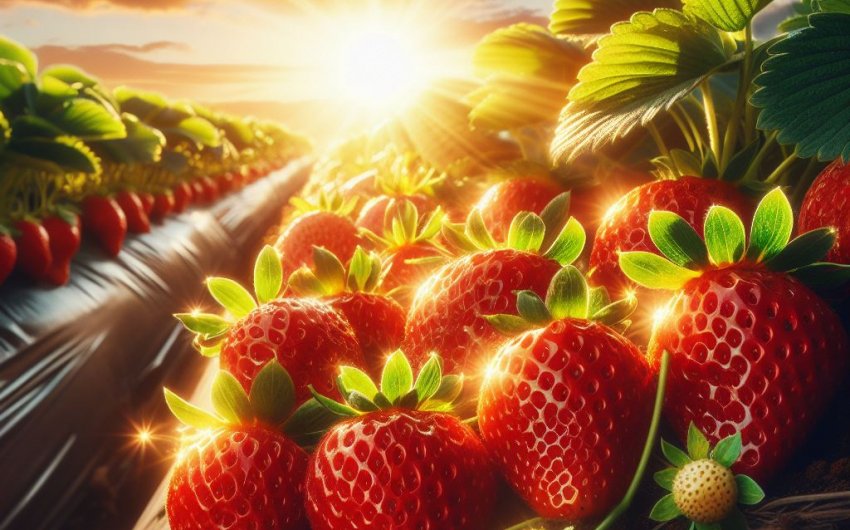
Embarking on the journey of cultivating your own luscious berries brings immense satisfaction, and mastering how to grow perfect strawberries every time transforms a simple garden endeavor into a bountiful harvest. These delightful fruits, renowned for their sweet flavor and vibrant color, are surprisingly accessible for home gardeners, provided you understand their specific needs. From selecting the right variety to meticulous care throughout the growing season, each step contributes to the success of your strawberry patch, promising a steady supply of fresh, homegrown goodness. With a little knowledge and consistent effort, you can enjoy these garden treasures right from your backyard.
What Are the Best Strawberry Varieties to Choose?
Selecting the right strawberry variety is the first crucial step towards a successful harvest. Different types of strawberries have unique characteristics regarding their fruiting season, hardiness, and suitability for various climates and growing methods. Understanding these distinctions will help you pick the perfect fit for your garden goals.
Main Types of Strawberries:
June-Bearing Strawberries:
- Description: These are the most common type and are known for producing a single, large crop of berries over a two to three-week period, typically in June, hence their name. They form numerous runners (horizontal stems that produce new plants).
- Yield: Generally produce the largest berries and the highest yield per plant in their flush.
- Best For: Gardeners who want a substantial harvest all at once for canning, freezing, or making jams.
- Popular Varieties:
- 'Honeoye': An early-season variety, known for its cold hardiness and good disease resistance. Produces medium-sized, firm, sweet berries. A packet of Honeoye Strawberry Seeds is a good starting point.
- 'Allstar': A mid-season variety, highly adaptable to various climates. Offers large, flavorful, bright red berries and is disease-resistant.
- 'Surecrop': A reliable choice for its consistent yields and resistance to many common strawberry diseases. Berries are medium to large and sweet.
Everbearing Strawberries:
- Description: These varieties produce two or three harvests throughout the growing season: one in late spring, another in late summer, and sometimes a smaller crop in the fall. They produce fewer runners than June-bearers.
- Yield: Smaller individual harvests but a more continuous supply of berries over a longer period.
- Best For: Gardeners who prefer a steady stream of fresh berries for immediate consumption, rather than a large batch for processing.
- Popular Varieties:
- 'Ozark Beauty': A very popular and reliable everbearer, known for its large, firm, and flavorful berries. It's quite hardy. Consider planting Ozark Beauty Strawberry Plants for consistent yields.
- 'Seascape': Valued for its excellent flavor and disease resistance. Produces large, very sweet berries. Good for growing in containers.
- 'Albion': Known for its firm, conical, delicious berries and good shelf life. It's also tolerant of hot conditions.
Day-Neutral Strawberries:
- Description: These are a specialized type of everbearing strawberry that produce berries continuously throughout the growing season as long as temperatures are between 35°F and 85°F (1°C and 29°C). Their flowering is not dependent on day length. They produce very few runners.
- Yield: Consistent, smaller yields over a very long season.
- Best For: Growers who want a continuous supply of fresh berries from spring until frost, and are ideal for container gardening or smaller spaces.
- Popular Varieties:
- 'Tristar': A very sweet and flavorful berry, excellent for fresh eating. It is quite productive and disease-resistant. Tristar Strawberry Plants are a reliable day-neutral choice.
- 'Tribute': Similar to 'Tristar' with good flavor and consistent production. Both are great for colder climates.
- 'San Andreas': Produces very large, firm, and juicy berries with excellent flavor. Known for its strong disease resistance.
Considerations When Choosing a Variety:
- Climate: Some varieties are more cold-hardy or heat-tolerant than others. Check what grows well in your specific USDA hardiness zone.
- Space: June-bearing varieties produce many runners and need more space, while everbearing and day-neutral types are more compact and suited for containers or smaller beds.
- Purpose: Decide if you want a big harvest for processing (June-bearing) or a continuous supply for fresh eating (everbearing/day-neutral).
- Disease Resistance: Look for varieties that are resistant to common strawberry diseases in your region. This can save you a lot of trouble later.
By thoughtfully selecting the appropriate strawberry variety, you lay the groundwork for a thriving patch, setting the stage for how to grow perfect strawberries every time.
Where is the Ideal Location for Growing Strawberries?
The placement of your strawberry patch significantly influences its success. Strawberries are quite particular about their environment, and providing them with optimal conditions ensures robust growth and abundant fruiting. Understanding their needs regarding sunlight, soil, and protection is vital.
Sunlight Requirements:
- Full Sun is Essential: Strawberries need at least 6-8 hours of direct sunlight per day to produce the sweetest, most abundant berries. More sun generally equals more fruit.
- South-Facing Locations: In the Northern Hemisphere, a south-facing spot that receives unobstructed sun for most of the day is ideal.
- Avoid Shade: Planting in shade, even partial, will result in fewer flowers, smaller berries, and a higher risk of fungal diseases due to prolonged moisture.
Soil Preferences:
Strawberries are heavy feeders and thrive in rich, well-draining soil. The quality of your soil directly impacts the plant's health and productivity.
- Well-Drained Soil: This is paramount. Strawberries hate "wet feet," meaning their roots will rot if they sit in waterlogged soil.
- Test Drainage: Dig a hole about a foot deep and fill it with water. If it drains within an hour, your drainage is good. If it takes several hours or days, you need to amend your soil.
- Raised Beds or Containers: If your native soil has poor drainage (e.g., heavy clay), raised beds or Strawberry Grow Bags are excellent solutions for controlling soil conditions.
- Rich in Organic Matter: Strawberries flourish in soil enriched with compost or well-rotted manure. Organic matter improves soil structure, drainage, and fertility.
- Amending Soil: Before planting, work 2-4 inches of Compost into the top 6-12 inches of soil.
- Slightly Acidic pH: Strawberries prefer a soil pH between 5.5 and 6.5.
- Soil Test: It's a good idea to perform a soil test before planting to determine your soil's current pH and nutrient levels. Most local cooperative extension offices offer this service.
- Adjusting pH: If your pH is too high (alkaline), you can lower it by adding elemental sulfur. If it's too low (acidic), add agricultural lime.
Site Preparation:
Beyond sunlight and soil, consider the overall environment of your chosen location.
- Good Air Circulation: Ensures leaves dry quickly after rain or watering, reducing the risk of fungal diseases. Avoid planting in overly sheltered, humid spots.
- Weed-Free Zone: Strawberries do not compete well with weeds. Thoroughly clear the area of all weeds, especially perennial ones, before planting.
- Crop Rotation: Do not plant strawberries in an area where tomatoes, potatoes, peppers, or eggplant (all in the nightshade family) were grown in the last three years, as they can share common diseases and pests.
- Protection from Pests: Consider the proximity to bird feeders or areas where rodents are prevalent, as they are fond of strawberries. Fencing or netting may be necessary. A roll of Garden Netting can protect your crop.
- Water Source: Ensure your chosen location is within easy reach of a water source for convenient irrigation.
By carefully selecting and preparing the ideal site, you provide your strawberry plants with the best possible foundation, making it easier to understand how to grow perfect strawberries every time.
When is the Best Time to Plant Strawberries?
The timing of planting strawberries is a critical factor that can significantly impact their establishment, growth, and future fruit production. Planting at the optimal time ensures the plants have the best chance to develop strong root systems before facing the stresses of extreme weather or fruit production.
General Planting Times:
Spring Planting (Most Common and Recommended):
- Timing: The ideal time to plant strawberries in most regions is in early spring, as soon as the danger of hard frost has passed and the soil can be worked. This usually means March or April in temperate climates.
- Benefits:
- Root Establishment: Spring planting allows the plants to establish their root systems in cool, moist soil before the heat of summer arrives.
- Nutrient Uptake: They can efficiently absorb nutrients and build energy reserves for future growth and fruiting.
- Runner Production (June-bearers): For June-bearing varieties, this allows them to send out runners throughout the summer, which will be next year's producing plants.
- First-Year Management: For June-bearing varieties planted in spring, it's generally recommended to pinch off all flowers during the first year. This redirects the plant's energy into root and runner development, leading to a much larger, healthier crop in subsequent years. Everbearing and day-neutral varieties can typically be allowed to fruit lightly in their first year, but removing some initial flowers can still promote stronger plants. A pair of Garden Snips makes this easy.
Late Summer/Fall Planting (Less Common but Possible):
- Timing: In some mild climates, or if you miss the spring window, planting in late summer or early fall (August to October, depending on your climate) can be an option.
- Benefits: Can be advantageous if you purchase bare-root plants when they become available. Allows roots to establish before winter dormancy.
- Challenges: The plants have less time to establish before cold weather sets in. They may require more protection over winter, especially in colder zones.
- Not Recommended For Cold Climates: In areas with harsh winters, fall-planted strawberries are less likely to survive and thrive compared to spring-planted ones.
Specific Considerations for Plant Types:
- Bare-Root Plants: These are typically dormant plants sold without soil. They should be planted as soon as they arrive in early spring. If you can't plant immediately, keep them in a cool, dark place (like a refrigerator) until ready. Before planting, soak the roots in water for about 20-30 minutes.
- Potted Plants/Plugs: These can be planted any time during the growing season, provided they receive adequate water and care to establish. However, early spring is still preferred for optimal development.
Signs the Soil is Ready:
Beyond the calendar, the soil itself will tell you when it's ready for planting.
- Workability: The soil should be workable, meaning it crumbles easily in your hand and isn't too wet or compacted. Avoid working with soil when it's soggy, as this can damage its structure.
- Temperature: The soil temperature should ideally be around 50°F to 60°F (10°C to 15°C) for optimal root growth. You can use a Soil Thermometer to check.
By understanding these optimal planting times, you can give your strawberry plants the best possible start, laying another foundational piece for how to grow perfect strawberries every time.
What is the Best Planting Method for Strawberries?
Once you've chosen your variety, prepared your site, and determined the best planting time, the actual method of planting is the next crucial step. Proper planting ensures good root establishment, which is vital for the long-term health and productivity of your strawberry patch. There are several popular methods, each with its own advantages.
Common Planting Systems:
Mattress Row System (For June-Bearing Varieties):
- Description: This is the most common system for June-bearing strawberries. Plants are initially set in single rows, and then their runners are allowed to root and fill in the space between the original plants, forming a continuous "mattress" or matted row.
- Procedure:
- Row Spacing: Space initial rows 3-4 feet apart.
- Plant Spacing: Plant individual plants 18-24 inches apart within the row.
- Runner Management: During the first year, allow the runners to grow and root freely within an 18-inch wide band along the row. This will create a dense bed of plants. After the first year, you'll need to manage runner growth to prevent overcrowding.
- Advantages: Maximizes yield for June-bearing varieties, good for larger gardens.
- Disadvantages: Requires more space and active runner management. Plants can become overcrowded if not managed, leading to smaller berries and increased disease risk.
Hill System (For Everbearing and Day-Neutral Varieties):
- Description: In this system, individual plants are maintained as discrete mounds, and all runners are consistently removed. This directs the plant's energy into fruit production rather than runner formation.
- Procedure:
- Plant Spacing: Plant individual plants 12-18 inches apart in all directions (e.g., a grid pattern).
- Runner Removal: Regularly inspect plants and promptly snip off any runners that form. A small pair of Hand Pruners works well.
- Advantages: Encourages larger berries and a longer fruiting season for everbearing/day-neutral types. Good for smaller spaces and container gardening.
- Disadvantages: Generally lower total yield per plant compared to June-bearers in a matted row system, but the yield is spread out.
Pyramid or Vertical Planters (For Everbearing and Day-Neutral Varieties):
- Description: These specialized structures allow you to grow many strawberry plants in a small footprint by utilizing vertical space. They consist of stacked tiers or pockets.
- Procedure: Follow the spacing recommended for your specific planter. Plant one plant per pocket or section.
- Advantages: Excellent for small patios, balconies, or urban gardens. Keeps berries off the ground, reducing rot and pest issues. A Strawberry Pyramid Planter can be a beautiful garden feature.
- Disadvantages: Requires more frequent watering, as soil in vertical planters dries out faster. Can be more expensive initially.
The Planting Process (Applies to all methods):
- Prepare the Hole: Dig a hole wide and deep enough to accommodate the plant's roots without bending or cramming them.
- Proper Planting Depth: This is crucial.
- The Crown: The "crown" of the strawberry plant (where the leaves emerge and roots meet the stem) must be precisely at soil level.
- Too Deep: If the crown is buried, the plant will rot.
- Too Shallow: If the crown is exposed, the roots will dry out.
- Visual Guide: Imagine a donut sitting on the ground – the crown should be the hole in the donut, perfectly level with the soil.
- Spread Roots (Bare-Root Plants): For bare-root plants, gently spread the roots out in the hole. Create a small mound of soil in the center of the hole and drape the roots over it.
- Backfill and Firm: Carefully backfill the hole with prepared soil, gently firming it around the roots to remove air pockets. Don't compact too tightly.
- Water Thoroughly: Immediately after planting, water the plants deeply to help settle the soil around the roots. Use a Watering Can with a gentle shower setting.
- Mulch (Optional but Recommended): Apply a layer of organic mulch around the plants (but not directly over the crown) to conserve moisture, suppress weeds, and keep berries clean. Straw (not hay, which contains weed seeds) is an excellent choice. A bale of Garden Straw Mulch is perfect.
By mastering the correct planting method and ensuring proper depth, you set your strawberries up for vigorous growth, contributing significantly to how to grow perfect strawberries every time.
How to Care for Strawberries Throughout the Season?
Once your strawberry plants are in the ground, consistent and attentive care throughout the growing season is paramount for a bountiful harvest. From watering to pest management, each aspect of care contributes to the health and productivity of your plants.
Watering:
- Consistent Moisture: Strawberries need consistent moisture, especially when flowers and fruits are developing. They prefer moist, but not waterlogged, soil.
- Deep and Infrequent: Water deeply rather than shallowly. This encourages roots to grow deeper, making the plants more resilient. Aim for 1-1.5 inches of water per week, either from rain or irrigation.
- Check Soil Moisture: The best way to know when to water is to feel the soil. Stick your finger about an inch or two into the soil. If it feels dry, it's time to water.
- Avoid Overhead Watering (During Fruiting): Once berries start to form, try to water the soil directly rather than using overhead sprinklers. This helps prevent fungal diseases like powdery mildew and botrytis (gray mold) on the foliage and fruit. Drip irrigation or a soaker hose is ideal. A Soaker Hose can save water and reduce disease.
- Container Plants: Strawberries in containers or vertical planters will dry out much faster and may need daily watering during hot weather.
Fertilizing:
Strawberries are moderate feeders and benefit from a balanced nutrient supply.
- Initial Fertilization: If you've amended your soil with plenty of compost before planting, your plants should have enough nutrients for their first few weeks.
- Pre-Flowering Boost: Just before flowering begins (typically late spring), apply a balanced fertilizer. A general-purpose granular fertilizer with a balanced N-P-K ratio (e.g., 10-10-10 or 5-10-10) works well. Always follow package directions.
- Post-Harvest Fertilization (June-Bearers): For June-bearing varieties, the most important time to fertilize is after the main harvest, usually in late summer. This helps them build energy reserves for next year's crop and develop new fruiting crowns. Use a balanced fertilizer.
- Consistent Fertilization (Everbearing/Day-Neutral): For everbearing and day-neutral varieties, a lighter, more frequent application of a balanced liquid fertilizer every 2-4 weeks during the fruiting season can support continuous production. An Organic Liquid Fertilizer is gentle and effective.
- Avoid Excess Nitrogen: Too much nitrogen encourages leafy growth at the expense of fruit production.
Mulching:
Mulching is incredibly beneficial for strawberries.
- Weed Suppression: A 2-4 inch layer of organic mulch (straw is best, hence "strawberry") helps suppress weeds, reducing competition for water and nutrients.
- Moisture Retention: Mulch helps keep the soil moist, reducing the need for frequent watering.
- Berry Cleanliness: It keeps ripening berries off the soil, preventing rot and keeping them clean.
- Temperature Moderation: Mulch helps regulate soil temperature, keeping roots cooler in summer and warmer in winter. A bale of Clean Straw Mulch is highly recommended.
Runner Management:
Runners are horizontal stems that strawberry plants send out, producing new "daughter" plants.
- June-Bearing Varieties:
- First Year: Allow runners to root freely within your designated row width (e.g., 18 inches) to establish a matted row for future production.
- Subsequent Years: Once your row is established, you'll need to control runners to prevent overcrowding. Remove excess runners that grow outside the desired row width or those that make the row too dense. This helps maintain plant vigor and berry size.
- Everbearing and Day-Neutral Varieties:
- Remove All Runners: For these types, the goal is to direct the plant's energy into fruit production. Pinch off all runners as soon as you see them forming. This is critical for maximizing their continuous harvest.
Pest and Disease Management:
- Common Pests:
- Birds: Birds are often the biggest threat to ripening berries. Cover your patch with Bird Netting once berries start to color.
- Slugs and Snails: They chew holes in ripening fruit. Use slug bait (organic options available), beer traps, or hand-pick them.
- Tarnished Plant Bugs: Cause "cat-facing" (deformed berries). Good sanitation and sometimes insecticidal soap can help.
- Common Diseases:
- Fungal Diseases (Powdery Mildew, Leaf Spot, Botrytis/Gray Mold): Often caused by high humidity and poor air circulation. Choose resistant varieties, ensure good spacing, avoid overhead watering, and remove diseased foliage promptly. If severe, an Organic Fungicide may be used.
- Root Rot: Caused by overwatering or poor drainage. Ensure well-draining soil and don't overwater.
- Prevention is Key: Healthy plants are more resistant to pests and diseases. Focus on proper spacing, air circulation, appropriate watering, and good soil health. Regular inspection helps catch problems early.
By diligently managing these aspects of care, you nurture your strawberry plants through their growing cycle, securing the success that comes with understanding how to grow perfect strawberries every time.
How to Harvest and Store Strawberries for Best Flavor?
The moment of truth arrives when your strawberries ripen, and knowing how to properly harvest and store them is just as important as growing them. Correct techniques ensure you enjoy the freshest, most flavorful berries and extend their usability.
When to Harvest:
- Full Color: Strawberries should be picked when they are fully red over their entire surface. Green or white shoulders indicate they are not yet ripe and will not sweeten further after picking.
- Firmness: Ripe berries should be firm but not hard. Overripe berries will be soft and mushy.
- Morning Harvest: The best time to pick strawberries is in the cool morning after the dew has dried. Berries picked in the cool are firmer, have a better shelf life, and are less prone to bruising.
How to Harvest:
- Gentle Handling: Strawberries are delicate and bruise easily. Handle them with care.
- Leave the Cap On: Grasp the stem just above the berry, and gently twist or snap the stem, leaving the small green cap (calyx) and a short piece of stem attached to the berry. This helps the berry stay fresh longer and reduces spoilage.
- Avoid Pulling the Berry: Do not pull the berry directly from the plant, as this can damage the plant or crush the berry.
- Use Scissors (Optional): For a cleaner cut and less stress on the plant, you can use small Garden Shears to snip the stem.
- Regular Picking: Pick berries frequently, ideally every 1-2 days during peak season. This encourages the plant to produce more fruit and prevents overripe berries from attracting pests or developing rot.
- Use Shallow Containers: Pick into wide, shallow containers rather than deep buckets. This prevents the berries at the bottom from being crushed by the weight of those on top. A Strawberry Picking Basket can be practical.
How to Store Fresh Strawberries:
Proper storage is key to extending the life and flavor of your freshly picked strawberries.
- Do Not Wash Immediately: Do not wash berries until you are ready to eat them. Moisture encourages mold and spoilage.
- Sort and Discard: Immediately after picking, sort through your berries. Discard any bruised, damaged, or moldy berries, as one bad berry can quickly spoil the rest.
- Refrigerate Unwashed: Store unwashed berries, with their caps on, in a single layer in a shallow, breathable container (like a colander lined with a paper towel or a specially designed Berry Storage Container). Place them in the refrigerator.
- Breathable Container: The key is to allow air circulation to prevent moisture buildup, which leads to mold.
- Use Within Days: Freshly picked, properly stored strawberries will typically last 3-7 days in the refrigerator.
For Longer Storage (Freezing):
If you have a large harvest, freezing is an excellent way to preserve strawberries for later use in smoothies, desserts, or jams.
- Wash and Hull: Wash the berries gently under cool running water. Hull them (remove the green cap and core).
- Pat Dry: This is important! Pat the berries thoroughly dry with paper towels. Excess moisture will lead to ice crystals and freezer burn.
- Single Layer Freeze: Arrange the dry, hulled berries in a single layer on a baking sheet or tray lined with parchment paper. Place the tray in the freezer for 1-2 hours, or until the berries are completely frozen solid.
- Transfer to Freezer Bag: Once frozen solid, transfer the individual berries to freezer-safe bags or containers. This "flash-freezing" step prevents them from clumping together, so you can easily take out only what you need. A Gallon Freezer Bag works well.
- Label and Date: Label the bags with the date. Frozen strawberries can last for 6-12 months.
By following these harvesting and storage tips, you'll maximize the enjoyment of your homegrown berries, culminating in the ultimate reward of how to grow perfect strawberries every time.