
Step-by-Step Guide: Planting Strawberries for a Bountiful Harvest
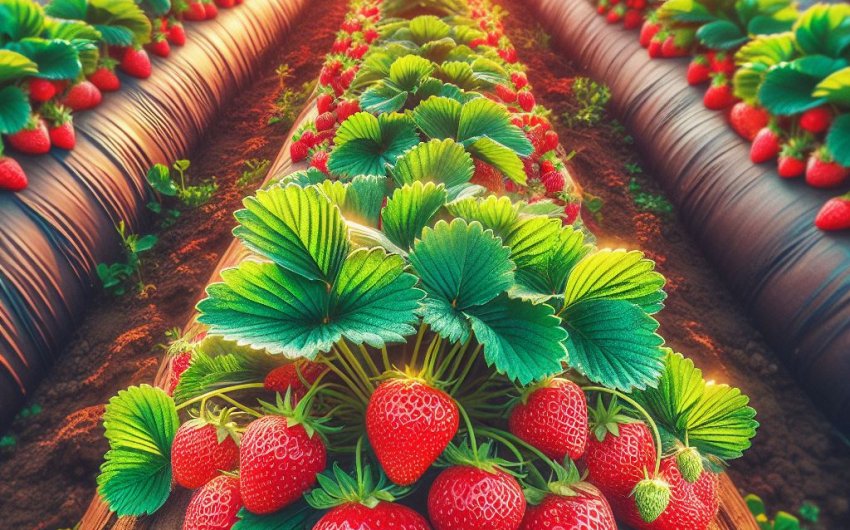
Embarking on the journey of planting strawberries for a bountiful harvest is an incredibly rewarding experience for any home gardener. This comprehensive, step-by-step guide will walk you through every essential stage, from selecting the perfect site and choosing the right varieties to successful planting and ongoing care. Get ready to enjoy the sweet, sun-ripened taste of homegrown strawberries, knowing you cultivated them yourself.
What type of strawberries should you choose?
Selecting the right strawberry varieties is the first crucial step towards a successful and abundant harvest. Different types of strawberries have distinct fruiting habits and ideal growing conditions.
What are June-bearing strawberries?
June-bearing strawberries are the most common type and are known for producing a single, large crop of berries over a 2-3 week period, usually in late spring or early summer (hence "June-bearing").
- Pros:
- Produce larger berries than other types.
- Yield a concentrated, heavy harvest, ideal for processing (jams, freezing).
- Produce many runners (new plants) for expanding your patch.
- Cons:
- Only one harvest per year.
- Require a specific planting and runner management system (matted row or raised bed system).
- Popular Varieties:
- Honeoye: Early season, firm, flavorful.
- Allstar: Mid-season, large, good for fresh eating and preserving.
- Jewel: Mid-season, excellent flavor, great for jams.
- Sparkle: Late season, very flavorful, disease resistant. These are excellent choices if you want to make a lot of jam or freeze berries. Look for June-bearing strawberry bare roots.
What are Everbearing strawberries?
Everbearing strawberries produce two to three harvests per year: a main crop in spring, a smaller crop in late summer, and sometimes a very small flush in fall. They don't produce a continuous crop but rather distinct flushes.
- Pros:
- Multiple harvests throughout the growing season.
- Produce fewer runners, making them suitable for smaller spaces, containers, or the hill system.
- Cons:
- Berries are generally smaller than June-bearing types.
- Overall yield is usually lower than a well-managed June-bearing patch.
- Popular Varieties:
- Ozark Beauty: Reliable, sweet berries.
- Quinalt: Large berries for an everbearer, good disease resistance. Everbearing varieties are great for fresh eating over a longer period. You can find ever-bearing strawberry plants.
What are Day-neutral strawberries?
Day-neutral strawberries are unique in that they produce berries continuously throughout the growing season, from spring until the first hard frost, as long as temperatures are between approximately 35°F and 85°F (1.7°C and 29.4°C). Their fruiting is not dependent on day length.
- Pros:
- Continuous harvest for fresh eating.
- Produce very few runners, making them excellent for containers, hanging baskets, or the hill system.
- Cons:
- Berries are typically the smallest of the three types.
- Require consistent watering and fertilization due to continuous fruiting.
- Tend to be less vigorous and productive than June-bearing plants after their first year.
- Popular Varieties:
- Albion: Large, firm, and very flavorful berries for a day-neutral type.
- Seascape: Good yields, sweet, and disease-resistant.
- Tristar: Excellent flavor, cold hardy. If you want a steady supply of fresh strawberries for snacking, day-neutrals are a good choice. Look for day-neutral strawberry plants.
Which type is best for a "bountiful harvest"?
For a truly bountiful harvest in terms of sheer volume for canning, freezing, or making large batches of jam, June-bearing strawberries are generally the top choice. While Everbearing and Day-neutral varieties provide a longer season of fresh eating, the concentrated flush of large berries from June-bearers is unmatched for processing.
Where is the best place to plant strawberries?
Choosing the ideal location is paramount for planting strawberries for a bountiful harvest. These plants have specific requirements for sunlight, soil, and drainage that directly impact their health and productivity.
How much sun do strawberries need?
Strawberries are sun-loving plants.
- Full sun: They need at least 6-8 hours of direct sunlight per day to produce abundant, sweet fruit. More sun usually means more berries.
- Why full sun is critical: Insufficient sunlight will lead to spindly plants, fewer flowers, smaller berries, and a less flavorful harvest.
What kind of soil is best for strawberries?
Strawberries thrive in particular soil conditions.
- Well-draining: This is crucial. Strawberries hate "wet feet," meaning their roots don't like to sit in soggy soil, which can lead to root rot.
- Rich in organic matter: Loose, fertile soil with plenty of organic matter (like compost) provides essential nutrients and helps with drainage and aeration.
- Slightly acidic: Strawberries prefer a soil pH between 5.5 and 6.5.
- Good aeration: Loose soil allows air to circulate around the roots, which is vital for their health.
How to prepare your soil:
- Soil Test: If possible, conduct a soil test kit for gardens before planting. This will tell you your soil's pH and nutrient levels, allowing you to amend it precisely.
- Amend with Organic Matter: If your soil is heavy clay, sandy, or lacking nutrients, mix in a generous amount of garden compost or well-rotted manure. Aim for 2-4 inches of organic matter dug into the top 6-12 inches of soil.
- Adjust pH (if necessary):
- If pH is too high (alkaline): Add elemental sulfur.
- If pH is too low (acidic): Add agricultural lime. Follow soil test recommendations for amounts.
- Raised Beds: If your native soil is poor, compacted, or has drainage issues, raised garden beds are an excellent solution for growing strawberries. They allow you to create the perfect soil mix and ensure good drainage. Look for raised garden bed kits.
Why is good drainage important?
As mentioned, proper drainage prevents waterlogging around the roots, which is the leading cause of strawberry plant demise. Waterlogged conditions starve the roots of oxygen and create an environment ripe for fungal diseases.
Should you consider rotation for strawberry patches?
Yes, crop rotation is an important long-term strategy for maintaining a healthy and productive strawberry patch, even though strawberries are perennial.
- Disease Prevention: Planting strawberries in the same spot year after year can lead to a buildup of soil-borne diseases and pests specific to strawberries.
- Nutrient Depletion: Continuous planting can deplete specific nutrients that strawberries require.
- Rotation Schedule: It's generally recommended to move your strawberry patch to a new location every 3-5 years. Avoid planting them in areas where tomatoes, potatoes, peppers, or eggplant (all in the nightshade family) were recently grown, as they can share some similar diseases.
When is the best time to plant strawberries?
The timing of planting strawberries significantly impacts their establishment and subsequent fruit production. Understanding your climate zone is key.
When to plant in spring?
- General Rule: For most regions, early spring is the ideal time to plant strawberries, as soon as the soil can be worked and the danger of hard frost has passed. This allows the plants to establish a strong root system before the heat of summer.
- Cool-Season and Warm-Season Considerations:
- Cool-season climates (Northern regions): Plant as soon as the ground thaws, typically April or May. This gives them a full growing season to establish before winter dormancy.
- Warm-season climates (Southern regions): Plant in early spring, often late February to March. In some very mild winter areas, late fall planting (October-November) can also be successful, allowing roots to establish during the cool season.
Can you plant strawberries in fall?
Fall planting is less common but can be successful in certain circumstances.
- Mild Climates: In regions with mild winters and long, cool springs, fall planting can give the roots a head start before hot summer temperatures.
- Protection: Fall-planted strawberries will need careful winter protection (mulching) to ensure they survive.
- Less Common for June-bearing: Fall planting is generally not recommended for June-bearing varieties if you want a significant harvest the following spring, as they need a full season of growth to develop flower buds for the next year. It's sometimes done for Day-neutral or Everbearing types.
What are the benefits of bare-root vs. potted plants?
You can purchase strawberry plants as either bare-root or potted specimens. Each has advantages for planting strawberries.
- Bare-Root Plants:
- Cost-effective: Generally much cheaper, especially when buying in bulk.
- Dormant: Less transplant shock if planted correctly while still dormant.
- Best for large plantings: Ideal for starting a large strawberry patch.
- Availability: Typically ordered online or found in nurseries in early spring. Look for dormant strawberry bare root plants.
- Potted Plants (Container-grown):
- Convenience: Ready to plant, no need to worry about dormancy.
- Faster establishment: Already have an established root ball, leading to quicker growth.
- Higher success rate: Generally easier for beginners as they are less susceptible to transplant shock.
- Availability: Found in garden centers throughout the growing season.
- More expensive: Cost more per plant.
Important for Bare Roots:
- Soak roots: Before planting, soak bare-root strawberry plants in water for about 20-30 minutes to rehydrate them.
- Plant promptly: Plant bare roots as soon as possible after receiving them. If you can't plant immediately, store them in a cool, dark place (like a refrigerator) for a short period.
What planting systems work best for strawberries?
The way you arrange your strawberry plants in the garden directly affects their growth, runner production, and overall yield. Different planting systems suit different strawberry types and garden sizes.
What is the Matted Row System?
The matted row system is the most common method for June-bearing strawberries and is ideal for maximizing their production of runners.
- How it works:
- Plant June-bearing plants 18-30 inches apart in rows that are 3-4 feet apart.
- Allow runners to develop freely and root in the space between the original plants, forming a "mat" or continuous row about 12-18 inches wide.
- Direct runners into this desired width, and remove any that extend beyond it or crowd the row too much.
- Pros:
- High yields for June-bearing varieties.
- Less initial work in placing each plant precisely.
- Runners replace older, less productive mother plants naturally.
- Cons:
- Can become overcrowded if not managed (leading to smaller berries and disease).
- Requires annual renovation (thinning).
What is the Hill System?
The hill system is best suited for Everbearing and Day-neutral strawberries because these types produce fewer runners. It's also ideal for containers and small spaces.
- How it works:
- Plant individual strawberry plants 12-18 inches apart in raised mounds ("hills") or simply spaced out in a bed.
- Remove all runners and blossoms (for Everbearing/Day-neutral in the first year) as they appear. This directs the plant's energy into developing a strong crown and a good root system, leading to larger berries and continuous production from the mother plant.
- Pros:
- Larger berries on individual plants.
- Longer fruiting season for Everbearing/Day-neutral types.
- Easier to manage in small gardens, containers, and hanging baskets.
- Better air circulation around plants, reducing disease risk.
- Cons:
- Lower overall yield per square foot compared to a well-managed matted row system (for June-bearing).
- Requires more vigilant runner and blossom removal.
What about planting in containers or hanging baskets?
Containers and hanging baskets are excellent options for planting strawberries in small gardens, on patios, or balconies. Day-neutral and Everbearing varieties are particularly well-suited due to their more compact growth and fewer runners.
- Choose the right container: Use pots with good drainage holes. Strawberry pots, fabric grow bags for plants, or standard terracotta pots work well.
- Soil mix: Use a high-quality potting mix for fruits and vegetables that drains well and retains moisture.
- Watering: Container strawberries dry out faster than in-ground plants, so they will require more frequent watering.
- Fertilizing: Container plants also need regular feeding since nutrients leach out more quickly. Use a balanced liquid fertilizer every 2-4 weeks during the growing season.
- Winter protection: In cold climates, container strawberries will need protection (e.g., bringing them into an unheated garage) to survive winter.
What is the step-by-step process for planting strawberries?
Once you've chosen your variety, location, and system, it's time for the actual planting of strawberries. Following these steps will give your plants the best start.
Step 1: Prepare the Soil
- Clear the area: Remove all weeds, rocks, and debris from your chosen planting site.
- Amend the soil: As discussed, dig in 2-4 inches of well-rotted garden compost or aged manure into the top 6-12 inches of soil. This improves drainage, adds nutrients, and creates a loose, friable environment for roots.
- Form beds/rows: If using the matted row system, create raised rows approximately 6-8 inches high and 18-24 inches wide. If using the hill system or containers, prepare individual mounds or fill your pots.
Step 2: Prepare the Plants
- Bare roots: If using bare-root plants, soak their roots in water for 20-30 minutes before planting.
- Potted plants: Gently remove the plant from its container. If roots are circling, gently tease them apart.
Step 3: Dig the Planting Hole
- Size: Dig a hole that is wide enough to accommodate the roots without bending and deep enough so that the crown (the central growing point where leaves emerge) is level with the soil surface.
- Crucial depth: This is the most critical part of planting.
- Too deep: Burying the crown can lead to rot.
- Too shallow: Exposing the roots or crown can cause drying out.
Step 4: Plant the Strawberry
- Position: Place the plant in the center of the hole. For bare roots, spread the roots out evenly.
- Crown placement: Ensure the crown is exactly at soil level. The top of the roots should be just covered by soil, and the base of the lowest leaves should be above ground.
- Fill the hole: Gently backfill the hole with soil, firming it gently around the roots to remove air pockets. Don't pack it down too hard.
Step 5: Water Thoroughly
- Initial watering: Immediately after planting, give the strawberries a good, deep watering. This helps settle the soil around the roots and eliminates any remaining air pockets.
- Mulch (optional but recommended): Apply a 2-4 inch layer of strawberry straw mulch (clean, weed-free straw) around the plants.
- Benefits: Suppresses weeds, conserves soil moisture, keeps berries clean, and helps regulate soil temperature.
Step 6: Initial Care (First Year)
- Remove first-year blossoms: This is a key step, especially for June-bearing and Everbearing/Day-neutral in their first year. Snip off all flower blossoms as they appear during the first growing season.
- Why: This directs the plant's energy into developing a strong root system and robust crown, rather than into producing fruit. This investment in root growth will lead to much larger harvests in subsequent years.
- Manage runners:
- June-bearing (Matted Row): Allow some runners to root within the designated row width. Pinch off any excessive runners or those growing outside the row.
- Everbearing/Day-neutral (Hill System/Containers): Remove all runners as they appear. The goal is to keep the energy focused on the main plant for continuous berry production.
How do you care for strawberries for a bountiful harvest?
Ongoing care is vital for ensuring your strawberry plants thrive and provide a bountiful harvest year after year. This includes consistent watering, targeted fertilization, pest management, and regular maintenance.
How much water do strawberries need?
Consistent moisture is crucial for strawberry development, especially during flowering and fruiting.
- Regular watering: Aim for about 1-1.5 inches of water per week, either from rain or irrigation.
- Check soil moisture: Feel the soil an inch or two down. If it feels dry, it's time to water.
- Water deeply: Apply water slowly and deeply to encourage strong root growth.
- Avoid overhead watering: Water the soil directly at the base of the plants using drip irrigation or a soaker hose to keep leaves dry and prevent fungal diseases. A drip irrigation kit for gardens is excellent for this.
What about fertilizing strawberries?
Strawberries are moderate feeders. Too much nitrogen can lead to lush foliage but fewer berries.
- First year: If you heavily amended your soil with compost, additional fertilizer may not be needed in the first year.
- Subsequent years:
- After harvest (June-bearing): This is the most critical time to fertilize June-bearing strawberries. Apply a balanced strawberry fertilizer or an all-purpose granular fertilizer (e.g., 10-10-10) at half strength. This helps the plants recover and develop flower buds for the next year.
- Everbearing/Day-neutral: Fertilize lightly every 3-4 weeks during the growing season with a balanced liquid fertilizer, especially if growing in containers, as nutrients leach out faster.
- Avoid over-fertilizing: More is not always better. Too much nitrogen can reduce fruit production and make plants susceptible to disease.
How do you manage runners and maintain the patch?
Regular runner management is key to keeping your strawberry patch productive and preventing overcrowding.
- June-bearing (Matted Row):
- First year: Allow 4-6 runners per mother plant to root, directing them into the desired 12-18 inch wide row. Snip off any additional runners.
- Subsequent years (Renovation): After harvest, this system requires renovation.
- Mow or cut down the foliage to about 1-2 inches above the crown (optional, but rejuvenates plants).
- Thin the rows, removing older, less productive mother plants and excess runners to maintain a spacing of 4-6 inches between plants. This prevents overcrowding and improves air circulation.
- Work in a light layer of compost.
- Everbearing/Day-neutral (Hill System): Remove all runners as they appear throughout the growing season. The goal is to keep all the plant's energy focused on fruit production from the main crown.
How do you protect strawberries from pests and diseases?
Healthy plants are more resistant, but some common issues may arise.
- Birds: Birds love strawberries! Use bird netting for berry bushes draped over your plants once berries start to ripen.
- Slugs and Snails: Set out beer traps or use slug and snail bait (ensure it's pet-safe if you have animals). Keeping mulch away from the immediate crown can also help.
- Weeds: Weeds compete for water, nutrients, and sunlight. Hand-pull weeds regularly, especially when plants are young. Mulch is excellent for weed suppression.
- Fungal diseases (e.g., powdery mildew, leaf spot, gray mold):
- Prevention: Ensure good air circulation, avoid overhead watering, and use resistant varieties.
- Treatment: Remove affected leaves. In severe cases, use an organic fungicide for berries.
What about winter protection?
In regions with cold winters (where temperatures drop below 20°F or -6°C), strawberries need winter protection.
- Mulching: After the first few hard frosts (when plants are dormant), apply a 4-6 inch layer of clean, weed-free straw for winter mulch over the entire patch. This insulates the plants and prevents frost heave (when freezing and thawing push plants out of the ground).
- Remove in spring: In early spring, once the danger of hard frost has passed and you see signs of new growth, rake off about half of the straw. Leave some thinner mulch to continue suppressing weeds and keeping berries clean.
When and how do you harvest strawberries?
The moment you've been waiting for: harvesting your homegrown strawberries! Knowing when and how to pick them ensures maximum sweetness and keeps your plants productive.
When are strawberries ready for harvest?
- Color: Strawberries are ready when they are fully red. The entire berry, including the tip, should be a deep, uniform red.
- Wait for full ripeness: Unlike some fruits that ripen off the vine, strawberries do not get sweeter after picking. Pick them only when fully ripe for the best flavor.
- Softness: They should be firm but yield slightly to a gentle squeeze.
How do you harvest strawberries?
Gentle handling is key to avoid bruising the delicate fruit.
- Harvest often: Check your plants daily, especially during peak season, as berries ripen quickly. Early morning, after the dew has dried, is often the best time to pick them.
- Use scissors or pinch off: Instead of pulling the berry directly, which can damage the plant or bruise the fruit, use small scissors or your thumbnail to snip the stem about 1/2 inch above the berry. Always leave the green cap (calyx) attached.
- Handle gently: Place harvested berries gently into shallow containers to prevent crushing. Avoid piling them too high. A berry harvesting basket with good ventilation is ideal.
- Remove overripe fruit: If you find any overripe, mushy, or diseased berries, remove them promptly to prevent the spread of mold or attract pests.
How do you store fresh strawberries?
Freshly picked strawberries have a short shelf life, but proper storage can extend it.
- Don't wash until ready to eat: Washing them introduces moisture, which encourages mold.
- Refrigerate: Store unwashed berries in a single layer in a shallow container lined with a paper towel in the refrigerator. An airtight produce container for berries can also help.
- Ventilation: Some air circulation is good; avoid sealing them in an airtight bag unless specifically designed for produce storage.
- Shelf life: They typically last 3-7 days in the refrigerator.
Can you preserve strawberries?
Absolutely! Preserving your bountiful strawberry harvest allows you to enjoy them long after the season ends.
- Freezing:
- Gently wash and hull the berries (remove the green cap).
- Pat them completely dry.
- Arrange them in a single layer on a baking sheet and freeze until solid (this prevents them from sticking together).
- Transfer frozen berries to freezer bags for fruits or airtight containers. They'll last 6-12 months.
- Jams and Jellies: A classic way to preserve strawberries. You'll need canning jars for jam and a basic canning setup.
- Dehydrating: Slice berries thinly and use a food dehydrator for fruits to make healthy dried snacks.
- Syrups: Cook down berries with sugar to make delicious strawberry syrup for pancakes or desserts.
By meticulously following this step-by-step guide, you're well on your way to successfully planting strawberries for a bountiful harvest and enjoying the sweet, unparalleled taste of fruit cultivated right in your own garden.