
Reach New Heights with Raised Bed Gardening: Tips and Tricks!
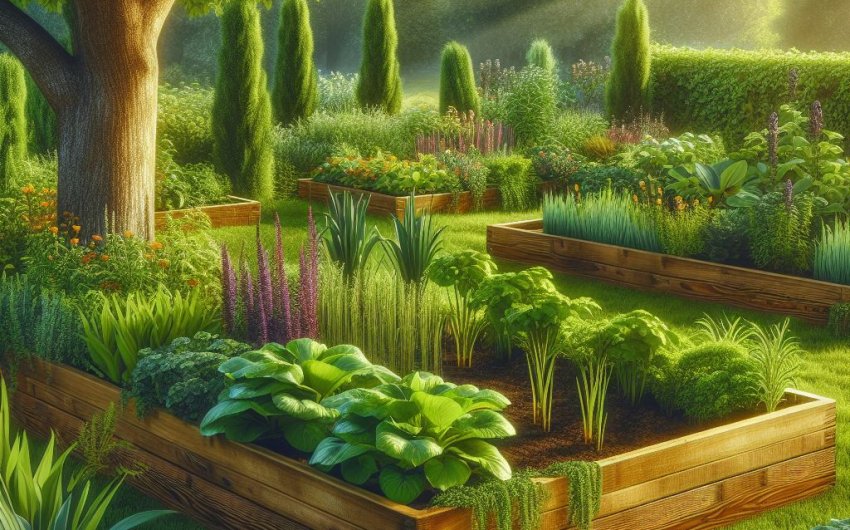
Elevating your gardening game, both literally and figuratively, becomes a delightful reality with a well-designed contained garden. Preparing to reach new heights with raised bed gardening transforms how you cultivate plants, offering unparalleled control over soil quality, superior drainage, and an ergonomic approach that makes tending your greens a joy. This guide dives into essential tips and tricks to help you maximize the benefits and overcome the challenges of this highly efficient and rewarding gardening method.
Why is Raised Bed Gardening So Popular?
Raised bed gardening has surged in popularity among home gardeners, from beginners to seasoned veterans, offering a host of advantages that address common gardening frustrations. This method provides a contained, manageable, and highly productive environment for growing a wide variety of plants, making it an excellent choice for almost any gardener seeking improved results and a more comfortable experience.
What are the Benefits of Raised Bed Gardening?
The advantages of growing in elevated structures are numerous and significantly contribute to gardening success and enjoyment.
- Superior Soil Control:
- Custom Soil Mix: You get to create your ideal growing medium from scratch, filling your beds with a perfect blend of high-quality soil, compost, and amendments tailored to your plants' needs. This is a huge advantage over dealing with native soil that might be rocky, heavy clay, or pure sand.
- Improved Drainage: The elevated nature of raised beds naturally provides excellent drainage, preventing waterlogging that can lead to root rot. This is especially beneficial in areas with heavy rain or poorly draining native soil.
- Enhanced Aeration: Because you never walk on the soil within a raised bed, it remains loose and well-aerated, promoting healthy root development and beneficial microbial activity.
- Extended Growing Season:
- Warmer Soil: The soil in raised beds warms up faster in the spring than in-ground soil, allowing you to plant earlier.
- Longer Fall: It also tends to stay warmer longer into the fall, potentially extending your harvest period.
- Reduced Weeding and Pests:
- Fewer Weeds: With a fresh, contained soil mix, fewer weed seeds are present. Any weeds that do appear are typically easier to pull from the loose, uncompacted soil.
- Pest Barrier: The elevated sides can act as a partial physical barrier against some crawling pests like slugs, snails, and even voles (especially if you line the bottom with hardware cloth).
- Ergonomic Benefits:
- Less Bending and Kneeling: The increased height significantly reduces strain on your back and knees, making gardening much more comfortable and accessible, especially for individuals with mobility challenges.
- Easier Access: Raised beds provide defined, accessible planting areas that are easy to reach for planting, weeding, watering, and harvesting.
- Intensive Planting: Because the soil isn't compacted by foot traffic, you can plant vegetables and flowers closer together in a raised bed, leading to higher yields in a smaller footprint.
- Aesthetics and Organization:
- Defined Space: Raised beds create clear, neat, and aesthetically pleasing garden areas, giving your yard a more organized and professional look.
- Design Flexibility: You can design beds in various shapes, sizes, and materials to match your landscape design.
What are the Potential Challenges?
While raised beds offer many advantages, it's good to be aware of a few potential drawbacks.
- Initial Cost: Building and filling raised beds can be more expensive upfront than simply amending an in-ground garden, as you need to buy materials for the frame and the soil mix.
- Drying Out Faster: Raised beds typically dry out more quickly than in-ground gardens due to increased exposure to air and sun on their sides. This means they require more frequent watering, especially in hot climates.
- Material Sourcing: Sourcing durable, safe materials for the bed frame can take some planning and effort.
- Settling Soil: Over time, the organic matter in your raised bed soil will decompose and compact, causing the soil level to drop. You'll need to replenish it annually with fresh compost.
- Permanence: Once built and filled, most raised beds are heavy and not easily moved.
How Do You Design Your Raised Bed Garden for Success?
A well-designed raised bed garden is key to maximizing its benefits. Thinking through your layout, size, and materials before you build will set you up for years of productive and enjoyable gardening.
Strategic Location Planning
The placement of your raised beds is crucial for plant health and garden accessibility.
- Sunlight is King: Most vegetables and many flowers require at least 6-8 hours of direct sunlight per day.
- Observe: Spend a full day tracking how the sun moves across your yard, noting any shaded areas.
- Orientation: In the Northern Hemisphere, orient beds north to south to maximize sun exposure, especially for tall crops which should be on the north side to avoid shading shorter plants.
- Water Access: Raised garden beds dry out faster, so proximity to a water source is essential.
- Proximity: Position beds close to a garden hose spigot or plan for drip irrigation.
- Drainage: Ensure the ground beneath your raised bed also drains well. Avoid placing beds in perpetually soggy spots.
- Accessibility: Choose a location that's easy to reach for daily tasks like watering, weeding, and harvesting. Avoid heavy traffic areas or utility lines.
- Aesthetics: Consider how the beds will look in your landscape. Do they complement your home and existing garden features?
Optimal Size and Layout
Dimensions matter for both plant health and your comfort.
- Width (Crucial for Reach): Aim for a width of no more than 3-4 feet. This allows you to comfortably reach the center of the bed from either side without stepping on the soil, preventing compaction.
- Length (Flexible): Length is more adaptable to your space. Common lengths are 4 feet, 6 feet, or 8 feet. Consider standard lumber sizes if building with wood to minimize waste.
- Height (Ergonomics & Root Depth):
- Minimum: 6-8 inches is sufficient for most leafy greens and shallow-rooted plants, offering better drainage than in-ground.
- Ideal for Veggies: 10-12 inches provides good depth for most common vegetables.
- Ergonomic: 18-24 inches (or higher) is excellent for accessibility and back comfort.
- Pathways: Plan for wide enough paths (at least 2-3 feet) between beds to allow for easy movement, wheelbarrow access, and comfortable working.
- Number of Beds: Start with one or two beds to get a feel for it, and expand as your confidence and enthusiasm grow. Don't overcommit initially.
Choosing the Right Materials
The material you select for your raised garden bed frame impacts durability, appearance, and cost.
- Wood (Most Popular):
- Cedar or Redwood: Naturally rot-resistant, beautiful, long-lasting (10-15+ years). More expensive. A cedar raised bed kit is a popular choice.
- Untreated Pine/Fir: Inexpensive, but short-lived (3-5 years) without treatment. Not recommended for longevity.
- Treated Lumber (ACQ, MCA): Very durable (20+ years), affordable. Modern treatments are considered safer than older types (CCA), but some gardeners still prefer natural wood for edible beds. If using, consider lining the interior with a heavy-duty pond liner or plastic sheeting as a barrier.
- Metal (Modern & Durable):
- Galvanized Steel: Sleek, modern look, very durable, doesn't rot or attract pests. Can get hot in direct sun. A galvanized raised garden bed is a durable option.
- Corrugated Metal: Affordable, industrial look, but can have sharp edges.
- Stone/Blocks/Bricks (Permanent & Aesthetic):
- Concrete Blocks/Bricks: Extremely durable, natural look, excellent thermal mass (can help warm soil). Heavy and labor-intensive to build.
- Natural Stone: Similar benefits to concrete, but often more expensive.
- Recycled Plastic Lumber (Eco-Friendly & Maintenance-Free):
- Benefits: Extremely durable, rot-proof, insect-proof, splinter-free, maintenance-free, often made from recycled materials.
- Considerations: Can be more expensive upfront, less rigid than wood. A recycled plastic raised bed offers longevity.
- Fabric/Textile (Budget & Portable):
- Benefits: Very inexpensive, excellent drainage, portable (when empty). A fabric raised garden bed is a quick solution.
- Considerations: Less aesthetic, dries out quickly, shorter lifespan.
How Do You Build a Raised Bed Frame?
Building a raised bed garden frame is a rewarding DIY project that doesn't require advanced carpentry skills. This section outlines the basic steps for constructing a popular wood frame, though principles apply to other materials.
Essential Tools for Construction
- Measuring Tape and Pencil: For accurate marking.
- Saw: Circular saw for lumber cuts.
- Drill: Cordless drill for pilot holes and driving screws.
- Level: To ensure your bed is plumb and level on all sides.
- Square: Speed square or framing square to ensure corners are at 90 degrees.
- Shovel: For ground preparation and leveling.
- Safety Gear: Gloves and safety glasses.
Step-by-Step Wood Frame Assembly
Assuming a simple rectangular bed using 2x lumber (e.g., 2x8, 2x10, or 2x12 boards).
- Prepare the Ground:
- Clear the area: Remove any grass, weeds, or large rocks from the footprint of your raised bed.
- Level the site: Use a shovel to level the ground. A level bed is stable and drains evenly. Check for level in all directions with your long level.
- Cut the Lumber:
- Cut two boards to your desired length and two boards to your desired width. For example, for a 4'x8' bed, cut two 8-foot boards and two 4-foot boards.
- If building a taller bed (e.g., two layers of 2x10s for a 20-inch tall bed), cut two sets of these dimensions.
- Assemble the First Layer:
- Lay out your cut boards to form a rectangle on your prepared site.
- Overlap the ends so the long boards butt into the ends of the short boards (or vice-versa, just be consistent).
- Secure Corners: At each corner, drill pilot holes (to prevent wood splitting) and then drive two or three 3-inch or longer deck screws through the end of one board into the face of the perpendicular board.
- Check Squareness: Before tightening all screws, use your square to ensure all corners are at 90 degrees.
- Add Additional Layers (for Taller Beds):
- If making a taller bed, stack the next set of boards directly on top of the first assembled layer.
- For increased stability, "stagger" the corners (e.g., if the first layer had long boards butting into short boards, the second layer should have short boards butting into long boards at the corners).
- Secure each new layer to the one below it using longer screws (e.g., 4-5 inch screws) driven vertically down into the lower board, as well as securing the corners.
- Add Corner Bracing (Optional, but Recommended): For long or tall beds, adding vertical 2x2 or 4x4 posts in the inside corners provides extra stability.
- Cut posts to the height of your bed.
- Place them inside the corners and screw through the frame into the posts.
- Pest Barrier (Optional but Recommended):
- Weed Barrier: Lay a layer of landscaping fabric or cardboard at the bottom of the bed to suppress weeds from growing up into your new soil. Ensure it's permeable for drainage.
- Vole/Gopher Mesh: If you have rodent issues, line the entire bottom of the bed with hardware cloth (¼ or ½ inch mesh). Staple it securely to the inside of the frame, extending up the sides a few inches.
How Do You Fill a Raised Bed for Optimal Growth?
Filling your raised bed garden is where you truly establish its growing power. Unlike traditional gardens, you're building a perfect soil environment from scratch. This process involves creating a layered system that promotes drainage, retains moisture, and provides long-term fertility.
The "Lasagna" Method (Hugelkultur-Inspired) for Deep Beds
For raised beds 18 inches or taller, filling with expensive bagged soil alone can be cost-prohibitive. The "lasagna" method utilizes layers of organic materials that will decompose over time, creating a rich, self-fertilizing, and well-draining environment.
Benefits: Cost-effective, excellent long-term fertility, improves drainage, reduces settling, and repurposes organic waste.
Layering Sequence (from bottom up):
- Coarse Organic Matter (Base Layer - 6-12 inches):
- Purpose: Provides excellent long-term drainage and slowly decomposes to release nutrients. Also reduces the amount of expensive bagged soil needed.
- Materials: Untreated logs (partially decaying is good), thick branches, wood chips, large pieces of cardboard (remove tape and labels), straw, chunky old leaves.
- Greener/Nitrogen-Rich Layer (4-6 inches):
- Purpose: Provides nitrogen to fuel the decomposition of the carbon-rich layers below.
- Materials: Grass clippings (thin layers to avoid heating), fresh green leaves, kitchen scraps (buried deeply), aged animal manure, fresh garden waste (not diseased).
- Intermediate Layers (Repeat as needed - 2-4 inches each):
- Purpose: Builds volume and continues the decomposition process.
- Materials: Alternate layers of "brown" (dried leaves, shredded newspaper, straw, more cardboard) and "green" materials (more kitchen scraps, grass clippings). A few shovelfuls of native garden soil can be added to introduce beneficial microbes.
- Finished Compost (Top 4-6 inches):
- Purpose: Provides a concentrated dose of readily available nutrients and organic matter for immediate plant access, and encourages a healthy soil food web.
- Materials: Rich, dark, well-rotted finished compost (store-bought or homemade).
- Premium Growing Mix (Top 6-12 inches):
- Purpose: This is the primary rooting zone for your plants. It needs to be loose, well-draining, and nutrient-rich.
- Materials: A high-quality raised bed soil mix or a custom blend (see below).
- Coarse Organic Matter (Base Layer - 6-12 inches):
Wetting Each Layer: Thoroughly wet each layer as you add it. This aids in compaction (reducing settling) and kick-starts the decomposition process.
Ideal Growing Mix for the Top Layer (for All Beds)
Whether you use the "lasagna" method or fill a shallower bed entirely, the top layer is where your plants will establish their roots. This blend offers an excellent balance.
- Ratio: A common and highly effective blend for the top 6-12 inches of raised beds is:
- 50-60% High-Quality Topsoil: This provides the bulk and essential mineral components. Ensure it's actual topsoil, not just sterile fill dirt. You can buy bagged garden topsoil.
- 30-40% Organic Compost: This is the magic ingredient. It improves soil structure, water retention, drainage, and provides a slow, steady release of nutrients. Use plenty of well-rotted compost.
- 10-20% Perlite or Vermiculite (Optional but Recommended): These lightweight, porous materials significantly improve aeration and drainage, preventing compaction in your raised bed. Large bag of perlite can be found at garden centers.
- Mixing: Thoroughly blend these components together. For large quantities, consider renting a small cement mixer or mixing in a wheelbarrow.
- Fill to Top: Fill your raised bed with the blended mix up to about 1-2 inches from the top edge. This leaves room for watering without overflow.
- Water In: After filling, water the bed thoroughly to settle the soil and activate beneficial microbes. This also lets you see if any further top-up is needed.
Essential Soil Amendments (Optional Additions)
Beyond the basic mix, you can add specific amendments to supercharge your soil.
- Worm Castings: A fantastic natural fertilizer and soil conditioner, rich in beneficial microbes. Mix a few shovelfuls of organic worm castings into your top layer.
- Organic Granular Fertilizer: While compost provides nutrients, a slow-release organic granular fertilizer can give your plants an extra boost. Mix it in according to package directions.
- Mycorrhizal Fungi Inoculant: These beneficial fungi form a symbiotic relationship with plant roots, dramatically improving nutrient and water uptake. Mix a product containing mycorrhizal fungi into the soil, especially when planting.
What are the Best Tips and Tricks for Raised Bed Care?
Once your raised bed garden is built and filled, consistent care will ensure its long-term productivity and health. These tips and tricks address the unique needs of raised beds, from watering and feeding to planting and pest management.
Watering Wisdom for Raised Beds
Raised beds dry out faster, so smart watering is key.
- Check Daily in Summer: In hot, sunny weather, check soil moisture daily. Stick your finger 2-3 inches deep; if it's dry, water.
- Deep Watering: When you water, water thoroughly until it drains from the bottom. Avoid shallow, frequent sprinkles.
- Morning Watering: Water in the morning to allow foliage to dry before nightfall, reducing fungal disease risk.
- Drip Irrigation/Soaker Hoses: Install a drip irrigation system for raised beds or soaker hoses for efficient, consistent, and hands-free watering at the root zone.
- Mulch Heavily: Apply a 2-4 inch layer of organic mulch (straw, shredded leaves, wood chips) around your plants. Mulch significantly reduces water evaporation, suppresses weeds, and moderates soil temperature.
Nutrient Management and Soil Health
Raised beds are high-performance environments, so they need regular nutrient replenishment.
- Annual Compost Top-Dressing: Each spring (or fall), top-dress your beds with 1-2 inches of fresh, well-rotted compost. This replenishes nutrients, improves soil structure, and compensates for settling.
- Fertilization: Supplement with a balanced organic fertilizer as needed, based on your plants' growth and any signs of deficiency. Follow package directions.
- Crop Rotation: Implement a 3-4 year crop rotation plan to balance nutrient consumption and break pest/disease cycles. Group plants by family (e.g., leafy greens, root crops, fruiting crops, legumes).
- Cover Crops: In the off-season, plant a winter cover crop mix (e.g., clover, vetch). They protect the soil from erosion, suppress weeds, and add organic matter when tilled in.
Smart Planting Strategies
Maximize your yield and maintain plant health within the confined space.
- Intensive Planting: Plant closer than traditional row gardening. Use square foot gardening principles, where you divide the bed into 1-foot squares and plant a specific number of plants per square based on their size.
- Vertical Gardening: Utilize trellises, stakes, and cages to grow vining plants (cucumbers, beans, peas, indeterminate tomatoes) upwards, saving horizontal space. A vertical garden trellis for raised beds is a game changer.
- Succession Planting: Plant small batches of quick-growing crops (lettuce, radishes, cilantro) every 2-3 weeks for a continuous harvest.
- Companion Planting: Strategically plant compatible species together to deter pests, attract beneficial insects, or improve growth.
- Don't Compact Soil: Never step into your raised bed once it's filled. Work from the edges or paths.
Pest and Disease Management
While raised beds offer some advantages, vigilance is still needed.
- Regular Inspection: Frequently check your plants for any signs of pests or disease. Early detection is key.
- Hand Picking: Manually remove larger pests (e.g., hornworms, slugs) as soon as you see them. A garden headlamp is great for nocturnal pests.
- Organic Sprays: For outbreaks, use organic solutions like insecticidal soap or neem oil spray.
- Beneficial Insects: Attract beneficial insects (ladybugs, lacewings) by planting diverse flowering plants near your beds.
- Row Covers: Use floating row covers early in the season to protect young seedlings from flying insects and larger pests.
By applying these tips and tricks, you're well-equipped to experience the remarkable advantages of cultivating a confined garden. Successfully tending to your produce and flowers will allow you to truly reach new heights with raised bed gardening, ensuring bountiful harvests and a deeply fulfilling connection to nature right in your own backyard.