
Green on a Budget: Mastering Vegetable Gardening Without Breaking the Bank!
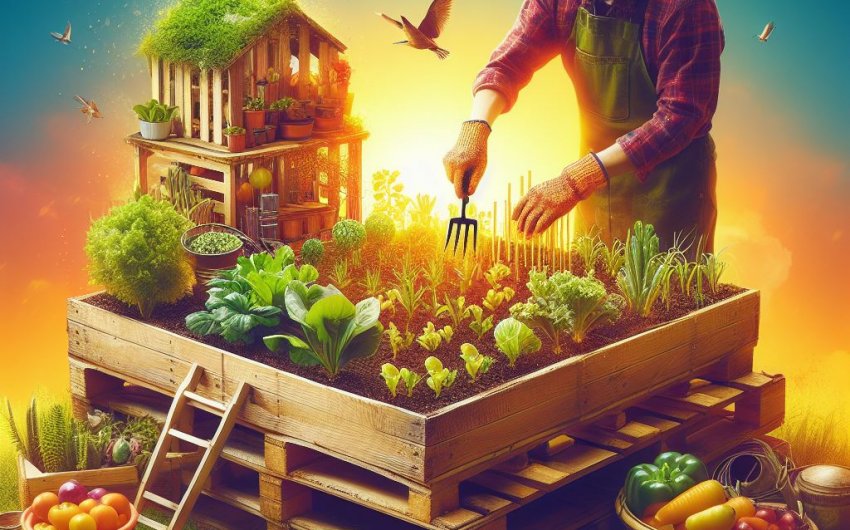
Embarking on a journey of mastering vegetable gardening without breaking the bank is an empowering and sustainable endeavor, proving that a bountiful harvest doesn't require a hefty investment. By embracing smart strategies, resourceful habits, and a little creativity, you can cultivate a thriving plot that yields fresh, organic produce while keeping costs remarkably low. This comprehensive guide will unveil practical tips and ingenious hacks, demonstrating how to achieve gardening success economically, transforming discarded materials and everyday resources into gardening gold.
Why Garden on a Budget?
Gardening on a budget isn't just about saving money; it's a philosophy that fosters resourcefulness, sustainability, and a deeper connection to your food system. Mastering vegetable gardening without breaking the bank brings a myriad of benefits beyond financial savings.
1. Financial Savings
The most obvious and immediate benefit is the reduction in grocery bills.
- Reduced Food Costs: Growing your own vegetables, especially those you consume frequently or that are expensive at the store (like organic produce, herbs, or heirloom varieties), can significantly lower your weekly food expenses.
- Avoid Hidden Costs: You control the inputs, avoiding the often higher prices of organic or specialty produce, and you reduce transportation costs associated with food distribution.
- Long-Term Investment: While there might be a small initial outlay for seeds or basic tools, the return on investment through fresh produce lasts for seasons, making it a highly cost-effective hobby over time.
2. Resourcefulness and Creativity
Budget gardening encourages innovative thinking and repurposing.
- DIY Solutions: You learn to create your own trellises from branches, make compost from kitchen scraps, or turn discarded containers into planters. This fosters a sense of accomplishment and self-sufficiency.
- Problem-Solving Skills: You'll become adept at finding affordable alternatives for common gardening needs, stimulating your creativity.
- Reduced Waste: Reusing materials like plastic bottles for irrigation or old tires for raised beds helps divert waste from landfills.
3. Sustainability and Environmental Impact
Gardening on a budget naturally leads to more eco-friendly practices.
- Reduced Carbon Footprint: Growing locally (in your backyard) eliminates the long-distance transportation of produce, reducing associated carbon emissions.
- Less Plastic Waste: You'll use fewer plastic bags, clam-shells, and other packaging associated with store-bought produce. DIY gardening often reduces reliance on new plastic pots by reusing or opting for biodegradable alternatives.
- Composting: Budget gardeners often embrace composting, turning food waste and yard debris into valuable soil amendments instead of sending them to landfills.
- Water Conservation: Budget-minded approaches often lead to smarter watering techniques, like mulching or setting up simple drip irrigation, conserving precious water resources.
4. Health and Well-being
Access to fresh, wholesome food and the act of gardening itself contribute positively to physical and mental health.
- Nutrient-Rich Food: You get to harvest vegetables at their peak ripeness, ensuring maximum flavor and nutritional content, often superior to store-bought produce that may have traveled far.
- Organic Control: You have complete control over what goes into your garden, allowing you to grow truly organic produce free from harmful pesticides and chemicals.
- Physical Activity: Gardening is a great form of exercise, providing fresh air and movement.
- Stress Relief: Spending time in the garden can be meditative and reduce stress, promoting mental well-being.
5. Community Connection and Sharing
Budget gardening often opens doors to community engagement.
- Seed Swaps: Participating in seed swaps allows you to get new varieties for free.
- Tool Sharing: Borrowing or lending tools within a community reduces individual expenses.
- Knowledge Exchange: Learning from and sharing tips with other budget gardeners builds camaraderie.
- Sharing the Harvest: A surplus harvest can be shared with neighbors, fostering good relationships.
By embracing the principles of mastering vegetable gardening without breaking the bank, you embark on a holistic journey that benefits your wallet, the planet, your health, and your community.
How to Get Started with Minimal Investment?
Mastering vegetable gardening without breaking the bank begins with smart choices right from the initial planning stages. Focusing on essential, low-cost elements and leveraging existing resources will set you on a path to a productive garden without significant upfront expenditure.
1. Planning Your Garden (The Cheapest Step!)
Thorough planning costs nothing but saves immensely.
- Observe Your Space: Before buying anything, spend time observing your yard.
- Sunlight: Track how many hours of direct sunlight different areas receive throughout the day. Most vegetables need at least 6-8 hours of full sun.
- Drainage: Identify areas where water pools after rain or drains quickly.
- Existing Soil: Note the type of soil – heavy clay, sandy, rocky, or loamy.
- Start Small: Don't try to plant an acre if you're a beginner. A small, manageable bed (e.g., 4x4 feet or 1.2x1.2 meters) or even a few large containers is perfect for learning and preventing overwhelm. It also reduces initial costs for soil amendments and materials.
- Choose Easy, High-Yield Crops: Select vegetables known for being productive and relatively low-maintenance, offering a good return on your effort.
- Beginner-Friendly: Lettuce, spinach, radishes, bush beans, cherry tomatoes, basil, cilantro.
- High Value: Herbs (expensive to buy fresh), salad greens, peppers, zucchini, determinate tomatoes.
- Sketch Your Layout: Draw a simple map of your garden space. Plan where each plant will go, considering sunlight needs, mature size, and spacing. This prevents impulse buying and ensures efficient use of space.
2. Sourcing Seeds and Starts Cheaply
Seeds are incredibly economical compared to buying plants.
- Buy Seeds, Not Seedlings (Mostly): A packet of seeds costs a few dollars and can produce dozens, even hundreds, of plants. Individual seedlings can cost $3-5 each.
- Exceptions: For long-season crops like tomatoes or peppers, or for plants difficult to start from seed, a few purchased seedlings can be a worthwhile investment.
- Look for Sales: End-of-season sales at garden centers (often 50-75% off) are great for stocking up on seeds for next year.
- Seed Swaps: Check with local garden clubs, community gardens, or online forums for seed swap events. This is a fantastic way to get free seeds and try new varieties.
- "Save Your Own" Potential: Choose open-pollinated (heirloom) varieties where possible. You can save seeds from these plants for free future harvests.
- Regrow Scraps:
- Celery, Romaine Lettuce, Green Onions: Place the base in a shallow dish of water.
- Potatoes/Sweet Potatoes: Plant sprouted tubers.
- Garlic: Plant individual cloves.
- Ginger: Plant a piece of ginger with an "eye."
- Free Composting Material: Instead of buying bags of compost, start your own. It's free fertilizer and soil conditioner.
- Kitchen Scraps: Vegetable and fruit peels, coffee grounds, tea bags.
- Yard Waste: Leaves, grass clippings (avoid treated lawns).
- Amazon Link: Consider a basic compost bin as an early investment.
3. DIY Containers and Raised Beds
Don't spend a fortune on fancy planters.
- Repurposed Containers: Almost anything with drainage holes can be a planter.
- 5-Gallon Buckets: Ask restaurants, bakeries, or construction sites for free, clean buckets. Drill drainage holes.
- Large Food Containers: Yogurt tubs, laundry detergent bottles, milk jugs (cut and drill holes).
- Tires: Old tires can be stacked for raised beds (ensure they are safe and not leaching chemicals, consider lining).
- Pallets: Free or cheap pallets can be disassembled for wood to build simple raised beds or compost bins. Look for "HT" (heat-treated) stamps, not "MB" (methyl bromide treated).
- "In-Ground" Beds: The cheapest option is often simply to amend an existing patch of soil in your yard. Remove sod, loosen soil, and mix in compost.
- Lasagna Gardening/No-Dig: Build raised beds directly on top of existing grass or concrete using layers of organic materials (cardboard, leaves, compost). This reduces the need for expensive lumber.
By starting small, choosing wisely, and embracing resourcefulness, you can embark on mastering vegetable gardening without breaking the bank, turning humble beginnings into a flourishing, budget-friendly edible oasis.
How to Optimize Soil for Free (or Cheaply)?
The foundation of a thriving garden, regardless of budget, is healthy soil. Mastering vegetable gardening without breaking the bank means understanding how to enrich your soil using inexpensive or free methods, transforming it into a fertile ground for abundant harvests.
1. Embrace Composting: Your Garden's "Black Gold"
Composting is the ultimate free soil amendment, turning waste into wealth.
- Start a Compost Pile/Bin: Gather kitchen scraps (fruit/veg peels, coffee grounds, tea bags), yard waste (leaves, grass clippings – avoid treated lawns), and shredded paper/cardboard. Mix "greens" (nitrogen-rich, like kitchen scraps) and "browns" (carbon-rich, like leaves) in roughly equal volumes.
- DIY Bins: Build a simple bin from pallets, chicken wire, or cinder blocks. A wire mesh compost bin is easy to make.
- Benefits: Finished compost improves soil structure, drainage, water retention, and slowly releases a balanced range of nutrients. It also introduces beneficial microorganisms.
- Local Resources for Bulk Compost: Check with your municipality, local landscapers, or tree service companies. Many offer free or very low-cost compost or wood chips.
2. Utilize Leaf Mold
A simple, free soil conditioner made from decomposed leaves.
- Collect Leaves: Gather fallen leaves in autumn.
- Create a Pile/Bag: Pile them in an out-of-the-way corner or stuff them into black plastic bags (poke holes for air).
- Time: Let them decompose for 1-2 years.
- Benefits: Adds superb organic matter, improves soil structure, boosts water retention. It's especially good for clay soils.
3. Practice "No-Dig" or Lasagna Gardening
Build soil fertility on top of your existing ground without tilling or buying expensive soil.
- Layering: Start with a layer of cardboard (weed barrier), then alternate layers of "greens" (kitchen scraps, fresh grass clippings) and "browns" (leaves, straw, shredded paper). Finish with a layer of finished compost.
- Benefits: Builds healthy soil over time, suppresses weeds, retains moisture, and creates a living ecosystem for beneficial organisms. No heavy digging required.
4. Grow Cover Crops (Green Manure)
Improve soil health by growing plants specifically to be incorporated into the soil.
- Winter Protection: Plant cover crops (e.g., clover, vetch, rye) in empty garden beds during the off-season.
- Benefits: They protect soil from erosion, suppress weeds, add organic matter when tilled under, and some (legumes) even add nitrogen to the soil.
- Source: Buy inexpensive bulk cover crop seeds.
5. Collect and Use Rainwater
Free, pure water for your plants, reducing water bills.
- Rain Barrels: Install a rain barrel connected to a downspout.
- Benefits: Rainwater is free, contains no chlorine or chemicals found in tap water, and is at ambient temperature, which is better for plants.
6. Leverage Local Resources
Your community often has free soil-building resources.
- Municipal Compost/Wood Chips: Many cities offer free or low-cost compost or wood chips from yard waste recycling programs.
- Arborists/Tree Service Companies: They often have excess wood chips or leaf mulch they'll drop off for free.
- Coffee Shops: Many coffee shops will give away used coffee grounds for free. Coffee grounds are a nitrogen-rich "green" for your compost pile or can be directly incorporated into soil in small amounts.
By embracing these budget-friendly methods, you can effectively optimize your soil, transforming it into a vibrant, fertile foundation that is truly key to mastering vegetable gardening without breaking the bank.
How to Maximize Yields Without Spending More?
Mastering vegetable gardening without breaking the bank isn't just about saving on inputs; it's also about optimizing your garden's output. Strategic planting, careful resource management, and clever techniques can significantly boost your harvest without increasing your spending.
1. Strategic Planting for Efficiency
Make every square inch of your garden count.
- Succession Planting: Instead of planting all your lettuce seeds at once, sow a small batch every 2-3 weeks. This provides a continuous harvest throughout the season rather than a huge glut followed by nothing.
- Interplanting/Companion Planting: Grow different compatible plants together in the same space.
- Tall with Short: Plant tall, sun-loving plants (like tomatoes) with shorter, shade-tolerant plants (like lettuce or spinach) that can benefit from the afternoon shade.
- Pest Deterrents: Some plants naturally deter pests (e.g., marigolds, nasturtiums) when planted near susceptible crops.
- Nutrient Cycling: Legumes (beans, peas) fix nitrogen, benefiting nearby heavy feeders.
- Vertical Gardening: Grow upwards to maximize space, especially in small gardens.
- Trellises: Use free materials like old branches, scrap wood, or rebar to create trellises for climbing plants (cucumbers, pole beans, peas, some squash). A DIY garden trellis can be made very cheaply.
- Stacking Planters: Utilize tiered or stacking planters for herbs or strawberries.
- Hanging Baskets: Grow herbs or smaller vining plants.
- Intensive Planting (Square Foot Gardening Principles): Plant closer together than traditional rows allow, ensuring plants have just enough space to thrive. This dramatically increases yield per square foot.
2. Water Wisely (and Freely)
Efficient water use saves money and boosts plant health.
- Mulch Heavily: Apply a 2-4 inch layer of organic mulch (shredded leaves, straw, wood chips from municipal sources) around plants.
- Benefits: Suppresses weeds, retains soil moisture, moderates soil temperature, and slowly adds organic matter as it breaks down. This significantly reduces watering frequency.
- Amazon Link: Large bales of straw mulch are often economical.
- Water at the Base: Direct water to the root zone, not on the leaves, to reduce evaporation and fungal diseases.
- Water Deeply and Infrequently: Encourage deep root growth by watering thoroughly when the soil is dry, rather than frequent shallow sprinkles.
- Rain Barrels: As mentioned earlier, collecting rainwater is free and excellent for plants. A basic rain barrel pays for itself.
- DIY Drip Irrigation: Use repurposed materials like old soda bottles with pinholes or leftover tubing to create simple, low-cost drip systems.
3. Boost Plant Health Naturally
Healthy plants are productive plants.
- DIY Fertilizers/Pest Control:
- Compost Tea: Brew your own liquid fertilizer from compost.
- Nettle Tea: Steep nettles in water for a nitrogen-rich liquid feed.
- Eggshells: Crush and add to soil for calcium (good for tomatoes to prevent blossom end rot).
- Epsom Salts: Small amounts can provide magnesium, beneficial for peppers and tomatoes.
- Garlic/Chili Spray: Blend garlic or chili peppers with water and a drop of soap for a natural pest deterrent.
- Amazon Link: A simple pump sprayer is useful for applying sprays.
- Attract Pollinators: Plant flowers that attract bees and other beneficial insects to improve fruit set (e.g., cosmos, zinnias, sunflowers). Many of these can be grown cheaply from seed.
- Hand Pollination: For some plants (e.g., squash, zucchini), if pollinators are scarce, you can hand-pollinate with a small paintbrush to ensure fruit set.
4. Pruning and Pinching for Productivity
Strategic trimming encourages more growth.
- Pinch Back Herbs: Pinching basil, mint, etc., above a leaf node encourages bushier growth and prevents bolting (going to seed too early).
- Prune Tomatoes: For indeterminate varieties, suckering (removing small shoots in leaf axils) can redirect energy into fruit production.
By applying these smart, low-cost strategies, you can significantly enhance your garden's output, truly mastering vegetable gardening without breaking the bank and enjoying an abundance of fresh, homegrown produce.
How to Overcome Common Challenges on a Budget?
Even in the most budget-friendly garden, challenges arise. Mastering vegetable gardening without breaking the bank involves innovative, cost-effective solutions to common problems like pests, diseases, and limited space, ensuring your garden thrives despite obstacles.
1. Pest and Disease Management (The Green Way)
Avoid expensive chemical sprays by adopting natural, preventative measures.
- Healthy Soil, Healthy Plants: The single best defense is vibrant, compost-rich soil. Healthy plants are naturally more resilient to pests and diseases.
- Regular Inspection: Walk your garden daily. Early detection allows for easy, manual removal.
- Hand-Picking: Pick off larger pests (e.g., tomato hornworms, slugs, snails) by hand. Do it in the early morning or evening.
- Strong Water Spray: A strong jet of water can dislodge aphids and spider mites from leaves.
- DIY Pest Sprays:
- Soapy Water: A few drops of mild dish soap mixed with water can smother soft-bodied insects like aphids, whiteflies, and spider mites. Test on a small area first.
- Neem Oil: A natural botanical insecticide (dilute according to instructions). It disrupts insect growth and feeding. A bottle of cold-pressed neem oil is an economical investment.
- Garlic/Chili Spray: Puree garlic cloves or hot peppers with water, strain, and add a little soap. Sprays deter some chewing insects.
- Companion Planting: As mentioned earlier, strategic planting can deter pests. Marigolds, nasturtiums, and strong-smelling herbs often serve this purpose.
- Attract Beneficial Insects: Plant flowers that attract ladybugs, lacewings, and parasitic wasps (e.g., dill, parsley, cosmos, yarrow). These predatory insects will naturally control pest populations.
- Crop Rotation: Don't plant the same crop in the same spot year after year. Rotate plant families to break pest and disease cycles in the soil.
- Sanitation: Remove diseased plant material immediately and dispose of it (don't compost unless your compost pile gets very hot). Keep the garden free of plant debris that can harbor pests or diseases.
2. Dealing with Limited Space
Small spaces don't mean small harvests.
- Containers, Containers, Containers: Utilize repurposed containers of all sizes. Even balconies and small patios can be highly productive.
- Vertical Gardening (Revisited): This is paramount for small spaces.
- Trellises and Cages: Use cheap materials like chicken wire, old fencing, or rebar.
- Stacking Planters: DIY solutions from tires or buckets.
- Wall Planters: Old pallet wood or plastic bottles can be repurposed into vertical wall planters for herbs or greens.
- Dwarf and Compact Varieties: When buying seeds, look for varieties specifically bred for small spaces or containers (e.g., "patio" tomatoes, dwarf beans, bush cucumbers).
- Window Boxes: Ideal for herbs, lettuce, or small flowers.
3. Extending the Season Cheaply
Maximize your harvest time.
- Cold Frames/Cloches:
- DIY: Build simple cold frames from old windows, polycarbonate sheets, or clear plastic storage bins. Place over early spring or late fall crops.
- Cloches: Use cut-off clear plastic soda bottles or milk jugs as individual plant cloches.
- Benefits: Protects plants from frost, extending the growing season into colder weather.
- Row Covers: Use lightweight fabric row covers (often sold by the roll, making them economical) over hoops (made from PVC pipe or rebar).
- Benefits: Protects against early frosts, insects, and provides a warmer microclimate.
- Strategic Planting Times: Understand your local frost dates. Sow cool-season crops (lettuce, spinach, radishes) very early in spring and late in summer for fall harvests. Plant warm-season crops (tomatoes, peppers) only after all danger of frost has passed.
By proactively addressing these common challenges with clever, low-cost strategies, you continue on your path of mastering vegetable gardening without breaking the bank, cultivating a resilient and productive garden year-round.