
Ground Up: Building a Vegetable Garden from Scratch Made Easy!
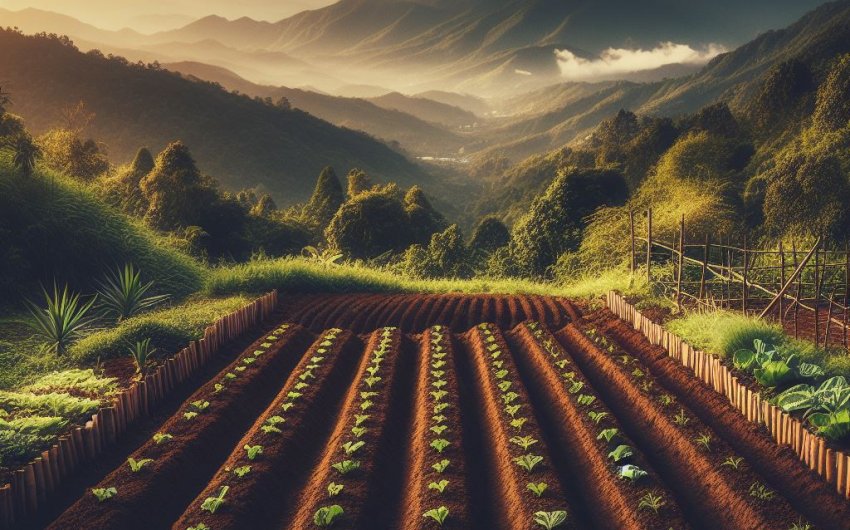
Dreaming of fresh, homegrown tomatoes and crisp lettuce, but wondering where to begin? Starting a vegetable garden from scratch might seem like a huge task, but it's an incredibly rewarding journey that's more accessible than you think! From preparing the soil to choosing your first seeds, this guide will break down the entire process, making building a vegetable garden easy and enjoyable. Get ready to transform a patch of your yard into a thriving source of delicious, nutritious produce.
What Are the First Steps Before You Dig In?
Before you even pick up a shovel, a little planning goes a long way when building a vegetable garden from scratch. These initial steps ensure you choose the best location and set yourself up for success.
Where Is the Best Spot for a Vegetable Garden?
Choosing the best spot for a vegetable garden is arguably the most crucial decision you'll make. Vegetables need specific conditions to thrive, and compromising on these can lead to disappointing harvests.
- Sunlight, Sunlight, Sunlight! This is paramount. Most vegetables, especially fruiting ones like tomatoes, peppers, squash, and corn, need at least 6-8 hours of direct sunlight per day. "Direct sunlight" means the sun's rays are hitting the plants without obstruction from trees, fences, or buildings.
- Observe your yard throughout the day, perhaps taking notes every hour or two, to see how the sun moves. Areas that get morning sun are often best, as it helps dry dew from leaves, reducing disease risk.
- If you don't have a spot with full sun, focus on leafy greens (like lettuce, spinach, kale) and root vegetables (radishes, carrots), which can tolerate slightly less sun (4-6 hours).
- Proximity to Water Source: You'll be watering your garden regularly, especially when plants are establishing or during dry spells. Choose a location that's convenient to a water spigot or a rain barrel. This saves you time and effort. A garden hose will be your friend.
- Good Drainage: Vegetable plants hate "wet feet." Their roots need air as well as water. Choose a spot where water doesn't pool after rain. If your soil is heavy clay and drains poorly, consider building a raised bed (more on this later).
- Accessibility: Make sure you can easily access all parts of your garden for planting, weeding, watering, and harvesting. Avoid narrow, hard-to-reach corners.
- Protection from Extremes:
- Wind: Strong winds can damage plants. A fence or building nearby can offer some protection.
- Pests: Consider if there are areas prone to animal pests (deer, rabbits) and how you might protect your garden. A garden fence kit might be a necessary early investment.
Don't rush this step. The right location will make all your gardening efforts more rewarding.
Should You Start with In-Ground Beds or Raised Beds?
Deciding between in-ground beds or raised beds is a fundamental choice when building a vegetable garden from scratch. Both have pros and cons, and the best choice depends on your soil, budget, and physical abilities.
- In-Ground Beds:
- Pros: Generally less expensive to start (no lumber or specific raised bed materials needed). Allows for natural drainage if your soil is good. Can be expanded easily over time.
- Cons: Requires more effort for initial soil preparation (digging, amending). Prone to soil compaction. Weeds can be more persistent. Less ideal if your native soil is poor, compacted, or has drainage issues.
- Best for: Gardeners with good existing soil, larger spaces, and a tighter budget.
- Raised Beds:
- Pros: Offers excellent drainage and aeration (you control the soil mix). Less weeding (fewer weed seeds blow in). Warms up faster in spring. Easier on your back (less bending). Can be very attractive. A great option if your native soil is poor. You can buy raised garden bed kits or build your own.
- Cons: Higher initial cost for materials (wood, stone, metal). Can dry out faster, requiring more frequent watering. Limited size by the bed's dimensions.
- Best for: Gardeners with poor soil, limited space (balconies, patios), those wanting less physical strain, or seeking a more tidy, aesthetic look.
Many gardeners use a mix of both, depending on the crops and available space. A good starter size for a raised bed is 4x8 feet, allowing easy access from all sides without stepping into the bed.
How Do You Prepare the Soil for Success?
Once you have your spot and decided on your bed type, the true foundation of your vegetable garden from scratch begins: preparing the soil for success. Healthy soil is the bedrock of healthy, productive plants.
Why Is Removing Weeds and Grass Crucial?
Removing weeds and grass is an absolutely crucial step when starting your vegetable garden. If you try to plant directly into a grassy or weedy area, your vegetables will face fierce competition for water, nutrients, and sunlight, leading to stunted growth and poor yields.
- Methods for Clearing the Area:
- Digging/Weeding: For smaller areas, physically dig out all grass and perennial weeds, ensuring you get as much of their root systems as possible. A sturdy garden fork or sharp hoe is essential.
- Sheet Mulching (No-Dig): This is a fantastic organic method that gradually smothers grass and weeds while simultaneously building healthy soil.
- Lay down a layer of cardboard (remove tape/labels) directly over the grass/weeds. Wet it thoroughly.
- Layer organic materials on top: compost, straw, leaves, shredded newspaper, grass clippings. Repeat layers until you have a thick bed (at least 6-12 inches deep).
- Let it sit for several months (or even over winter) to decompose. You can plant directly into it after a few weeks by making holes through the layers. You might want to buy a large bale of straw mulch for this.
- Solarization: In hot, sunny climates, cover the area with clear plastic sheeting for 4-6 weeks during the hottest part of summer. The sun's heat bakes the soil, killing weeds, seeds, and some pathogens.
Whichever method you choose, taking the time to thoroughly clear the area will save you countless hours of weeding later.
How Do You Improve Soil with Organic Matter?
Your native soil likely isn't perfect for growing vegetables right out of the box. Improving soil with organic matter is the single best thing you can do to create a fertile, well-draining environment for your plants.
- Why Organic Matter? Organic matter (like compost, decomposed leaves, aged manure) is the lifeblood of healthy soil. It:
- Improves Drainage: Helps heavy clay soils become less compacted and drain better.
- Increases Water Retention: Helps sandy soils hold onto moisture.
- Adds Nutrients: Provides a slow, steady release of essential nutrients for plants.
- Feeds Microorganisms: Encourages beneficial soil microbes that are crucial for plant health.
- How Much to Add: Spread at least 2-4 inches of good quality compost or other organic materials over your cleared garden bed.
- Incorporation:
- For in-ground beds: Gently work the organic matter into the top 6-12 inches of your existing soil using a garden fork or broadfork. Avoid tilling excessively, as it can disrupt soil structure.
- For raised beds: Fill your raised bed with a mixture of high-quality raised bed soil mix and a good portion of compost (e.g., 50-75% raised bed mix, 25-50% compost).
A well-amended soil will set your garden up for incredible growth and productivity right from the start.
What Are Smart Choices for Your First Planting Season?
Once your beds are ready, it's time for the exciting part: choosing what to grow! For your first planting season when building a vegetable garden from scratch, it's smart to focus on easy-to-grow, productive, and highly rewarding vegetables.
Which Vegetables Are Easiest for Beginners?
To ensure early success and build your confidence, start with vegetables that are easiest for beginners. These plants are generally forgiving, produce reliably, and don't require overly specialized care.
- Lettuce and Salad Greens: Many varieties are "cut-and-come-again," meaning you can harvest outer leaves repeatedly. They grow quickly and are perfect for containers or small spaces. Look for salad mix seeds.
- Radishes: Go from seed to harvest in as little as 3-4 weeks! Great for instant gratification.
- Bush Beans: Don't need staking, produce quickly, and are very prolific.
- Zucchini/Summer Squash: Incredibly productive, often yielding more than you can eat! Just one or two plants are usually enough for a family.
- Cucumbers: Many varieties, some vining (need support like a trellis), some bushy. Produce well with consistent watering.
- Cherry Tomatoes: Easier to grow and more forgiving than large slicing tomatoes. Many varieties do well in containers.
- Peas (Snap or Snow): Delicious fresh from the vine, relatively easy, and don't take up too much space.
- Carrots: Fun to pull from the ground, just ensure your soil is loose and free of rocks for straight roots.
- Herbs: Basil, parsley, chives, mint (in a pot!), oregano, and thyme are all very easy to grow and constantly used in cooking. A starter herb garden kit can be a great jumpstart.
Should You Start from Seeds or Seedlings?
Deciding whether to start from seeds or seedlings (also called "starts" or "transplants") depends on your patience, budget, and the specific vegetable.
- Starting from Seeds:
- Pros: Much cheaper (a packet of seeds can produce dozens of plants). Offers a wider variety of unique cultivars. Sense of accomplishment watching them grow from tiny specks.
- Cons: Requires more time and effort (indoor seed starting setup: grow lights, heat mats). Some seeds are finicky. Requires careful attention to light, water, and temperature.
- Best for: Radishes, carrots, beans, peas, lettuce, spinach, zucchini (can be direct sown outdoors).
- Starting from Seedlings/Transplants:
- Pros: Instant gratification (you get a ready-to-plant baby plant). Bypasses the tricky germination and early growth stages. Great for plants that have long growing seasons or are difficult to start from seed indoors (like tomatoes, peppers, eggplant).
- Cons: More expensive per plant. Limited variety (nurseries typically stock popular types).
- Best for: Tomatoes, peppers, eggplant, broccoli, cabbage, sweet potatoes.
For your very first garden, a mix is often ideal. Direct sow easy seeds outdoors, and buy seedlings for your favorite tomatoes or peppers.
What Are Essential Daily and Weekly Care for a Thriving Garden?
Once your plants are in the ground, the daily and weekly routines of essential care are what transform your vegetable garden from scratch into a truly thriving, productive space. Consistency is key!
How Often Should You Water Your New Garden?
How often you should water your new garden depends on many factors (plant type, soil, weather), but consistency is most important, especially for young plants and developing fruits.
- Initial Watering: Water immediately after planting to settle the soil around roots.
- Young Plants: Keep the soil consistently moist (but not soggy) for newly planted seeds and seedlings to encourage strong root development. You might need to water daily or every other day, depending on the heat.
- Established Plants: Aim for deep and infrequent watering. Instead of light daily sprinkles, water thoroughly until the water penetrates deep into the root zone. This encourages roots to grow downwards, making plants more drought-tolerant.
- Check the soil moisture by sticking your finger 2-3 inches deep. If it feels dry, it's time to water.
- Many vegetables need 1-1.5 inches of water per week, either from rain or irrigation. A rain gauge can help you track this.
- Best Time to Water: Early morning is ideal. This minimizes evaporation and allows foliage to dry before nightfall, reducing disease risk.
- Watering Methods: Use a soaker hose or drip irrigation system to deliver water directly to the plant's roots, keeping leaves dry.
Why Is Weeding Regularly Important?
Weeding regularly is paramount for a productive vegetable garden. Weeds compete with your vegetables for essential resources.
- Competition: Weeds steal water, nutrients, and sunlight from your desired plants. Even a few weeds can significantly reduce your harvest.
- Pest and Disease Hosts: Some weeds can harbor pests or act as hosts for diseases that can then spread to your vegetables.
- Easier When Small: It's much easier to pull small weeds than large, established ones. Make weeding a regular, perhaps daily or every-other-day, quick task.
- Tools: A hand weeder or a hula hoe makes the job easier.
- Mulch as a Weed Suppressor: Applying a 2-4 inch layer of organic mulch (like straw, shredded leaves, or wood chips) around your plants is one of the best ways to suppress weeds. It also retains moisture and moderates soil temperature.
Stay on top of weeds, and your vegetables will thank you with vigorous growth and a bountiful harvest.
When and How Should You Fertilize Your Vegetables?
Fertilizing your vegetables provides the extra nutrients they need, especially as they grow and produce fruit. However, soil quality (from your initial preparation) is the most important factor, and you can over-fertilize.
- Soil Test First: If you didn't do one before planting, it's a good idea to do one to know what nutrients your soil already has.
- Initial Nutrients: If you amended your soil generously with compost, your plants might not need additional fertilizer for the first month or two.
- Timing:
- Side-Dressing: For heavy feeders like tomatoes, corn, peppers, and squash, "side-dress" them with compost or a balanced organic granular fertilizer when they begin flowering or setting fruit. This means applying the fertilizer around the base of the plant, but not touching the stem.
- Liquid Feed: For a quick boost or for container plants, use a diluted liquid vegetable fertilizer every 2-4 weeks.
- Follow Directions: Always read and follow the instructions on fertilizer packaging carefully. More is not better, and too much can burn plants.
- Organic Options: Many gardeners prefer organic fertilizers (compost tea, fish emulsion, bone meal, blood meal) for a slower, more natural release of nutrients.
By providing balanced nutrition, you'll empower your vegetables to produce bigger, healthier, and more delicious yields.
What Are Common Challenges and How to Overcome Them?
Even the most well-planned vegetable garden built from scratch can face common challenges. Knowing how to overcome them is part of the gardening journey and key to successful harvests.
How Do You Protect Against Pests and Diseases?
Protecting against pests and diseases is a continuous battle in the garden, but proactive measures and early intervention can save your crops.
- Pest Identification: Learn to identify common garden pests in your area (aphids, slugs, cabbage worms, tomato hornworms). Early detection is crucial. A garden pest identification guide can be invaluable.
- Hand-Picking: For larger pests like tomato hornworms or slugs, hand-picking them off the plants is often very effective.
- Organic Sprays: For smaller insects, use organic insecticidal soap or neem oil spray. These are generally safe for edibles when used as directed.
- Beneficial Insects: Encourage "good bugs" like ladybugs (which eat aphids) by planting pollinator-friendly flowers.
- Disease Prevention:
- Crop Rotation: Don't plant the same crop (or family) in the same spot year after year to break disease cycles.
- Good Air Circulation: Space plants correctly and prune selectively to improve airflow, which deters fungal diseases.
- Water at Base: Avoid overhead watering to keep foliage dry.
- Remove Diseased Parts: Promptly remove and destroy any diseased leaves or plants. Do not compost them.
- Resistant Varieties: Choose vegetable varieties that are known to be resistant to common diseases in your area.
What Should You Do About Underperforming Plants?
Sometimes, despite your best efforts, you might have underperforming plants. It's important to assess the situation and adjust.
- Review the Basics: Double-check sunlight, water, and nutrient levels. Are they getting what they need?
- Pest/Disease Check: Re-inspect for subtle signs of pests or diseases.
- Location Issues: Is the plant getting too much wind, too much heat reflection from a wall, or simply not happy in its spot?
- Patience: Some plants just take time to establish. Don't pull them too early unless they are clearly dying or diseased.
- Accept Imperfection: Not every plant will be perfect, and that's okay! Learn from what didn't work and adjust for next season.
Gardening is a journey of continuous learning. Each challenge overcome makes you a better gardener, leading to even more rewarding harvests from your vegetable garden built from scratch.