
Unleash the Full Potential: How to Extend Your Vegetable Gardening Season!
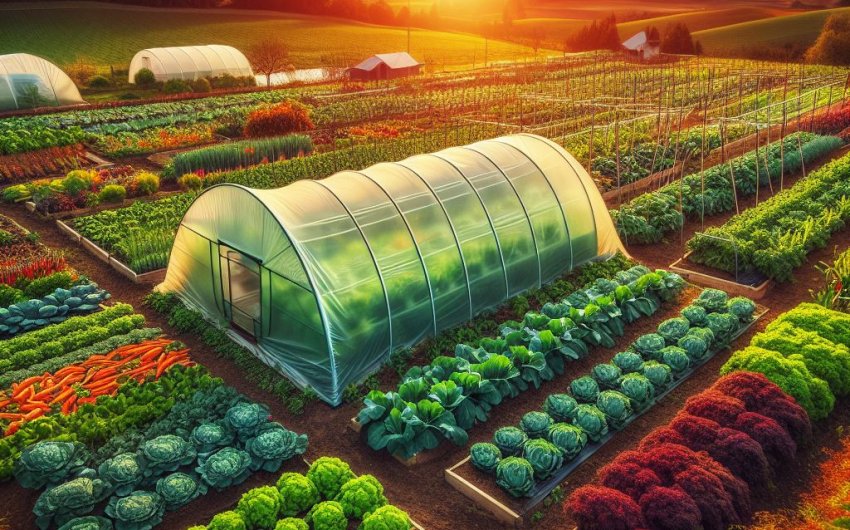
For many gardeners, the arrival of frost signals the end of the vegetable gardening season. The vibrant greens begin to fade, the tomatoes stop ripening, and the promise of fresh, homegrown produce seems to disappear with the chill in the air. Yet, this doesn't have to be the case! While nature undeniably dictates a growing season, smart strategies and a few clever tools can dramatically extend your vegetable gardening season, allowing you to harvest fresh greens well into winter and get a head start on spring.
Imagine picking crisp lettuce in November, or enjoying freshly dug carrots in February, all from your own garden. This isn't just a dream; it's a very achievable reality with the right techniques. Extending the season is about manipulating the environment just enough to protect plants from extreme temperatures, whether it's shielding them from a late spring frost or insulating them from bitter winter cold. It's a way to truly unleash the full potential of your garden space and maximize your homegrown bounty.
This comprehensive guide will explore a variety of methods and tools that empower you to defy traditional gardening timelines. We'll delve into everything from choosing the right plant varieties and smart planting schedules to utilizing simple protective structures that create mini-greenhouses. By learning how to stretch your harvest window, you'll not only enjoy fresh vegetables for more months of the year but also deepen your connection to the rhythms of your garden, making every season a rewarding time for growing.
Why Should I Try to Extend My Vegetable Gardening Season?
Extending your vegetable gardening season means you get to enjoy fresh, homegrown food for much longer than just the warm months. It's not just a fun challenge; it has many real benefits.
1. More Fresh, Homegrown Food
This is the biggest reason!
- Longer Harvests: Instead of only having fresh tomatoes for a few weeks in summer, you can enjoy cool-season crops like spinach, lettuce, and kale well into fall and even winter. Some root crops can even stay in the ground.
- Reduced Grocery Bills: The more food you grow at home, the less you need to buy from the store. This can save you a surprising amount of money, especially on fresh produce.
- Better Flavor: There's nothing quite like the taste of a vegetable picked moments before it's eaten. Extending the season means more of that amazing fresh flavor.
2. Beat the Heat and Cold
Some vegetables actually prefer cooler weather.
- Spring Start: Getting a head start in spring means you can harvest crops like peas and radishes before the summer heat makes them bolt (go to seed and become bitter).
- Fall Rebirth: Many leafy greens and root vegetables taste sweeter after a light frost. Extending the fall season lets you take advantage of this "sweetness" and avoid the intense summer heat that some plants dislike.
3. Maximize Your Garden Space
- Continuous Production: Instead of having empty garden beds for half the year, you can keep them productive. This means you're getting more out of the space you have.
- Multiple Plantings: You can plant succession crops (planting new seeds every few weeks) for a longer harvest, or swap out warm-season crops for cool-season ones as the weather changes.
4. Improve Soil Health
Keeping your garden beds actively growing for more months means living roots are in the soil longer.
- Soil Life: This feeds the beneficial microbes and worms in your soil, improving its structure and fertility naturally.
- Weed Suppression: A living cover of vegetables helps suppress weeds compared to bare soil.
5. Educational and Rewarding
- Learn More: You'll learn a lot about how plants respond to different temperatures and how to protect them. It deepens your gardening knowledge.
- Greater Satisfaction: Pulling a fresh carrot from under a layer of straw in winter is an incredibly satisfying experience that shows you've truly mastered your garden.
Extending your vegetable gardening season is about making your garden more productive, more resilient, and more rewarding, turning it into a source of fresh food and joy for more months of the year.
What Are Smart Planting Strategies for a Longer Season?
Extending your vegetable gardening season starts even before you put seeds in the ground. Smart planning about what to plant and when can make a big difference.
1. Choose the Right Varieties
Not all vegetables are created equal when it comes to handling cold or heat.
- Cold-Hardy Vegetables: These are your superstars for extending the season into fall and winter, and for early spring planting. Look for varieties known to tolerate light frosts and even some freezing temperatures.
- Leafy Greens: Spinach, kale, collard greens, Swiss chard, lettuce (especially Romaine or butterhead types), arugula, mizuna, mustard greens.
- Root Vegetables: Carrots, beets, radishes, turnips.
- Brassicas: Broccoli, cabbage, Brussels sprouts (these often sweeten after a frost).
- Others: Peas (for early spring/late fall), cilantro, parsley.
- Heat-Tolerant Varieties: For summer, look for specific varieties of lettuce or spinach that are labeled "slow-bolting" or "heat-tolerant" to extend their harvest through the warmer months.
- Days to Maturity: Pay close attention to the "days to maturity" listed on seed packets. For fall planting, you need varieties that will mature before hard freezes set in, but still be able to withstand cooler temperatures as they grow. For spring, faster-maturing varieties help you harvest sooner.
2. Succession Planting
This is the key to continuous harvests.
- Staggered Planting: Instead of planting all your lettuce seeds at once, plant a small batch every 2-3 weeks.
- Continuous Harvest: As one batch finishes, the next one is ready, giving you a steady supply of fresh vegetables throughout the season.
- Best for: Fast-growing crops like lettuce, spinach, radishes, bush beans, cilantro, and basil.
3. Early Spring Planting
- Start Seeds Indoors: For warm-season crops like tomatoes, peppers, and eggplants, start seeds indoors 6-8 weeks before your last expected frost date. This gives them a head start so they produce earlier once transplanted outside. Use a seed starting kit with grow lights for best results.
- Direct Sow Cold-Hardy Crops: As soon as the soil can be worked in early spring (even if there's still a chance of light frost), you can directly sow cold-tolerant seeds like spinach, lettuce, peas, radishes, and carrots.
4. Late Summer / Fall Planting
- Second Plantings: Once your spring crops are harvested, you can plant a second round of cool-season vegetables in late summer for a fall harvest.
- Timing is Crucial: Work backwards from your first expected frost date. Find the "days to maturity" for the crop, add 2-4 weeks (because growth is slower in decreasing daylight), and that's your planting window. For example, if lettuce takes 45 days, and your first frost is November 1st, aim to plant by mid-September.
- Replenish Soil: After summer crops, add fresh compost to your beds to feed the soil for your fall plantings.
By combining smart variety choices with strategic planting schedules, you can significantly extend your vegetable gardening season and enjoy a longer bounty from your backyard.
What Simple Structures Can Help Extend My Season?
Beyond just choosing the right plants and planting times, simple physical structures can create a mini-greenhouse effect, protecting your plants from cold and stretching your vegetable gardening season.
1. Row Covers (Floating Row Covers)
- What they are: Lightweight, sheer fabrics that you can drape directly over plants or support with hoops. They let sunlight and water through but trap heat and block cold.
- How they extend the season:
- Early Spring: Protect seedlings from late frosts, cold winds, and some pests.
- Late Fall/Winter: Offer several degrees of frost protection, allowing cool-season crops to grow longer.
- How to use them:
- Drape Directly: For light protection, you can lay them directly over delicate crops.
- Use Hoops: For better airflow and to prevent the fabric from touching the plant leaves (which can transfer cold or moisture), use metal or PVC hoops to create a tunnel. A garden hoop tunnel kit is easy to set up.
- Secure Edges: Anchor the edges with soil, rocks, or fabric staples (like landscape fabric staples) to trap heat and keep pests out.
- Ventilation: On warm, sunny days, lift the sides of the row cover or remove it completely to prevent overheating.
- Look for: Various weights are available. Lighter weights (0.5 oz/sq yd) offer light frost protection, heavier weights (1.5 oz/sq yd) provide more warmth.
2. Cold Frames
- What they are: Bottomless boxes with a clear, sloped top (often glass or polycarbonate) that acts like a miniature greenhouse. They sit directly on a garden bed.
- How they extend the season:
- Early Spring: Harden off seedlings (acclimate them to outdoor conditions) before planting. Protect early spring crops.
- Late Fall/Winter: Provide significant warmth and protection, allowing you to grow cold-hardy greens (lettuce, spinach, kale) through mild winters or keep them alive in colder ones.
- How to use them:
- Orientation: Position with the sloped lid facing south for maximum sun exposure.
- Ventilation: Crucial! On sunny days, lift the lid partially or fully to release excess heat and prevent cooking your plants. Close it up in the late afternoon.
- Insulation: For very cold nights, you can place old blankets, straw bales, or foam insulation around the outside of the cold frame.
- Look for: You can buy pre-made wooden cold frames or build your own with old windows or polycarbonate sheets.
3. Cloches
- What they are: Small, bell-shaped or dome-shaped covers, usually made of plastic or glass, that protect individual plants.
- How they extend the season: Offer individual plant protection from light frosts, cold winds, and early pests.
- How to use them: Place directly over young seedlings or small plants. Lift or remove on warm days to prevent overheating.
- Look for: Individual plastic garden cloches.
4. Greenhouses (More Advanced)
- What they are: Larger structures that allow for more controlled growing environments.
- How they extend the season: Can enable year-round gardening, depending on heating.
- Considerations: This is a bigger investment and requires more maintenance, but offers the most control. A small mini greenhouse kit can be a good starter.
These simple structures are incredibly effective tools for manipulating your garden's microclimate, allowing you to unleash the full potential of your vegetable gardening season and harvest fresh produce for many more months.
How Can I Use Mulch and Water to Protect Plants?
Beyond physical structures, everyday gardening practices like mulching and smart watering can play a huge role in extending your vegetable gardening season by insulating roots and protecting against temperature extremes.
1. The Magic of Mulch
Mulch is any material applied to the surface of the soil. It's a gardener's best friend for many reasons, including season extension.
- Insulation:
- Warmth in Winter: A thick layer (4-6 inches) of organic mulch (like straw, shredded leaves, or wood chips) acts like a blanket, insulating the soil. This keeps the soil around plant roots warmer, preventing deep freezing and allowing cool-season crops to survive colder temperatures. This is often called winter mulching.
- Coolness in Summer: In hot weather, mulch helps keep the soil cooler, which is vital for crops that don't like intense heat. This also reduces stress.
- Moisture Retention: Mulch significantly reduces water evaporation from the soil. This means you water less frequently, which is great during dry spells in extended seasons.
- Weed Suppression: Mulch smothers weeds, reducing competition for water and nutrients, and making weeding easier.
- Soil Health: As organic mulches break down, they add valuable organic matter to the soil, improving its structure and fertility.
- How to use it: Apply a generous layer around established plants. For winter protection, ensure the layer is deep and covers the root zone well. A large bale of garden straw mulch is an economical option.
2. Smart Watering Techniques
Water is not just for hydrating plants; it can also be a tool for temperature regulation.
- Pre-Frost Watering:
- Why: Water holds heat better than dry soil. If a frost or freeze is expected, thoroughly water your garden beds the day before. The moist soil will absorb more heat from the sun during the day and release that warmth slowly throughout the night, raising the temperature around the plants by a few degrees.
- How: Water deeply in the late afternoon/early evening before the cold front arrives. Avoid overhead watering which can freeze on leaves.
- Even Moisture for Growth: Consistent watering is always important, but especially so when trying to push the boundaries of the growing season. Plants growing in cooler or warmer extremes are already stressed; consistent soil moisture helps them cope.
- Avoid Overwatering in Cold: While watering before a frost is good, avoid constantly soggy soil, especially in cold weather, as this can lead to root rot and fungal diseases. Let the top few inches of soil dry out between waterings.
- Warm Water for Seedlings: When starting seeds indoors or watering very young seedlings in early spring, use lukewarm water instead of cold tap water. This prevents "shocking" the delicate roots and encourages better germination and growth.
By smartly utilizing mulch for insulation and strategic watering for temperature regulation, you can provide vital protection for your plants, allowing them to extend their productive life and enabling you to unleash the full potential of your vegetable gardening season.
What Are Other Advanced Tips for Extending the Season?
Once you've mastered the basics of seasonal vegetable gardening, you can explore some more advanced techniques and tools to push the boundaries even further and truly unleash the full potential of your garden.
1. Heated Propagators and Seedling Mats
- For Extreme Early Starts: For very cold climates, if you want to start seeds super early indoors (even earlier than your usual 6-8 weeks before last frost), a heated propagator or seedling heat mat can provide the consistent warmth needed for germination.
- How they work: These mats provide gentle bottom heat, which greatly speeds up germination for many seeds, allowing you to get a jump start on your growing season.
- Example: An electric seedling heat mat for your indoor seed starting setup.
2. Season Extenders for Specific Crops
- Water Walls / "Wall o' Waters": These are individual plant protectors made of connected tubes that you fill with water. They absorb solar heat during the day and release it at night, providing excellent frost protection for individual plants (especially tomatoes and peppers) in early spring.
- How they work: They can allow you to plant heat-loving crops weeks before your last frost date, getting you super early harvests.
- Example: A Wall o' Water plant protector.
3. Raised Beds with Covers
- Warmer Soil: Raised garden beds naturally warm up faster in spring and drain better than in-ground beds.
- Easy Covering: They are also much easier to fit with custom covers like hoops and row covers, or even simple cold frame lids. You can easily create a mini-greenhouse over your raised bed.
- Materials: You can build a raised bed from wood, metal, or composite materials. A popular choice is a galvanized steel raised garden bed kit.
4. Soil Warming Cables
- Underground Heat: For dedicated early season beds or cold frames, you can install soil warming cables beneath the soil. These gently heat the soil from below, promoting early root growth and germination.
- How they work: They allow you to plant seeds or transplant seedlings much earlier than otherwise possible.
- Considerations: Requires electrical hookup and careful installation.
5. Hoop Houses / Tunnels
- Larger Scale Row Covers: Essentially larger versions of row covers, using taller, sturdier hoops to create walk-in (or stoop-in) tunnels.
- More Space: Allows for growing larger quantities of cool-season crops or protecting tender crops for longer.
- Better Climate Control: Easier to ventilate than smaller row covers.
6. Hotbeds
- Traditional Method: An old-fashioned method where a cold frame is built over a layer of fresh manure or other decaying organic matter. The decomposition of the manure generates heat, warming the soil.
- Benefits: Provides natural, consistent heat for early season growth without electricity.
- Considerations: Requires a good supply of fresh manure and careful management to ensure proper decomposition.
By combining these advanced techniques with your foundational season extension strategies, you can truly transform your vegetable garden into a year-round source of fresh produce, no matter your climate. It's about pushing the boundaries and discovering the full potential of your gardening passion.