
Embrace the Chill: Your Guide to Winter Vegetable Gardening Success!
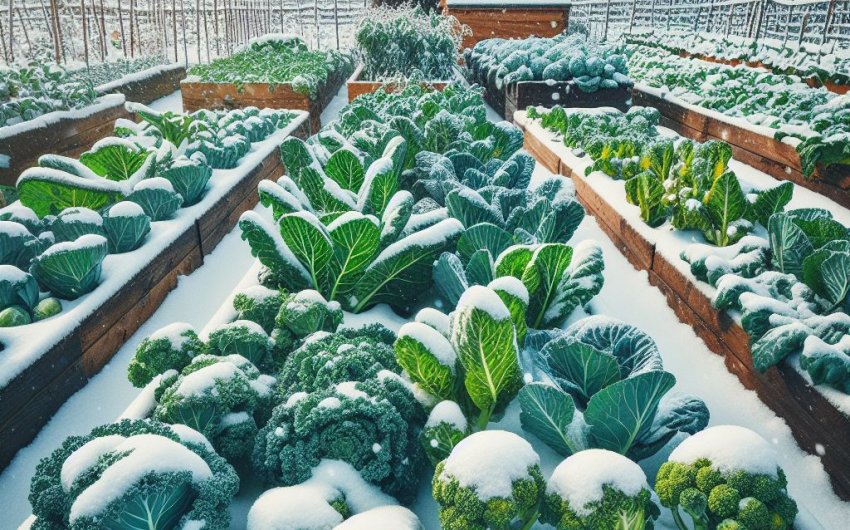
As the vibrant colors of summer gardens begin to fade, many gardeners traditionally pack away their tools, letting their plots rest under a blanket of winter's chill. However, for those who yearn for fresh, homegrown produce year-round, the colder months don't have to signal the end of the harvest. In fact, winter vegetable gardening offers a unique opportunity to extend the growing season, providing delicious, often sweeter, vegetables when store shelves are less exciting. This isn't about defying nature but rather about understanding and embracing the subtle strengths of the cooler seasons. With a bit of planning, strategic plant choices, and some clever protective measures, you can transform your garden into a continuous source of fresh greens, roots, and brassicas, even when frost nips at the air. This guide will walk you through everything you need to know to successfully cultivate a thriving vegetable patch through autumn and into the depths of winter, ensuring a continuous supply of nutritious bounty.
Why Should I Consider Winter Vegetable Gardening?
For many, gardening is synonymous with spring and summer. But venturing into winter vegetable gardening opens up a new realm of possibilities and offers significant rewards that go beyond just fresh produce. It's a shift in mindset that can transform your relationship with your garden and your food supply.
What are the main benefits of extending my growing season?
Beyond simply having food, winter vegetable gardening provides a host of practical and enjoyable advantages.
- Year-Round Fresh Produce: This is the most obvious benefit. Imagine harvesting crisp lettuce, sweet carrots, or hearty kale when snow is on the ground. It means a continuous supply of nutritious, homegrown vegetables, reducing your reliance on grocery stores and imported produce.
- Enhanced Flavor: Many winter vegetables, especially leafy greens and root crops, develop a sweeter, more nuanced flavor after being exposed to light frosts. This is because the cold triggers the plant to convert starches into sugars, acting as a natural antifreeze. Kale, spinach, and carrots harvested from a winter garden often taste remarkably better than their summer counterparts.
- Cost Savings: Growing your own food, even in winter, can significantly reduce your grocery bill. Winter vegetables can be expensive at the store, so having a steady supply from your own garden offers real financial benefits.
- Reduced Pest Pressure: Many common garden pests (like aphids, cabbage worms, and squash bugs) are less active or entirely dormant in colder temperatures. This means less pest management for you, allowing your plants to grow healthier with fewer interruptions.
- Fewer Weeds: Weed growth also slows considerably in colder weather, meaning less time spent on weeding tasks and more energy for enjoying your harvest.
- Soil Health Improvement: Keeping your garden beds active, even with hardy crops, can benefit soil health. Living roots help maintain beneficial microbial activity, prevent erosion, and can add organic matter when spent crops are incorporated back into the soil.
- Mental Well-being: Gardening, regardless of the season, is a proven stress reliever. Having a green space to tend to and fresh produce to harvest during the often bleak winter months can be a huge boost to your mood and provide a sense of accomplishment and connection to nature.
- Continuous Learning: It offers a new challenge and a chance to expand your gardening skills, learning about different plants and season extension techniques.
What are the challenges of winter gardening?
While the benefits are plentiful, it's also important to be realistic about the unique challenges of winter vegetable gardening.
- Reduced Light: Shorter days and lower sun angles mean significantly less light available for plant growth. This slows down everything.
- Cold Temperatures: Frost, freezing temperatures, and even hard freezes can damage or kill tender plants. Protecting plants from extreme cold is essential.
- Moisture Management: While less frequent, watering in winter can be tricky. Too much water in cold soil can lead to root rot, while too little can lead to dehydration, especially during dry, windy periods.
- Slower Growth: Because of reduced light and colder temperatures, plants grow much more slowly in winter. You need to sow seeds much earlier than you would for a summer harvest, anticipating this slower growth.
- Patience Required: Winter gardening demands patience. You won't see the rapid growth of summer. It's more about "holding" plants through the cold and harvesting as needed.
- Equipment Needs: Depending on your climate zone, you might need to invest in season extension tools like cold frames, row covers, or even a small hoop house.
By understanding both the rewards and the challenges, you can approach winter vegetable gardening with realistic expectations and the right strategies for success, transforming your off-season into a productive and fulfilling part of your gardening year.
When Should I Plant for Winter Harvests? (Timing is Everything!)
Successful winter vegetable gardening hinges almost entirely on timing. Unlike summer crops where you plant after the last frost, winter crops need to be well-established before the really cold weather hits and daylight hours dwindle. This is often the trickiest part for new winter gardeners.
Understanding "Days to Maturity" and "Days to Harvest" in Winter
In summer, a plant's "days to maturity" (DTM) or "days to harvest" refers to the time from planting until harvest under ideal conditions. In winter, this changes.
- Slower Growth: Because of reduced daylight and colder temperatures, plant growth slows significantly, or even stops, during the coldest months. This means the actual time from sowing to harvest can be much longer than the packet suggests.
- Target Establishment Before Winter Solstice: The key is to have your plants reach a good, near-harvestable size before the winter solstice (around December 21st in the Northern Hemisphere). After this point, the days get shorter, and growth almost halts. Plants essentially go into "holding pattern." They won't grow much larger, but they will maintain their size and can be harvested.
Calculate Your Planting Dates Backwards
To figure out your planting dates, you need to work backward from your expected first hard frost and the winter solstice.
- First Hard Frost Date: This is crucial. A hard frost (temperatures consistently below 28°F or -2°C) can kill many plants not adequately protected. Know your average first hard frost date for your USDA Hardiness Zone.
- Days to Maturity (Adjusted): Take the "days to maturity" (DTM) from the seed packet for your chosen winter vegetables.
- Add a "Winter Factor":
- For early winter harvests (late fall to early winter): Add an extra 2-4 weeks to the DTM.
- For mid-winter harvests (deep winter): You need plants to be near full size before growth stops. This often means adding 4-8 weeks (or more) to the DTM, as plants will simply "hold" their size in the cold.
General Timing Guidelines for Common Winter Vegetables:
These are general guidelines; always adjust for your specific climate and plant variety.
1. Root Vegetables:
- Carrots, Beets, Radishes, Turnips:
- Planting Window: Late summer to early fall (typically 8-10 weeks before your average first hard frost). This allows them to size up before the intense cold.
- Harvest: Can be left in the ground and harvested as needed throughout winter in milder climates (with good mulch protection) or before the ground freezes solid in colder zones.
2. Leafy Greens:
- Spinach, Arugula, Lettuce (hardy varieties like 'Rouge d'Hiver' or 'Winter Density'), Mache, Claytonia:
- Planting Window: Late summer to early fall (typically 6-8 weeks before your average first hard frost). You want them to form a good rosette of leaves.
- Harvest: Cut-and-come-again harvesting throughout the fall and into winter. Provide protection (cold frame, row cover) to extend harvest further into deep winter.
- Kale, Collards, Swiss Chard:
- Planting Window: Mid to late summer (8-12 weeks before your average first hard frost). These need more time to establish large, sturdy plants.
- Harvest: Can tolerate significant frost and often taste sweeter after a chill. Harvest outer leaves throughout fall and winter.
3. Brassicas (Cabbage Family):
- Broccoli, Cabbage, Brussels Sprouts (winter-hardy varieties):
- Planting Window: Early to mid-summer (12-16 weeks before your average first hard frost). These require a long growing season.
- Harvest: Late fall into winter. Brussels sprouts especially sweeten after a frost.
4. Alliums (Onion Family):
- Garlic:
- Planting Window: Fall (after the first light frost but before the ground freezes solid).
- Harvest: The following summer. (Not a true winter harvest, but planted for winter.)
- Winter Onions/Bunching Onions:
- Planting Window: Late summer to early fall.
- Harvest: Can often be harvested throughout winter for their green tops.
Importance of Succession Planting
Even in winter gardening, succession planting is beneficial.
- Staggered Harvests: Make small sowings of leafy greens every 2-3 weeks in late summer and early fall. This ensures a continuous supply rather than a glut of one crop all at once.
- Dealing with Unpredictability: If an early cold snap damages one planting, you'll have younger plants coming up behind them.
Key takeaway for timing: For most winter vegetables, aim to get your plants established and reasonably sized by the time the days get truly short and cold (around the winter solstice). They will then "hold" their growth and can be harvested as needed. This often means sowing seeds much earlier than feels intuitive for a "winter" garden.
Which Vegetables Thrive in Winter Conditions? (Cold-Hardy Stars)
Choosing the right plants is fundamental to winter vegetable gardening success. Not all vegetables can withstand cold temperatures and reduced light. The stars of the winter garden are those that are naturally cold-hardy and can either continue to grow slowly in chillier weather or hold their growth for harvesting during dormancy.
Leafy Greens
These are typically the most popular and productive winter crops. Many become sweeter after a frost.
- Kale: (e.g., 'Winterbor', 'Lacinato'/'Dinosaur', 'Red Russian'). Extremely cold-hardy. You can harvest outer leaves continuously. The flavor improves significantly after a hard frost. A packet of Lacinato Kale Seeds is a good start.
- Spinach: (e.g., 'Tyee', 'Bloomsdale Long Standing'). Very cold-tolerant and productive for cut-and-come-again harvests. It often overwinters well in milder zones.
- Mache (Corn Salad): Very small, delicate leaves with a nutty flavor. One of the most cold-hardy greens, tolerating temperatures down to 0°F (-18°C) with protection.
- Claytonia (Miner's Lettuce): Another super cold-hardy native plant that grows well in shade and tolerates freezing. Its small, round leaves are delicious.
- Arugula: (e.g., 'Sylvetta'). Can become more pungent in summer heat but sweetens with cool weather. Tolerates light frost well.
- Lettuce (Winter Hardy Varieties): Not all lettuce is winter-friendly. Look for varieties specifically labeled as cold-hardy or winter lettuce, such as 'Rouge d'Hiver', 'Winter Density', or 'Arctic King'.
- Swiss Chard: (e.g., 'Bright Lights', 'Rhubarb'). Very beautiful and robust, tolerating light freezes and continuing to produce into winter in many zones.
Root Vegetables
These are often planted in late summer/early fall to size up, and then can be left in the ground to "store" through winter.
- Carrots: (e.g., 'Danvers Half Long', 'Napoli'). Their sweetness increases dramatically after a few frosts. In mild climates, they can be harvested from the ground all winter. In colder zones, harvest before the ground freezes solid. Try Danvers 126 Carrot Seeds.
- Beets: (e.g., 'Detroit Dark Red'). Both the roots and the greens are cold-hardy. Harvest roots before a deep freeze.
- Radishes: (e.g., 'French Breakfast', 'Cherry Belle'). Quick-growing, so succession plant. Some varieties can tolerate light frosts. Winter radishes (larger, slower-growing types) are also an option.
- Turnips: Both the roots and the greens are edible and quite cold-tolerant.
Brassicas (Cabbage Family)
These plants are known for their ability to withstand significant cold, especially when mature.
- Cabbage: (e.g., 'Winter King', 'Late Flat Dutch'). Plant early for large heads. Many varieties are surprisingly cold-tolerant.
- Brussels Sprouts: Absolutely excellent for winter. Their flavor sweetens significantly after exposure to frost. Harvest from the bottom up as outer leaves yellow.
- Broccoli (Overwintering Varieties): Some varieties like 'Waltham 29' or specific sprouting broccolis are bred to overwinter and produce shoots in early spring. These are planted in fall and survive the winter.
- Collards: Similar to kale in hardiness and continuous harvest.
Alliums (Onion Family)
While often planted for winter, some can be harvested during winter.
- Garlic: Planted in the fall (late autumn) to establish roots before the ground freezes, then harvested the following summer. Essential for many cold-climate gardeners.
- Bunching Onions/Scallions (Winter Hardy Types): Some varieties will survive winter and provide green tops for harvesting.
Other Niche Winter Crops
- Spinach Mustard (Komatsuna): A very hardy Asian green that tolerates cold.
- Tatsoi: A type of Asian mustard green that forms compact rosettes, very cold-tolerant, especially with protection.
- Fava Beans: In milder climates (Zone 6+), fava beans can be planted in fall for an early spring harvest.
- Sorrel: A perennial herb whose leaves offer a tangy, lemony flavor. It's very cold-hardy and can often be harvested under snow.
When selecting seeds or starts, always look for varieties specifically labeled as cold-hardy, winter-hardy, or suitable for fall/winter planting. This extra diligence in choosing the right plants sets you up for much greater success in your winter vegetable gardening endeavors.
What Season Extension Techniques Do I Need?
While some plants are inherently cold-hardy, most will still benefit from, or require, some form of season extension to thrive and provide a prolonged harvest through the colder months. These techniques provide warmth, block harsh winds, and protect from heavy snow, allowing you to defy the winter chill.
1. Mulch (Basic Protection)
Mulch is the simplest and often first line of defense in winter vegetable gardening.
- How it helps: A thick layer of organic mulch insulates the soil, keeping it warmer and preventing it from freezing as deeply or as quickly. This is crucial for root vegetables (allowing you to harvest them even when the ground is frozen around them) and for overwintering perennials or biennials. It also conserves soil moisture and suppresses winter weeds.
- Application: Apply a 4-8 inch (10-20 cm) layer of straw, shredded leaves, or wood chips around your plants in late fall, before the ground freezes solid.
- Benefits: Inexpensive, easy to apply, and naturally improves soil health as it decomposes.
- Recommended for: All winter crops, especially carrots, beets, garlic, and overwintering greens like kale and spinach. A bale of Organic Straw Mulch is a good investment.
2. Row Covers (Light Protection)
Row covers offer a flexible and effective way to provide immediate protection from frost and cold.
- How it helps: They are lightweight fabrics that drape over plants, trapping some warmth from the soil and protecting plants from light frost, wind, and even light snow. They are permeable, allowing light, air, and water to pass through.
- Types:
- Lightweight (Floating) Row Covers: Provide 2-4°F of frost protection. Can be draped directly over plants (floating) or supported by hoops.
- Medium to Heavyweight Row Covers: Offer 4-8°F of frost protection and are better for colder temperatures. They typically need support hoops to prevent them from crushing plants.
- Application: Drape over plants or over hoops, ensuring the edges are secured to the ground with rocks, soil, or fabric pins to prevent wind from lifting them.
- Benefits: Inexpensive, easy to install and remove, versatile, and allows for ventilation. Can also protect against early winter pests.
- Recommended for: Lettuce, arugula, spinach, mache, and slightly less hardy brassicas. You can find Garden Fabric Row Covers in various weights.
3. Cold Frames (Moderate Protection)
Cold frames are unheated, bottomless boxes with clear tops that act like mini-greenhouses.
- How it helps: They trap solar heat during the day and protect plants from wind, frost, and snow, extending the growing season significantly. They offer more protection than row covers.
- Construction: Typically made from wood, cinder blocks, or straw bales for the sides, with a clear lid (glass, polycarbonate, or plastic sheeting) that can be opened for ventilation on warmer days. Many come as kits like a Wooden Cold Frame Kit.
- Placement: Place on an existing garden bed in a sunny, sheltered spot. Angle the lid slightly towards the south (in the Northern Hemisphere) for maximum sun exposure.
- Ventilation: Crucial to open the lid on sunny days to prevent overheating and close it securely at night or during cold spells. Overheating can cook your plants.
- Benefits: Excellent protection for a wide range of winter vegetables, allowing growth to continue at a slower pace even in colder climates.
- Recommended for: Lettuce, spinach, mache, arugula, small kale plants, and root vegetables.
4. Hoop Houses/Low Tunnels (Advanced Protection)
Hoop houses (or low tunnels) are larger versions of cold frames, essentially miniature unheated greenhouses.
- How it helps: They provide a significantly warmer and more stable environment than cold frames, allowing for more substantial growth and protection in very cold climates. They are typically large enough to walk into or at least lean into.
- Construction: Involves flexible hoops (PVC pipe, metal conduit) anchored into the ground, covered with greenhouse plastic or heavy-duty row cover fabric.
- Ventilation: Critical for managing temperature. Can involve rolling up sides, opening end flaps, or using automatic vents (for larger setups).
- Benefits: Maximize season extension, enabling longer harvests and potentially even some growth during deep winter.
- Recommended for: Larger-scale winter vegetable gardening, protecting multiple rows of crops like kale, chard, larger brassicas, and sensitive greens. You can find Garden Hoop House Kits.
5. Cloches and Wall-o-Waters (Individual Plant Protection)
For protecting individual plants or starting them early.
- Cloches: Bell-shaped covers (glass or plastic) that fit over single plants, trapping heat.
- Wall-o-Waters: Cones of plastic tubes filled with water. The water absorbs solar heat during the day and releases it slowly at night, protecting plants from very cold temperatures. Excellent for jump-starting tomato plants early in spring, but can also be used for other individual plants in fall/winter. A common option is the Wall O Water Season Extender.
Combining these season extension techniques based on your climate and plant needs will significantly increase your winter vegetable gardening success, allowing you to enjoy fresh harvests long after traditional gardening seasons end.
What Are Important Considerations for Winter Garden Maintenance?
Winter garden maintenance is different from summer chores. It's generally less frequent but requires specific attention to detail, particularly regarding watering, pest control, and harvesting. The goal is to keep your plants healthy and productive without overdoing it in the slower growing season.
Watering in Winter
This is one of the trickiest aspects of winter vegetable gardening.
- Less is More: Plants use far less water in colder temperatures due to slower growth and reduced evaporation. Overwatering is a major risk in winter, as cold, soggy soil can lead to root rot and plant death.
- Check Before Watering: Always stick your finger deep into the soil (at least 2-3 inches, or deeper for large plants). Only water if the soil feels dry at that depth.
- Water on Sunny, Mild Days: If watering is needed, do it on a relatively sunny day when temperatures are above freezing. This allows the water to soak in and some excess moisture to evaporate before nightfall. Avoid watering just before a hard freeze.
- Target the Roots: Water the base of the plants, avoiding wetting the foliage, especially in cold weather, to prevent fungal diseases. Use a soaker hose or hand water carefully.
- Container Plants: Plants in containers or cold frames will generally dry out faster than those in open garden beds, so they will need more frequent checking.
Pest and Disease Management
While pest pressure is lower in winter, it's not entirely absent.
- Fewer Pests: Many typical summer pests are dormant, which is a huge advantage.
- Specific Winter Pests: Keep an eye out for cold-weather pests like slugs and snails (especially in damp conditions), aphids (which can still be active in protected environments like cold frames), and spider mites (if conditions are too dry and warm inside structures).
- Manual Removal: Your primary defense should be manual removal. Hand-pick slugs, wipe away aphids with a damp cloth or spray them off with a strong stream of water on a mild day.
- Disease: Fungal diseases are the main concern, primarily due to excessive moisture and poor air circulation.
- Good Air Circulation: Ensure adequate ventilation in cold frames and hoop houses by opening them on warmer days.
- Avoid Overwatering: As mentioned, prevent soggy soil.
- Remove Diseased Leaves: Promptly remove any yellowing, spotted, or otherwise diseased leaves to prevent spread.
Harvesting Techniques
Harvesting in winter is often a slow, deliberate process, preserving the plant's health for continued production.
- Cut-and-Come-Again: For leafy greens like kale, spinach, lettuce, and Swiss chard, harvest outer leaves as needed. This allows the plant to continue producing new growth from the center. Avoid taking too much at once.
- Root Crops: Carrots, beets, and turnips can often be harvested as needed from the ground if protected by a thick layer of mulch and the ground isn't completely frozen solid. If hard freezes are expected, harvest them all at once.
- Brussels Sprouts: Harvest sprouts from the bottom of the stalk upwards as they mature. Their flavor improves significantly after frost.
- Harvesting Time: Harvest in the morning after any frost has thawed, but before the warmest part of the day. This allows the plant to be turgid and minimizes stress.
- Clean Tools: Always use clean, sharp harvesting tools to make clean cuts and prevent disease transmission.
General Maintenance Tips
- Weed Control: While weeds are less prolific, any that do appear should be pulled promptly to prevent them from competing with your crops for limited resources. Mulch is your best friend here.
- Patience: Growth is much slower in winter. Don't expect rapid development. Your goal is to keep plants alive and provide steady, albeit slow, harvests.
- Monitoring Protection: Regularly check your cold frames, row covers, and hoop houses to ensure they are properly secured against wind and snow, and to manage ventilation.
- Succession Planting (for long winters): If you have a very long winter and multiple protection systems, consider small, staggered plantings of the fastest-growing greens to try for continuous, fresh harvests.
By adapting your gardening practices to the unique demands of the colder months, you can ensure your winter vegetable garden remains productive and provides you with fresh, homegrown goodness throughout the season.