
Fall into Flavor: A Complete Guide to Fall Vegetable Gardening!
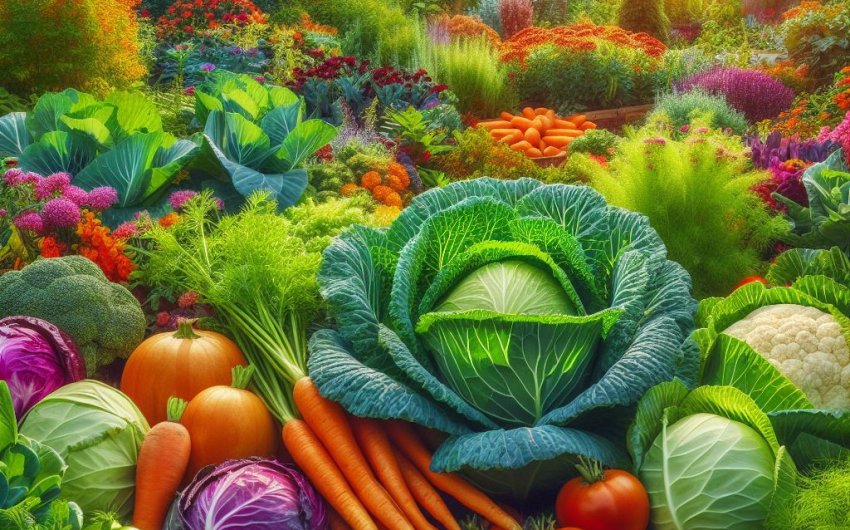
As the long, warm days of summer begin to gently fade, many gardeners start to mourn the approaching end of their harvest season. The tomatoes are winding down, the peppers are finishing up, and the vibrant energy of mid-summer seems to lull into a quiet rest. Yet, for those in the know, the cooling temperatures and shorter days of autumn don't signal an end, but rather a fantastic new beginning for the vegetable garden. Fall isn't just about pumpkin patches and colorful leaves; it's a prime time to fall into flavor with a whole new array of delicious, cool-season vegetables.
Many vegetables actually thrive in the crisp air and gentler sun of autumn, developing sweeter flavors and more tender textures than their summer counterparts. The reduced pest pressure and lower watering needs of fall gardening make it a less stressful and incredibly rewarding experience. It’s a chance to double your harvest, fill those empty spots in your beds, and enjoy fresh, homegrown produce long after the last summer squash has been picked. From leafy greens that sweeten with a touch of frost to root crops that store well through winter, fall vegetable gardening offers a unique and satisfying bounty.
This complete guide will walk you through everything you need to know to successfully plant and nurture a vibrant fall garden. We'll cover how to plan your planting times, choose the best cool-season crops, prepare your garden beds, and provide the care needed to ensure a bountiful harvest as the days grow shorter. Get ready to embrace the magic of autumn in your garden and extend your fresh food supply well beyond the traditional growing season!
Why is Fall a Great Time for Vegetable Gardening?
Many people only think about gardening in spring and summer, but fall vegetable gardening offers some fantastic advantages that make it a truly rewarding time to plant.
1. Cooler Temperatures
- Happy Plants: Many vegetables actually prefer cooler weather. The intense heat of summer can make certain crops bolt (go to seed quickly) or become bitter. In fall, the gentler temperatures are perfect for cool-season vegetables like lettuce, spinach, and kale. They grow happily without the stress of scorching sun.
- Sweetness After Frost: A light frost can even make some vegetables, like kale, collards, and carrots, taste sweeter! The plants turn starches into sugars as a natural antifreeze.
2. Reduced Pest Pressure
- Fewer Bad Bugs: As temperatures drop, many of the common summer garden pests (like tomato hornworms, squash bugs, and cucumber beetles) become less active or die off. This means less work for you fighting off hungry insects.
- Fewer Diseases: Many fungal diseases also thrive in warm, humid summer conditions. Cooler, drier fall air can reduce the spread of some of these issues.
3. Less Watering Needed
- Natural Rain: Fall often brings more consistent rainfall compared to the dry spells of mid-summer.
- Less Evaporation: Cooler temperatures mean less water evaporates from the soil and from plant leaves. This translates to less frequent watering for you, making garden maintenance easier.
4. Longer Harvest Window for Certain Crops
- Overwintering: Some hardy crops can be left in the ground and harvested as needed throughout winter, especially with a little protection. This is often called "winter harvesting."
- Succession Planting: You can plant crops in late summer/early fall, harvest them, and then often have enough time for a second (or even third) planting before a hard freeze.
5. Efficient Use of Garden Space
- Filling Empty Beds: After you harvest your summer crops (like tomatoes, beans, corn), those garden beds often sit empty. Fall gardening lets you put that space to good use, maximizing your yield from the same area.
- Soil Improvement: Growing plants in the soil for longer periods helps keep the soil healthy by maintaining root systems and feeding beneficial microbes, rather than leaving it bare.
Fall vegetable gardening offers a second chance at a bountiful harvest, often with less hassle than summer gardening, and provides delicious, tender, and often sweeter produce. It's a wonderful way to extend your fresh food supply!
How Do I Plan My Fall Vegetable Garden?
Planning is key to a successful fall vegetable garden. It's all about timing your plantings so your crops mature before the hardest freezes hit.
1. Know Your First Frost Date
- Crucial Information: This is the most important piece of information for fall gardening. Your average first frost date is the typical date when temperatures drop to 32°F (0°C) or below in your area. This date is usually published by local extension offices or online weather resources.
- Working Backwards: You'll use this date to figure out when to plant your fall crops.
2. Calculate Planting Times
- Days to Maturity: Look at the "days to maturity" listed on your seed packets. This is the time it takes for a plant to go from seed to harvest.
- Add "Fall Factor": In fall, days are shorter and sunlight is weaker. Plants grow slower. So, for fall planting, you need to add an extra 2-4 weeks (14-28 days) to the "days to maturity" listed on the packet.
- Formula: Take your average first frost date, count back the "days to maturity" plus the extra 2-4 weeks, and that's your target planting window.
- Example: If a lettuce variety takes 45 days to mature, and your first frost is November 15th, you'd count back 45 days + 20 days (average fall factor) = 65 days. So, you'd aim to plant that lettuce around September 10th.
- Staggered Planting: Continue to use succession planting for fast-growing crops like lettuce and radishes. Plant a small batch every 2-3 weeks in your planting window to ensure continuous harvests.
3. Choose the Right Location
- Sunlight: Even though it's cooler, fall vegetables still need plenty of sunlight. Choose a spot that gets at least 6 hours of direct sun daily. As the sun moves lower in the sky in fall, areas that were sunny in summer might get more shade.
- Protection: If possible, pick a spot that offers some protection from strong winds, like near a fence or building.
4. Plan for Succession Crops
- Summer Follow-Up: Identify which summer crops will finish first. For example, bush beans often have a shorter harvest window than tomatoes. As soon as a summer crop is done producing, pull it out and prepare the bed for your fall planting.
- Maximize Space: This strategy ensures you're using your garden space efficiently for continuous harvests.
5. Consider Early Planting Methods
- Starting Seeds Indoors: For crops with a longer "days to maturity" that you want to harvest in fall (like broccoli, cabbage, or Brussels sprouts), start their seeds indoors in mid-summer. This gives them a head start before transplanting them into the garden in late summer/early fall. Use seed starting trays with domes to maintain humidity for germination.
- Transplants: You can often find fall transplants (young plants) of cool-season crops at nurseries in late summer. This saves you the trouble of starting seeds and gives you a head start.
By carefully planning your planting schedule around your local frost dates and selecting appropriate varieties, you'll set yourself up for a bountiful and delicious fall vegetable garden.
What Are the Best Vegetables to Grow in Fall?
Fall vegetable gardening shines with a specific group of plants that thrive in cooler temperatures and often develop sweeter flavors after a light frost. These are your cool-season crops.
1. Leafy Greens
These are perhaps the easiest and most rewarding for fall planting. They grow quickly and can often be harvested well into winter with some protection.
- Spinach: Fast-growing and incredibly cold-hardy. Many varieties are available. Plant frequently for continuous harvests.
- Lettuce: Choose loose-leaf varieties (like Black Seeded Simpson, Romaine, Butterhead) over head lettuce, as they are often more tolerant of light frosts and quicker to mature.
- Kale: Extremely cold-hardy, actually becoming sweeter after a frost. Varieties like 'Lacinato' (Dinosaur Kale) and 'Red Russian' are popular.
- Swiss Chard: Beautiful, colorful stems and tasty leaves. Very tolerant of cold.
- Arugula: Fast-growing with a peppery kick. Can be cut and will regrow multiple times.
- Mustard Greens: Similar to arugula with a spicier flavor. Also very cold tolerant.
- Mizuna: A delicate, mild Japanese mustard green that is very cold-tolerant.
- Collard Greens: Very hardy and nutritious, often sweetening after frost.
2. Root Vegetables
These are fantastic for fall because the cool soil helps them develop sugars, making them taste amazing. Many can even be left in the ground through winter in milder climates.
- Carrots: The undisputed king of fall root crops. Cooler soil temperatures (below 60°F) bring out their sweetness. Plant shorter varieties for quicker harvests.
- Beets: Grow for both their roots and their delicious greens. Like carrots, they sweeten in cool weather.
- Radishes: Super fast-growing, perfect for succession planting. Some varieties can mature in as little as 3-4 weeks.
- Turnips: Can be grown for their roots or their greens (or both!).
- Rutabagas: A larger, hardier root vegetable similar to a turnip, great for long storage.
3. Brassicas (Cabbage Family)
These plants love cooler weather and can handle some frost.
- Broccoli: Plant transplants in late summer for a fall harvest.
- Cabbage: Also best planted from transplants in late summer for fall heads.
- Brussels Sprouts: A longer-season crop. Plant in mid-summer for a late fall/early winter harvest. Their flavor improves greatly after a few frosts.
4. Herbs
Some herbs are surprisingly cold-hardy and thrive in fall.
- Cilantro: Often bolts (goes to seed) in summer heat. Fall is the perfect time to grow it for its delicious leaves.
- Parsley: Biennial (grows for two years), so it can often last through winter and produce again in spring.
- Mint: Hardy perennial that will produce until a hard freeze.
- Chives: Also a hardy perennial.
5. Other Fall Favorites
- Peas: Plant shelling or snap peas in early fall for a delicious late-season harvest.
- Garlic: Plant individual cloves in the fall for harvest the following summer. This is often the first "crop" you plant for the next season.
- Onions (Sets): Plant onion sets in late fall for an early spring harvest.
When choosing fall vegetables, remember to check the "days to maturity" on the seed packet and factor in the slower growth rate of fall. Focusing on these cool-season crops will ensure your fall vegetable garden is bursting with tender, flavorful produce.
How Do I Prepare My Garden Beds for Fall Planting?
Proper bed preparation is crucial for a successful fall vegetable garden, especially since your beds might be tired after a summer of heavy production.
1. Clear Out Summer Crops and Debris
- Remove Spent Plants: As soon as your summer crops (tomatoes, peppers, beans, squash, corn) stop producing or show signs of disease, pull them out.
- Healthy Plants: If the plants were healthy, chop them up and add them to your compost pile (avoiding any parts with seeds if you don't want them to sprout in the compost).
- Diseased Plants: If plants showed signs of disease, do NOT compost them. Bag them up and throw them in the trash to prevent spreading the disease.
- Weed: Remove any weeds that have sprung up. Getting rid of weeds now means less work later and less competition for your new fall crops.
2. Replenish the Soil
Summer vegetables are heavy feeders, so your soil will likely be depleted of nutrients.
- Add Organic Matter: This is the most important step! Spread a generous layer (2-4 inches) of good quality compost or well-rotted aged manure over the entire garden bed.
- Benefits:
- Nutrient Boost: Replenishes essential nutrients for your new fall crops.
- Improved Soil Structure: Makes heavy clay soils lighter and improves drainage, and helps sandy soils hold onto moisture and nutrients better.
- Feeds Soil Life: Encourages earthworms and beneficial microbes, creating a healthier, more vibrant soil ecosystem.
- Lightly Incorporate: Use a garden fork or rake to gently mix the compost into the top 6-8 inches of your existing soil. Avoid deep tilling, which can disturb the beneficial soil structure.
3. Check Soil pH (Optional but Recommended)
- Why: Optimal soil pH (how acidic or alkaline the soil is) is essential for nutrient availability. Most vegetables prefer a pH between 6.0 and 7.0.
- How: Use a simple soil pH test kit from a garden store, or send a sample to your local extension office for a more detailed analysis.
- Adjust if Needed: If your pH is far off, you can amend it (e.g., add lime to raise pH, or sulfur/compost to lower pH). Do this before planting.
4. Improve Drainage
- Prevent Soggy Soil: Fall can bring more rain. Ensure your beds have good drainage to prevent waterlogging, which can cause root rot. If you have heavy clay soil, adding organic matter will help. Raised beds naturally provide excellent drainage.
5. Plan Your Layout (Again!)
- Crop Rotation: As you plan your fall garden, think about crop rotation. Don't plant fall crops from the same family in the exact same spot where their relatives just grew in summer. For example, if you had tomatoes (nightshade family) in a spot, don't plant peppers there in fall.
- Why it helps: Reduces disease and pest buildup in the soil.
- Succession Planting Spots: Map out where you'll do your staggered plantings to keep new crops coming.
By thoroughly preparing your garden beds, you'll create a welcoming and nutrient-rich environment for your fall vegetable garden, ensuring your plants get the best possible start for a productive harvest.
How Do I Care for My Fall Vegetable Garden?
Once your fall vegetable garden is planted, giving it the right care is crucial to ensure healthy growth and a bountiful harvest as the weather cools.
1. Watering
- Consistency is Key: While fall often brings more rain, don't rely solely on nature. New seeds and young seedlings need consistent moisture to germinate and establish strong roots. Keep the soil moist but not soggy.
- Reduced Frequency: As plants grow and temperatures cool, they won't need watering as frequently as in summer. Always check the soil moisture by sticking your finger a few inches deep. Water only when the top few inches feel dry.
- Morning Watering: Water in the morning so the foliage has time to dry before nightfall. This helps prevent fungal diseases that thrive in cool, damp conditions.
2. Fertilizing
- Light Feeder: Fall crops generally don't need as much nitrogen as summer crops. Focus on feeding the soil with compost during bed preparation.
- Supplemental (If Needed): If your plants look stunted or pale, you can use a balanced liquid organic fertilizer (like organic liquid vegetable fertilizer) at half strength, perhaps once or twice during the growing season. Avoid heavy nitrogen fertilizers in fall, as you don't want excessive leafy growth that might be vulnerable to early freezes.
3. Mulching
- Maintain Mulch: A layer of organic mulch (straw, shredded leaves, compost) around your plants is very beneficial in fall.
- Benefits:
- Insulation: Helps moderate soil temperatures, keeping roots warmer as the weather gets colder.
- Moisture Retention: Reduces water evaporation from the soil, meaning less watering for you.
- Weed Suppression: Continues to suppress weeds, which are still active in fall.
- Winter Mulching: For crops you plan to overwinter (leave in the ground for winter harvest), apply a thick layer (4-6 inches) of straw or shredded leaves around the plants once temperatures consistently drop close to freezing.
4. Pest Control (Less But Still Present)
- Reduced Pressure: While general pest pressure is lower in fall, some pests like slugs, snails, and certain caterpillars can still be active.
- Monitor: Inspect your plants regularly.
- Natural Methods:
- Hand-picking: Remove larger pests.
- Organic Sprays: Use Bt (Bacillus thuringiensis) for caterpillars (like Monterey BT Insecticide), or insecticidal soap for aphids or other soft-bodied insects (like Safer Brand Insect Killing Soap).
- Row Covers: Can help exclude flying insects.
5. Protection from Frost
- Be Prepared: As the first hard frosts approach, be ready to protect tender crops.
- Methods: Use row covers, cloches, or old blankets/sheets draped over plants in the evening. Remove them in the morning when temperatures rise.
- Water Before Frost: Water your garden deeply the day before a frost is expected. Moist soil absorbs more heat during the day and radiates it back slowly at night.
6. Harvesting
- Harvest Regularly: Continue to harvest leafy greens regularly to encourage more growth.
- Root Crops: Root vegetables can often stay in the ground until a hard freeze, as long as the ground isn't deeply frozen. The cold can even improve their flavor.
- Extend Harvesting: With good care and protection, you can often harvest greens well into early winter, and root crops even deeper into the cold season.
By providing consistent care and being prepared for cooler temperatures, your fall vegetable garden will continue to produce a delicious bounty, making you truly fall into flavor!