
Preserve Nature's Bounty: Learn How to Save Seeds from Your Favorite Vegetables!
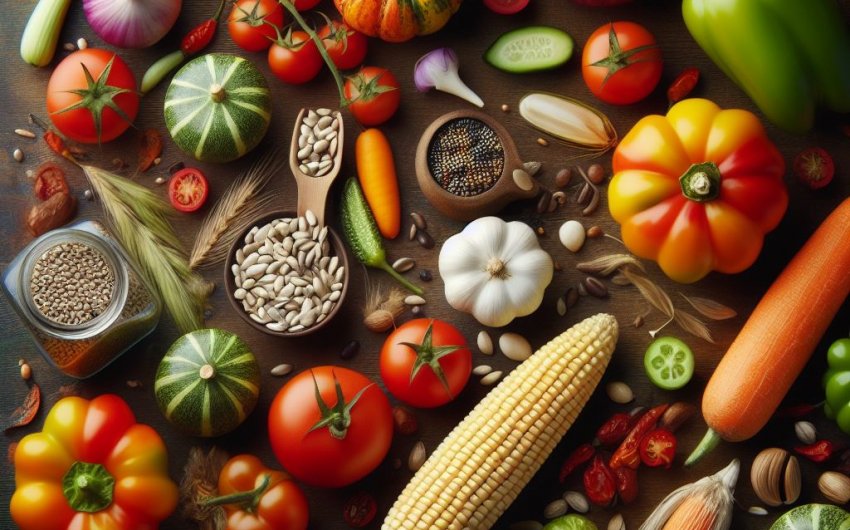
The cycle of gardening offers immense satisfaction, from planting a tiny seed to harvesting delicious, homegrown produce. But what if you could extend that satisfaction even further, ensuring a continuous supply of your favorite varieties year after year, all while deepening your connection to the plant world? This is where the ancient art of saving seeds from your favorite vegetables comes in. It's a simple, rewarding practice that not only preserves biodiversity and saves money but also empowers you to become a more self-sufficient gardener. Let's delve into the practical steps of how to harvest, clean, and store seeds, ensuring next season's bounty begins right from this year's successful harvest.
Why Should I Save Seeds from My Vegetables?
Beyond the simple pleasure of it, seed saving offers a multitude of benefits for the home gardener, the environment, and even future generations.
What are the Benefits of Saving Your Own Garden Seeds?
Seed saving is a sustainable practice with far-reaching advantages.
- Cost Savings: The most immediate and tangible benefit is financial. Why buy new seed packets every year when your garden can provide them for free? Over time, these savings add up. You can use your savings to buy other garden tools.
- Preserving Open-Pollinated Varieties: This is a crucial ecological benefit. Seed saving helps maintain genetic diversity by focusing on "open-pollinated" varieties. These are varieties that produce seeds that will grow true to the parent plant (meaning the offspring will have the same traits). This contrasts with "hybrid" seeds (F1 hybrids), which are a cross between two parent lines and do not reliably produce true-to-type plants from their saved seeds. By saving open-pollinated seeds, you contribute to the survival of unique and flavorful heirloom varieties that might otherwise disappear.
- Adapting Plants to Your Climate: Over successive generations, plants grown from saved seeds gradually adapt to your specific microclimate, soil conditions, and pest pressures. This leads to hardier, more resilient plants that are better suited to your garden.
- Self-Sufficiency and Food Security: Knowing you can reproduce your own food supply fosters a sense of independence and resilience, especially important in uncertain times.
- Learning and Connection: Seed saving deepens your understanding of plant life cycles, pollination, and natural selection. It's a fascinating way to connect with your garden on a more profound level.
- Sharing with Others: Saved seeds make wonderful gifts for fellow gardeners, fostering community and spreading unique varieties.
- Taste and Quality: You can choose to save seeds from the healthiest, most productive plants that produce the best-tasting fruit or vegetables, ensuring that desirable traits are passed on.
What Kinds of Seeds Can I Save? (And What to Avoid!)
Not all vegetable seeds are created equal when it comes to saving. Understanding the difference between open-pollinated and hybrid varieties is paramount.
Which Vegetable Seeds are Easiest to Save?
Focus on open-pollinated, self-pollinating, or isolated varieties for best results.
- Open-Pollinated (OP) Varieties: These are the stars of seed saving. They are pollinated by natural means (wind, insects, self-pollination) and will produce seeds that grow into plants genetically similar to the parent plant. Many heirloom varieties are open-pollinated. Always check your seed packet or plant tag for "OP" or "Heirloom" designation.
- Good Candidates for Beginners:
- Beans (Bush and Pole): Self-pollinating and very easy. Let pods fully dry on the plant until brittle.
- Peas: Similar to beans, let pods dry completely.
- Lettuce: Self-pollinating. Let plants bolt (send up a flower stalk) and allow flowers to go to seed.
- Tomatoes: Mostly self-pollinating. Choose non-hybrid varieties. Need fermentation (wet method).
- Peppers (Hot and Sweet): Mostly self-pollinating. Let fruits ripen fully on the plant until they are past eating prime.
- Eggplant: Mostly self-pollinating. Let fruits ripen fully.
- Okra: Self-pollinating. Let pods become large, dry, and brittle on the plant.
- Dill, Cilantro, Parsley: Let plants bolt and form seed heads. Harvest when dry.
- Radishes: Let plants bolt and form seed pods.
- Calendula, Marigolds, Nasturtiums: Very easy ornamental flowers to save from, great for companion planting. You can find marigold seeds for next season.
- Good Candidates for Beginners:
- Self-Pollinating Plants: These plants pollinate themselves, meaning their flowers contain both male and female parts and typically don't rely on outside sources for pollination. This greatly reduces the chance of unwanted cross-pollination from other varieties.
- Examples: Beans, Peas, Lettuce, Tomatoes, Peppers, Eggplant.
- Cross-Pollinating Plants (with Isolation Needs): These plants rely on wind or insects to transfer pollen between different plants. If you grow multiple varieties of a cross-pollinating plant, they can easily cross-pollinate, resulting in "hybrid" seeds (not F1 hybrids) that won't grow true to either parent.
- Requires Isolation: To save true-to-type seeds from these, you need to isolate them (e.g., plant only one variety, plant far away from other varieties of the same species, or use physical barriers like row covers during flowering). This is often more advanced for beginners.
- Examples: Corn, Squash, Pumpkins, Cucumbers, Melons, Cabbage, Broccoli.
What Seeds Should I AVOID Saving (Especially as a Beginner)?
Knowing when not to save seeds is just as important.
- Hybrid (F1 Hybrid) Varieties: Always check the seed packet! If it says "F1 Hybrid," "Hybrid," or "F1," do not save the seeds. These seeds are the result of a deliberate cross between two specific parent lines to achieve desirable traits (e.g., disease resistance, high yield, uniform fruit). When you save seeds from an F1 hybrid plant, the resulting offspring in the next generation (F2) will be highly variable and will not reliably possess the traits of the parent plant. You'll get unpredictable results.
- Patented Varieties: Some seeds may be patented. It's illegal to save and replant patented seeds for commercial purposes. While likely not enforced for home gardeners, it's good to be aware.
- Plants That Have Cross-Pollinated: If you grow multiple varieties of a cross-pollinating plant (e.g., different types of squash like zucchini and pumpkins) close together without isolation, their seeds will likely be a hybrid mix, and the resulting plants won't be true to either parent. It's best to avoid saving seeds from these unless you specifically isolated them.
- Diseased or Weak Plants: Only save seeds from the healthiest, most vigorous plants that show resistance to pests and diseases and produce the best-tasting fruit. Saving from weak plants will pass on undesirable traits.
The Seed Saving Process: Step-by-Step
Once you've identified your ideal open-pollinated plants, the process of extracting, cleaning, and storing seeds is relatively straightforward, though it varies slightly depending on whether the seeds are "wet" or "dry."
How Do I Harvest and Process Different Types of Vegetable Seeds?
The method depends on whether the seed is inside a fleshy fruit or a dry pod.
A. Harvesting "Dry" Seeds (Beans, Peas, Okra, Lettuce, Dill, etc.):
These are generally the easiest seeds to save.
- Allow Pods/Heads to Mature Fully on the Plant: This is the most crucial step. Do not harvest the vegetable for eating. Let the plant continue to grow past its edible stage.
- Beans/Peas/Okra: Let the pods dry completely on the plant. They should turn brown, become brittle, and rattle when shaken.
- Lettuce/Arugula/Spinach: Let the plant "bolt" (send up a flower stalk). Flowers will turn into fluffy seed heads, like dandelions.
- Dill/Cilantro/Parsley: Let the flower heads dry completely on the plant until they are brown and brittle.
- Radishes: Let the plant go to seed. Small green pods will form. Allow them to dry and turn brown on the plant.
- Harvest Dry: Cut or pick the entire dry stalk, pod, or head from the plant.
- Further Dry (If Needed): Bring the harvested material indoors and spread it out on a tray or screen in a warm, dry, well-ventilated area for a few days to a week. Ensure no mold forms. An herb drying rack can be useful.
- Threshing (Seed Extraction):
- Pods: Break open the dry pods (beans, peas, okra) by hand or by gently rolling them to release the seeds.
- Heads: For lettuce, dill, etc., gently rub the dry seed heads between your hands or rub them over a fine mesh screen to separate the seeds from the chaff (plant debris).
- Winnowing/Cleaning (Separating Seeds from Chaff):
- Blowing: Pour the seeds and chaff from one container to another in front of a gentle fan or breeze. The lighter chaff will blow away, leaving the heavier seeds behind. Repeat until clean.
- Sifting: Use a series of sieves or screens with different mesh sizes to separate seeds from larger or smaller debris. A gardening sieve set can be helpful.
- Final Drying: Ensure the cleaned seeds are completely dry. Spread them out on a plate or screen for another 1-2 weeks in a dry, well-ventilated spot before storage. This is crucial for preventing mold and preserving viability.
B. Harvesting "Wet" Seeds (Tomatoes, Cucumbers, Melons, Peppers, Eggplant, Squash):
Seeds encased in fleshy fruits often require a bit more processing to remove pulp and inhibit disease.
- Tomatoes:
- Harvest Fully Ripe Fruit: Select healthy, perfectly ripe (even slightly overripe) tomatoes from your chosen plant.
- Scoop Out Seeds: Cut the tomato in half and scoop out the seeds and their surrounding jelly-like pulp into a jar.
- Fermentation (Crucial Step): Add a little water to the jar (enough to cover the seeds) and stir. Cover the jar with a breathable cloth (like cheesecloth) secured with a rubber band, to allow air in but keep pests out. Place the jar in a warm spot, out of direct sun.
- Ferment (2-5 Days): Let it sit for 2-5 days. A layer of mold may form on top, and it will smell yeasty/foul. This fermentation process breaks down the jelly-like coating (which contains germination inhibitors) and kills seed-borne diseases.
- Rinse and Clean: Once the mold layer forms and seeds sink to the bottom, pour off the moldy top layer and pulp. Add fresh water to the jar, stir, and let the good seeds sink. Repeat rinsing and pouring off lighter debris until the seeds are clean.
- Dry: Spread the clean seeds in a single layer on a non-stick surface (a ceramic plate, glass, or coffee filter works well – avoid paper towels as they stick). Dry in a warm, dry, well-ventilated area for 1-2 weeks until completely dry and brittle.
- Cucumbers, Melons, Squash, Pumpkins:
- Harvest Overripe Fruit: Let the fruit mature well past its eating stage. For cucumbers, it might turn yellow; for melons/squash, it should be hard, woody, or even slightly rotted. This ensures seeds are fully mature.
- Cut Open and Scrape: Cut open the fruit and scrape out the seeds and pulp into a bowl.
- Clean Seeds (No Fermentation Needed for Most): For most of these, you can simply separate the seeds from the pulp as best you can. Some prefer a brief soak (1-2 days) in water to help loosen pulp, but fermentation (like tomatoes) is generally not required unless you want to clean them very thoroughly.
- Rinse: Rinse the seeds thoroughly under running water, using a colander to remove any remaining pulp.
- Dry: Spread the clean seeds in a single layer on a non-stick surface. Dry in a warm, dry, well-ventilated area for 1-2 weeks until completely dry.
- Peppers and Eggplant:
- Harvest Fully Ripe Fruit: Let the peppers or eggplants ripen fully on the plant until they change color completely (e.g., green peppers turn red or yellow). They should be slightly soft or even shriveled.
- Cut Open and Extract: Cut open the fruit.
- Peppers: Slice open and scrape out the seeds (and core).
- Eggplant: Cut in half, scoop out the central seed mass.
- Clean: For peppers, you can often just pick the seeds out or gently rub them off the core. For eggplant, rinse seeds to remove sticky pulp.
- Dry: Spread clean seeds in a single layer on a non-stick surface. Dry in a warm, dry, well-ventilated area for 1-2 weeks until completely dry.
Storing Your Precious Seeds: Ensuring Viability
Once thoroughly dry, proper storage is crucial for maintaining seed viability (their ability to germinate) for future seasons.
What are the Best Practices for Storing Saved Seeds?
Protecting your seeds from moisture, heat, and light is paramount.
- Rule of Thumb: Cool, Dark, and Dry:
- Cool: Ideal temperature for storage is consistently cool, between 35-50°F (1-10°C). A refrigerator or cool basement is perfect. Avoid temperature fluctuations.
- Dark: Store seeds away from light.
- Dry: This is the most critical factor. Seeds must be bone dry before storage to prevent mold and early germination. Aim for around 5-8% moisture content, which means they should snap, not bend.
- Packaging:
- Paper Envelopes or Bags: Small paper seed envelopes or coin envelopes are ideal as they allow any residual moisture to escape. Avoid plastic bags or airtight containers for initial storage if there's any doubt about dryness, as they can trap moisture and cause mold. You can find seed storage envelopes.
- Airtight Containers (Once Fully Dry): For long-term storage of truly dry seeds, airtight containers (like glass jars or Mylar bags) can be beneficial, especially if stored in a refrigerator. You can add a desiccant packet (like silica gel packets for storage) to absorb any trace moisture.
- Labeling is ESSENTIAL: This cannot be stressed enough. Always label your seeds clearly with:
- Plant Name (Variety): Be specific (e.g., 'San Marzano' Tomato, 'Black Beauty' Zucchini).
- Date Harvested: Crucial for knowing viability.
- Source (Optional): If you save seeds from different parts of your garden or from gifted plants.
- Storage Location:
- Refrigerator/Freezer: For longest viability, store thoroughly dry seeds in airtight containers in a refrigerator (for most seeds) or freezer (for very long-term storage of certain types). If freezing, ensure seeds are extra dry to prevent cell damage.
- Cool, Dark Cabinet/Shelf: A good option if you don't have space in the fridge, but ensure it's truly cool and dry.
- Viability Testing (Optional): Before planting next season, especially for older seeds, you can perform a germination test. Place 10 seeds on a damp paper towel, roll it up, and put it in a plastic baggie. Keep it warm. Check daily for sprouts. If 7 out of 10 germinate, your seeds have 70% viability. This helps you know how many seeds to sow.
Tips for Successful Seed Saving
Beyond the basic steps, a few extra considerations can enhance your seed-saving success.
What are Some Advanced Tips for Home Seed Savers?
These details can improve your yield and quality.
- Start with Healthy, Vigorous Plants: Only save seeds from the strongest, most productive, and disease-free plants. This helps ensure desirable traits are passed on.
- Allow Full Maturation: Resist the urge to pick the fruit or vegetable for eating. The seeds need to fully mature and ripen on the plant, often going past the stage you would normally harvest for consumption.
- Understand Pollination: Be aware of how your chosen plants pollinate. For cross-pollinating plants, either only grow one variety of that species, or understand isolation techniques to prevent unwanted crosses if you want true-to-type seeds.
- Consider Genetic Diversity: If saving from a cross-pollinating species, save seeds from several plants of the same variety to maintain genetic diversity within your saved seed batch.
- Record Keeping: Keep a garden journal! Note what varieties you saved, when, where they were grown, and how they performed. This helps you learn and refine your process.
- Patience: Seed saving requires patience, both in allowing the plant to fully mature its seeds and in the drying process. Rushing either step can compromise seed viability.
- Learn from Others: Join local gardening groups or seed saving collectives. Experienced seed savers can offer invaluable advice and share knowledge specific to your region.
- Invest in Good Tools: A good pair of gardening scissors for harvesting, fine-mesh sieves, and small paper envelopes are invaluable tools for the home seed saver.
Saving seeds from your favorite vegetables is more than just a frugal gardening practice; it's a vital step in preserving biodiversity, adapting plants to your unique environment, and fostering a deeper connection to the food you grow. By following these practical steps, you'll be well on your way to a continuous supply of homegrown goodness, celebrating nature's bounty season after season.