
Stay Ahead of the Curve: Identify and Prevent Common Vegetable Garden Diseases!
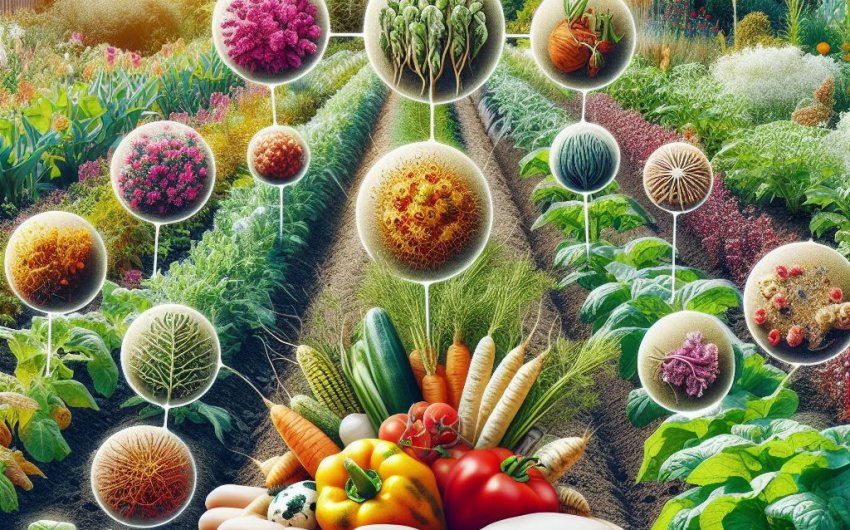
There's nothing more frustrating for a gardener than watching your thriving tomato plants or lush zucchini vines suddenly succumb to disease. But don't despair! Understanding how to identify and prevent common vegetable garden diseases is a skill every successful grower can master. By recognizing the early warning signs and putting simple preventative measures into practice, you can keep your plants healthy, ensure a bountiful harvest, and truly stay ahead of the curve in your gardening efforts.
Why Is Disease Prevention Key in Your Vegetable Garden?
When it comes to vegetable garden diseases, an ounce of prevention is truly worth a pound of cure. Once a disease takes hold, it can be incredibly difficult to eradicate, often leading to reduced yields or even total crop loss. Focusing on disease prevention from the start creates a stronger, more resilient garden.
Why Are Healthy Plants More Resistant to Disease?
Think of it like your own immune system: a healthy body is better equipped to fight off illness. The same goes for plants. When your vegetable plants are strong and thriving, they are naturally more resistant to disease. This is because healthy plants have robust immune systems, thicker cell walls, and the energy to fend off invading pathogens (disease-causing agents like fungi, bacteria, or viruses).
Factors that contribute to healthy, disease-resistant plants include:
- Optimal Nutrition: Plants with access to all the necessary nutrients in the soil are stronger.
- Adequate Water: Consistent, appropriate watering prevents stress that can make plants vulnerable.
- Proper Sunlight: Plants need enough light for photosynthesis, which provides their energy.
- Good Air Circulation: This helps keep foliage dry, reducing fungal growth.
- Appropriate Spacing: Giving plants enough room prevents competition for resources and improves airflow.
A stressed or weak plant, on the other hand, is like an open invitation for disease. Its defenses are down, making it an easy target for common garden pathogens.
How Does Early Identification Save Your Harvest?
Even with the best preventative measures, diseases can sometimes creep into your garden. That's why early identification is so critical. Catching a disease in its initial stages significantly increases your chances of saving your harvest, or at least minimizing the damage.
If you spot symptoms like yellowing leaves, unusual spots, wilting, or stunted growth early on, you can:
- Isolate the problem: Remove affected leaves or plants before the disease spreads to healthy ones.
- Apply targeted treatments: Use organic or chemical remedies more effectively on a small scale.
- Adjust environmental factors: Correct watering or spacing issues that might be contributing to the disease.
Regularly inspecting your plants (a quick check every few days) is your best tool for early detection. The sooner you identify an issue, the better your chances of preventing a widespread outbreak and protecting your precious vegetables.
What Are Common Fungal Diseases and How to Spot Them?
Fungal diseases are among the most prevalent problems in vegetable gardens. They often thrive in humid conditions and can spread rapidly. Learning to spot their distinctive signs is essential for early intervention.
How Do You Identify Powdery Mildew?
Powdery mildew is one of the easiest fungal diseases to identify. It looks exactly like its name suggests: a white, powdery coating on the surface of leaves, stems, and sometimes even fruit. It typically starts as small, circular patches and can quickly spread to cover entire leaves.
- Symptoms: White, dusty spots on leaves, often resembling a dusting of flour. Over time, affected leaves may yellow, curl, and eventually die.
- Affected Plants: Very common on squash, pumpkins, cucumbers, zucchini, peas, and sometimes tomatoes and peppers.
- Conditions: Favors warm, dry days followed by cool, humid nights. Poor air circulation and shade can also contribute.
What Are the Signs of Blight in Tomatoes and Potatoes?
Blight is a general term for several destructive diseases that cause rapid browning, wilting, and death of plant tissues. In tomatoes and potatoes, two types are very common: early blight and late blight.
- Early Blight (Alternaria solani):
- Symptoms: Dark brown or black spots with concentric rings (like a target or bullseye) appear on older, lower leaves first. Spots may also appear on stems and fruit. Leaves yellow around the spots and eventually die.
- Conditions: Favored by warm, moist conditions.
- Late Blight (Phytophthora infestans):
- Symptoms: This is much more aggressive. Large, irregular, water-soaked brown spots appear on leaves, often with fuzzy white mold on the undersides in humid conditions. Stems turn black, and fruit develops firm, brownish-black lesions. It can devastate a crop quickly.
- Conditions: Favored by cool, wet, and humid weather.
Both blights can seriously impact yield. Copper fungicide can be used as a preventative measure or early treatment.
How Can You Spot Downy Mildew?
Often confused with powdery mildew, Downy Mildew affects plants differently. It thrives in cool, wet conditions, while powdery mildew prefers drier air.
- Symptoms: Yellow or light green spots appear on the upper surface of leaves. On the underside of the affected leaves, you'll see fuzzy, grayish-purple or brownish mold. Affected leaves may eventually turn brown and crispy.
- Affected Plants: Common on cucurbits (cucumbers, squash), spinach, lettuce, onions, and brassicas (broccoli, cabbage).
- Conditions: Favored by cool temperatures (50-70°F or 10-21°C) and high humidity, especially prolonged leaf wetness.
What Are Common Bacterial and Viral Diseases?
Beyond fungi, bacterial and viral diseases can also wreak havoc in the vegetable garden. These are often harder to treat and prevent, making good cultural practices even more important.
What Are the Signs of Bacterial Wilt?
Bacterial Wilt is a serious disease that affects many vegetables, causing plants to suddenly wilt even when the soil is moist. It's often spread by cucumber beetles.
- Symptoms: Plants, or individual stems, wilt quickly during the day and may recover overnight at first, but eventually wilt permanently and die. If you cut the affected stem and squeeze it, a sticky, milky sap may ooze out.
- Affected Plants: Very common on cucumbers, melons, squash, and sometimes corn.
- Conditions: Often more prevalent when cucumber beetle populations are high.
How Do You Identify Mosaic Viruses?
Mosaic viruses are a group of viral diseases that cause distorted growth and unusual discoloration patterns on plant leaves. They are often spread by sap-sucking insects like aphids.
- Symptoms: Leaves develop mottled patterns of light and dark green, yellow, or white patches, resembling a mosaic. Leaves may also be crinkled, distorted, stunted, or narrow. Fruit might be bumpy, discolored, or misshapen.
- Affected Plants: Common on tomatoes, peppers, squash, cucumbers, beans, and spinach.
- Conditions: Spread by insects, contaminated tools, or even touching an infected plant then a healthy one.
There is no cure for viral diseases. Infected plants should be removed and destroyed immediately to prevent spread.
What Are the Best Preventative Measures for Garden Diseases?
The golden rule of garden health is prevention. By adopting some simple, smart habits, you can significantly reduce the risk of common vegetable garden diseases taking hold and enjoy a healthier, more productive garden.
Why Is Crop Rotation So Important?
Crop rotation is one of the most effective and fundamental strategies for disease prevention in the vegetable garden. It means not planting the same type of vegetable (or plants from the same family) in the exact same spot year after year.
- Breaks Disease Cycles: Many disease pathogens can survive in the soil or on plant debris for months or even years. If you plant the same crop in the same spot, the disease cycle continues. By rotating crops, you "starve out" specific pathogens that rely on a particular plant host.
- Reduces Pest Build-up: It also helps manage soil-borne pests that prefer certain plant families.
- Nutrient Cycling: Different plants use different nutrients from the soil. Rotating crops helps maintain soil fertility and avoids depleting specific nutrients in one area.
How to practice crop rotation:
- Divide your garden into sections (e.g., four sections).
- Group plants by family (e.g., Solanaceae: tomatoes, peppers, eggplants, potatoes; Cucurbitaceae: squash, cucumbers, melons; Fabaceae: beans, peas; Brassicaceae: broccoli, cabbage, kale, radishes).
- Move each plant family to a different section each year, ideally not returning to the original spot for at least 3-4 years.
- Keep a simple garden journal or map to track what you planted where each year. A garden planner journal can be very helpful.
How Does Proper Spacing Improve Airflow and Prevent Disease?
Proper spacing between your plants is a simple yet powerful preventative measure against vegetable garden diseases, particularly fungal ones. When plants are too close together, their foliage overlaps, creating a dense, humid microclimate.
- Improved Air Circulation: Adequate space allows air to flow freely around and through the plants. This helps leaves dry quickly after rain or watering, which is crucial because many fungal spores need prolonged wetness to germinate and infect.
- Reduced Spread: If a disease does appear, good spacing can slow its spread from plant to plant.
- Better Light Penetration: More space means more sunlight reaches all parts of the plant, strengthening it and helping to keep foliage dry.
Always follow the spacing recommendations on seed packets or plant tags. While it might feel like you're wasting space at first, your plants will thank you with healthier growth and more abundant harvests. You can use a garden spacing tool to make sure you're consistent.
Why Is Watering at the Base of Plants Important?
Your watering technique can directly impact disease susceptibility. Watering at the base of plants rather than overhead helps keep foliage dry, significantly reducing the risk of fungal and bacterial diseases that thrive on wet leaves.
- Reduces Leaf Wetness: Overhead watering wets the leaves, creating an ideal environment for spores to germinate and spread.
- Direct to Roots: Watering at the base delivers water directly to the plant's roots where it's needed most, minimizing waste from evaporation.
- Tools for Success:
- Soaker Hoses: A soaker hose placed along rows slowly releases water directly into the soil.
- Drip Irrigation: A drip irrigation system is even more efficient, delivering water directly to the base of each plant.
- Watering Cans: Use a watering can without a spray nozzle to pour water directly at the soil line.
- Avoid evening watering: Water in the morning or early afternoon so any splashed water on leaves has time to dry before nightfall.
How Does Garden Hygiene Help Prevent Disease Spread?
Good garden hygiene is a simple but powerful defense against vegetable garden diseases. It's about keeping your garden clean and tidy to remove disease sources.
- Remove Diseased Plant Material Promptly: As soon as you spot a diseased leaf, stem, or fruit, remove it. Do not compost diseased plant material, as the pathogens can survive and reinfect your garden. Bag it and dispose of it in the trash.
- Clean Up End-of-Season Debris: At the end of the growing season, remove all plant debris from your garden beds. This eliminates overwintering sites for pests and disease spores.
- Sterilize Tools: Use a solution of 10% bleach (1 part bleach to 9 parts water) or rubbing alcohol to clean your gardening shears and other tools, especially after pruning diseased plants. This prevents you from inadvertently spreading pathogens.
- Weed Control: Weeds can harbor pests and diseases, and they also compete with your vegetables for nutrients and water. Keep your garden beds free of weeds.
Why Are Resistant Varieties a Smart Choice?
When buying seeds or seedlings, opting for resistant varieties is a smart, built-in defense against common vegetable garden diseases. Many seed companies and nurseries offer varieties specifically bred to resist certain diseases.
- Look for Codes: Seed packets and plant tags often have codes indicating disease resistance (e.g., 'VFN' for resistance to Verticillium wilt, Fusarium wilt, and nematodes in tomatoes).
- Research Local Issues: Find out which diseases are most common in your region and prioritize varieties resistant to those specific problems. Your local agricultural extension office can be a great resource.
- Invest in Healthy Starts: Purchase seeds from reputable sources or healthy, disease-free seedlings from trusted nurseries. Inspect seedlings carefully for any signs of disease before buying.
By combining these preventative measures, you create a robust and resilient environment that empowers your vegetable garden to thrive, letting you truly stay ahead of the curve and enjoy a successful, disease-free harvest.