
Defend Your Garden! Know Your Common Vegetable Garden Pests
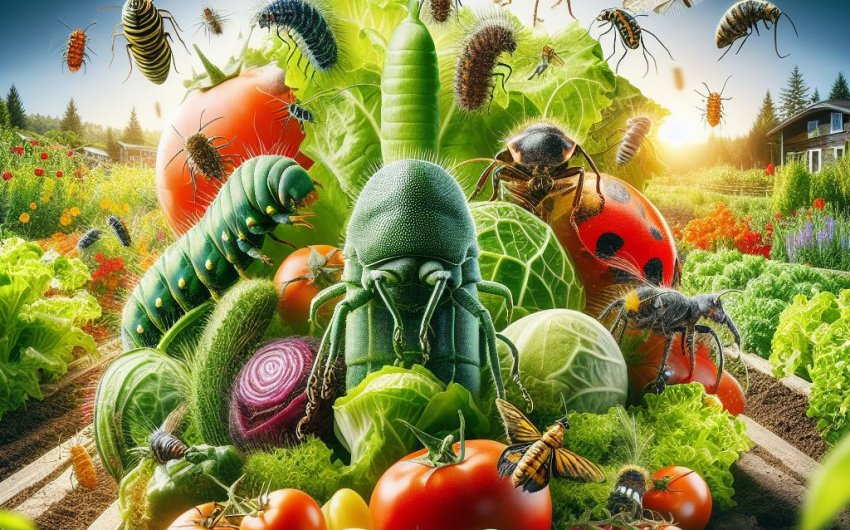
A bountiful harvest is every gardener's dream, but unwelcome guests can quickly turn that dream into a nightmare. To protect your precious produce, it's vital to defend your garden! Know your common vegetable garden pests. Understanding who these tiny marauders are, what damage they inflict, and how to effectively manage them without harming your plants or beneficial insects is fundamental to a thriving, productive vegetable patch.
What Are the Most Common Chewing Pests in Vegetable Gardens?
Chewing pests are perhaps the most visually destructive, leaving behind holes, ragged edges, and sometimes completely defoliated plants. Identifying their distinctive damage is the first step in learning to defend your garden! Know your common vegetable garden pests.
Caterpillars (e.g., Cabbage Worms, Tomato Hornworms)
- Description: Larvae of moths or butterflies, they come in various sizes and colors, often camouflaged.
- Damage: Chewing holes in leaves, sometimes consuming entire leaves, stems, or even fruit. Cabbage worms (Pieris rapae) leave large, irregular holes in brassicas. Tomato hornworms (Manduca quinquemaculata) are large and can rapidly strip a tomato plant of its foliage.
- Identification: Look for frass (excrement) on leaves, which often gives away their presence before you spot the caterpillar itself.
- Control: Hand-picking (especially for larger ones like hornworms), using BT (Bacillus thuringiensis) spray (a natural bacterium that targets caterpillars), or covering plants with row covers to prevent egg-laying.
Slugs and Snails
- Description: Slugs are soft-bodied mollusks without shells; snails have shells. Both leave silvery slime trails.
- Damage: Irregular holes with smooth edges in leaves, especially on young seedlings and leafy greens. They feed at night or on cloudy days.
- Identification: Silvery slime trails on leaves or the ground, and direct sightings in the early morning or evening.
- Control: Hand-picking (wear gloves!), setting out slug and snail bait (iron phosphate is pet-safe), creating beer traps, or using copper barriers around sensitive plants.
Flea Beetles
- Description: Small (about 1/16 inch), dark, shiny beetles that jump like fleas when disturbed.
- Damage: Create numerous small, circular holes (shotgun holes) in leaves, especially on brassicas, eggplant, and radishes. Heavy feeding can stunt or kill young plants.
- Identification: Characteristic damage, and the beetles jumping away when disturbed.
- Control: Use floating row covers to exclude them, sprinkle diatomaceous earth around plants, or apply neem oil spray (a natural insect repellent/growth regulator).
Colorado Potato Beetles
- Description: Distinctive yellow and black striped beetles and their reddish-orange, hump-backed larvae.
- Damage: Devour the foliage of potatoes, tomatoes, eggplant, and other solanaceous plants, often leading to defoliation and reduced yields.
- Identification: Both adults and larvae are easy to spot on plants, along with their black, sticky droppings.
- Control: Hand-picking (crush or drop in soapy water), rotate crops, and for severe infestations, use spinosad-based insecticides (organic option).
What Are the Common Sucking Pests in Vegetable Gardens?
Sucking pests use piercing-sucking mouthparts to extract plant sap, weakening the plant and often causing distorted growth or yellowing. Their damage can be more subtle but equally detrimental, making them key targets when you defend your garden! Know your common vegetable garden pests.
Aphids
- Description: Small, pear-shaped insects, often green, black, yellow, or pink, that cluster on new growth, stems, and the undersides of leaves.
- Damage: Cause stunted or distorted growth, yellowing or curling leaves, and can transmit plant viruses. They excrete sticky honeydew, which leads to sooty mold.
- Identification: Direct visual inspection, presence of honeydew or sooty mold.
- Control: Blast them off with a strong stream of water, introduce beneficial insects (ladybugs, lacewings – you can buy ladybug larvae online), or apply insecticidal soap or neem oil.
Whiteflies
- Description: Tiny, white, moth-like insects that flutter up in a cloud when disturbed from the undersides of leaves.
- Damage: Yellowing, stunted, and distorted leaves, often accompanied by honeydew and sooty mold. They can transmit viruses.
- Identification: Visual observation, particularly when shaking plants, and honeydew/sooty mold.
- Control: Yellow sticky traps (to monitor/trap adults – try yellow sticky traps), insecticidal soap, neem oil, or beneficial insects like parasitic wasps.
Spider Mites
- Description: Tiny, almost microscopic arachnids that are difficult to see with the naked eye. They thrive in hot, dry conditions.
- Damage: Cause fine stippling (tiny dots) on leaves, leading to bronzing or yellowing. In severe cases, fine webbing can be seen on the undersides of leaves or between stems.
- Identification: Use a hand lens to see tiny mites, or shake a suspicious leaf over white paper to see tiny specks moving.
- Control: Hose down plants frequently (especially leaf undersides), increase humidity, or use horticultural oil spray or insecticidal soap.
Squash Bugs
- Description: Adults are grayish-brown, somewhat flattened bugs. Nymphs are grayish-white with black legs.
- Damage: Suck sap from squash, pumpkin, and melon plants, causing leaves to yellow, wilt, and eventually turn brown and crispy. They can inject a toxin that causes plants to wilt suddenly.
- Identification: Eggs are often found in clusters of shiny, reddish-brown eggs on the undersides of leaves. Adults and nymphs are visible on stems and leaves.
- Control: Hand-picking and destroying adults and eggs, practicing crop rotation, using row covers, and removing plant debris where they overwinter.
How Can Integrated Pest Management (IPM) Protect Your Garden?
Integrated Pest Management (IPM) is a holistic and sustainable approach to pest control that combines various strategies to minimize pest damage while protecting human health and the environment. It’s the cornerstone of how to defend your garden! Know your common vegetable garden pests without relying solely on harsh chemicals.
Prevention is Key
The first step in IPM is to prevent pests from becoming a problem in the first place.
- Healthy Soil: Build healthy, vibrant soil with compost and organic matter. Healthy soil leads to healthy plants, which are naturally more resilient to pests.
- Plant Selection: Choose disease-resistant and pest-resistant plant varieties suitable for your climate.
- Crop Rotation: Rotate your crops annually to break pest and disease cycles in the soil. Don't plant the same family of vegetables in the same spot year after year.
- Proper Spacing: Give plants enough room to ensure good air circulation, which reduces fungal issues and makes it harder for pests to spread.
- Sanitation: Remove diseased plant material and weeds that can harbor pests. Clean up garden debris at the end of the season.
Monitoring Your Garden
Regularly inspect your plants for signs of pests or damage. Early detection is crucial for effective management.
- Daily Walks: Take a walk through your garden daily, paying close attention to the undersides of leaves, new growth, and any discoloration or holes.
- Traps: Use sticky traps (yellow for flying insects, blue for thrips) to monitor pest populations.
Cultural Controls
These are practices that make your garden less appealing to pests.
- Watering Wisely: Water at the base of plants in the morning to allow foliage to dry, deterring slugs/snails and fungal diseases.
- Proper Fertilization: Avoid over-fertilizing with nitrogen, which can lead to lush, tender growth that attracts aphids.
- Mulching: Use organic mulch to suppress weeds (which can harbor pests) and maintain consistent soil moisture.
Biological Controls
Harness nature's pest control agents by encouraging beneficial insects.
- Attract Beneficials: Plant flowers that attract pollinators and predatory insects like ladybugs, lacewings, parasitic wasps, and hoverflies. Examples include dill, fennel, cilantro, cosmos, and marigolds. You can even buy beneficial insect larvae for release.
- Avoid Broad-Spectrum Pesticides: These chemicals kill beneficial insects along with pests, disrupting the natural balance of your garden.
Physical Controls
Using physical barriers or direct removal.
- Hand-picking: Physically removing larger pests like caterpillars, slugs, and beetles.
- Row Covers: Use fine mesh row covers to create a barrier that prevents flying insects from reaching plants.
- Traps: As mentioned, sticky traps or pheromone traps can capture pests.
Chemical Controls (as a last resort)
If all else fails and pest damage is severe, consider targeted chemical controls, prioritizing the least toxic options.
- Insecticidal Soap/Neem Oil: These are often effective against soft-bodied insects and have lower environmental impact.
- Targeted Pesticides: If a stronger pesticide is needed, choose one specific to the pest and safe for vegetables. Always read labels carefully and follow instructions precisely.
What Are Common Vegetable Garden Diseases and Their Symptoms?
Diseases can devastate a vegetable garden, often spreading rapidly and causing widespread damage. Knowing the symptoms is vital for early diagnosis and treatment to defend your garden! Know your common vegetable garden pests and diseases.
Powdery Mildew
- Cause: Fungal disease (various species).
- Symptoms: White, powdery patches on the surface of leaves, stems, and sometimes fruit. Looks like the plant has been dusted with flour. It can eventually yellow and distort leaves, reducing photosynthesis.
- Affected Plants: Squash, cucumbers, beans, peas, tomatoes, peppers.
- Control: Ensure good air circulation, avoid overhead watering (especially in the evening), use disease-resistant varieties, and apply neem oil fungicide or a baking soda spray (1 tsp baking soda + 1/2 tsp liquid soap in 1 quart water).
Blight (Early and Late)
- Cause: Fungal diseases (Alternaria solani for Early Blight, Phytophthora infestans for Late Blight).
- Symptoms:
- Early Blight: Concentric rings (target-like spots) with yellow halos on lower leaves, leading to leaf drop.
- Late Blight: Irregular, watery, dark brown/black lesions on leaves and stems, often with fuzzy white growth on humid mornings. Causes rapid blighting and rotting of fruit.
- Affected Plants: Tomatoes, potatoes.
- Control: Use disease-resistant varieties, practice strict crop rotation, prune lower leaves to improve air circulation, avoid overhead watering, and apply preventative copper fungicide or organic fungicides. Remove and destroy infected plant material immediately.
Fusarium Wilt
- Cause: Fungal disease (Fusarium oxysporum).
- Symptoms: Wilting and yellowing of leaves, often on one side of the plant or a single branch, even when soil is moist. When the stem is cut, brown discoloration can be seen inside the vascular tissue. Leads to eventual plant death.
- Affected Plants: Tomatoes, peppers, melons, beans, potatoes.
- Control: No cure once infected. The most important control is using disease-resistant varieties (look for 'F' on seed packets, indicating Fusarium resistance), strict crop rotation (at least 4-6 years), and maintaining good soil health. Solarization of infected soil can help.
Bacterial Spot/Blight
- Cause: Bacterial disease (various Xanthomonas species).
- Symptoms: Small, water-soaked spots on leaves that turn dark brown or black, often with yellow halos. Spots can merge into larger blighted areas. On fruit, small, scab-like spots may appear.
- Affected Plants: Tomatoes, peppers, beans, brassicas.
- Control: Use disease-free seeds or sterile seed starting mix. Avoid overhead watering, promote good air circulation, and sanitize tools. Copper-based sprays can offer some preventative protection but are not curative. Remove and destroy infected plants.
Damping-Off
- Cause: Fungal diseases (e.g., Pythium, Rhizoctonia)
- Symptoms: Young seedlings suddenly collapse at the soil line, appearing pinched or rotted at the stem base.
- Affected Plants: All seedlings.
- Control: Use sterile seed starting mix, ensure good drainage, avoid overwatering, and provide adequate air circulation. Don't sow seeds too densely.
How Can Soil Health Prevent Pests and Diseases?
A healthy soil ecosystem is the ultimate defense for your plants, creating an environment where pests and diseases struggle to take hold. Nurturing your soil is a proactive strategy for defend your garden! Know your common vegetable garden pests and diseases.
Balanced Nutrients
Soil rich in diverse, balanced nutrients promotes strong plant growth. Healthy plants with robust cell walls and vigorous root systems are inherently more resistant to pest attacks and less susceptible to disease. Deficient plants are often weak and more vulnerable. Regular soil testing (every 2-3 years) can guide your nutrient amendments.
Beneficial Microorganisms
A vibrant soil teems with beneficial bacteria, fungi, protozoa, and nematodes. These microorganisms can:
- Compete with Pathogens: Outcompete disease-causing microbes for resources, essentially acting as natural protectors for plant roots.
- Produce Antibiotics: Some microbes produce compounds that suppress or kill pathogens.
- Improve Nutrient Availability: Microbes play a crucial role in breaking down organic matter and making nutrients available to plants.
- Enhance Plant Immunity: A healthy soil microbiome can stimulate a plant's natural defense mechanisms. Adding compost or worm castings regularly introduces and feeds these beneficial organisms.
Proper Drainage and Aeration
Well-draining soil with good aeration is critical for root health.
- Prevents Root Rot: Saturated, anaerobic (oxygen-starved) soil creates conditions perfect for root rot diseases.
- Supports Beneficial Microbes: Most beneficial soil microbes thrive in aerobic conditions.
- Improved Root Growth: Healthy roots are better able to take up water and nutrients, leading to a stronger, more resilient plant. Incorporate organic matter like composted bark fines or perlite to improve drainage in heavy clay soils.
Organic Matter Content
Adding ample organic matter (compost, aged manure, cover crops) builds soil structure, improves water retention in sandy soils, and provides a continuous food source for the soil food web. A rich organic matter content helps buffer soil pH and supports overall soil vitality.
pH Balance
The pH of your soil affects nutrient availability. If the pH is too high or too low for your plants, they won't be able to absorb essential nutrients, even if present in the soil. This leads to deficiencies and weakened plants. Regular soil tests help you maintain the ideal pH range for your vegetables.
What is the Role of Companion Planting in Pest Control?
Companion planting is an age-old gardening technique that involves placing specific plants near each other to deter pests, attract beneficial insects, or improve plant growth. It's a natural and proactive way to defend your garden! Know your common vegetable garden pests.
Deterrent Plants
Some plants naturally repel pests with their scent or chemicals.
- Marigolds: Tagetes species (especially French marigolds) are famous for deterring nematodes in the soil and some common insect pests above ground. Plant them liberally throughout your vegetable garden. You can find marigold seeds online.
- Basil: Repels flies and mosquitoes, and can improve the flavor of tomatoes when planted nearby.
- Nasturtiums: Can act as a trap crop for aphids, drawing them away from more valuable plants. Once infested, you can remove and destroy the nasturtiums.
- Onions/Garlic Family: Their strong scent can deter aphids, slugs, and some beetles when planted near carrots, lettuce, or brassicas.
Attractant Plants (for Beneficial Insects)
Other plants are grown specifically to attract predatory and parasitic insects that feed on or parasitize common garden pests.
- Dill, Fennel, Cilantro: These umbelliferous plants (with umbrella-shaped flower heads) attract ladybugs, lacewings, and parasitic wasps, all of which prey on aphids and other soft-bodied pests.
- Yarrow, Cosmos, Sweet Alyssum: Provide nectar and pollen for beneficial insects, encouraging them to stay in your garden.
- Borage: Attracts pollinators and predatory wasps, and is said to deter tomato hornworms.
Trap Cropping
Some plants are deliberately planted to lure pests away from your main crops.
- Nasturtiums: As mentioned, they are very attractive to aphids.
- Daikon Radishes: Can be used to draw flea beetles away from other brassicas.
Challenges of Companion Planting
- Varied Results: The effectiveness of companion planting can vary greatly depending on your specific garden, climate, and pest pressures. It's not a guaranteed solution but rather a supportive strategy.
- Research: Do your research to ensure chosen companion plants are truly beneficial and don't compete with your main crops.
What is the Best Way to Monitor for Pests and Diseases?
Regular and thorough monitoring is the bedrock of effective pest and disease management. Early detection allows for proactive and less invasive interventions, truly empowering you to defend your garden! Know your common vegetable garden pests.
Daily Garden Walks
Make it a habit to take a short, observant walk through your garden every day.
- Close Inspection: Look at both the top and undersides of leaves. Many pests, like aphids and whiteflies, hide on the underside.
- New Growth: Pests often target tender new shoots.
- Stems and Trunk: Check for discoloration, holes, or abnormal growths.
- Overall Vigor: Note any sudden wilting, yellowing, or stunted growth that could indicate a problem.
Sticky Traps
- Yellow Sticky Traps: Use these to monitor populations of flying insects like whiteflies, fungus gnats, and winged aphids. Place them strategically throughout your garden. You can find yellow sticky traps for garden pests for outdoor use.
- Blue Sticky Traps: More effective for monitoring thrips.
- Purpose: They primarily tell you what pests are present and their general numbers, allowing you to gauge if an infestation is building up.
Hand Lens/Magnifying Glass
Many garden pests, like spider mites and very young aphids, are tiny and hard to see with the naked eye. A small gardener's hand lens (10x or 20x magnification) can be invaluable for identifying these minute invaders.
Knowledge of Pest Life Cycles
Familiarize yourself with the life cycles of common pests in your area. Knowing when they typically emerge, lay eggs, and mature helps you anticipate problems and target interventions at their most vulnerable stages (e.g., applying BT when caterpillars are young).
Recording Observations
Keep a simple garden journal or log. Note down when you first observe a pest or disease, its location, the severity, and what actions you took. This data will help you recognize recurring patterns and plan future preventative strategies.
By continuously monitoring, understanding the types of damage, and embracing an integrated pest management approach, you can effectively defend your garden! Know your common vegetable garden pests and ensure a thriving, productive vegetable patch year after year.