
From Garden to Table: How to Harvest Vegetables for Maximum Flavor!
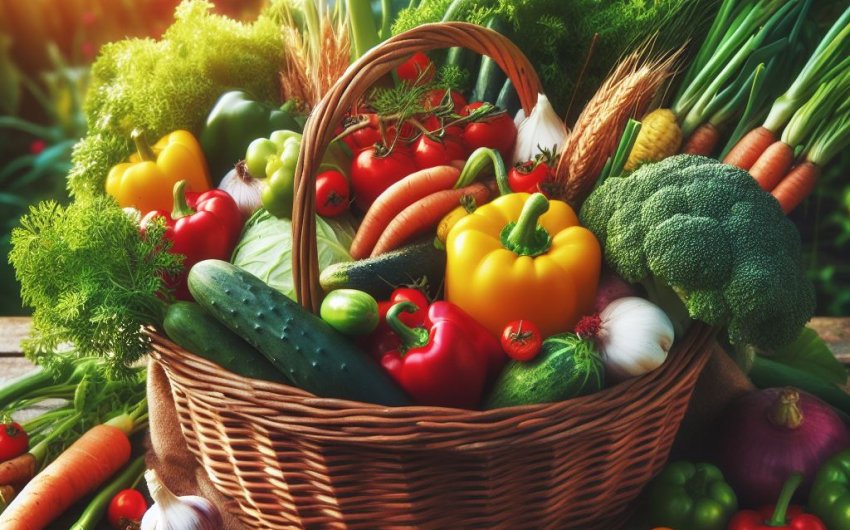
Bringing fresh produce directly from your garden to your kitchen table is one of the most satisfying experiences a gardener can have. But simply growing a vegetable isn't enough; knowing how to harvest vegetables for maximum flavor and optimal freshness is the secret to truly enjoying your homegrown bounty. This guide will take you through the best techniques, timing, and tools to ensure every bite of your hard-earned harvest is packed with the delicious taste of summer. Get ready to unlock the full potential of your garden!
Why Does Harvest Timing Matter So Much?
Harvesting at the right moment is perhaps the single most important factor for getting the best taste, texture, and nutritional value from your vegetables. It's a sweet spot that, once found, makes all the difference.
How Does Immaturity or Over-Maturity Affect Flavor?
The "just right" window for harvesting vegetables is often surprisingly short. Picking too early or too late can drastically change the eating experience.
- Under-ripe (Immature) Vegetables:
- Lack of Flavor: Vegetables picked before they are fully mature haven't had enough time to develop their full flavor profile. They might taste bland, watery, or even slightly bitter. Think of a tomato picked when it's still pale and hard – it lacks the sweetness and acidity of a ripe one.
- Poor Texture: Immature vegetables can also have an undesirable texture. They might be overly starchy, tough, or rubbery instead of crisp or tender. Green beans picked too early can be tough and stringy.
- Reduced Nutrients: The plant often concentrates nutrients as it nears maturity. Picking early means you might be missing out on some of the vitamins and minerals that would have developed.
- Over-ripe (Over-mature) Vegetables:
- Loss of Flavor: While some vegetables (like tomatoes) become sweeter with over-ripeness, many others (like cucumbers or zucchini) can become watery, bland, or even bitter. The sugars can convert to starches, or the flavor compounds can degrade.
- Undesirable Texture: Over-ripe vegetables often lose their crispness and become soft, mushy, or stringy. Green beans become tough and fibrous, cucumbers turn yellow and seedy, and zucchini can become huge and bland.
- Toughness and Seediness: For many vegetables, especially those where we eat the fruit (like squash or cucumbers), over-ripeness means the seeds develop and harden, making the vegetable less pleasant to eat.
- Reduced Shelf Life: Over-ripe vegetables generally spoil much faster, as their cell walls break down.
- Plant Energy Drain: Allowing vegetables to become over-ripe on the plant can signal to the plant that its "job" (producing seeds) is done. This can cause the plant to stop producing new fruits or slow down significantly. Regular harvesting encourages more production.
How Does Early Morning Harvesting Preserve Quality?
The time of day you harvest can also impact the freshness and quality of your produce.
- Cooler Temperatures: Early morning, just after the dew has dried but before the sun gets hot, is typically the coolest part of the day. Harvesting in cool temperatures means:
- Less Stress on Produce: Vegetables retain more moisture and stay crisp when harvested in cool conditions. If you harvest in the heat of the day, they can immediately start to wilt or lose turgor (firmness).
- Better Shelf Life: Cooler produce holds up better in storage. Trying to cool down already warm vegetables takes longer and can result in quicker spoilage.
- Optimal Sugar Content (for some fruits/vegetables): For some fruits and vegetables (like leafy greens and sweet corn), sugars are at their peak in the morning after a cool night. Plants create sugars through photosynthesis during the day, and then convert some of them to starches at night. In the morning, sugars are often more concentrated.
- Pest Avoidance: Some pests are less active in the early morning, making your harvesting experience more pleasant.
- Exception (Warm-Season Fruits): Some fruits like tomatoes, peppers, and melons develop their best flavor when they ripen in the heat of the day. For these, it's about ripeness rather than time of day, but still, harvest before extreme heat sets in.
What Tools Do I Need for a Successful Harvest?
Having the right tools makes harvesting easier, cleaner, and less damaging to both your plants and your produce.
- Harvesting Shears/Snips: These are perhaps the most essential tools. They allow you to make clean cuts without tearing stems or damaging the plant. Look for a pair of garden snips or harvesting shears with sharp, precise blades.
- Use for: Tomatoes, peppers, eggplants, squash, cucumbers, beans (if you don't snap), herbs, broccoli, cauliflower, cabbage.
- Sharp Knife: A small, sharp knife is useful for cutting larger stems or roots. A garden knife is a good all-around tool.
- Use for: Cabbage, lettuce heads, broccoli, cauliflower, carrots, potatoes (to loosen soil), larger herbs.
- Gloves: Protect your hands from thorns, rough stems, or irritating sap. A pair of gardening gloves is always a good idea.
- Baskets or Buckets: For collecting your harvest. Choose wide, shallow containers to prevent bruising delicate items. A harvesting basket with a handle is very convenient.
- Wheelbarrow (for larger harvests): Useful for transporting large quantities of produce or garden waste. A heavy-duty wheelbarrow can save your back.
- Cooler with Ice Packs (for hot days/delicate greens): If harvesting on a warm day or if you have delicate greens, bring a cooler to immediately chill your produce.
How Do I Harvest Specific Vegetables for Peak Flavor?
Each vegetable has its own unique clues and techniques for knowing when it's perfectly ripe and how to harvest it without damaging the plant. Here's a rundown of common garden favorites.
Tomatoes: The Ultimate Garden Jewel
Tomatoes are the stars of most summer gardens, and proper harvesting ensures that burst of sweet, acidic flavor.
- When to Harvest:
- Color: Wait until the entire fruit is fully colored (red, yellow, orange, etc., depending on the variety). Don't pick green unless you intend to fry them!
- Firmness: Ripe tomatoes should be firm but yield slightly to gentle pressure. Avoid squishy tomatoes, which are overripe.
- Smell: A ripe tomato will have a rich, earthy, sweet aroma at the stem end.
- Time of Day: While color is key, picking in the early morning or evening can extend shelf life slightly.
- How to Harvest:
- Use Snips or Knife: To avoid damaging the plant, cut the stem above the green calyx (the leafy part at the top of the fruit). Don't pull or yank, as this can break branches or even uproot the plant. Use garden snips.
- Handle Gently: Tomatoes bruise easily, so place them carefully in your basket or container.
- Ripening Indoors (If Needed): If frost threatens or you have green tomatoes, you can ripen them indoors. Store them in a single layer in a cool, dark place (like a brown paper bag with an apple or banana, which release ethylene gas to speed ripening). They won't have the same sun-kissed flavor but will still be tasty.
Cucumbers: Crisp and Refreshing
Cucumbers are quick growers and taste best when picked young and tender.
- When to Harvest:
- Size: Pick when they are the recommended size for their variety (check your seed packet). Most slicing cucumbers are best around 6-8 inches long. Pickling cucumbers are smaller.
- Color: Skin should be a uniform green. Yellowing indicates over-ripeness, leading to bitterness and large seeds.
- Firmness: Should be firm to the touch. Soft cucumbers are overripe.
- How to Harvest:
- Cut the Stem: Use a sharp knife or snips to cut the stem about 1/4 inch above the fruit. Pulling can damage the vine.
- Check Frequently: Cucumbers grow quickly! Check plants daily, especially in warm weather, to prevent them from becoming overgrown and seedy.
- Don't Let Them Yellow: Allowing cucumbers to over-ripen on the vine will signal the plant to stop producing new fruits. Regular harvesting encourages more yield.
Zucchini and Summer Squash: The Prolific Producers
Zucchini and other summer squash (like yellow squash, pattypan) are famous for their abundance. Harvest them small for best flavor.
- When to Harvest:
- Size: This is critical for flavor! Pick zucchini when they are 6-8 inches long (larger for some varieties, but generally smaller is better). Pattypan squash are best at 3-4 inches.
- Firmness: Skin should be glossy and firm, not dull or soft.
- How to Harvest:
- Cut with Knife/Snips: Use a sharp knife or sturdy snips to cut the stem about an inch from the squash. The stems are tough.
- Daily Checks: Like cucumbers, these grow incredibly fast. Check plants every day or every other day to avoid "baseball bat" sized squash, which are watery and bland.
- Don't Leave Giants: Letting squash get too big will reduce the overall yield of the plant. Harvest frequently to keep the plant producing.
Green Beans: Tender Snaps
Green beans (snap beans) are a garden staple, and their tenderness depends on timely picking.
- When to Harvest:
- Size/Thickness: Pick pods when they are well-formed and about the thickness of a pencil, before the beans inside swell and become obvious.
- Snap Test: A perfectly ripe green bean should snap cleanly when bent. If it bends or is stringy, it's either too immature or too old.
- Color: Bright green.
- How to Harvest:
- Gently Snap or Cut: Gently snap the beans from the vine where they attach to the stem. For varieties prone to tearing the plant, use small snips.
- Pick Regularly: Picking frequently (every 1-3 days) encourages the plant to produce more beans. If you leave mature pods on the plant, it will stop flowering and producing.
Lettuce and Leafy Greens: Cool and Crisp
Lettuce, spinach, kale, chard, and other leafy greens are best harvested when young and tender.
- When to Harvest:
- Size: Harvest outer leaves when they are large enough to eat, but before they become tough or bitter. For head lettuce, harvest the whole head when it's firm.
- Color/Appearance: Leaves should be vibrant green (or their characteristic color), fresh, and unblemished.
- Bolting: Watch for a central stalk starting to shoot up – this is called "bolting" and means the plant is going to seed. Once a leafy green bolts, its leaves will become bitter. Harvest immediately if you see this.
- Time of Day: Early morning is ideal for peak crispness and flavor, especially on hot days.
- How to Harvest:
- "Cut and Come Again": For loose-leaf lettuce, spinach, kale, and chard, harvest outer leaves as needed. Use your fingers to snap them off at the base or use a sharp knife to cut them. Leave the inner leaves to continue growing.
- Whole Head: For romaine or butterhead lettuce, cut the entire head at the base of the plant.
- Wash Gently: Rinse immediately in cool water and spin dry in a salad spinner for crispness.
Carrots and Root Vegetables: The Underground Treasures
Carrots, radishes, beets, and potatoes hide their deliciousness underground, so knowing when to dig is key.
- When to Harvest:
- Size: Check your seed packet for the mature size. For carrots and radishes, look for the "shoulders" of the root pushing up out of the soil. Beets should be visible and around 1-3 inches in diameter.
- Time to Maturity: Refer to days to maturity on your seed packet as a guide.
- Taste Test: For some roots, digging up one or two to taste-test can confirm if they're ready.
- How to Harvest:
- Loosen Soil: Gently loosen the soil around the root with a garden fork or small trowel to avoid breaking or bruising the vegetable. Don't just pull on the greens.
- Pull Gently: Once loosened, gently pull the root straight up.
- Remove Greens (Carrots, Beets, Radishes): Immediately twist or cut off the green tops from carrots, beets, and radishes once harvested. Leaving them on will draw moisture and nutrients from the root, causing them to shrivel and lose flavor faster in storage.
- Curing (Potatoes): For potatoes, allow them to "cure" in a cool, dark, well-ventilated spot for a week or two after digging. This hardens their skin and improves storage.
Peppers: Sweet or Spicy Perfection
Peppers are versatile and their flavor changes as they ripen.
- When to Harvest:
- Sweet Peppers: Can be harvested when green and firm, but they will be less sweet. For maximum sweetness and flavor, let them fully change color (red, yellow, orange, purple, etc., depending on variety). They will also be slightly softer.
- Hot Peppers: Can be picked green for a milder heat, but for full heat and complex flavor, let them ripen to their mature color (often red).
- Firmness: Should be firm and crisp.
- How to Harvest:
- Cut the Stem: Always use sharp garden snips or a knife to cut the stem just above the pepper. The stems are woody and tough, and pulling can damage the plant.
- Check Frequently: In warm weather, peppers can ripen quickly. Check plants every few days.
Broccoli and Cauliflower: Crowns of Goodness
Harvesting broccoli and cauliflower requires timing to get tight, flavorful heads.
- When to Harvest:
- Broccoli: Harvest the main head when it's fully formed, tight, and deep green, with small florets. Before the individual flower buds start to open (showing yellow flowers).
- Cauliflower: Harvest when the head ("curd") is white, firm, and tight. Look for a head that's 6-8 inches across.
- Time of Day: Early morning is ideal for crispness.
- How to Harvest:
- Cut Main Stem: For both, use a sharp knife to cut the main stem about 5-6 inches below the head.
- Side Shoots (Broccoli): After harvesting the main head of broccoli, the plant will often produce smaller side shoots. Continue to harvest these as they develop for an extended harvest.
- Blanching (Cauliflower): For white cauliflower, you might need to "blanch" the head by tying outer leaves over it when it's small. This protects it from sun and keeps it white and tender.
What Are the Best Practices for Harvesting and Post-Harvest Care?
Beyond the individual vegetable tips, there are general strategies that will improve your overall harvest success and ensure your homegrown produce stays fresh and delicious.
How Does Gentle Handling Prevent Bruising?
The way you handle your freshly picked vegetables significantly impacts their quality and shelf life.
- Delicate Items: Many vegetables, especially tomatoes, berries, cucumbers, and leafy greens, bruise easily. Bruised spots quickly lead to spoilage.
- Don't Drop or Pile Too High: Place harvested items gently into your harvesting basket or container. Avoid dropping them or piling them too high, especially heavy items on top of delicate ones.
- Wash Carefully: When you wash your produce, do so gently. A vegetable brush can help clean root vegetables.
Why is Immediate Cooling Important?
Harvesting in the cool morning and then quickly cooling your produce further helps lock in freshness and extend shelf life. This is often called "field heat removal" or "hydro-cooling."
- Slows Respiration: Vegetables are still "breathing" (respiring) after they're picked. Respiration uses up stored sugars and causes spoilage. Cooling them down slows this process significantly.
- Retains Crispness: Cooling prevents wilting and helps maintain the crispness of fresh produce.
- How to Cool:
- Cold Water Bath: For many vegetables (especially leafy greens, beans, peas, corn on the cob), a quick dunk in a sink or large tub of ice water immediately after harvesting is ideal. Swish them around for a few minutes, then pat dry before storing.
- Refrigeration: As soon as possible, transfer your cooled and dried produce to the refrigerator.
How Should I Store My Harvested Vegetables?
Proper storage can make your garden bounty last much longer. Each vegetable has its ideal storage conditions.
- Leafy Greens: Wash, dry thoroughly (use a salad spinner), and store in airtight containers lined with a paper towel in the crisper drawer of your refrigerator.
- Tomatoes: Store at room temperature, stem-side down, out of direct sunlight. Refrigeration dulls their flavor and makes them mealy. Only refrigerate very ripe tomatoes to extend their life for a few days.
- Cucumbers/Summer Squash/Peppers: Store in the crisper drawer of the refrigerator. They generally do not need to be in an airtight bag, but some benefit from loose plastic bags.
- Green Beans: Store in a breathable bag or container in the crisper drawer.
- Root Vegetables (Carrots, Beets, Radishes): Remove greens (as mentioned), then store roots in a loosely sealed bag or container in the crisper drawer.
- Potatoes/Onions/Garlic: Store in a cool, dark, well-ventilated place (not the refrigerator). Keep potatoes and onions separate, as onions release ethylene gas that can cause potatoes to sprout. A mesh storage bag is good for onions.
- Herbs:
- Woody Herbs (Rosemary, Thyme, Oregano): Wrap in a damp paper towel and place in a plastic bag in the fridge, or stand upright in a glass of water, covered loosely with a plastic bag, in the fridge.
- Tender Herbs (Basil, Cilantro, Parsley): Stand upright in a glass of water (like a bouquet), loosely cover with a plastic bag, and keep on the counter (for basil) or in the fridge (for cilantro/parsley).
How Does Regular Harvesting Encourage More Production?
This is a key secret to a continuous, abundant harvest!
- Signal to the Plant: For many fruiting vegetables (like tomatoes, peppers, beans, squash, cucumbers), the plant's biological goal is to produce mature seeds for reproduction. If you allow the fruits to fully ripen and stay on the plant, the plant "thinks" its job is done and will slow down or stop producing new flowers and fruits.
- Constant Productivity: By harvesting regularly, you trick the plant into continually producing more flowers and fruits in an effort to create mature seeds.
- "Pick Me! Pick Me!": Consider it the plant's way of asking for constant attention. The more you pick, the more it gives!
- Check Daily/Every Other Day: Especially during peak season for prolific growers like beans, cucumbers, and summer squash, check your plants daily or every other day to ensure you don't miss ripe produce. This not only gives you the best flavor but also maximizes your yield.