
The Essential Guide: How to Care for Vegetable Plants with Expert Tips!
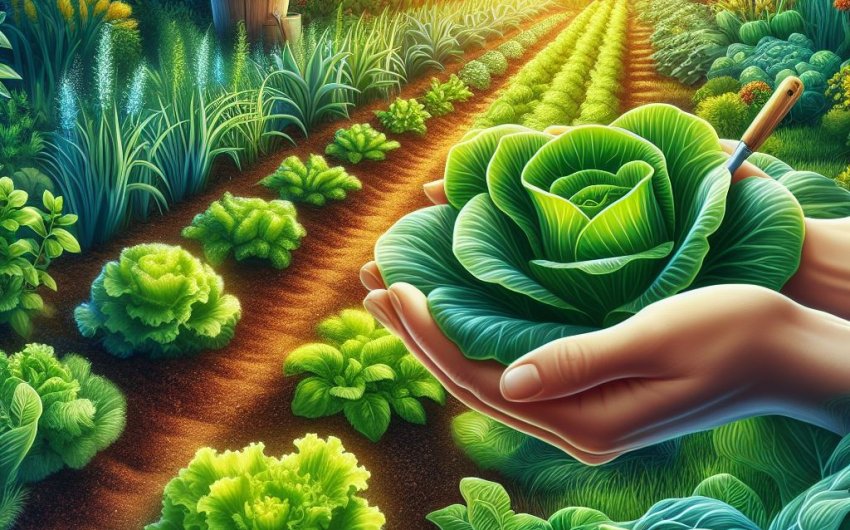
Cultivating your own produce is an immensely satisfying endeavor, and understanding how to care for vegetable plants is fundamental to a successful harvest. Whether you're a seasoned gardener or just starting out, providing the right conditions and consistent attention will ensure your plants flourish, yielding an abundance of fresh, delicious food. This extensive guide offers practical advice and expert tips to help you nurture your garden from seed to harvest, ensuring healthy and prolific growth throughout the season.
What is the best location for a vegetable garden?
Choosing the ideal spot for your vegetable patch is the first critical step towards a thriving garden. The right location ensures your plants receive essential resources like sunlight and protection.
How much sun do vegetables need?
Most vegetable plants are sun-lovers. They need ample direct sunlight to perform photosynthesis, the process by which they convert light energy into food.
- Full sun: This means at least 6 to 8 hours of direct sunlight per day. Fruiting vegetables like tomatoes, peppers, squash, and cucumbers absolutely require full sun to produce well.
- Partial sun/Partial shade: Some leafy greens like lettuce, spinach, and Swiss chard can tolerate as little as 4-6 hours of sun, especially in hot climates where afternoon shade can prevent bolting (going to seed prematurely). Root vegetables such as carrots and radishes also appreciate consistent sun, but will still grow with slightly less.
Consider the path of the sun throughout the day and across seasons. Trees or buildings might cast shadows that change with the time of year.
What about wind protection?
Strong winds can be detrimental to delicate vegetable plants, causing physical damage, drying out soil rapidly, and even dislodging young plants.
- Shelter: Look for a location naturally sheltered by a fence, wall, or shrubbery.
- Windbreaks: If your chosen spot is exposed, consider creating a windbreak fence or planting taller, sturdy plants on the windward side of your garden.
What are soil considerations for location?
The type of soil in your chosen location is paramount. Even with ideal sun, poor soil will hinder growth.
- Drainage: Good drainage is essential to prevent waterlogging and root rot. If water pools after a rain, your soil drains poorly.
- Slope: A gentle slope can help with drainage, but too steep a slope can lead to erosion of precious topsoil.
- Proximity to water source: Having a garden hose or other water source nearby will make watering much easier.
How do you prepare garden soil for vegetables?
Healthy soil is the foundation of a productive vegetable garden. It provides essential nutrients, proper drainage, and aeration for roots. Don't skip this crucial step!
What is ideal soil composition?
Loamy soil is considered ideal for most vegetables. This type of soil is a balanced mix of sand, silt, and clay, offering good drainage while retaining enough moisture and nutrients.
- Sand: Provides good drainage and aeration.
- Silt: Offers good water retention and nutrient holding capacity.
- Clay: Rich in nutrients but can become compacted and drain poorly.
Why is soil testing important?
A soil test kit is an inexpensive yet invaluable tool. It tells you the pH level of your soil and the amounts of key nutrients present.
- pH Level: Most vegetables prefer a slightly acidic to neutral pH, generally between 6.0 and 7.0.
- If your soil is too acidic (low pH), you can raise it by adding garden lime.
- If it's too alkaline (high pH), you can lower it by adding elemental sulfur.
- Nutrient Levels: The test will indicate deficiencies in macronutrients (Nitrogen, Phosphorus, Potassium - NPK) and sometimes micronutrients. This guides your fertilization strategy. Consider a soil test kit for accurate readings.
How do you amend and improve soil?
Even if your soil isn't perfect, it can be improved significantly through amendments. Organic matter is the king of soil amendments.
- Compost: Adding several inches of organic compost (well-rotted manure, homemade compost, or bagged compost) annually improves soil structure, drainage, water retention, and nutrient availability.
- Aged Manure: Similar to compost, aged manure adds nutrients and organic matter. Ensure it's truly aged to avoid burning plants with high nitrogen content. You can buy aged manure in bags.
- Cover Crops: Planting a cover crop (like clover or oats) in the off-season and tilling it into the soil before planting can enrich the soil with organic matter and nutrients.
What are steps for preparing a new garden bed?
- Clear the area: Remove all weeds, grass, rocks, and debris.
- Loosen the soil: Use a garden fork or rototiller to loosen the soil to a depth of 12-18 inches. This improves aeration and allows roots to spread.
- Add amendments: Spread a 2-4 inch layer of compost and any other necessary amendments (based on your soil test) over the loosened soil.
- Incorporate amendments: Mix the amendments thoroughly into the top 6-12 inches of soil using your fork or tiller.
- Level and shape: Rake the bed smooth and create raised beds if desired.
How often should you water vegetable plants?
Proper watering is crucial for healthy vegetable plant care. Too little water leads to wilting and stunted growth, while too much can cause root rot and disease.
How much water do vegetables need?
Most vegetable plants need about 1 inch of water per week, either from rainfall or irrigation. This is a general guideline; specific needs vary by plant type, growth stage, soil type, and weather.
- Fruiting vegetables: Tomatoes, peppers, and cucumbers are heavy drinkers, especially when fruits are developing.
- Leafy greens: Need consistent moisture to prevent bitterness and bolting.
- Root vegetables: Need consistent moisture for smooth, well-formed roots.
When is the best time to water?
- Early morning: This is generally the best time. It allows the water to soak in before the heat of the day causes too much evaporation, and gives plant leaves time to dry before nightfall, reducing the risk of fungal diseases.
- Avoid midday: Watering in the scorching midday sun leads to significant water loss through evaporation.
- Avoid evening: Watering in the evening, especially overhead, can leave foliage wet overnight, encouraging fungal growth.
What are effective watering methods?
- Deep and infrequent: Aim for deep watering that encourages roots to grow down, making the plant more drought-tolerant. Instead of daily shallow sprinkles, water thoroughly until the soil is moist to a depth of 6-8 inches.
- At the base: Water directly at the base of the plant to get water to the roots and keep foliage dry.
- Soaker hoses or drip irrigation: These systems are highly efficient as they deliver water slowly and directly to the soil, minimizing evaporation and keeping leaves dry. Consider a drip irrigation kit.
- Hand watering: If hand watering, use a watering wand to deliver water gently at the base.
How do you know when to water?
- Finger test: Stick your finger about an inch or two into the soil. If it feels dry, it's time to water.
- Observe plants: Wilting leaves are a clear sign of thirst, though some plants (like squash) might wilt in midday heat and perk up in the evening even if adequately watered.
- Soil moisture meter: A soil moisture meter can provide a more accurate reading.
What nutrients do vegetable plants need?
Just like humans, vegetable plants need a balanced diet of nutrients to grow strong, produce well, and resist diseases. Fertilization supplements what the soil provides.
What are macronutrients?
The three primary macronutrients are essential for vigorous growth and are often indicated by the N-P-K ratio on fertilizer labels.
- Nitrogen (N): Promotes lush, green leafy growth. Important for leafy greens like lettuce, spinach, and kale.
- Phosphorus (P): Crucial for root development, flowering, and fruiting. Essential for root vegetables and all fruiting plants.
- Potassium (K): Supports overall plant health, disease resistance, water regulation, and fruit quality.
What are micronutrients?
These are needed in smaller amounts but are equally vital. Examples include iron, manganese, zinc, boron, and copper. Healthy soil with ample organic matter usually provides sufficient micronutrients.
When and how to fertilize?
- Start with good soil: If your soil is rich in organic matter and nutrients from compost, you might need less supplemental fertilizer.
- Initial boost: When planting seedlings, a light application of a balanced fertilizer or compost in the planting hole can give them a good start.
- Side-dressing: For most vegetables, "side-dressing" (applying fertilizer alongside the plant row or around the base) every 3-4 weeks during the active growing and fruiting season is beneficial. Use an organic granular fertilizer or liquid fish emulsion.
- Targeted feeding:
- Leafy greens: High nitrogen fertilizer (e.g., blood meal or a fertilizer with a higher N number).
- Fruiting plants: Higher phosphorus and potassium once flowering begins (e.g., bone meal or a "bloom" fertilizer).
- Follow instructions: Always read and follow fertilizer package instructions for application rates. Over-fertilizing can burn roots and harm plants.
How do you control weeds in a vegetable garden?
Weeds compete with your vegetable plants for water, nutrients, and sunlight, significantly reducing your harvest. Effective weed control is a continuous process.
Why is weeding important?
- Resource competition: Weeds are aggressive competitors and will outcompete young vegetable plants for vital resources.
- Pest and disease hosts: Some weeds can harbor pests or diseases that can then spread to your crops.
- Air circulation: Dense weeds can reduce air circulation around your plants, increasing the risk of fungal diseases.
What are effective weeding methods?
- Hand-pulling: The most straightforward method. Pull weeds when they are small, ideally after a rain or watering when the soil is soft. Get the entire root to prevent regrowth.
- Hoeing: A garden hoe is effective for cutting down young weeds just below the soil surface. Do this on a sunny, dry day so the severed weeds dry out and die.
- Mulching: This is one of the best ways to suppress weeds, conserve moisture, and regulate soil temperature.
- Organic mulches: A 2-4 inch layer of straw mulch, shredded leaves, or wood chips. Keep mulch a few inches away from plant stems to prevent rot.
- Plastic mulch: Black or red plastic mulches can warm the soil, suppress weeds, and help retain moisture. Useful for heat-loving crops like tomatoes and peppers. Consider garden plastic mulch.
- Newspaper/Cardboard: Layering wet newspaper or cardboard under organic mulch can provide an extra barrier against stubborn weeds.
How do you manage pests and diseases in vegetables?
Pests and diseases are inevitable challenges in any garden, but with vigilance and proactive strategies, you can protect your vegetable plants without resorting to harsh chemicals.
What are common vegetable pests?
- Aphids: Small, soft-bodied insects that cluster on new growth and suck plant sap, causing distorted leaves.
- Tomato hornworms: Large, green caterpillars that can defoliate a tomato plant rapidly.
- Slugs and Snails: Leave slime trails and chew holes in leaves, especially on leafy greens.
- Squash bugs: Attack squash and cucumber plants, causing wilting and eventual death.
- Flea beetles: Tiny, jumping beetles that chew small "shot holes" in leaves.
What are common vegetable diseases?
- Powdery mildew: White, powdery patches on leaves, often in humid conditions with poor air circulation.
- Early blight/Late blight: Fungal diseases causing brown spots on leaves and stems, common in tomatoes and potatoes.
- Blossom end rot: Not a disease, but a calcium deficiency in fruiting vegetables, causing the blossom end of the fruit to rot. Often caused by inconsistent watering.
What are integrated pest management (IPM) strategies?
IPM focuses on prevention and using the least toxic methods first.
- Prevention is key:
- Healthy plants: Strong, well-cared-for plants are more resistant to pests and diseases.
- Crop rotation: Don't plant the same crop in the same spot year after year. This breaks pest and disease cycles.
- Good air circulation: Space plants properly and prune lower leaves to improve airflow, reducing fungal issues.
- Sanitation: Remove diseased plant material and garden debris promptly.
- Resistant varieties: Choose disease-resistant vegetable seeds or plants when available.
- Monitoring: Regularly inspect your plants for signs of pests or disease. Early detection is crucial.
- Physical removal:
- Hand-picking: For larger pests like hornworms, simply pick them off and drop them in soapy water.
- Strong water spray: Dislodge aphids with a strong stream of water from your garden hose nozzle.
- Row covers: Use floating row covers to physically exclude insect pests. Remove them during flowering for pollination.
- Biological controls: Encourage beneficial insects that prey on pests (e.g., ladybugs for aphids). Plant flowers that attract them.
- Organic sprays (last resort):
- Insecticidal soap: Effective against soft-bodied insects like aphids and spider mites. Apply insecticidal soap.
- Neem oil: A natural pesticide and fungicide that can deter various pests and diseases. Use neem oil for plants.
- Bacillus thuringiensis (Bt): A biological pesticide specific to caterpillars like hornworms. Find BT caterpillar control.
Always identify the pest or disease before treating, and apply any spray according to product instructions.
What are essential tools for a vegetable gardener?
Having the right tools makes caring for vegetable plants much easier and more efficient. Investing in quality tools will serve you well for years.
What are basic hand tools?
- Garden Trowel: Indispensable for planting seedlings, weeding, and digging small holes. Look for a stainless steel trowel for durability.
- Hand Fork/Cultivator: Great for loosening soil, breaking up clods, and light weeding. A hand cultivator is often multi-purpose.
- Pruning Shears/Bypass Pruners: For harvesting, trimming plants, and removing diseased foliage. Bypass pruners provide clean cuts.
- Garden Gloves: Protect your hands from dirt, thorns, and blisters. Choose comfortable garden gloves that fit well.
What are larger garden tools?
- Shovel: For digging larger holes, moving soil, and turning compost. A round point shovel is versatile.
- Garden Fork: For aerating soil, breaking up compacted soil, and turning compost piles.
- Rake: For leveling soil, spreading mulch, and clearing debris. A bow rake is sturdy for heavy work.
- Hoe: For weeding and preparing soil. Different types include a draw hoe, collinear hoe, or stirrup hoe.
- Wheelbarrow or Garden Cart: For moving soil, compost, tools, and harvested produce. A garden wheelbarrow is essential for larger gardens.
What are watering tools?
- Hose with Nozzle: A good quality garden hose and an adjustable spray nozzle are standard.
- Watering Can: For delicate seedlings or container plants. A plastic watering can is lightweight.
- Soaker Hoses/Drip Irrigation System: For efficient and targeted watering.
What are other useful tools?
- Plant Labels: To keep track of what you planted where. Consider waterproof plant labels.
- Trellises/Stakes: For supporting climbing plants like tomatoes, peas, beans, and cucumbers. Choose sturdy tomato cages or bamboo garden stakes.
- Seed Starting Trays: If you plan to start seeds indoors. A seed starting kit usually includes trays and domes.
- Harvest Basket: To collect your fresh produce. A garden harvest basket is practical.
How do you support climbing vegetable plants?
Many vegetable plants are vining or indeterminate, meaning they grow continuously and benefit greatly from support. Providing a structure keeps fruits off the ground, improves air circulation, and makes harvesting easier.
Why support climbing plants?
- Prevents disease: Keeping leaves and fruits off the moist soil reduces the risk of fungal diseases.
- Improves air circulation: Supports lead to better airflow, which also helps prevent diseases.
- Easier harvesting: Fruits are more visible and accessible.
- Saves space: Vining plants can be grown vertically in smaller garden plots.
- Cleaner produce: Fruits don't touch the soil, resulting in cleaner produce.
What are common support methods?
- Staking: Individual stakes are good for plants that grow tall but don't vine extensively.
- Tomatoes: Use sturdy tomato stakes (at least 6-8 feet tall) or tomato cages. Place stakes at planting time to avoid damaging roots later.
- Peppers: While not strictly vining, tall pepper plants benefit from a single stake to prevent falling over when laden with fruit.
- Trellising: Provides a vertical framework for plants to climb.
- Peas and Pole Beans: These naturally twine. Use pea netting, a mesh trellis, or build a simple structure from bamboo stakes and twine.
- Cucumbers: Most cucumber varieties are vining and do well on a trellis. This keeps them off the ground and can improve fruit shape.
- Squash (some varieties): Smaller vining squash like delicata or smaller pumpkins can be trellised, but larger fruits may need individual slings for support.
- Caging: Provides all-around support.
- Tomatoes: Tomato cages are popular, though often too small for indeterminate varieties. Larger, sturdier cages are more effective.
- Bush beans: Some bush bean varieties can flop over when heavy with beans, and a small cage can offer support.
When to add support?
It's best to install support systems when plants are young, ideally at the time of planting or shortly after. This prevents damage to roots later and helps train the plant from the start. Gently tie plants to their supports as they grow using soft ties or fabric strips.
How do you know when to harvest vegetables?
Knowing the optimal time to harvest your vegetable plants ensures the best flavor, texture, and yield. Harvesting regularly often encourages the plant to produce even more.
What are general harvest guidelines?
- Size and Color: Many vegetables have a characteristic size and color when ready. Don't let them get too big, as this can often lead to tougher texture and reduced flavor.
- Firmness: Many fruits, like tomatoes and peppers, should feel firm to the touch.
- Ease of picking: A ripe fruit or pod will often detach easily from the plant with a gentle twist or pull.
- Taste Test: The ultimate test! Sample your produce to see if it's at its peak flavor.
Specific Harvesting Tips by Vegetable Type:
| Vegetable Type | When to Harvest | How to Harvest |
|---|---|---|
| Leafy Greens | (Lettuce, Spinach, Kale, Swiss Chard) | |
| When leaves are young and tender. Harvest outer leaves first ("cut-and-come-again") to extend harvest. | Use sharp scissors or snip. Avoid harvesting all at once. | |
| Tomatoes | When fully colored (red, yellow, etc.) and firm but slightly yielding to touch. | Gently twist or snip the stem just above the fruit. |
| Peppers | Can be harvested green or allowed to ripen to full color (red, yellow) for sweeter flavor. Firm to touch. | Snip the stem with pruning shears to avoid damaging the plant. |
| Cucumbers | Depending on variety, typically 6-8 inches long and firm. Check daily, as they grow fast. | Cut the stem with a knife or shears, leaving a small piece of stem attached to the fruit. |
| Squash (Summer) | (Zucchini, Yellow Squash) When small and tender (6-8 inches for zucchini). | Snip the stem with a sharp knife or shears. Harvest frequently to encourage more production. |
| Squash (Winter) | (Butternut, Acorn, Pumpkin) When skin is hard and cannot be easily dented with a thumbnail. Stem should be dry. | Cut the stem, leaving a few inches of stem attached. Cure in sun for a week for better storage. |
| Beans (Snap) | When pods are firm, crisp, and snap easily. Before seeds are fully developed inside. | Gently pull or snip off pods. Harvest every 2-3 days to encourage more production. |
| Peas | When pods are plump and full of developed peas, but before they get tough or starchy. | Pick pods gently to avoid damaging the vine. |
| Carrots/Radishes | Check package for mature size. When the top of the root shows above the soil. | Gently pull from the soil. If resistant, loosen soil around it first. |
| Potatoes | When foliage starts to yellow and die back. For "new potatoes," harvest after flowering. | Gently dig around the plant with a digging fork to avoid piercing tubers. |
| Corn | When silks turn brown and dry, and kernels are plump and milky when punctured. | Grasp the ear firmly and twist down and away from the stalk. |
Why harvest regularly?
For many fruiting vegetables (like tomatoes, beans, cucumbers, squash, peppers), regular harvesting signals to the plant that it needs to produce more flowers and fruits. If ripe fruits are left on the plant, it may slow down or stop production, thinking its reproductive cycle is complete.
How do you plan your vegetable garden layout?
Thoughtful garden planning is essential for maximizing space, promoting healthy growth, and making caring for vegetable plants easier.
Why plan your garden?
- Maximize Yield: Proper spacing and plant combinations can lead to higher productivity.
- Efficient Watering/Maintenance: Grouping plants with similar needs simplifies care.
- Pest and Disease Management: Good airflow and strategic planting can deter problems.
- Aesthetics: A well-planned garden is a joy to behold.
What are key planning considerations?
- Sunlight: Map out the sunniest areas first (6-8+ hours of direct sun) for sun-loving plants. Place taller plants (corn, staked tomatoes, pole beans) on the north side of the garden so they don't shade shorter plants.
- Plant Needs:
- Heat-lovers: Tomatoes, peppers, eggplant, squash, corn, melons. Need the warmest, sunniest spots.
- Cool-season crops: Lettuce, spinach, peas, broccoli, cabbage, radishes. Can tolerate cooler temperatures and some shade. Often planted in spring and fall.
- Water Needs: Group plants with similar water requirements together to make irrigation more efficient.
- Space Requirements:
- Spacing: Follow recommended spacing on seed packets or plant tags. Overcrowding leads to poor air circulation, competition for resources, and lower yields.
- Vertical Gardening: Utilize trellises and stakes for vining plants (cucumbers, pole beans, some squash) to save space.
- Crop Rotation: An important practice to prevent nutrient depletion and disease buildup. Don't plant the same family of vegetables in the same spot year after year.
- Example Rotation: Year 1: Tomatoes/Peppers. Year 2: Leafy Greens/Root Vegetables. Year 3: Legumes (beans/peas, which add nitrogen to the soil).
- Succession Planting: Plant small batches of quick-growing crops (like lettuce, radishes, bush beans) every 2-3 weeks to ensure a continuous harvest rather than one large flush.
- Companion Planting: Some plants benefit each other when grown nearby.
- Marigolds: Deter nematodes and other pests. Plant marigold seeds throughout your garden.
- Basil: Said to improve tomato flavor and deter hornworms.
- Beans/Corn/Squash (The Three Sisters): Traditional Native American planting where corn provides a trellis for beans, beans provide nitrogen, and squash acts as a living mulch.
Sketching your garden plan:
Draw a simple map of your garden space. Label sunny and shady areas. Draw in your rows or beds and place different vegetables, considering their size, sun needs, and companions. This visual plan helps you optimize your space before you even break ground.
How do you extend the vegetable growing season?
For many gardeners, the growing season feels too short. With a few techniques, you can enjoy fresh produce for a longer period, making the most of your vegetable plant care efforts.
What are methods for early starts?
- Seed Starting Indoors: Starting seeds indoors 4-8 weeks before your last frost date gives plants a head start. Use seed starting trays and a grow light for strong seedlings.
- Cold Frames: A cold frame is a bottomless box with a transparent lid that traps solar heat, allowing you to plant earlier in spring and later in fall.
- Row Covers: Floating row covers provide a few degrees of frost protection and can protect young plants from cold winds.
- Soil Warming: Covering the soil with black plastic mulch a few weeks before planting can warm the soil, encouraging faster growth.
What are methods for late season harvesting?
- Succession Planting (continued): As mentioned, staggered planting ensures continuous harvest through the season and into early fall.
- Late-Season Crops: Plant cool-season crops (lettuce, spinach, radishes, carrots, kale, broccoli) in late summer for a fall harvest.
- Season-Extending Structures:
- Greenhouses: A hobby greenhouse provides the most significant extension, allowing year-round growing in many climates.
- High Tunnels: Larger, unheated hoophouses that can extend the season by several months.
- Protection from Early Frosts:
- Covering plants: Use frost cloths, old blankets, or even plastic sheets to cover tender plants overnight when a light frost is predicted. Remove covers in the morning.
- Watering: A well-watered soil retains heat better than dry soil, so water your plants before an anticipated frost.
By implementing these strategies, you can significantly prolong the enjoyment of fresh, homegrown vegetables, making your garden even more productive. Cultivating your own produce is an immensely satisfying endeavor, and understanding how to care for vegetable plants is fundamental to a successful harvest.