
Unlock the Secrets: How to Plant Vegetables Like a Pro!
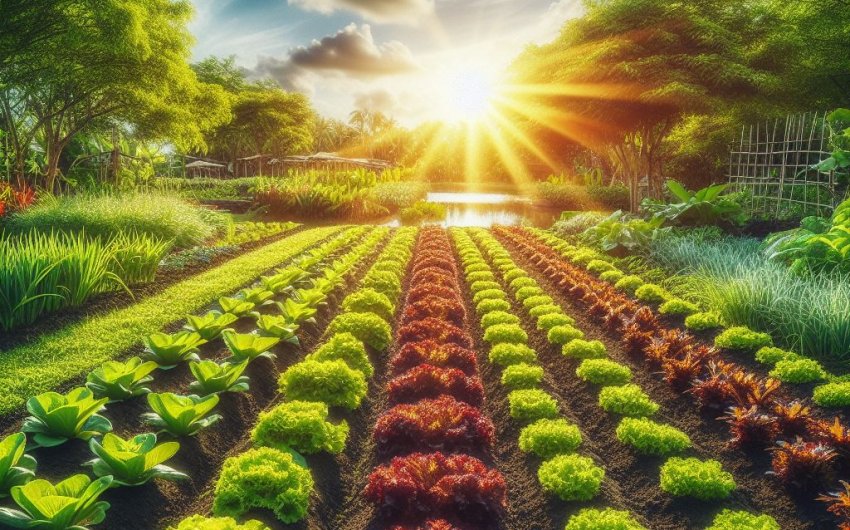
To plant vegetables like a pro, it's essential to understand the fundamental steps that ensure a healthy start for your garden. From selecting the right site to preparing the soil and choosing the best planting methods, each stage plays a vital role in the success of your harvest. Mastering these techniques allows you to cultivate a thriving vegetable patch, maximizing yields and enjoying fresh produce.
How Do You Choose the Best Location for a Vegetable Garden?
Selecting the optimal location for a vegetable garden is the very first step in successful gardening. The right spot ensures your plants receive everything they need to grow strong and produce abundantly.
Sunlight is King
- Full Sun: Most vegetables, especially fruiting plants like tomatoes, peppers, squash, and beans, require at least 6-8 hours of direct sunlight per day. "Direct" means unobstructed sun, not filtered through trees or buildings.
- Optimal Sun: 8-10+ hours is even better for maximum yield and flavor for many vegetables.
- Partial Sun: Leafy greens (lettuce, spinach, kale) and root vegetables (carrots, radishes) can tolerate 4-6 hours of sun, especially in hot climates where afternoon shade can prevent bolting (going to seed prematurely).
- Why Sun Matters: Sunlight is the energy source for photosynthesis, the process by which plants make their food. Without enough light, plants will be leggy, weak, and produce very little.
Proximity to Water
- Convenience: Your garden should be reasonably close to a water source, such as an outdoor faucet or rain barrel. This makes daily watering easy and less of a chore, especially during hot, dry spells.
- Watering Methods: Consider how you'll water. A long hose, a watering can, or even an irrigation system can work, but proximity is key.
Good Drainage
- Avoid Wet Feet: Most vegetables do not tolerate "wet feet," meaning consistently soggy soil. Poor drainage leads to root rot and other diseases.
- Signs of Poor Drainage: If water puddles for hours after rain, or the soil stays squishy, you have a drainage issue.
- Solutions:
- Raised Beds: Building raised garden beds is an excellent way to ensure good drainage, as you fill them with ideal soil.
- Amending Soil: Incorporate plenty of organic matter like compost to improve soil structure and drainage.
- Mounds: Planting on slight mounds can also help.
Protection from Wind and Critters
- Wind Protection: Strong winds can damage delicate young plants, stress mature plants, and dry out the soil quickly.
- Natural Barriers: Look for a spot protected by a fence, hedge, or building.
- Windbreaks: Consider planting a row of taller, hardy plants as a windbreak.
- Critter Control: If deer, rabbits, squirrels, or other animals are common in your area, consider ways to protect your garden.
- Fencing: A garden fence can be essential.
- Raised Beds: While not foolproof, raised beds can deter some ground-dwelling pests.
Level Ground
- Even Growth: A relatively level area makes it easier to work in the garden, ensures even water distribution, and prevents soil erosion.
- Slopes: If your only option is a slope, consider terracing or creating small beds that follow the contours of the land.
How Do You Prepare the Soil for Vegetable Planting?
Proper soil preparation for vegetable planting is arguably the most crucial step for a successful garden. Healthy soil provides the necessary nutrients, water, and air for roots to thrive, leading to strong, productive plants.
Understanding Soil Types
Before you begin, it's helpful to know your soil type:
- Sandy Soil: Drains very quickly, can be low in nutrients, warms up fast. Feels gritty.
- Clay Soil: Drains slowly, holds water well, can be high in nutrients but difficult for roots to penetrate. Feels sticky and clumpy when wet.
- Loamy Soil: The ideal balance of sand, silt, and clay. Drains well, holds moisture, and is rich in nutrients. Crumbles easily.
- Silty Soil: Smooth and powdery when dry, retains moisture, but can compact.
Steps for Soil Preparation
Clear the Area:
- Remove Weeds: Thoroughly remove all weeds, grass, and debris from your chosen garden spot. Digging them out with their roots is best to prevent regrowth. Avoid using chemical herbicides if you plan to grow edibles.
- Large Debris: Remove any rocks, sticks, or other obstructions.
Test Your Soil:
Advertisement- Why Test: A soil test tells you what nutrients your soil has (or lacks) and its pH (acidity/alkalinity). This information is invaluable for proper amendments.
- How to Test: You can buy a home soil test kit for a general idea, or send a sample to your local cooperative extension office for a more detailed analysis.
- pH Importance: Most vegetables prefer a slightly acidic to neutral pH (6.0-7.0). The test will tell you if you need to adjust it (add lime to raise pH, sulfur or peat moss to lower pH).
Add Organic Matter (The Most Important Step):
- What to Add: The best amendment for almost any soil type is abundant organic matter. This includes compost (finished compost is best), well-rotted manure (ensure it's aged to avoid burning plants), or leaf mold.
- Benefits:
- Sandy Soil: Helps sandy soil hold more water and nutrients.
- Clay Soil: Improves drainage and aeration, making heavy clay more workable.
- Any Soil: Adds essential nutrients, encourages beneficial microbial activity, and improves overall soil structure.
- How Much: Aim for a 2-4 inch layer spread over the entire garden area.
Dig or Till the Soil:
- Depth: Once organic matter is spread, dig or till it into the top 8-12 inches of soil. This incorporates the amendments and loosens the soil, allowing roots to penetrate easily.
- Tools: Use a garden fork for digging or a tiller for larger areas.
- Avoid Over-Tilling: Don't pulverize the soil; some clumps are fine. Excessive tilling can destroy beneficial soil structure.
Level and Shape Beds:
- Rake Smooth: After digging, rake the soil surface smooth.
- Form Beds: If you're creating raised rows or specific planting beds, now is the time to shape them. Raised rows can help with drainage and warm up faster in spring.
Raised Beds vs. In-Ground Gardens
- Raised Beds:
- Pros: Excellent drainage, warmer soil earlier in spring, easier to manage weeds, less bending, full control over soil quality (you fill them with good soil mix).
- Cons: Higher initial cost, can dry out faster in hot weather.
- In-Ground Gardens:
- Pros: Lower initial cost, holds moisture longer, integrates with existing landscape.
- Cons: Requires more effort for soil improvement, potential drainage issues, more susceptible to soil-borne diseases if not rotated.
Whether in-ground or in raised beds, thorough soil preparation is the foundation for a productive vegetable garden, allowing you to plant vegetables like a pro.
When is the Best Time to Plant Different Vegetables?
Knowing when to plant different vegetables is critical because each plant has specific temperature requirements for germination and growth. Planting at the wrong time can lead to poor germination, stunted growth, or even plant death.
Understanding Your Climate Zone
- Last Frost Date: This is the most important date for spring planting. It's the average date after which your area is unlikely to experience a freeze (temperatures below 32°F or 0°C). You can find your local last frost date online.
- First Frost Date: This is important for fall planting, indicating when to harvest or protect plants before cold weather sets in.
- USDA Plant Hardiness Zones: These zones tell you which plants can survive winter in your area, but the last/first frost dates are more crucial for annual vegetables.
Warm-Season Vegetables
These plants love heat and cannot tolerate frost. They should only be planted after all danger of frost has passed and soil temperatures have warmed up (typically above 60°F or 15°C).
- Examples:
- Tomatoes: Plant 1-2 weeks after last frost.
- Peppers: Plant 2-3 weeks after last frost.
- Eggplant: Plant 2-3 weeks after last frost.
- Squash (Zucchini, Pumpkin, Butternut): Direct sow seeds or plant seedlings after last frost.
- Cucumbers: Direct sow seeds or plant seedlings after last frost.
- Corn: Direct sow seeds after last frost.
- Beans (Bush and Pole): Direct sow seeds after last frost.
- Okra: Direct sow seeds or plant seedlings when temperatures are consistently warm.
- Sweet Potatoes: Plant slips after soil is very warm, usually a month after last frost.
Cool-Season Vegetables
These plants prefer cooler temperatures and can tolerate light frost. Some can even be planted before the last frost date in spring and again in late summer for a fall harvest. They tend to bolt (go to seed) in hot weather.
- Examples:
- Lettuce: Plant early spring (4-6 weeks before last frost) and late summer.
- Spinach: Plant early spring and late summer.
- Kale: Plant early spring and late summer.
- Broccoli: Plant early spring (4-6 weeks before last frost) and late summer.
- Cabbage: Plant early spring (4-6 weeks before last frost) and late summer.
- Peas: Direct sow seeds very early spring (4-6 weeks before last frost).
- Radishes: Direct sow seeds very early spring and late summer.
- Carrots: Direct sow seeds early spring (2-4 weeks before last frost) and late summer.
- Potatoes: Plant seed potatoes 2-4 weeks before last frost.
- Onions (Sets/Transplants): Plant very early spring, as soon as soil can be worked.
Planting Methods: Seeds vs. Transplants
- Direct Sowing Seeds: Planting seeds directly into the garden soil.
- Best for: Root vegetables (carrots, radishes, beets), leafy greens (spinach, lettuce), beans, peas, corn, squash, cucumbers. These plants often dislike having their roots disturbed.
- Transplants (Started Indoors or Purchased): Young plants that have already germinated and grown for a few weeks, then moved to the garden.
- Best for: Warm-season crops (tomatoes, peppers, eggplant), and some cool-season crops (broccoli, cabbage) where you want a head start on the season.
- Benefits: Longer growing season, stronger initial plants, higher success rate for some tricky crops.
- Hardening Off: If starting your own seeds indoors, remember to "harden off" seedlings before transplanting them outside. This gradually introduces them to outdoor conditions (sun, wind, temperature changes) over a week or two, preventing transplant shock.
| Vegetable Category | Planting Time (Relative to Last Frost) | Recommended Method |
|---|---|---|
| Cool-Season (Early) | 4-6 weeks before last frost | Seeds or Transplants |
| Cool-Season (Mid) | 2-4 weeks before last frost | Seeds or Transplants |
| Warm-Season (Post) | 1-3 weeks after last frost; soil warms to 60°F+ | Transplants (often) / Seeds |
By aligning your planting schedule with the specific needs of each vegetable, you'll ensure optimal conditions for growth, helping you plant vegetables like a pro.
How Do You Successfully Plant Vegetable Seeds and Transplants?
Successfully planting vegetable seeds and transplants involves careful technique to give your plants the best possible start. Each method has specific considerations to ensure good germination and minimal shock.
Planting Seeds (Direct Sowing)
This method is ideal for many root vegetables, leafy greens, and vine crops that don't transplant well.
- Read the Seed Packet: This is your primary guide! It will tell you:
- Planting Depth: How deep to plant the seed. (A general rule is 2-3 times the width of the seed).
- Spacing: How far apart to plant seeds and how far apart rows should be.
- Days to Germination: How long it typically takes for sprouts to appear.
- Days to Maturity: How long until harvest.
- Prepare the Row/Hole:
- Make a Furrow: Use a trowel, stick, or the edge of a hoe to create a furrow (a shallow trench) at the recommended depth. For individual seeds, make small holes.
- Water the Furrow: Water the furrow before planting the seeds. This ensures moisture is readily available to the seed and prevents it from washing away if you water heavily afterward.
- Sow the Seeds:
- Evenly Space: Place seeds at the recommended spacing. For very tiny seeds (like carrots or lettuce), you can sprinkle them thinly and then thin them out later.
- Small Seeds: For tiny seeds, you might mix them with a bit of sand to help with even distribution.
- Cover the Seeds:
- Lightly Cover: Gently cover the seeds with the appropriate amount of fine soil. Don't press down too hard, as this can make it difficult for delicate sprouts to push through.
- Firm Gently: Lightly pat the soil over the seeds to ensure good seed-to-soil contact.
- Water Carefully:
- Gentle Watering: Water very gently with a fine spray from a watering can or a hose with a misting nozzle. A strong stream can wash seeds away.
- Keep Moist: Keep the soil consistently moist (but not soggy) until germination occurs. This may mean light watering once or twice a day in warm, dry weather.
- Label: Label your rows immediately with the vegetable name and planting date.
Planting Transplants
Transplants are young plants started indoors or purchased from a nursery, offering a head start on the season.
- Harden Off: If you've grown your own seedlings indoors, they must be hardened off before planting. This means gradually exposing them to outdoor conditions over 7-14 days. Skip this step if you bought them from an outdoor nursery.
- Week 1: Place in a sheltered, shady spot for a few hours, increasing time each day. Bring indoors at night.
- Week 2: Move to a spot with more sun, increasing exposure. Leave out overnight if temperatures are mild.
- Prepare the Planting Hole:
- Size: Dig a hole slightly wider and as deep as the transplant's root ball.
- Water the Hole: Water the hole before placing the plant to ensure the surrounding soil is moist.
- Remove from Container:
- Gently Remove: Gently squeeze the sides of the nursery pot, turn it upside down (supporting the plant with your hand), and tap the bottom to slide the plant out. Avoid pulling the stem.
- Loosen Roots: If the roots are tightly circling the bottom (root-bound), gently tease them apart with your fingers or make a few vertical cuts along the root ball to encourage them to spread.
- Place the Plant:
- Proper Depth:
- Most Vegetables: Plant at the same depth they were in their nursery container.
- Tomatoes: Unique in that they can be planted deeper. Remove lower leaves and bury up to two-thirds of the stem; new roots will form along the buried stem.
- Spacing: Ensure plants are spaced according to package recommendations to allow for good air circulation and growth.
- Proper Depth:
- Backfill and Firm:
- Fill the Hole: Backfill the hole with soil, gently firming it around the root ball to remove air pockets. Do not compact it too tightly.
- Water Well: Water thoroughly immediately after planting.
- Provide Support (If Needed):
- Stake or Cage: For vining plants like tomatoes, peppers, and tall beans, install stakes or cages at the time of planting to avoid damaging roots later. Look for tomato cages or bamboo garden stakes.
- Mulch (Optional but Recommended):
- Apply a 2-4 inch layer of organic mulch (straw, shredded leaves, wood chips) around the base of the plants, keeping it a few inches away from the stems. Mulch conserves moisture, suppresses weeds, and regulates soil temperature.
By following these precise steps for planting both seeds and transplants, you're on your way to learning how to plant vegetables like a pro.
How Do You Water and Fertilize Newly Planted Vegetables?
Proper watering and fertilizing for newly planted vegetables are crucial for their initial establishment and long-term health. Getting these aspects right in the beginning prevents stress and encourages strong growth.
Watering Newly Planted Vegetables
Consistent moisture is paramount for new seeds to germinate and for transplants to establish their root systems.
Immediate Watering:
- After Planting: Always water immediately after planting seeds or transplants. This settles the soil around the roots (or seeds) and provides essential initial moisture.
- Gentle Approach: Use a watering can with a rose (fine spray head) or a hose with a misting nozzle to avoid disturbing seeds or young plants.
Frequency and Depth:
- Seeds: Keep the top 1-2 inches of soil consistently moist until germination. This might mean watering lightly once or twice a day in warm, dry weather. Never let the seedbed dry out completely.
- Transplants: Water deeply immediately after planting. For the first 1-2 weeks, check the soil daily and water whenever the top inch or two feels dry. Aim for deep, consistent moisture to encourage roots to grow downwards.
- Avoid Overwatering: While consistent moisture is key, avoid soggy conditions, which can lead to root rot. Good drainage in your soil preparation is critical here.
Timing:
- Morning is Best: Water in the morning. This allows any moisture on the leaves to dry before nightfall, reducing the risk of fungal diseases.
- Adjust for Heat: In very hot or windy weather, you might need to water more frequently, sometimes even twice a day for very young plants.
Fertilizing Newly Planted Vegetables
The initial nutrient needs of newly planted vegetables are usually met by well-prepared, organic-rich soil. Over-fertilizing young plants can do more harm than good.
Initial Soil Amendments:
- If you prepared your soil with plenty of compost or well-rotted manure, your young plants likely have enough nutrients for the first few weeks. These organic materials release nutrients slowly as they break down.
Starter Fertilizers (Optional):
- For very poor soils or to give transplants a slight boost, you can use a diluted liquid starter fertilizer with a higher phosphorus (P) content (the middle number in NPK, e.g., 5-10-5). Phosphorus promotes root development.
- Dilution: Dilute to half or quarter strength to avoid burning delicate roots. Apply at the time of planting or a few days after.
- Avoid High Nitrogen: Too much nitrogen (N - the first number) at planting can encourage lush leafy growth at the expense of root development.
When to Start Regular Fertilization:
- Wait for Establishment: Generally, wait until your plants are well-established and actively growing, usually 3-4 weeks after transplanting or when seedlings have developed their second set of true leaves.
- Monitor Plant Growth: Observe your plants. If they are growing well with good green color, they might not need immediate supplemental feeding.
Types of Fertilizers for Ongoing Growth:
- Balanced Organic Fertilizers: For general vegetable growth, a balanced organic granular fertilizer (e.g., 5-5-5 or similar) worked into the soil every few weeks, or a diluted liquid organic fertilizer (like fish emulsion or kelp meal) applied regularly, works well.
- Vegetable-Specific Formulas: Many vegetable fertilizers are tailored to the needs of fruiting vegetables (higher P and K) or leafy greens (higher N).
- Follow Directions: Always follow the application rates and frequency instructions on the fertilizer package. More is not better and can lead to nutrient burn or pollution.
Table of Early Care Summary
| Action | Seeds | Transplants |
|---|---|---|
| Watering | Keep top 1-2 inches moist until sprout | Water deeply daily for 1-2 weeks |
| Fertilizing | Usually none needed initially | Optional diluted starter fertilizer |
| Soil Temp | Crucial for germination | Important for root establishment |
| Light | Not critical until germination | Harden off to gradually increase exposure |
By mastering the initial watering and fertilization of your newly planted vegetables, you are effectively learning how to plant vegetables like a pro.
How Do You Protect Young Vegetable Plants from Pests and Diseases?
Protecting young vegetable plants from pests and diseases is essential for their survival and long-term productivity. Young plants are particularly vulnerable, so early and proactive measures are crucial.
Common Pests Affecting Young Plants
Aphids:
- Description: Small, soft-bodied insects, often green, black, or white, that cluster on new growth and suck plant juices.
- Damage: Stunted, distorted growth, sticky honeydew (which can lead to black sooty mold).
- Management:
- Water Spray: A strong spray of water from a hose can dislodge them.
- Insecticidal Soap: Apply insecticidal soap directly to affected areas (undersides of leaves).
- Beneficial Insects: Attract ladybugs, lacewings, and hoverflies, which are natural predators.
- Neem Oil: Neem oil spray can deter feeding.
Slugs and Snails:
- Description: Mollusks that leave slimy trails and chew ragged holes in leaves, especially on young seedlings.
- Damage: Irregular holes in leaves, especially noticeable after rain or overnight.
- Management:
- Hand-picking: Go out at night with a flashlight and hand-pick them.
- Beer Traps: Shallow dishes filled with beer sunk to soil level.
- Diatomaceous Earth (DE): Sprinkle a barrier of food-grade diatomaceous earth around plants.
- Slug Bait (Organic): Use iron phosphate-based organic slug bait, which is safer for pets and wildlife.
Cutworms:
- Description: Grayish-brown caterpillars that chew through young plant stems at the soil line, often severing the seedling. Active at night.
- Damage: Severed seedlings, often found lying on the soil surface in the morning.
- Management:
- Collars: Place cardboard or plastic collars (e.g., from a toilet paper roll or plastic cup with bottom removed) around the base of young plant stems, pushed an inch into the soil.
- Hand-picking: Search near severed plants just below the soil surface for the curled-up worm.
Flea Beetles:
- Description: Tiny, jumping beetles that chew small, round holes (shotgun-like) in leaves.
- Damage: Pitted leaves, especially on brassicas (cabbage, broccoli) and eggplant. Severe infestations can stunt growth.
- Management:
- Row Covers: Cover plants with floating row covers immediately after planting.
- Sticky Traps: Yellow sticky traps for insects can capture some adults.
- Neem Oil: Can deter feeding.
Common Diseases Affecting Young Plants
Most diseases on young plants are fungal or bacterial, often related to environmental conditions.
Damping-Off:
- Description: A fungal disease that causes seedlings to collapse and die at the soil line.
- Symptoms: Seedlings sprout, then suddenly wilt and "damp off" or rot at the stem base.
- Management:
- Sterile Potting Mix: Always use a sterile, seed-starting mix for indoor seedlings.
- Good Air Circulation: Ensure good airflow around seedlings.
- Avoid Overwatering: Don't keep soil overly wet.
- Cleanliness: Sterilize all planting containers.
Powdery Mildew:
- Description: A fungal disease that appears as white, powdery spots on leaves, especially in humid conditions with poor air circulation.
- Symptoms: White powdery patches on leaves, which can spread and yellow leaves.
- Management:
- Air Circulation: Space plants appropriately, prune lower leaves.
- Watering: Water at the base of the plant to keep leaves dry.
- Fungicides (Organic): Use a neem oil fungicide or a solution of baking soda and water (1 tsp baking soda to 1 quart water with a few drops of dish soap).
General Prevention Strategies
- Healthy Soil: Strong, healthy plants in well-drained, nutrient-rich soil are more resistant to pests and diseases.
- Good Air Circulation: Proper plant spacing, pruning, and avoiding dense plantings.
- Watering Practices: Water at the base of plants in the morning to allow leaves to dry.
- Sanitation: Remove and dispose of diseased plant material and fallen leaves promptly. Clean tools between uses.
- Crop Rotation: Don't plant the same family of vegetables in the same spot year after year. This breaks pest and disease cycles.
- Beneficial Insects: Encourage natural predators by planting flowers that attract them (e.g., dill, fennel, cilantro, marigolds).
- Row Covers: Lightweight floating row covers can protect young plants from many flying insects while allowing light and water through. Remove them when plants start to flower if they need insect pollination.
- Companion Planting: Some plants can naturally repel pests or attract beneficial insects when planted together. For example, marigolds are said to deter nematodes.
By being vigilant and employing these proactive strategies, you can effectively protect your young vegetable plants from pests and diseases, ensuring they grow into mature, productive producers, truly allowing you to plant vegetables like a pro.