
Master the Art of Starting Seeds Indoors for a Thriving Garden!
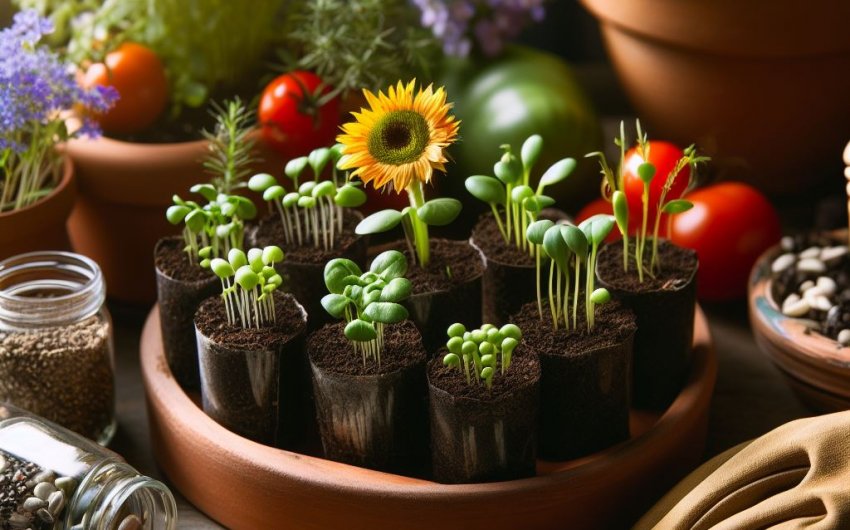
Embarking on the journey of nurturing plants from tiny specks to robust specimens can be immensely rewarding. You're eager to learn how to effectively cultivate seeds within your home to ensure a vibrant and productive outdoor space. Starting seeds indoors offers numerous advantages, allowing gardeners to get a head start on the growing season, cultivate rare or unusual varieties, and ultimately achieve a more bountiful harvest. This method provides greater control over the initial stages of a plant's life, leading to stronger, healthier seedlings ready for transplanting.
Why Should I Start Seeds Indoors?
There are several compelling reasons why gardeners choose to start seeds indoors rather than sowing directly into the garden soil. This practice offers a significant head start on the growing season and provides a level of control over the delicate early stages of plant development that outdoor conditions cannot match.
Starting seeds indoors provides a crucial head start, especially in regions with shorter growing seasons or unpredictable spring weather. It allows you to nurture delicate young plants in a controlled environment, protecting them from harsh winds, late frosts, and heavy rains. This controlled beginning also often results in stronger, more robust seedlings that are better equipped to thrive once they are transplanted outdoors. Furthermore, it expands your plant variety choices beyond what's available as nursery starts, allowing you to cultivate rare or heirloom plants from seed packets.
What are the benefits of starting seeds early?
Getting your seeds germinated and growing while outdoor conditions are still unfavorable offers a distinct advantage, especially for plants that require a longer period to mature.
One of the primary benefits of starting seeds indoors early is extending your effective growing season. Many vegetables, like tomatoes and peppers, require a long period of warm weather to produce fruit. By starting them inside, you give them weeks or even months of development time before they even go into the ground. This ensures a more mature plant by the time summer arrives, leading to an earlier and more abundant harvest. For flowers, it means earlier blooms, enhancing your garden's beauty sooner in the season.
Can I save money by starting seeds indoors?
Gardening can be an expensive hobby, but starting seeds indoors from scratch is one of the most effective ways to reduce costs, especially if you're growing a large quantity of plants.
Absolutely! Starting seeds indoors can lead to significant cost savings. A single packet of flower seeds or vegetable seeds costs a fraction of what a single nursery-grown seedling costs. If you plan to plant many items, these savings add up quickly. While there's an initial investment in supplies like seed trays and potting mix, these are often reusable year after year, making the long-term savings substantial. Growing your own also often yields more plants than you could buy for the same price.
Does starting seeds indoors offer more plant variety?
When you rely on local nurseries, your plant choices are limited to what they decide to stock. Starting seeds indoors opens up a vast world of possibilities, allowing you to explore unique and less common varieties.
Yes, a major advantage of starting seeds indoors is the incredible array of plant varieties available to you. Seed catalogs and online retailers offer hundreds, if not thousands, of different types of vegetables, fruits, herbs, and flowers—many of which you would never find as established plants in a local garden center. This allows you to experiment with heirloom tomatoes, unusual pepper varieties, exotic flowers, or specific herbs that are perfectly suited to your taste and growing conditions, truly personalizing your garden space.
What Supplies Do I Need to Start Seeds Indoors?
To successfully start seeds indoors, you'll need more than just seeds and dirt. Having the right tools and materials on hand will make the process smoother and significantly increase your chances of germination and healthy seedling growth.
Gathering the correct supplies before you begin is a crucial step in mastering the art of starting seeds indoors. Each item plays a specific role in providing the optimal environment for your tiny seedlings, from germination to their readiness for the garden. Using specialized equipment can make a big difference compared to improvised solutions.
What kind of containers are best for starting seeds?
The choice of container impacts seedling health, ease of transplanting, and overall success. Selecting the right size and type is essential for healthy root development and drainage.
For starting seeds indoors, you'll want containers that are clean, have drainage holes, and are sized appropriately for seedlings. Common options include plastic seed starting trays with individual cells, often coming with a clear humidity dome. These domes help maintain moisture and warmth. You can also use repurposed items like yogurt cups or toilet paper rolls, as long as you poke holes in the bottom for drainage. Peat pots or cow pots are biodegradable options that can be planted directly into the garden, minimizing transplant shock.
What is the best potting mix for seeds?
The soil you use for starting seeds indoors is not the same as garden soil. A specialized mix is required to provide the perfect conditions for delicate young roots.
You should always use a sterile, lightweight seed-starting mix for starting seeds indoors. This specialized mix, such as Espoma Organic Seed Starting Mix, is finer in texture than regular potting soil and doesn't contain large pieces of bark or compost that can hinder tiny roots. Crucially, it's sterile, meaning it's free from weed seeds, disease pathogens, and insects that could harm your fragile seedlings. Avoid using garden soil, as it's too dense, can harbor diseases, and compacts easily in containers.
Why are grow lights important for seedlings?
While a sunny windowsill might seem adequate, it often falls short of providing the intense, consistent light that seedlings need to grow strong and not become "leggy."
Grow lights are one of the most critical investments for starting seeds indoors. Natural light from a windowsill, even a very bright one, is rarely sufficient in intensity or duration, especially during late winter and early spring. Without enough light, seedlings become "leggy"—tall, spindly, and weak—as they stretch desperately towards the light source. A full-spectrum LED grow light provides the consistent, intense light necessary for compact, sturdy growth, mimicking the sun's energy that seedlings thrive on.
What other tools make seed starting easier?
Beyond the main supplies, a few additional tools can simplify the process of starting seeds indoors and help you maintain optimal conditions for your seedlings.
Having a few extra items can greatly improve your seed-starting experience. A watering can with a fine rose or a spray bottle is essential for gentle watering that won't dislodge tiny seeds or delicate sprouts. Plant labels or garden markers are crucial for identifying your different seedlings. A heat mat (like a seedling heat mat with thermostat) can provide bottom warmth, which is vital for germinating many seeds, particularly warm-season crops like peppers and tomatoes. Finally, a small fan can help circulate air and strengthen seedling stems, preventing damping-off disease.
How Do I Prepare Seeds for Indoor Starting?
The success of starting seeds indoors often depends on proper preparation before they even hit the soil. Some seeds require specific treatments to break dormancy and encourage germination.
Proper seed preparation is a fundamental step that sets the stage for successful germination when starting seeds indoors. While many seeds simply need moisture and warmth, others have natural dormancy mechanisms that need to be overcome before they will sprout. Understanding these requirements can save you time and frustration.
Do all seeds need pre-treatment before planting?
Not every seed requires special treatment, but some benefit greatly from a little preparation that mimics natural environmental cues. Knowing which ones do is important.
No, not all seeds need pre-treatment before planting for starting seeds indoors. Many common vegetables and flowers will germinate readily with just moisture and warmth. However, some seeds, especially those from perennial plants or trees, have natural dormancy mechanisms to ensure they only sprout under ideal conditions in nature. For these, pre-treatments like scarification (lightly scratching the hard seed coat to allow water penetration) or stratification (exposing seeds to a period of cold and moist conditions to mimic winter) are necessary. Always check your seed packet for specific instructions.
What is stratification and why is it important?
Stratification is a technique used to trick certain seeds into thinking they've gone through a winter period, which is essential for breaking their dormancy.
Stratification is a process that involves exposing seeds to cold, moist conditions for a specific period to break their dormancy. This mimics the natural winter conditions many seeds experience outdoors before germinating in spring. Without stratification, these seeds may not germinate at all when starting seeds indoors. You can do this by mixing seeds with damp sand or vermiculite in a plastic bag and refrigerating them for several weeks or months. This is particularly important for many native plants, wildflowers, and some perennial herbs or flowers.
What is scarification and when is it needed?
Scarification is another pre-treatment method that addresses a different type of seed dormancy, specifically related to a hard outer shell.
Scarification involves physically breaking, scratching, or softening the hard outer coat of a seed to allow water to penetrate and initiate germination. Some seeds have incredibly tough seed coats that prevent water absorption, keeping them dormant. You can achieve scarification by gently rubbing the seeds with fine-grit sandpaper or nicking them with a small knife or file. This is commonly needed for plants with large, hard seeds, such as morning glories, nasturtiums, or some legumes, when starting seeds indoors. Always be gentle to avoid damaging the embryo inside.
When Is the Best Time to Start Seeds Indoors?
Timing is everything when it comes to starting seeds indoors. Planting too early can result in leggy, overgrown seedlings, while planting too late might mean missing your optimal transplant window.
Determining the right moment to start seeds indoors is crucial for ensuring your seedlings are the perfect size and maturity when it's time to move them outside. This timing depends on several factors, including your region's climate, the type of plant, and its specific growth rate. Getting the timing right helps avoid issues like leggy plants or those that are too small to withstand outdoor conditions.
How do I calculate my seed starting date?
The most reliable way to calculate your seed starting date involves knowing your local frost dates and understanding the growth habits of your chosen plants.
To calculate when to start seeds indoors, you need to know your average last spring frost date. This date is crucial because it indicates when it's generally safe to transplant seedlings outdoors without risk of cold damage. Once you have this date, consult your seed packets. They typically state how many weeks before the last frost date to sow seeds indoors (e.g., "start indoors 6-8 weeks before last frost"). Count backward from your last frost date to determine your optimal seed starting week. For example, if your last frost is May 15th and a plant needs 8 weeks indoors, you should sow seeds around March 20th.
What's the difference between cool-season and warm-season crops for timing?
Different plants have different temperature preferences for germination and growth, which directly impacts when you should begin starting seeds indoors.
Cool-season crops, such as lettuce, spinach, broccoli, and peas, can tolerate cooler temperatures and often have shorter indoor starting times. They can typically be planted outdoors earlier in the spring, so you might start seeds indoors for them 4-6 weeks before your last frost. Warm-season crops, like tomatoes, peppers, eggplants, and basil, are very sensitive to cold. They require warmer soil temperatures for germination and thrive in heat. You'll generally start seeds indoors for these 6-10 weeks before your last frost date, ensuring they are robust and ready after all danger of frost has passed.
What Are the Steps for Planting Seeds Indoors?
Once you have your supplies and have determined your timing, the actual process of planting the seeds is straightforward, but attention to detail will ensure optimal germination and initial growth.
The steps for starting seeds indoors are relatively simple, but precision at each stage contributes to healthy seedlings. From preparing your containers to providing the initial care, following these guidelines will maximize your success rate and get your garden off to a strong beginning.
How do I prepare the seed starting mix and containers?
Proper preparation of your growing medium and containers is the first physical step in starting seeds indoors, setting up the best possible environment for tiny seeds.
Before you begin planting, moisten your sterile seed-starting mix thoroughly. It should be damp like a wrung-out sponge, not soaking wet. Fill your chosen seed-starting containers to within half an inch of the top, gently tamping down the mix to remove large air pockets, but avoid compacting it too much. Ensure all containers have adequate drainage holes to prevent waterlogging, which can lead to damping-off disease.
What's the proper way to sow seeds indoors?
Sowing seeds correctly, including depth and spacing, is crucial for successful germination and healthy development of your future garden plants.
The proper way to sow seeds for starting seeds indoors depends on the size of the seed. As a general rule, plant seeds at a depth equal to about two to three times their diameter. Very tiny seeds, like petunias or snapdragons, often just need to be scattered on the surface of the moistened mix and lightly pressed down, as they require light to germinate. Larger seeds can be gently pushed into the soil. Refer to your seed packet for precise depth recommendations. Space seeds adequately to allow for air circulation and growth, often two or three seeds per cell, which you will thin later.
How do I provide initial warmth and humidity for germination?
After planting, creating the right microclimate is key to triggering the dormant seeds to sprout. Warmth and consistent moisture are usually the most important factors.
After sowing, gently water your seeds again, either from the top with a fine mist or by bottom watering (placing the tray in a shallow pan of water until the top of the mix is moist). Covering your seed trays with a clear humidity dome or plastic wrap helps retain moisture and create a mini-greenhouse effect. Many seeds, especially warm-season vegetables, benefit from bottom heat provided by a seedling heat mat to maintain consistent soil temperatures, which significantly speeds up germination. Place your covered trays in a warm location, ideally between 65-75°F (18-24°C), until sprouts appear.
How Do I Care for Seedlings After Germination?
Once your tiny sprouts emerge, the real work of nurturing them begins. Proper care after germination is essential for developing strong, healthy seedlings that will thrive when transplanted.
The post-germination phase is critical for the success of starting seeds indoors. Newly emerged seedlings are delicate and require consistent attention to light, water, air circulation, and eventually, nutrients. Neglecting these aspects can lead to weak, unhealthy plants that struggle to survive once they are moved into the garden.
What light do seedlings need after sprouting?
After seeds sprout, light becomes the single most important factor for preventing leggy growth and ensuring robust development. A sunny window usually isn't enough.
As soon as you see the first tiny sprouts, immediately remove the humidity dome and place your seedlings under grow lights. This is a non-negotiable step for starting seeds indoors. Position the lights just an inch or two above the top of the seedlings. As the seedlings grow, adjust the lights upward to maintain this distance. Provide 14-16 hours of light per day, using a timer for consistency. The intense, consistent light from grow lights prevents seedlings from becoming tall, pale, and weak (leggy).
How often should I water my seedlings?
Consistent and proper watering is vital for seedling health. Too much water can lead to disease, while too little can cause wilting and stunted growth.
Watering your seedlings when starting seeds indoors requires a delicate touch. The goal is to keep the seed-starting mix consistently moist but never soggy. Water when the top layer of the mix feels slightly dry to the touch. It's often best to water from the bottom by placing your seed trays in a shallow pan of water for 15-30 minutes, allowing the mix to absorb moisture from below. This encourages roots to grow downwards and prevents damping-off disease caused by excessive surface moisture. Always drain any excess water.
When should I fertilize my seedlings?
Seed-starting mixes typically contain very few nutrients, so seedlings will eventually need supplemental feeding to support their rapid growth. Knowing when and how to fertilize is key.
Seedlings generally do not need fertilizer immediately after germination when starting seeds indoors, as the seed itself contains enough energy for initial growth. Begin fertilizing when the seedlings have developed their first set of true leaves (the second set of leaves that appear after the initial round, called cotyledons). Use a very diluted liquid fertilizer, such as a liquid seaweed fertilizer, at about one-quarter to one-half strength. Fertilize every 1-2 weeks, depending on the plant's growth rate and appearance. Avoid over-fertilizing, which can burn delicate roots.
What is thinning and why is it important?
Thinning is the process of removing excess seedlings to ensure that the remaining plants have enough space, light, and nutrients to thrive. It's a critical step often overlooked.
When you plant multiple seeds per cell or sow them closely, you'll inevitably have too many seedlings competing for resources. Thinning is the process of selecting the strongest seedling and removing the weaker ones. Once your seedlings have developed their first set of true leaves, use small scissors to snip off the weaker seedlings at the soil line, leaving only one strong seedling per cell or per desired spacing. This prevents overcrowding, ensures better air circulation, and allows the chosen seedling to develop a robust root system and strong top growth, ultimately leading to a more successful transplant from starting seeds indoors.
How Do I Pot Up Seedlings?
As your seedlings grow, they will eventually outgrow their initial small containers. "Potting up" to a larger container provides more space for root development and continued growth before transplanting outdoors.
Potting up is a vital step for many plants when starting seeds indoors, allowing them to continue their growth trajectory without becoming root-bound in their initial small cells. This gives them a significant advantage, promoting stronger root systems and more vigorous overall development before they face the challenges of the outdoor garden.
When should I pot up my seedlings?
Timing is key when it comes to potting up. Moving seedlings too early or too late can stress them and hinder their development.
You should pot up your seedlings when they have developed two sets of true leaves and their roots are starting to fill their original cell, visible through the drainage holes. Another sign is if the seedling's growth seems to slow down, indicating it needs more space and nutrients. Don't wait until seedlings become "root-bound," where roots are circling tightly around the bottom of the container, as this can stunt their growth and make them harder to transplant successfully. Potting up provides ample space for continued robust root and top growth for your plants after starting seeds indoors.
What kind of soil and containers should I use for potting up?
When potting up, the soil and container choice shifts slightly from the initial seed-starting phase, accommodating the needs of a larger, more developed seedling.
For potting up, switch from a sterile seed-starting mix to a slightly coarser, yet still light and well-draining, potting mix designed for young plants. A good quality organic potting mix will provide more nutrients than seed-starting mix. Choose containers that are one size larger than your initial cells, typically 3-4 inch pots, making sure they also have good drainage holes. You can use plastic nursery pots, repurposed containers, or even biodegradable pots for easy transplanting later.
How do I safely move seedlings to new pots?
Transplanting seedlings, though necessary, can be a stressful event for them. Doing it gently and correctly minimizes transplant shock.
To safely move seedlings to new pots when starting seeds indoors, gently loosen the soil around the seedling in its original container. If using cell trays, you can often push up from the bottom to release the seedling and its root ball. Handle seedlings by their leaves, not their delicate stems, as stems are easily bruised. Make a hole in the new pot's moistened potting mix, large enough to accommodate the seedling's root ball. Carefully place the seedling in the hole, ensuring the root ball is at the same depth as it was previously. Gently backfill with soil, lightly tamping down to ensure good root-to-soil contact. Water immediately after potting up to settle the soil and reduce stress.
How Do I Harden Off Seedlings Before Transplanting?
After spending weeks or months in the sheltered environment of your home, seedlings need a gradual transition to the harsher outdoor conditions. This process is called "hardening off."
Hardening off is an absolutely critical step before transplanting your seedlings from indoors to the garden. It's the process of gradually acclimating your tender young plants to the outdoor environment, preparing them for differences in temperature, wind, sunlight intensity, and fluctuating moisture. Skipping this step can lead to severe transplant shock, stunting growth, or even killing your carefully nurtured seedlings.
What is hardening off and why is it important?
Hardening off is the vital transition period that prepares your indoor-grown plants for the rigors of the outdoor world.
Hardening off is the process of gradually exposing your indoor-grown seedlings to outdoor conditions over a period of 7-14 days. This allows them to slowly adjust to changes in temperature, wind, direct sunlight, and less consistent watering. Without hardening off, the sudden shock of being moved from a warm, protected indoor environment to the fluctuating and often harsh outdoor elements can cause severe stress, wilting, stunted growth, or even death. It toughens up cell walls and prepares them for survival in the garden, making it a non-negotiable step after starting seeds indoors.
What are the steps for hardening off seedlings?
Hardening off should be a gradual process, increasing exposure to outdoor elements incrementally over a week or two to prevent shock.
Begin the hardening off process by placing your seedlings in a sheltered, shaded outdoor location for just an hour or two on the first day, for example, on a porch or under a patio table. Each day, gradually increase the amount of time they spend outdoors and their exposure to sun and wind.
- Day 1-2: 1-2 hours in full shade.
- Day 3-4: 2-4 hours in partial shade.
- Day 5-6: 4-6 hours in dappled sun or morning sun.
- Day 7-8: 6-8 hours in increasing sun exposure.
- Day 9-14: Full outdoor exposure, bringing them in only if overnight temperatures drop below what they can tolerate or if heavy storms are expected. Always bring seedlings in if temperatures are too cold or if severe weather is predicted. Keep the soil consistently moist during this period, as wind and sun can dry them out quickly. By the end of this process, your seedlings will be robust and ready for permanent transplanting into the garden after their journey of starting seeds indoors.
When Is the Best Time to Transplant Seedlings Outdoors?
After all your careful indoor nurturing and hardening off, the final step is successfully moving your seedlings into the garden. Timing this transition correctly is crucial for their long-term health and productivity.
Knowing the perfect moment to transplant your hardened-off seedlings from their indoor haven to the garden soil is paramount for their survival and future growth. This decision hinges on understanding local climate conditions and ensuring the soil and air temperatures are just right for the specific plants you are cultivating after starting seeds indoors.
What are the ideal weather conditions for transplanting?
Choosing the right day for transplanting can significantly reduce stress on your seedlings and improve their chances of thriving in their new environment.
The ideal weather conditions for transplanting after starting seeds indoors are typically an overcast day or a calm, cloudy evening. This minimizes direct sun exposure and intense heat on the first day in their new location, reducing wilting and transplant shock. Avoid transplanting on very windy days, as the wind can quickly dry out delicate young roots and stems. Ensure there's no immediate forecast for a hard frost after your last spring frost date. A gentle rain shortly after transplanting can also be beneficial, helping to settle the soil around the roots.
How do I prepare the garden bed for seedlings?
Preparing your garden bed properly before transplanting provides the best possible environment for your seedlings to continue their growth journey.
Before transplanting your seedlings from starting seeds indoors, prepare your garden bed by loosening the soil to a depth of at least 6-8 inches. Amend the soil with well-rotted compost or other organic matter to improve fertility and drainage. Ensure the soil is free of weeds, which would compete with your young plants for water and nutrients. Create holes in the soil at the appropriate spacing for each plant type, ensuring the holes are deep and wide enough to accommodate the seedling's root ball comfortably. Water the prepared garden bed thoroughly before planting.
How deep should I plant seedlings?
The depth at which you plant your seedlings can impact their stability, root development, and overall health in the garden.
For most seedlings, plant them at the same depth they were growing in their pots when you're done with starting seeds indoors. The top of the root ball should be level with the surrounding garden soil. There are a few exceptions:
- Tomatoes: Can be planted deeper, burying part of the stem, as new roots will form along the buried stem, leading to a stronger plant.
- Leggy seedlings: If your seedling became a bit leggy despite your best efforts, you can plant it slightly deeper to encourage stronger stem growth.
- Grafted plants: Ensure the graft union (the swollen point where the top part of the plant joins the rootstock) remains above the soil line to prevent the scion (top part) from rooting and losing the benefits of the rootstock. After placing the seedling in the hole, gently backfill with soil, lightly pressing around the base to ensure good soil-to-root contact. Water immediately after planting to help settle the soil and reduce transplant shock.
Mastering the process of starting seeds indoors is a rewarding endeavor that empowers you to grow a wider variety of plants, save money, and ensure a robust beginning for your thriving garden.