
Seagrass Symphony: Unveiling Compost Potential in Oceanic Grasses!
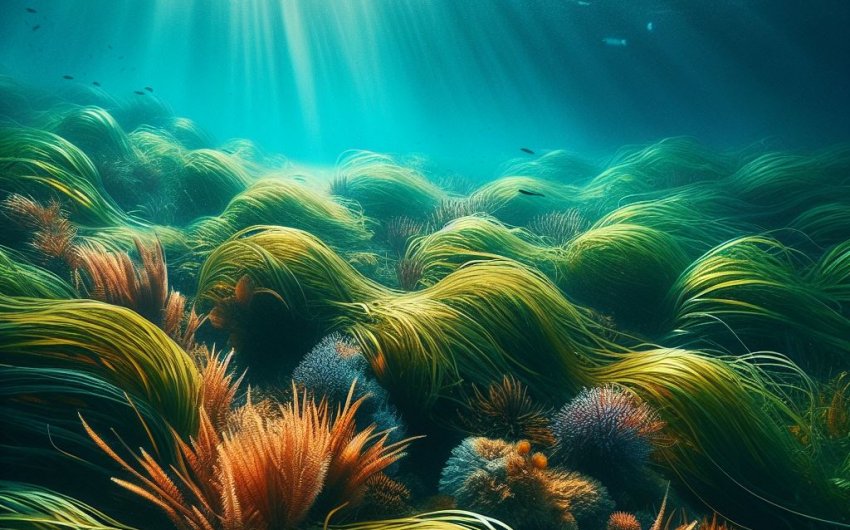
Unveiling compost potential in oceanic grasses like seagrass reveals a powerhouse of trace minerals, beneficial carbohydrates, and unique compounds that enrich your soil far beyond typical organic matter. Integrating seagrass into your compost pile is a sustainable way to harness this "seagrass symphony," leading to remarkably healthier plants, improved soil structure, and more resilient garden ecosystems.
What is Seagrass and Why is It a Composting Treasure?
Seagrass refers to true flowering plants (angiosperms), not algae, that have adapted to live fully submerged in marine or estuarine environments. While often overlooked by gardeners, these oceanic grasses possess a remarkable compost potential, offering unique benefits as a soil amendment.
Understanding Seagrass: A True Marine Plant
- Not Seaweed: Unlike seaweed (which are algae), seagrasses have roots, stems (rhizomes), and leaves, and produce flowers and seeds. They form extensive underwater meadows, playing crucial ecological roles.
- Ecological Importance: Seagrass meadows are vital coastal ecosystems, acting as nurseries for marine life, stabilizing sediment, improving water quality, and absorbing significant amounts of carbon dioxide.
- Decomposition Cycle: Naturally, seagrass detaches from its beds, washes ashore, and decomposes. This natural decomposition process is what we aim to replicate and accelerate in our compost piles.
Why Seagrass is a Composting Treasure: Its Unique Composition
The reason seagrass holds such immense compost potential lies in its unique nutritional profile, different from both land plants and even seaweed.
- Rich in Trace Minerals: Like seaweed, seagrass absorbs a vast array of trace elements and minerals from the marine environment. These include essential micronutrients often lacking in terrestrial soils, such as zinc, boron, iron, and manganese, along with macronutrients like calcium and magnesium.
- Unique Carbohydrates and Organic Compounds: Seagrass contains specific carbohydrates (e.g., poly-saccharides, like some in seaweed but distinct) and organic acids that are highly beneficial for soil structure and microbial life.
- Plant Growth Hormones (Possible): While less studied than in seaweed, some research suggests the presence of growth-promoting substances that can stimulate root development and overall plant vigor.
- Nitrogen and Carbon Balance: Dried seagrass typically provides a good balance of carbon and nitrogen, making it a valuable "brown" or "green" component depending on its decomposition stage. Fresh, wet seagrass acts more as a "green."
- Fungal/Bacterial Inhibition (Beneficial): Some studies suggest compounds in seagrass may have properties that inhibit certain plant pathogens, potentially contributing to disease suppression in the garden.
- Fibers for Soil Structure: The fibrous nature of seagrass provides excellent long-lasting organic matter that contributes to stable soil aggregates, improving soil structure over time.
Environmental Benefits of Composting Seagrass
- Waste Diversion: Utilizes a natural, often overlooked, resource that washes ashore, diverting it from landfills.
- Sustainable Sourcing: Collected from beaches, it's a renewable resource.
- Reduced Need for Synthetic Inputs: Enriches soil naturally, lessening reliance on chemical fertilizers.
- Closing the Nutrient Loop: Returns valuable marine-derived nutrients to land ecosystems.
Table: Seagrass Compost Potential vs. Typical Compost Ingredients
| Feature | Seagrass Compost | Typical Garden/Kitchen Compost |
|---|---|---|
| Trace Minerals | Very high, diverse | Moderate, depends on soil source |
| Growth Hormones | Potential presence | Less concentrated |
| Unique Carbohydrates | High, beneficial for soil | Variable |
| Salt Content | Requires careful rinsing | Minimal |
| Source | Oceanic, washed ashore | Terrestrial waste |
| Impact on Soil | Exceptional structure & nutrient boost | General soil improvement |
How Do You Safely Source and Prepare Seagrass for Composting?
Unveiling compost potential in oceanic grasses requires careful and responsible sourcing, with the most critical step being the removal of salt.
Responsible Sourcing: Respecting the Ecosystem
- Beach-Collected, Recently Washed Ashore:
- Timing: Collect seagrass that has recently washed ashore, typically after storms or during tides. It should still look relatively fresh, though it can be partially dried.
- Location: Collect from clean beaches, away from storm drains, industrial runoff, or heavily polluted areas.
- Permissions: Always check local regulations regarding collecting marine flora. Some beaches or protected areas prohibit it.
- Avoid Live Seagrass: Never, ever pull or disturb live seagrass beds. These ecosystems are vital and protected. Only collect detached, washed-up material.
- Check for Critters: Briefly inspect any collected seagrass for small marine animals (crabs, snails, fish) and return them to the water.
- Avoid Contamination:
- Debris: Be mindful of other debris (plastics, trash) mixed in with the seagrass. Separate these out carefully.
- Oily Sheens: Avoid collecting from areas with any oily sheen or chemical residue.
Essential Preparation: Removing the Salt
The high salt content of seagrass is its primary drawback for direct garden use, but easily managed for composting.
- Rinsing (Crucial Step):
- Thorough Wash: Thoroughly rinse the seagrass with fresh water. You can do this by spreading it out on a large tarp or concrete surface and hosing it down vigorously.
- Soaking (Recommended): For larger quantities or to be extra safe, place the seagrass in large tubs or barrels of fresh water. Let it soak for 24-48 hours, changing the water once or twice. This leaching process is very effective.
- Drainage: Ensure the rinsing water drains away completely; you don't want to carry salty water to your garden.
- Chopping (Highly Recommended):
- Smaller Pieces, Faster Decomposition: Chop the seagrass into smaller segments, ideally 2-6 inches (5-15 cm). This significantly increases the surface area for microbial activity, speeding up decomposition in your compost pile.
- Methods: Garden shears, a machete (carefully!), or even running over dried seagrass with a lawnmower (ensure no rocks or debris) can work.
- Drying (Optional, for Storage):
- Prevents Odor/Sliminess: If you collect a large amount and don't plan to compost it immediately, thoroughly dry the seagrass in the sun or a well-ventilated area until it's crispy. This prevents it from turning slimy or smelly before composting.
- Storage: Store dried seagrass in breathable bags (like burlap sacks) in a dry place.
Table: Seagrass Sourcing & Preparation Steps
| Step | Description | Why it's Important |
|---|---|---|
| Sourcing | Collect detached material from clean beaches; never live | Ethical and sustainable harvesting, avoids pollution |
| Rinsing | Thoroughly wash/soak with fresh water for 24-48h | Removes salt, prevents harm to plants/soil microbes |
| Chopping | Cut into smaller segments (2-6 inches) | Speeds up decomposition in compost pile |
| Drying | Sun/air dry for storage | Prevents sliminess/odor, allows later use |
How Do You Add Seagrass to Your Compost Pile for a Symphony of Success?
Integrating seagrass into your compost pile involves treating it as a valuable "green" material and ensuring proper layering and moisture balance to create a harmonious "seagrass symphony" of decomposition.
Seagrass as a "Green" Component in Composting
- High Nitrogen & Moisture: Fresh seagrass is rich in nitrogen and has a high moisture content, making it an excellent "green" component for your compost pile. It activates decomposition and helps balance out carbon-rich "brown" materials.
- Ideal Ratio: Aim for the classic compost ratio of roughly 2-3 parts "brown" material (dry leaves, shredded cardboard, wood chips) to 1 part "green" material (kitchen scraps, grass clippings, and your seagrass) by volume. This balance is crucial for efficient decomposition and preventing odors.
Layering Method: The Compost Lasagna
- Bottom Layer (Browns): Start your compost pile with a base layer of coarser brown materials (e.g., twigs, shredded branches) for good aeration.
- Alternate Layers: Add a layer of chopped, rinsed seagrass (your "green") a few inches thick.
- Avoid Thick Layers: Do not add overly thick layers of fresh seagrass on its own, as it can become dense, slimy, and anaerobic, leading to foul odors and stalled decomposition.
- Mix In: Immediately cover the seagrass layer with a thicker layer of brown materials. Mix the seagrass thoroughly with these browns using a pitchfork or compost aerator. This ensures good airflow and even distribution.
- Continue Layering: Alternate layers of browns, greens (including more seagrass), and other compostable kitchen scraps.
- Cap with Browns: Always finish any new addition of "greens" (especially kitchen scraps and fresh seagrass) with a layer of brown material. This helps deter pests and contain odors.
Moisture and Aeration: The Conductors of Your Symphony
- Moisture (The Orchestra's Humidity): Maintain consistent moisture in your compost pile, like a wrung-out sponge. Seagrass has high water content, but you may still need to add water if your pile gets dry or if you have a very high proportion of browns. Too dry, and microbial activity slows down.
- Aeration (The Rhythmic Turning): Regular turning of your compost pile (weekly to bi-weekly) is essential. This introduces oxygen, which fuels the aerobic microorganisms responsible for rapid decomposition and prevents the pile from becoming anaerobic (smelly). A compost aerator or a pitchfork is ideal for this. A Compost Tumbler makes aeration effortless.
Quantity of Seagrass
- Moderate Amounts: While seagrass is highly beneficial, it's best integrated as one component of a diverse compost pile. A good balance with other organic materials ensures a well-rounded and nutrient-rich finished compost.
- Regular Additions: If you have a continuous supply, integrate seagrass as a regular addition rather than trying to compost one huge batch all at once.
Table: Adding Seagrass to Compost Best Practices
| Practice | Description | Why it Works |
|---|---|---|
| Layering | Alternate thin layers of chopped seagrass with browns | Ensures aeration, prevents sliminess/odor |
| Mixing | Blend seagrass well with surrounding materials | Even distribution, promotes decomposition |
| Moisture Control | Maintain "wrung-out sponge" consistency | Essential for microbial activity |
| Aeration (Turning) | Regular turning for oxygen delivery | Fuels aerobic decomposition, prevents odors |
| Carbon-Nitrogen Balance | Aim for 2-3 parts brown to 1 part green (by volume) | Optimal microbial food source, prevents smells |
| Quantity | Moderate amounts, as a green component | Ensures balanced compost |
What Are the Transformative Benefits of Seagrass-Enriched Compost in Your Garden?
The ultimate reward of unveiling compost potential in oceanic grasses is witnessing the profound, transformative benefits that seagrass-enriched compost brings to your garden. It’s a true "seagrass symphony" for your soil.
Supercharged Soil Fertility and Health
- Complete Micronutrient Delivery: Seagrass-enriched compost infuses your soil with a vast array of trace minerals and micronutrients that are often depleted in terrestrial soils. This provides exceptionally comprehensive nutrition for your plants, leading to robust, healthier growth and addressing subtle deficiencies.
- Enhanced Nutrient Availability: The organic compounds in seagrass (like alginates and carbohydrates) feed the soil food web, and these microbes, in turn, make nutrients more readily available for plant uptake.
- Slow-Release Feeding: Nutrients are released slowly as the organic matter decomposes, providing a steady food supply throughout the growing season, reducing reliance on synthetic fertilizers.
Dramatically Improved Soil Structure and Water Management
- Superior Aggregation: The unique alginates in seagrass (polysaccharides) bind soil particles together into stable "aggregates." This creates a crumbly, porous soil structure that is ideal for plant roots.
- Better Drainage: For heavy clay soils, this significantly improves drainage and aeration, preventing waterlogging and root rot.
- Increased Water Retention: For sandy soils, it boosts water-holding capacity, so the soil acts more like a sponge, retaining moisture longer and reducing your watering needs.
- Enhanced Aeration: More air pockets in the soil mean better oxygen supply to roots, leading to stronger root systems and more vigorous plant growth.
- Reduced Erosion: Healthy soil structure is less prone to erosion from wind and rain, protecting your valuable topsoil.
Boosted Plant Vigor and Yield
- Stronger Roots: The improved soil structure and potential growth hormones from seagrass stimulate more vigorous and extensive root development, making plants more resilient to environmental stresses.
- Increased Growth: Expect lush, robust foliage and stronger stems due to the balanced nutrition and beneficial compounds.
- Abundant Blooms and Fruit: The comprehensive nutrient profile, particularly the trace minerals, contributes to more prolific flowering and larger, higher-quality fruits and vegetables.
Enhanced Disease and Pest Resistance
- Natural Immunity Boost: Compounds present in seagrass have been shown to trigger a plant's natural defense mechanisms, making them more inherently resistant to certain fungal diseases and possibly some insect pests.
- Healthy Plant Defense: A plant that is completely nourished and experiencing optimal growing conditions is naturally more resilient and better able to fend off challenges from pests and diseases on its own.
- Beneficial Microbes: The thriving soil microbial community fostered by seagrass-enriched compost plays a vital role in suppressing soil-borne pathogens.
Long-Term Soil Revitalization and Sustainability
- Building Living Soil: Regularly adding seagrass-enriched compost fundamentally transforms depleted or poor soils, building organic matter, enriching it with a full spectrum of marine-derived nutrients, and stimulating a vibrant, healthy soil food web.
- Closing the Nutrient Loop: It represents a beautiful example of a circular economy, taking a natural resource from the ocean's edges and returning its vital nutrients to land-based ecosystems, promoting genuine sustainability in your garden.
By bringing the oceanic offerings of seagrass into your composting routine, you are truly unveiling compost potential that will orchestrate a "seagrass symphony" in your garden, leading to unparalleled soil health, plant vitality, and bountiful harvests.