
Discover the Best Fish for Aquaponics: Building Your Ecosystem!
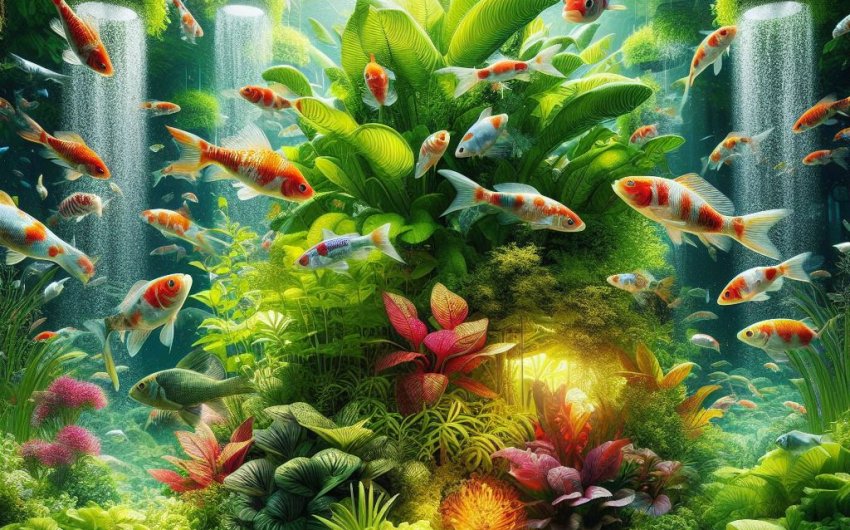
Have you ever dreamed of growing your own fresh produce and raising healthy fish all in one integrated system? Welcome to the exciting world of aquaponics! It’s a fascinating blend of aquaculture (raising fish) and hydroponics (growing plants without soil). In an aquaponics system, fish waste provides nutrients for the plants, and the plants, in turn, filter the water for the fish. It’s a beautiful, symbiotic relationship that creates a miniature ecosystem right in your backyard or even indoors. But for your system to truly thrive, one of the most important decisions you'll make is choosing the best fish for aquaponics. The right fish will be hardy, grow well, and produce enough waste to nourish your plants without overwhelming the system. Let's dive deep into the watery world of aquaponics fish and discover how to build a balanced, productive, and sustainable aquaponics ecosystem.
What is Aquaponics and Why Choose It?
Before we pick our finned friends, let's make sure we understand the magic of aquaponics and why so many people are turning to this innovative growing method.
The Symbiotic Relationship
At its heart, aquaponics is a simple yet powerful concept:
- Fish produce waste: As fish eat and live, they excrete waste, mainly in the form of ammonia.
- Bacteria convert waste: Beneficial bacteria living in the system (especially in your grow beds or biofilter) convert the toxic ammonia first into nitrites, and then into nitrates. Nitrates are a form of nitrogen that plants can easily use as food.
- Plants absorb nutrients: The nitrate-rich water flows from the fish tank to the plant grow beds. The plants absorb these nitrates and other nutrients, effectively cleaning the water for the fish.
- Clean water returns to fish: The filtered, clean water then flows back to the fish tank, completing the cycle.
This continuous cycle means you don't need to constantly change fish tank water (like in traditional aquaculture) and you don't need to add synthetic fertilizers to your plants (like in traditional hydroponics). It’s a truly sustainable food production system.
Benefits of Aquaponics
Why are people so excited about aquaponics? The benefits are many:
- Water conservation: Aquaponics uses significantly less water (up to 90% less!) than traditional soil-based gardening because water is recirculated, not lost to evaporation or runoff.
- Reduced fertilizer use: Fish waste is the fertilizer, eliminating the need for expensive and environmentally impactful chemical fertilizers.
- Faster plant growth: Plants often grow faster in aquaponics than in soil because they have direct access to nutrient-rich water.
- Chemical-free food: You control what goes into your system, meaning you can grow organic, pesticide-free fish and produce.
- Less labor: No weeding, no tilling, and less watering compared to soil gardening.
- Year-round production: Indoor aquaponics systems can produce food regardless of the season or climate, giving you fresh produce all year.
- Educational: It's a fantastic educational tool for learning about biology, chemistry, and sustainable food systems.
- Space efficient: Can be set up in small spaces, from a patio to a garage.
Key Factors for Choosing Aquaponics Fish
Picking the right fish isn't just about taste (if you plan to eat them!). Several important factors influence how well a fish will perform in an aquaponics system.
1. Hardiness and Tolerance
Your fish need to be tough. An aquaponics system, especially for beginners, can have some ups and downs in water quality.
- Tolerance to fluctuations: The best aquaponics fish can handle slight swings in temperature, pH, and nutrient levels without getting stressed or sick. This means they are less prone to disease and more forgiving of beginner mistakes.
- Disease resistance: Naturally robust fish are less likely to fall ill, which protects not only the fish but also the overall health of your system. A sick fish can lead to a crash in beneficial bacteria and nutrient imbalances.
2. Growth Rate
How quickly your fish grow impacts how soon you can harvest them (if that's your goal) and how quickly they produce waste for your plants.
- Fast growers: Fish that reach a good size in 6-12 months are ideal for regular harvests and consistent nutrient supply. Slower growers might be more for ornamental systems.
- Waste production: A faster-growing fish will generally produce more waste, meaning more nutrients for your plants.
3. Temperature Requirements
This is a big one. Fish are either cold-water fish or warm-water fish. Your choice here will often dictate what kind of plants you can grow.
- Warm-water fish: Prefer water temperatures generally above 70°F (21°C). These are excellent for growing warm-weather crops like tomatoes, peppers, basil, and cucumbers. Many edible fish fall into this category.
- Cold-water fish: Prefer cooler temperatures, often below 65°F (18°C). These are suitable for growing cool-weather crops like leafy greens, lettuce, kale, and root vegetables.
- Matching fish and plants: Try to match your fish's temperature preference with the plants you want to grow. Trying to grow lettuce with tilapia in 80°F water probably won't work well!
4. pH Tolerance
pH measures how acidic or alkaline your water is. Most aquaponics systems aim for a slightly acidic to neutral pH (around 6.0-7.0) because this range is best for both nutrient absorption by plants and the health of the nitrifying bacteria.
- Fish pH range: Choose fish that are comfortable in this general pH range. Some fish prefer very specific pH levels, which can make balancing the system more challenging.
- Bacteria preference: Remember, your beneficial bacteria thrive around a pH of 6.0-7.5. Keeping the pH too low (acidic) or too high (alkaline) can slow down or stop the conversion of ammonia to nitrates.
5. Edibility (if applicable)
If your goal is to grow your own food, the edibility and taste of the fish are important considerations.
- Fillet size: How much edible meat will you get from each fish?
- Taste and texture: Do you enjoy eating this type of fish?
- Marketability: If you plan to sell your produce and fish, consider what's popular in your local market.
6. Availability and Legality
- Local sources: Can you easily source fingerlings (young fish) from a local hatchery or reputable supplier? Shipping live fish can be stressful and expensive.
- State regulations: Always check your local and state laws regarding what fish species are legal to possess and raise in your area. Some states have restrictions on non-native species due to environmental concerns.
7. Behavior and Compatibility
- Aggression: Are the fish aggressive towards each other? Too much aggression can lead to stress, injury, and disease.
- Schooling vs. solitary: Do they prefer to be in groups or alone?
- Waste production: Do they produce a consistent amount of waste? Some fish produce less waste than others, which might not be enough for nutrient-hungry plants.
The Best Fish for Aquaponics: Top Choices
Now for the exciting part – meeting the stars of the aquaponics world! These species have proven themselves reliable, productive, and relatively easy to manage for beginners and experienced growers alike.
1. Tilapia (Oreochromis niloticus, O. mossambicus, etc.)
Tilapia are often called the "aquaponics powerhouse" for good reason. They are probably the most common fish raised in aquaponics systems worldwide, especially for food production.
- Hardiness: Extremely hardy, tolerating a wide range of water conditions, including lower oxygen levels and fluctuating temperatures. This makes them very forgiving for beginners.
- Growth Rate: Very fast growers. They can reach a harvestable size (1-1.5 lbs) in 6-9 months under good conditions.
- Temperature: Warm-water fish, ideal between 70-85°F (21-29°C). This makes them perfect for growing popular warm-weather vegetables.
- pH Tolerance: Very adaptable, thriving in pH levels from 6.0-9.0, though closer to neutral (6.5-7.5) is best for the overall system.
- Edibility: Excellent, mild-flavored white meat fish. Very popular for eating.
- Waste Production: Consistent and ample, providing plenty of nutrients for plants.
- Considerations: They reproduce rapidly, which can lead to overcrowding. You might need to manage breeding or use all-male fingerlings. They are also sensitive to very cold temperatures, so require heating in cooler climates. Some states restrict ownership of live Tilapia due to their invasive potential if released into wild waterways. Always check local regulations.
2. Catfish (Channel Catfish - Ictalurus punctatus)
Channel Catfish are another excellent choice, especially for larger systems and those looking for a different edible fish.
- Hardiness: Very hardy and resilient, able to handle varied water conditions.
- Growth Rate: Fast to medium-fast growers, reaching harvestable size in about 8-12 months.
- Temperature: Warm-water fish, preferring 75-85°F (24-29°C), but can tolerate slightly cooler temperatures than Tilapia.
- pH Tolerance: Adaptable to a wide range, similar to Tilapia (6.0-8.5).
- Edibility: Popular, mild-flavored white meat.
- Waste Production: Good nutrient producers.
- Considerations: Can be more aggressive than Tilapia, especially during feeding. They are bottom feeders, so their waste might need a bit more mechanical filtration to prevent settling. They can also grow quite large, so ensure your tank is big enough.
3. Trout (Rainbow Trout - Oncorhynchus mykiss, Brook Trout - Salvelinus fontinalis)
Trout are the go-to for cold-water aquaponics systems.
- Hardiness: Moderately hardy, but less tolerant of fluctuating water parameters than Tilapia. They require consistently cool, highly oxygenated water.
- Growth Rate: Fast growers, can reach harvestable size in 9-12 months.
- Temperature: Cold-water fish, ideally 55-65°F (13-18°C). Above 70°F (21°C) is lethal.
- pH Tolerance: Prefer slightly acidic to neutral water (6.5-7.5).
- Edibility: Highly prized, flavorful fish.
- Waste Production: Good, consistent waste for plants.
- Considerations: Their need for cool, oxygenated water means you might need chillers or significant aeration, increasing energy costs. This also limits what plants you can grow (cool-season crops like lettuce, kale, herbs). They are also more susceptible to stress from handling and water quality issues.
4. Koi and Goldfish (Ornamental Fish)
If your primary goal isn't eating the fish but rather producing food for your plants and enjoying an ornamental display, Koi and Goldfish are excellent choices.
- Hardiness: Extremely hardy and tolerant of a wide range of conditions, making them ideal for beginners. They can withstand lower temperatures than Tilapia.
- Growth Rate: Medium to fast for goldfish, slow to medium for Koi depending on size.
- Temperature: Wide tolerance, from 40-85°F (4-29°C). Goldfish are excellent cold-water choices, while Koi are more adaptable.
- pH Tolerance: Very adaptable (6.0-8.0).
- Edibility: Not typically eaten (though some do eat goldfish, it's not common).
- Waste Production: Excellent waste producers, providing plenty of nutrients for your plants.
- Considerations: Koi can grow very large and require substantial tank space. Goldfish are easier to manage in smaller systems. Their main purpose is nutrient production for plants and aesthetics.
5. Other Potential Fish (with caveats)
- Perch (Yellow Perch - Perca flavescens): Good cold-water option, hardy, good eating, but slower growing than trout or tilapia.
- Crappie (Pomoxis spp.): Similar to perch, good eating, but can be slower growing and more sensitive to water quality.
- Carp (Common Carp - Cyprinus carpio): Extremely hardy and fast-growing, but often considered an undesirable food fish in some cultures, and can be very messy. Good for nutrient production if edibility isn't a concern.
- Barramundi (Lates calcarifer): A fast-growing, excellent eating fish, but very sensitive to water quality, requires large tanks, and is a warm-water fish (80-85°F). More for experienced commercial growers.
Setting Up Your Fish Tank: Creating a Healthy Home
Choosing the right fish is only half the battle. You need to provide them with a healthy and stable environment.
Tank Size and Stocking Density
- Size matters: The size of your fish tank (also known as the fish culture tank) dictates how many fish you can comfortably raise and, by extension, how many plants your system can support. A common starting point for a home system might be a 50-gallon to 200-gallon tank.
- Stocking density: This refers to how many fish you put in your tank. A general rule of thumb for beginners is 0.5-1 pound of fish per 10 gallons of water. As you gain experience, you might increase this to 1-2 pounds per 10 gallons. Overstocking is a common beginner mistake and leads to poor water quality, stressed fish, and slow plant growth. Always think about the adult size of your fish when calculating!
Water Quality Parameters
Monitoring and maintaining water quality is paramount for both fish and plants. You'll need a good aquaponics water testing kit that measures:
- Ammonia ((NH_3)): Toxic to fish. Should always be (0\text{ ppm}) once your system is cycled.
- Nitrite ((NO_2)): Also toxic to fish. Should be (0\text{ ppm}) once cycled.
- Nitrate ((NO_3)): Plant food! Should be present, typically 10-80 ppm, depending on plant needs.
- pH: As discussed, aim for 6.0-7.0 for optimal plant and bacterial health.
- Temperature: Crucial for fish survival and growth. You might need an aquarium heater for warm-water fish or a chiller for cold-water fish.
- Dissolved Oxygen (DO): Fish need oxygen to breathe. Ensure good aeration.
Aeration and Water Flow
- Air pumps: Essential for providing oxygen to your fish. An aquarium air pump connected to air stones creates bubbles that oxygenate the water.
- Water pumps: These move water from the fish tank to the grow beds and back, ensuring continuous circulation and filtration. Choose a submersible water pump that is rated for your system's volume and head height (how high it needs to pump water).
- Water flow rate: A general guideline is to circulate the entire volume of your fish tank through the grow beds at least once every hour. This ensures adequate oxygen for fish and nutrient delivery to plants.
Filtration (Mechanical and Biofiltration)
- Mechanical filtration: Removes solid fish waste before it breaks down and clogs your system. This can be as simple as a swirl filter, radial flow filter, or even filter mats.
- Biofiltration: This is where your beneficial bacteria live! In most aquaponics systems, the grow beds themselves (especially media beds with gravel) act as excellent biofilters. For larger or more intensive systems, you might add a separate dedicated biofilter filled with specialized media. The beneficial bacteria convert ammonia and nitrite into usable nitrates for the plants.
Cycling Your Aquaponics System: The Nitrogen Cycle in Action
Before you add fish, you must "cycle" your system. This is the process of building up the beneficial bacteria that convert fish waste into plant food. Without a proper cycle, ammonia and nitrites will build up and kill your fish.
The Stages of the Nitrogen Cycle
- Ammonia production: Starts when you introduce an ammonia source (fish food, pure ammonia, or even a few "starter" fish).
- Nitrosomonas bacteria: These bacteria convert ammonia ((NH_3)) into nitrites ((NO_2)).
- Nitrobacter bacteria: These bacteria convert nitrites ((NO_2)) into nitrates ((NO_3)).
- Nitrate consumption: Plants absorb the nitrates, cleaning the water.
How to Cycle Your System
Fishless Cycling: This is the recommended method for beginners, as it doesn't put any fish at risk.
- Set up your entire system (fish tank, pump, grow beds, etc.) and fill it with dechlorinated water.
- Add an ammonia source. You can use pure ammonia (without surfactants) at a rate that brings the level to around 2-4 ppm.
- Monitor ammonia, nitrite, and nitrate levels daily using your water testing kit.
- Ammonia will rise, then nitrites will rise as ammonia converts.
- Eventually, nitrites will drop, and nitrates will begin to appear and rise. This means your nitrifying bacteria colony is established.
- Once both ammonia and nitrite consistently read (0\text{ ppm}) and you have measurable nitrates, your system is cycled and ready for fish! This process can take 4-8 weeks.
Cycling with Fish (Less Recommended): This involves adding a few very hardy "starter" fish and letting their waste begin the cycle. It's riskier for the fish and requires constant monitoring and potential partial water changes to keep ammonia/nitrite levels low enough to prevent fish death. It's generally not advised for first-timers.
Fish Feed and Nutrition
What you feed your fish directly impacts their health and the nutrients available to your plants.
High-Quality Fish Feed
- Balanced diet: Choose a high-quality, commercially prepared aquaponics fish feed or fish food pellets specifically designed for the type of fish you are raising. It should be complete and balanced with all necessary proteins, fats, vitamins, and minerals.
- Protein content: Look for a feed with adequate protein content for your fish species (e.g., Tilapia generally need 32-38% protein).
- Sinking vs. Floating: Most fish prefer sinking pellets, but some prefer floating. Consider your fish's feeding habits.
- Avoid overfeeding: This is a common mistake! Overfeeding leads to uneaten food rotting in the tank, causing ammonia spikes and water quality issues. Feed only what your fish can consume in 3-5 minutes, 1-3 times a day.
Nutrient Transfer
The nutrients from the fish feed are broken down by the fish and then by the beneficial bacteria, becoming available for plants. This means that a good fish diet directly translates to a good plant diet. If your plants show nutrient deficiencies, the first place to look is often the fish feed or the overall fish density and feeding rate.
Integrating Fish and Plants: Balancing the Ecosystem
The success of your aquaponics system hinges on finding the right balance between the number of fish, the amount of feed, and the number and type of plants.
Fish-to-Plant Ratios
There's no single perfect ratio, as it depends on your system's design, fish type, and plants. However, some general guidelines exist:
- Leafy greens: These are less nutrient-hungry and can do well with lower fish densities.
- Fruiting plants: Tomatoes, peppers, and cucumbers are heavy feeders and require more fish (and more fish waste/feeding) to thrive.
- General starting point: For a media bed system (like DWC hydroponics system with gravel beds), you might start with 1 fish per 5-10 gallons of water if aiming for a mix of leafy greens and light fruiting plants. For heavy fruiting plants, you might need 1 fish per 3-5 gallons. This will vary as fish grow!
Monitoring Plant Health
Your plants are your best indicators of nutrient levels.
- Yellowing leaves: Can indicate a nitrogen deficiency (not enough fish waste/feeding or a problem with bacteria converting ammonia to nitrates).
- Stunted growth: Can be a general sign of nutrient deficiency or other issues.
- Leaf discoloration (other than yellow): Might point to deficiencies in other micronutrients, which are often provided by the fish feed.
If plants show nutrient deficiencies, you can often solve it by increasing fish feeding (carefully, without overfeeding) or adding more fish. In some cases, very specific nutrient deficiencies (like iron) might require a chelated supplement added directly to the water, but this should be a last resort.
Maintenance Schedule
Regular maintenance keeps your ecosystem humming.
- Daily: Check fish health and behavior. Check water temperature. Feed fish.
- Weekly: Test water parameters (ammonia, nitrite, nitrate, pH). Top off water (use dechlorinated water!). Clean any solid waste traps or filters.
- Monthly: Inspect pumps, air stones, and plumbing for clogs or issues. Clean grow beds if necessary.
- As needed: Harvest fish and plants. Cull weaker fish. Thin out plants.
Common Mistakes to Avoid
Even with the best intentions, beginners can make mistakes. Knowing these pitfalls can save you a lot of headache (and fish!).
1. Not Cycling the System Properly
- Consequence: Ammonia and nitrite spikes will kill your fish.
- Solution: Fishless cycling is crucial. Be patient, test your water, and don't add fish until ammonia and nitrite are consistently (0\text{ ppm}).
2. Overfeeding Fish
- Consequence: Uneaten food fouls the water, leading to ammonia spikes, cloudy water, and stressed fish.
- Solution: Feed only what your fish can consume in 3-5 minutes. It's better to underfeed slightly than overfeed.
3. Overstocking the Fish Tank
- Consequence: Too many fish in a small space leads to poor water quality, oxygen depletion, stunted growth, and disease.
- Solution: Research the mature size of your chosen fish. Start with a conservative stocking density and gradually increase as your system matures and you gain experience.
4. Ignoring Water Parameters
- Consequence: Unbalanced water chemistry can stress fish, harm beneficial bacteria, and lead to nutrient deficiencies in plants.
- Solution: Invest in a good aquaponics test kit and test regularly, especially in the beginning. Learn what ideal ranges are for your chosen fish and plants.
5. Not Enough Aeration
- Consequence: Low dissolved oxygen levels will stress and eventually kill your fish.
- Solution: Ensure your air pump and air stone are appropriately sized for your tank volume. Water splashing from the return pipe also adds oxygen.
6. Not Enough Biofiltration
- Consequence: Ammonia and nitrites won't be properly converted into nitrates, leading to toxic water for fish.
- Solution: Ensure your grow beds or dedicated biofilter have enough surface area for beneficial bacteria to colonize. Don't clean your grow beds too thoroughly; the bacteria are what make your system work!
7. Choosing the Wrong Fish for Your Climate/Goals
- Consequence: Fish won't thrive, leading to stress, disease, and poor performance for both fish and plants.
- Solution: Carefully consider your local climate (do you need to heat/cool?), your goals (edible fish vs. ornamental, leafy greens vs. fruiting plants), and choose fish accordingly.
By selecting the best fish for aquaponics and diligently managing your system, you are not just growing food; you are building a living, breathing ecosystem. It's a rewarding journey that connects you more deeply with your food source and the natural world. With a little patience and care, your aquaponics system will soon be a flourishing hub of green growth and healthy fish, providing fresh, sustainable produce right at your fingertips!