
Green Thumb Alert: Dive into Hydroponic Gardening DIY!
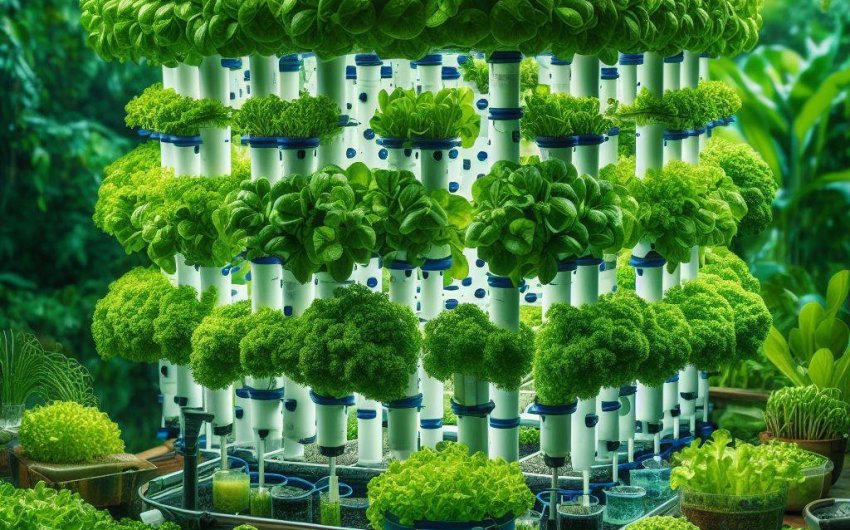
Ever dreamed of growing your own fresh vegetables and herbs, but don't have a big backyard? Or maybe you're fascinated by growing plants in new and exciting ways? If so, get ready for a Green Thumb Alert! It's time to dive into hydroponic gardening DIY! Hydroponics is a super smart way to grow plants without soil. Instead, plants grow in water rich with nutrients. This might sound futuristic, but it's actually quite simple to start at home, even on a small scale. Imagine fresh lettuce in winter, juicy tomatoes on your balcony, or fragrant herbs right in your kitchen, all growing faster and often with less water than traditional soil gardens. It's an incredibly efficient and rewarding way to grow food, and this guide will show you how to start your very own DIY hydroponic system.
What Exactly is Hydroponic Gardening?
Hydroponics literally means "water working." It's a method of growing plants using mineral nutrient solutions dissolved in water, without soil. Instead of soil, a plant's roots are supported by an inert (meaning it doesn't add nutrients or chemicals) growing medium, or sometimes just suspended directly in the nutrient solution.
Why Grow Hydroponically?
There are many fantastic reasons why more and more people are turning to hydroponic gardening DIY.
1. Faster Growth
- Direct Nutrient Access: In hydroponics, plant roots are constantly bathed in a nutrient-rich solution. They don't have to search for food, so they can focus all their energy on growing leaves, stems, and fruits. This often leads to significantly faster growth rates compared to soil-grown plants.
2. Saves Water
- Recirculation: In many hydroponic systems, the water is recirculated. This means the plant only takes what it needs, and the excess water (and nutrients) is collected and reused. This can lead to up to 90% less water usage compared to traditional gardening, where much of the water evaporates or runs off.
3. No Soil, No Weeds, Fewer Pests
- Clean and Tidy: Without soil, you eliminate all the mess that comes with it.
- Weed-Free: Weeds need soil to grow, so they are virtually non-existent in a hydroponic setup.
- Reduced Pests: Many soil-borne pests are removed from the equation, and while flying insects can still be an issue, the overall risk of pest infestation is much lower.
4. Space Efficiency
- Vertical Growing: Hydroponic systems are perfect for vertical setups, allowing you to grow many plants in a small footprint. This is ideal for apartments, balconies, or small homes.
- Indoor Gardening: You can easily set up a hydroponic garden indoors, allowing you to grow fresh produce year-round, regardless of the weather outside.
5. Better Yields
- Optimized Conditions: Because you have precise control over nutrients, water, and often light, plants can thrive under ideal conditions, leading to higher yields.
6. Environmental Benefits
- Reduced Land Use: Hydroponics requires much less land area.
- No Runoff Pollution: No fertilizers or pesticides running off into natural water sources.
What Are the Essential Components of Any Hydroponic System?
No matter which specific DIY hydroponic system you choose to build, a few core elements are always necessary.
1. Growing Medium (Substrate)
Since there's no soil, you need something to support the plant's roots. This medium is inert, meaning it doesn't provide nutrients on its own.
Common Types
- Rockwool: Made from spun basalt rock, it's excellent for starting seeds and seedlings due to its good water retention and aeration. You can find Rockwool cubes for hydroponics.
- Perlite: Lightweight, porous volcanic glass that holds moisture well and provides aeration.
- Vermiculite: A mineral that expands when heated, good for water retention and aeration.
- Coco Coir: Made from coconut husks, it's sustainable, holds water well, and offers good aeration. You can get coco coir bricks.
- Hydroton (Clay Pebbles/LECA): Lightweight Expanded Clay Aggregate. Porous, provides good support, aeration, and drainage. Reusable.
- Net Pots: Plastic cups with mesh bottoms used to hold the growing medium and the plant, allowing roots to grow into the nutrient solution.
2. Nutrient Solution
This is the "food" for your plants. It's a precise blend of minerals dissolved in water.
Essential Elements
- Macronutrients: Nitrogen (N), Phosphorus (P), Potassium (K) – needed in large amounts.
- Secondary Nutrients: Calcium (Ca), Magnesium (Mg), Sulfur (S).
- Micronutrients: Iron (Fe), Manganese (Mn), Boron (B), Zinc (Zn), Copper (Cu), Molybdenum (Mo), Chlorine (Cl) – needed in small amounts.
Formulations
- Liquid Concentrates: Most common for home growers. Often come in "Part A" and "Part B" (and sometimes "Part C" or "Bloom" formulas) to prevent nutrient lockout. Follow dilution instructions carefully. A good starter choice is General Hydroponics Flora Grow, Bloom, Micro Combo.
- Powder Nutrients: More concentrated, require careful mixing.
3. Water
The base for your nutrient solution.
Quality Matters
- Tap Water: Can be used, but test its pH and check for high chlorine/chloramine or mineral content. Some municipal water is too "hard" (high in minerals).
- Filtered Water: Using a simple carbon filter can remove chlorine.
- Reverse Osmosis (RO) Water: The purest option, giving you full control over nutrient ratios, but can be expensive to produce.
4. Lighting
Crucial for photosynthesis if growing indoors.
Natural Light
- Sunny Window: Can work for leafy greens and herbs, but often not enough for fruiting plants.
- Greenhouse: Excellent for year-round natural light.
Artificial Grow Lights
- LED Grow Lights: Most energy-efficient and popular choice. They come in various spectrums, with full-spectrum being best for overall plant growth. A full-spectrum LED grow light is essential for indoor hydroponics.
- Fluorescent Lights (T5): Good for seedlings and leafy greens, less powerful for fruiting plants.
- Light Cycle: Most plants need 12-16 hours of light per day, followed by a period of darkness. Use a timer for consistency.
5. pH Testing Kit
The pH level of your nutrient solution is critical!
Importance of pH
- Nutrient Availability: Plants can only absorb nutrients when the solution's pH is within a specific range, usually between 5.5 and 6.5 for most vegetables. If pH is too high or too low, nutrients become "locked out," and plants can't access them, even if present.
- pH Up/Down: You'll need pH Up (to raise pH) and pH Down (to lower pH) solutions.
- Testing Kits: Use pH testing drops or a digital pH meter for accurate readings. A digital pH meter is highly recommended for accuracy and ease of use.
How Do You Build Simple DIY Hydroponic Systems?
Let's get practical! Here are a few easy-to-build DIY hydroponic systems that are perfect for beginners.
1. Deep Water Culture (DWC) / Raft System
This is one of the simplest and most popular systems for beginners. Plants sit directly in the nutrient solution.
How it Works
- Plants are suspended in net pots, with their roots dangling directly into a reservoir of nutrient solution.
- An air pump with an air stone oxygenates the water, preventing roots from drowning and promoting healthy growth.
What You Need for a DIY DWC System
- Opaque Container: A food-grade plastic container (e.g., storage bin, tote) with a lid, about 5-10 gallons. It MUST be opaque to block light, which prevents algae growth in the nutrient solution. A black storage tote with lid works well.
- Net Pots: 2-4 inch net pots.
- Air Pump & Air Stone: An aquarium air pump and an air stone with tubing. A aquarium air pump kit typically includes everything.
- Growing Medium: Rockwool, coco coir, or clay pebbles to hold the plants in the net pots.
- Hydroponic Nutrients: Liquid nutrient solution.
- pH Testing Kit & Adjusters: pH Up and pH Down.
DIY Setup Steps
- Prepare Lid: Cut holes in the lid of your container, sized to fit your net pots. Space them out appropriately for the plants you'll grow.
- Attach Air Stone: Attach the air stone to the air pump tubing and place it at the bottom of the container.
- Mix Nutrients: Fill the container with water and add your hydroponic nutrients according to the manufacturer's directions.
- Test pH: Test the pH of the solution and adjust it to the ideal range (5.5-6.5) using pH Up or pH Down.
- Place Plants: Gently place your pre-started seedlings (in Rockwool cubes or similar) into the net pots, surrounding them with your chosen growing medium.
- Set Up: Place the net pots into the holes in the lid, ensuring the bottom of the net pots (and roots) are submerged in the nutrient solution.
- Turn On Air Pump: Plug in and turn on your air pump.
- Monitor: Regularly check nutrient solution levels, pH, and plant health. Refill solution as needed.
2. Wick System
This is the simplest passive hydroponic system, great for individual plants or small herbs. It's often used for classroom projects.
How it Works
- A wick (made of felt, nylon rope, or similar absorbent material) draws nutrient solution up from a reservoir to the plant's roots in a growing medium.
- No pumps or electricity are needed (other than for lights if growing indoors).
What You Need for a DIY Wick System
- Two Containers: One for the reservoir (bottom, opaque), one for the plant (top, with holes for wicks). An old food container or a plastic bottle cut in half can work.
- Wick Material: Felt strips, nylon rope, or Mop Head Microfiber Refills work well. A hydroponic wicking material is also available.
- Growing Medium: Perlite, vermiculite, or coco coir (not hydroton, which is too coarse for wicking).
- Hydroponic Nutrients: Liquid nutrient solution.
DIY Setup Steps
- Prepare Plant Container: Drill or cut a few small holes in the bottom of your top container (the plant container). Thread the wick material through the holes, leaving enough hanging down to reach the bottom of the reservoir.
- Fill Plant Container: Fill the top container with your growing medium.
- Plant Seedling: Gently plant your seedling into the growing medium.
- Prepare Reservoir: Fill your bottom container (reservoir) with nutrient solution.
- Assemble: Place the plant container on top of the reservoir, ensuring the wicks are submerged in the solution.
- Monitor: Keep the reservoir topped up with fresh nutrient solution.
3. Drip System (Simple Recirculating)
A bit more complex than DWC or Wick, but highly effective for larger setups or multiple plants.
How it Works
- A pump delivers nutrient solution from a reservoir to the base of each plant (in pots filled with growing medium) via small drip emitters.
- Excess solution drains back into the reservoir for reuse.
What You Need for a DIY Drip System
- Reservoir: Large opaque container (e.g., 10-20 gallon tote).
- Grow Trays/Pots: Individual pots (with drainage holes) or a grow tray for multiple plants.
- Submersible Pump: A small submersible pump for aquariums or ponds.
- Tubing and Drip Emitters: Small diameter tubing and adjustable drip emitters for each plant. You can get a drip irrigation kit for gardens.
- Timer: An electrical timer to control pump cycles.
- Growing Medium: Rockwool, coco coir, or clay pebbles.
DIY Setup Steps (Simplified)
- Prepare Reservoir: Place pump in reservoir.
- Set Up Growing Area: Arrange pots/tray above the reservoir, ensuring drainage returns to the reservoir.
- Connect Tubing: Run main tubing from pump to plants, then branch off with smaller lines and emitters to each plant.
- Mix Nutrients: Fill reservoir with nutrient solution and adjust pH.
- Plant: Place plants in pots with growing medium.
- Set Timer: Program the timer to run the pump for short bursts throughout the day (e.g., 15 minutes on, 45 minutes off, varies by plant/medium).
What Plants Are Best for Your Beginner DIY Hydroponic Garden?
Start with easy-to-grow, fast-maturing plants to build confidence.
1. Leafy Greens
- Lettuce (especially Butterhead, Romaine, Looseleaf): Super easy, fast-growing, and perfect for DWC or wick systems. You'll have fresh salad greens in weeks!
- Spinach: Similar to lettuce, grows quickly and loves hydroponics.
- Kale: A bit slower than lettuce, but very rewarding.
- Swiss Chard: Adds color and is very productive.
2. Herbs
- Basil: Grows incredibly well hydroponically, often much faster and bushier than in soil.
- Mint: A vigorous grower that thrives in hydroponics.
- Chives: Easy to grow and adds great flavor.
- Cilantro: Can be a bit trickier as it prefers cooler temps, but rewarding if successful.
- Parsley: Steady grower once established.
3. Other Easy Vegetables
- Cherry Tomatoes: While fruiting plants are more demanding, cherry tomatoes can do well in larger DWC systems if given enough light. They will need support (stakes or cages).
- Bush Beans: Some compact bush bean varieties can be grown.
- Strawberries: Excellent for vertical systems once established.
Plants to Avoid (for Beginners)
- Root Vegetables: Carrots, potatoes, radishes – difficult in hydroponics due to their root development.
- Large Vining Plants: Watermelons, pumpkins – require too much space and advanced support systems.
- Corn: Needs extensive root systems and large nutrient uptake.
How Do You Care for Your Hydroponic Garden?
While some aspects of care are simpler than soil gardening, others require a bit more precision.
1. Monitor pH Levels
- Daily or Every Other Day: Check the pH of your nutrient solution regularly. It will fluctuate as plants absorb nutrients.
- Adjust as Needed: Use pH Up or pH Down to keep the pH within the ideal range (5.5-6.5 for most plants).
- Consistency is Key: Stable pH ensures nutrient availability.
2. Maintain Nutrient Solution Levels
- Top Off Regularly: As plants drink, the water level will drop. Top off the reservoir with fresh water.
- Full Solution Change: Change the entire nutrient solution every 1-2 weeks. This prevents nutrient imbalances or pathogen buildup. For larger systems, you can go longer, but beginners should stick to weekly changes.
3. Provide Proper Lighting
- Consistent Light Cycle: Use a timer to ensure plants get 12-16 hours of light per day, followed by darkness.
- Adjust Light Height: As plants grow, raise your grow light to maintain the optimal distance (check light manufacturer's recommendations). Too close can scorch, too far can cause legginess.
4. Air Circulation
- Fan (Optional but Recommended): A small oscillating fan in your grow space can help strengthen stems, improve air circulation, and reduce the risk of mold or fungal issues.
5. Pest and Disease Management
While reduced, pests and diseases can still occur.
- Inspect Regularly: Check your plants daily for any signs of pests (small bugs, sticky residue, chewed leaves) or disease (spots, discoloration).
- Early Action: Isolate affected plants if possible. For pests, use organic options like neem oil spray or insecticidal soap. A neem oil concentrate can be diluted and sprayed.
- Sterilize: Clean your system thoroughly between growing cycles to prevent pathogen buildup.
6. Keep Records
- Garden Journal: Note down: pH readings, nutrient additions, water change dates, observations about plant growth, and any issues. This helps you learn and improve with each grow cycle. A simple gardening journal will suffice.
What Are Some Tips for Hydroponic Success?
1. Start Simple
Don't try to build the most complex system first. Begin with a DWC or wick system to learn the ropes.
2. Choose the Right Plants
Stick to the easy-to-grow leafy greens and herbs initially.
3. Quality Nutrients and pH Kit
Don't skimp on these. They are the lifeblood of your hydroponic system.
4. Monitor Regularly
Hydroponics is more hands-on with monitoring than soil gardening, especially with pH.
5. Be Patient
While growth is faster, setting up and dialing in your system takes time and observation.
6. Keep it Clean
Cleanliness is next to godliness in hydroponics to prevent algae and diseases.
7. Have Fun!
Hydroponic gardening DIY is an exciting and rewarding hobby. Enjoy the process of learning and watching your plants thrive!
Congratulations! You're now equipped with the knowledge to dive into hydroponic gardening DIY and start your very own indoor farm. From simple DWC systems to lush herb gardens, the world of soilless cultivation offers incredible possibilities for fresh, homegrown produce year-round. Get ready to experience a new level of green thumb satisfaction and enjoy the delicious fruits (and leaves!) of your labor!