
Achieve Eco-Friendly Abundance with Aquaponics Greenhouse!
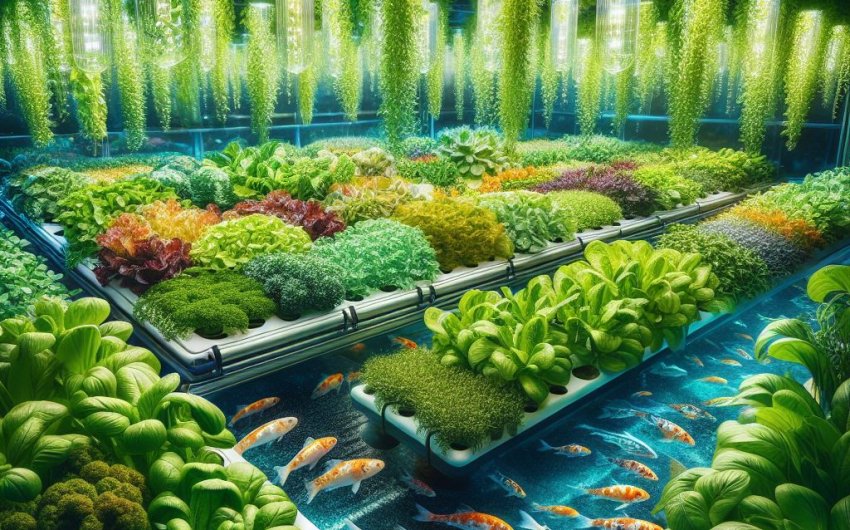
To achieve eco-friendly abundance with an aquaponics greenhouse, you integrate aquaculture (raising fish) and hydroponics (growing plants without soil) into a symbiotic, closed-loop system. The fish waste naturally fertilizes the plants, which in turn filter the water for the fish, creating a highly sustainable and productive food growing environment with minimal water usage.
What is an Aquaponics Greenhouse and How Does It Work?
An aquaponics greenhouse is a revolutionary food production system that combines the best of two worlds: aquaculture (raising aquatic animals, typically fish) and hydroponics (growing plants in water without soil). It creates a symbiotic, recirculating ecosystem that promises eco-friendly abundance.
The Symbiotic Cycle: Fish, Bacteria, Plants
The core of aquaponics is a beautiful, natural cycle:
- Fish Waste Production: Fish are raised in tanks, and their waste (ammonia-rich water) accumulates. This waste would be toxic to the fish if it built up.
- Bacterial Conversion (Nitrification): This ammonia-rich water is pumped to a biofilter or directly into the plant growing beds. Here, beneficial bacteria (Nitrosomonas and Nitrobacter) convert the toxic ammonia first into nitrites, and then into nitrates. Nitrates are the primary form of nitrogen that plants can readily absorb.
- Plant Nutrient Uptake: The nitrate-rich water then flows through the plant growing beds. The plants absorb these nitrates (and other dissolved nutrients) as their food source.
- Clean Water Return: As the plants absorb the nutrients, they effectively filter and purify the water. This clean, oxygenated water then flows back into the fish tanks, creating a continuous, closed-loop system.
Why the Greenhouse Component?
Adding a greenhouse to an aquaponics system enhances its capabilities significantly:
- Climate Control: A greenhouse allows you to control temperature, humidity, and light, extending the growing season year-round, regardless of external climate conditions. This means you can grow warm-season crops even in winter.
- Pest and Disease Control: The enclosed environment offers a barrier against many common outdoor pests and diseases, reducing the need for chemical interventions.
- Increased Efficiency: Stable conditions lead to more consistent plant growth and fish health, maximizing productivity.
- Water Retention: The enclosed nature of a greenhouse minimizes water evaporation, further boosting the water efficiency of the aquaponics system.
Key Components of an Aquaponics Greenhouse System
- Fish Tank: Where the fish live. Size depends on the scale of your system.
- Grow Beds: Where the plants grow. Various methods are used here (Media Beds, Raft Systems, Nutrient Film Technique).
- Biofilter: A specialized area (or integrated into grow beds) where beneficial bacteria colonize and perform the nitrification process.
- Water Pump: Moves water from the fish tank through the system and back.
- Air Pump/Airstone: Oxygenates the fish tank water.
- Plumbing: Connects all components.
- Greenhouse Structure: Provides the enclosed, controlled environment.
Table: Aquaponics Greenhouse Cycle
| Component | Function | Output |
|---|---|---|
| Fish Tank | Houses fish, produces waste | Ammonia-rich water, edible fish |
| Biofilter | Beneficial bacteria convert ammonia to nitrate | Nitrate-rich water |
| Grow Beds | Plants absorb nitrates and filter water | Edible plants, clean water |
| Water Pump | Recirculates water | Continuous flow throughout the system |
What Are the Eco-Friendly Benefits of an Aquaponics Greenhouse?
An aquaponics greenhouse is celebrated for its remarkable environmental advantages, offering a truly eco-friendly abundance that traditional farming methods often cannot match.
1. Drastic Water Savings
- Recirculating System: The closed-loop nature means water is constantly reused, circulating between fish and plants. The only water lost is through transpiration from plants (which is minimized in a greenhouse), evaporation from the tank surface (also reduced in a greenhouse), and minor top-offs due to splashing or harvesting.
- Up to 90% Less Water: Compared to conventional soil-based agriculture, which can be incredibly water-intensive, aquaponics uses significantly less water, often 90% or more. This is a critical advantage in water-scarce regions.
- No Runoff: There is no nutrient-laden runoff to pollute local waterways, unlike traditional farming that often has excess fertilizer and pesticide runoff.
2. Elimination of Chemical Fertilizers and Pesticides
- Natural Fertilization: Fish waste naturally provides all the essential nutrients for plant growth, eliminating the need for synthetic chemical fertilizers. This keeps the food chemical-free.
- Pest Control in Enclosed Environment: The greenhouse acts as a physical barrier against many common garden pests. Any pests that do get in can often be managed through beneficial insects or organic sprays that won't harm the fish, thus reducing or eliminating chemical pesticide use.
- Disease Management: Healthy systems often have strong natural defenses. Maintaining good water quality in aquaponics helps prevent fish diseases.
3. Efficient Land Use
- High Density Production: Aquaponics systems can produce a significant amount of food (both fish and plants) in a very small footprint compared to conventional agriculture.
- Vertical Integration: Many aquaponics greenhouse designs incorporate vertical growing techniques (like vertical towers or stacked grow beds) to further maximize space.
- Urban Farming Potential: Ideal for urban environments where arable land is scarce. It can turn rooftops, vacant lots, or warehouses into productive food sources.
4. Reduced Carbon Footprint
- Local Food Production: Growing food locally significantly reduces "food miles" – the distance food travels from farm to plate – thereby cutting down on transportation-related carbon emissions.
- Energy Efficiency: While aquaponics greenhouse systems require some energy for pumps and aeration, smart design (e.g., solar power integration, passive solar greenhouse design) can minimize this. The efficiency per pound of food produced can be very high.
- Waste Minimization: Nearly all inputs (fish food) are converted into outputs (fish and plants), with minimal waste. Fish solids can even be composted.
5. Year-Round Production and Reliable Yields
- Climate Resilience: The controlled environment of a greenhouse allows for year-round production, irrespective of external weather conditions. This provides food security and a consistent supply of fresh produce.
- Consistent Environment: Stable temperatures and nutrient delivery lead to more consistent plant growth and fish health, translating into reliable, predictable yields.
Table: Eco-Friendly Benefits of Aquaponics Greenhouses
| Eco-Friendly Benefit | How Aquaponics Greenhouse Achieves It | Impact on Environment/Resources |
|---|---|---|
| Water Savings | Closed-loop recirculation, reduced evaporation | Up to 90% less water use, no runoff |
| No Chemicals | Fish waste as fertilizer, enclosed pest barrier | No synthetic fertilizers/pesticides |
| Efficient Land Use | High-density, vertical growing | Maximizes food per square foot, urban potential |
| Reduced Carbon Footprint | Local food production, minimized waste | Lowers food miles, less methane |
| Year-Round Production | Climate control, consistent growing conditions | Food security, reliable yields |
What Components Are Essential for an Aquaponics Greenhouse?
Building an effective aquaponics greenhouse system requires careful consideration and integration of several key components that work together to create a thriving, symbiotic environment for eco-friendly abundance.
1. The Fish Tank (Aquaculture Component)
- Material: Food-grade plastic (e.g., HDPE or polypropylene), fiberglass, or glass. Avoid materials that can leach toxins.
- Size: Dependent on the scale of your system. A common ratio is 1-2 lbs (0.45-0.9 kg) of fish per 10 gallons (38 liters) of water. For beginners, starting with a 50-100 gallon (190-380 liter) tank is manageable.
- Shape: Round or oval tanks are often preferred as they promote better water circulation and waste collection at the bottom.
- Drainage: A bottom drain is highly recommended for easy solids removal.
- Fish Selection: Tilapia, Trout, Catfish, Perch, and ornamental fish like Goldfish are common choices. Research fish that suit your climate, system size, and desired yield.
2. The Grow Beds (Hydroponics Component)
This is where the plants are grown, and various methods can be used:
- Media Beds (Flood & Drain / Ebb & Flow):
- Description: Beds filled with an inert growing medium (e.g., expanded clay pebbles (hydroton), lava rock, gravel). Water is periodically pumped from the fish tank to flood the beds, then drains back.
- Benefits: Excellent for beginners, provides mechanical and biological filtration, great for a wide range of plants (root vegetables, leafy greens, fruiting plants). Also provides surface area for nitrifying bacteria.
- Medium: Expanded Clay Pebbles (Hydroton) are a popular choice.
- Raft Systems (Deep Water Culture - DWC):
- Description: Plants sit in floating rafts (often made of polystyrene) directly on the surface of the nutrient-rich water, with their roots constantly submerged.
- Benefits: Excellent for leafy greens (lettuce, kale, basil), fast growth, highly scalable.
- Requires: A separate biofilter is usually essential for effective nitrification.
- Nutrient Film Technique (NFT):
- Description: Water flows in a very thin "film" over the roots of plants that are suspended in channels or pipes.
- Benefits: Highly efficient for leafy greens and herbs, conserves space, easy harvesting.
- Requires: Good filtration to prevent clogging, a separate biofilter.
- Vertical Systems: Can be adapted for any of the above methods, allowing plants to be stacked vertically, maximizing use of space within the greenhouse.
3. The Biofilter (Bacterial Conversion)
- Function: A crucial component where nitrifying bacteria (Nitrosomonas and Nitrobacter) colonize and convert toxic ammonia (from fish waste) into plant-usable nitrates.
- Material: Contains a large surface area for bacterial colonization (e.g., bio-balls, plastic scrubbies, specialized filter media).
- Integrated or Separate: In media beds, the grow bed itself acts as a biofilter. In DWC or NFT systems, a separate dedicated biofilter is usually necessary.
4. Water and Air Pumps
- Water Pump: Moves water from the fish tank to the grow beds/biofilter and back, ensuring continuous circulation. Choose a reliable submersible pump. A Submersible Water Pump is essential.
- Air Pump & Airstone: Provides crucial oxygenation for the fish in the tank. Without sufficient oxygen, fish health declines, and the system can crash.
5. Plumbing and Water Management
- PVC Piping: Commonly used for plumbing connections between tanks, pumps, and grow beds.
- Siphons/Bell Siphons: Used in media beds for automatic flood and drain cycles.
- Water Quality Testing Kit: Essential for monitoring pH, ammonia, nitrite, and nitrate levels. This is your system's "health report." A Aquaponics Water Test Kit is a must-have.
6. The Greenhouse Structure
- Material: Polycarbonate panels, glass, or polyethylene film. Consider durability, insulation, and light transmission.
- Size: Appropriate for your desired system scale and available space.
- Ventilation: Vents (manual or automatic), fans, and perhaps a passive solar design for temperature regulation.
- Heating/Cooling (Optional): Depending on climate, supplemental heating or cooling may be needed for year-round operation.
Table: Essential Aquaponics Greenhouse Components
| Component | Purpose | Common Materials/Methods |
|---|---|---|
| Fish Tank | House fish, produce nutrients | Food-grade plastic, fiberglass, glass |
| Grow Beds | Grow plants, filter water | Media beds (hydroton), Raft (polystyrene), NFT channels |
| Biofilter | Convert ammonia to nitrates | Bio-balls, grow media in media beds |
| Water Pump | Circulate water | Submersible pump |
| Air Pump/Airstone | Oxygenate fish water | Air pump, air stone |
| Plumbing | Connect system elements | PVC pipes, fittings |
| Greenhouse | Enclosed, climate-controlled environment | Polycarbonate, glass, polyethylene |
What Are the Best Plants and Fish for an Aquaponics Greenhouse?
Choosing the right plants and fish is vital for a successful and productive aquaponics greenhouse, ensuring both thrive in harmony to deliver eco-friendly abundance.
Best Plants for Aquaponics
Generally, plants that thrive in hydroponic systems and don't require heavy feeding are excellent for beginners.
- Leafy Greens:
- Lettuce (various types): One of the easiest and fastest-growing plants in aquaponics. Romaine, Butterhead, and Loose Leaf varieties are excellent.
- Kale, Spinach, Swiss Chard: All do very well.
- Basil: Extremely prolific and flavorful.
- Mint, Oregano, Thyme, Chives: Most herbs thrive.
- Fruiting Vegetables (for more mature systems):
- Tomatoes: Cherry tomatoes and smaller varieties are easier. Requires good nutrient levels and support.
- Peppers: Bell peppers and hot peppers are popular.
- Cucumbers: Vining varieties can be trellised.
- Strawberries: Excellent in vertical systems.
- Flowering Plants (Non-edible):
- Can also be grown for aesthetic appeal or to attract beneficial insects, as long as they don't have very high nutrient demands.
- What to Avoid (or approach with caution):
- Root Vegetables (Carrots, Potatoes, Onions): Can be challenging in media beds, and may not grow well if the medium is too dense or wet.
- Very Heavy Feeders (e.g., Corn): May outcompete other plants or require a very high fish stocking density.
- Acid-Loving Plants (e.g., Blueberries, Azaleas): Aquaponics systems typically run at a neutral to slightly alkaline pH, which is not suitable for these plants.
Best Fish for Aquaponics
Choosing hardy, fast-growing, and food-grade fish is recommended.
- Tilapia:
- Pros: The most common aquaponics fish. Extremely hardy, tolerates a wide range of water conditions (temperature, pH), grows quickly, and is excellent as a food fish.
- Cons: Tropical fish, requiring warmer water (70-85°F or 21-29°C), which can increase heating costs in cooler climates. Some states have restrictions on Tilapia cultivation.
- Trout (Rainbow Trout, Brook Trout):
- Pros: Cold-water fish, ideal for colder climates. Good food fish, grows quickly.
- Cons: Require highly oxygenated, very clean, and consistently cold water (below 65°F or 18°C), making them more sensitive to system fluctuations.
- Catfish (Channel Catfish):
- Pros: Hardy, tolerate a range of conditions, good food fish, relatively fast growth.
- Cons: Can be messy eaters, producing more solids.
- Perch (Yellow Perch):
- Pros: Good food fish, relatively hardy, temperate fish.
- Cons: Slower growing than Tilapia.
- Ornamental Fish (Goldfish, Koi):
- Pros: Hardy, good for beginners if not interested in food fish. Tolerant of a wider range of conditions.
- Cons: Not for human consumption. Can still generate sufficient waste for plants.
Table: Best Plants & Fish for Aquaponics
| Category | Recommended Choices | Notes |
|---|---|---|
| Leafy Greens | Lettuce, Kale, Spinach, Swiss Chard, Basil, Mint | Easy, fast-growing, great for beginners |
| Fruiting Veggies | Cherry Tomatoes, Peppers, Cucumbers, Strawberries | Requires more mature system, support needed |
| Fish (Warm Water) | Tilapia, Channel Catfish | Hardy, fast-growing food fish, needs heat |
| Fish (Cold Water) | Rainbow Trout, Brook Trout | Good food fish, requires consistently cold/clean water |
| Fish (Ornamental) | Goldfish, Koi | Hardy, good for learning, not for consumption |
What are the Maintenance and Monitoring Routines for an Aquaponics Greenhouse?
Maintaining an aquaponics greenhouse involves a regular routine of checks and balances to ensure the symbiotic relationship between fish, bacteria, and plants remains healthy and productive, leading to sustained eco-friendly abundance.
Daily Checks: Quick Overview
- Fish Behavior: Observe fish for any signs of stress (gasping at surface, erratic swimming, clamped fins, spots, lesions). Healthy fish are active and alert.
- Water Level: Check the water level in the fish tank and top off with dechlorinated fresh water as needed (due to evaporation and plant transpiration).
- Water Flow: Ensure water is flowing correctly through all parts of the system (pumps running, no clogs).
- Plant Health: Quickly scan plants for wilting, yellowing (beyond natural leaf aging), pest damage, or signs of disease.
- Temperature: Check water and air temperature.
Weekly Checks: Deeper Dive
- Water Quality Testing: This is critical. Use an aquaponics water test kit to measure:
- pH: Ideally 6.0-7.0 for optimal plant and fish health (a slight acidic preference for plants, slightly alkaline for fish, often a compromise around 6.5-7.0 works).
- Ammonia (NH₃): Should be 0 ppm (parts per million). Presence indicates bacterial conversion issues or overfeeding.
- Nitrite (NO₂⁻): Should be 0 ppm. Presence indicates bacterial conversion issues.
- Nitrate (NO₃⁻): Should be present (10-40 ppm is a good range), indicating the system is cycling well and plants have food.
- Fish Feeding: Feed fish the appropriate amount and observe them eating. Remove any uneaten food promptly to prevent water quality issues.
- Solids Removal: Siphon out any accumulated fish solids from the bottom of the fish tank or sump. These solids can be composted.
- Plant Harvest/Pruning: Harvest ripe produce. Prune dead or yellowing leaves to promote new growth and prevent disease.
- Pest/Disease Inspection: A more thorough inspection of plants (undersides of leaves) for early signs of pests or diseases.
Monthly/Bi-Monthly Checks: System Health
- Biofilter Cleaning: Gently rinse biofilter media if water flow is restricted, but avoid over-cleaning, which can disrupt beneficial bacteria.
- Pump/Plumbing Maintenance: Check pumps for debris, clean impellers. Inspect plumbing for leaks or clogs.
- Plant Nutrients (Micronutrients): While fish provide macronutrients, some trace minerals (like iron, potassium, calcium) may become deficient over time. Monitor plants for signs of deficiency (e.g., interveinal chlorosis for iron). Supplement with chelated forms safe for fish.
- Fish Health Check: More detailed observation of fish for signs of illness or unusual behavior.
Seasonal/As-Needed Maintenance
- Fish Harvesting/Restocking: Based on growth and consumption needs.
- System Cleaning: A more thorough cleaning of tanks and grow beds when fish populations are low or between grow cycles.
- Greenhouse Maintenance: Clean greenhouse panels, check ventilation systems, ensure heating/cooling systems are operating efficiently.
Table: Aquaponics Greenhouse Maintenance Routine
| Frequency | Task | Purpose |
|---|---|---|
| Daily | Check fish, water level, water flow, plant health, temp | Immediate problem detection, basic system health |
| Weekly | Water quality test (pH, Ammonia, Nitrite, Nitrate), fish feeding, solids removal, plant harvest | Detailed system health, nutrient balance, plant production |
| Monthly/Bi-Monthly | Biofilter/pump cleaning, micronutrient check | Long-term system stability, nutrient top-up |
| Seasonally/As-Needed | System deep clean, greenhouse maintenance, fish harvest/restock | Overall system health, prepare for cycles |
By adhering to these diligent maintenance and monitoring routines, your aquaponics greenhouse can consistently achieve eco-friendly abundance, providing a continuous supply of fresh, sustainable food year-round.