
How to Choose Livestock for Your Mini Farm: A Practical Approach
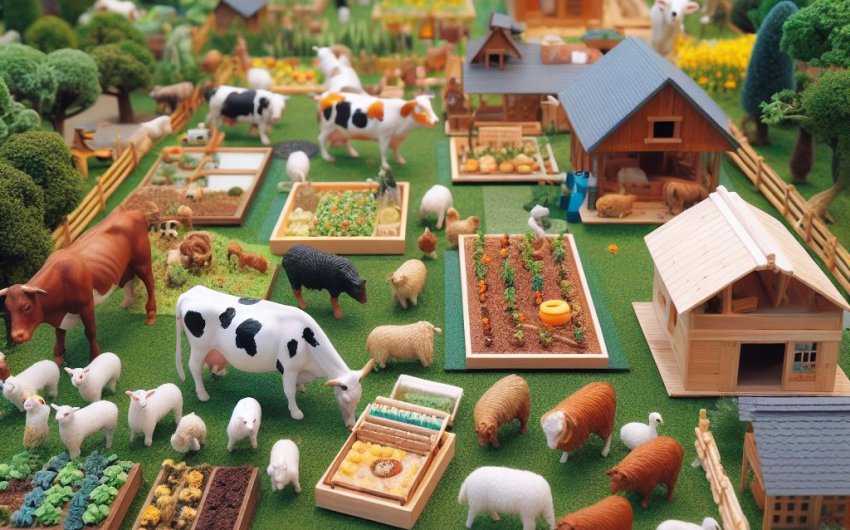
To choose livestock for your mini farm, adopt a practical approach by first assessing your available space, local regulations, time commitment, and desired products, then research species and breeds best suited to your climate and beginner skill level. Prioritize animals that are manageable, productive, and align with your sustainable farming goals.
Why is careful livestock selection crucial for a mini farm?
Careful livestock selection is paramount for a mini farm because, unlike large-scale operations, every animal choice has a magnified impact on your limited space, resources, and time. Bringing the wrong animals onto your mini farm can quickly lead to overcrowding, excessive labor, unmet expectations, and even legal issues. A thoughtful, practical approach ensures a sustainable, productive, and enjoyable experience.
What are the main challenges of livestock on a mini farm?
- Limited space: Overcrowding is a major concern, leading to stress for animals and potential damage to the land.
- Time commitment: Even small numbers of animals require daily care, regardless of weather or personal schedule.
- Local regulations: Zoning laws, HOAs, and health codes often restrict what animals can be kept and in what numbers.
- Waste management: Manure needs proper handling to prevent odors and environmental pollution.
- Cost: Initial setup and ongoing feed/vet costs can be significant.
- Pest attraction: Animals can attract flies, rodents, or other pests.
- Learning curve: Each animal species has specific care, health, and housing needs.
What are the benefits of integrating livestock into a mini farm?
- Fresh products: Homegrown eggs, milk, meat, or honey.
- Natural pest control: Chickens eat insects; ducks eat slugs.
- Weed control: Goats and sheep can graze weeds.
- Fertilizer production: Manure enriches garden soil.
- Biodiversity: Adds life and ecological balance to your farm.
- Educational for families: Teaches responsibility and where food comes from.
- Companionship: Many farm animals can be engaging pets.
What is the essential first step: self-assessment?
Before even looking at animal breeds, the most practical first step is a thorough self-assessment. This honest evaluation of your resources, limitations, and goals will narrow down your livestock options significantly.
How do you evaluate your available space?
- Acreage: How much land do you realistically have for animals, their housing, and rotational grazing?
- Pasture quality: Do you have existing pasture, or will you need to establish it? Is it fenced?
- Shelter: Do you have existing structures (sheds, barns) or space to build new ones?
- Run/Pen space: Even animals that free-range need secure nighttime housing and protected outdoor runs.
- Buffer zones: Consider distance from neighbors and property lines to prevent noise or odor complaints.
How do you assess your time commitment?
- Daily care: Can you commit to daily feeding, watering, and inspection, even in bad weather?
- Cleaning: Are you prepared for regular coop/pen cleaning and waste management?
- Seasonal tasks: Birthing, shearing, milking, processing all require additional time.
- Vacation planning: Who will care for your animals when you're away?
- Learning curve: Factor in time for researching animal care and health.
What are your goals and desired products?
- Eggs: Chickens, ducks, quail.
- Meat: Chickens, rabbits, goats, sheep.
- Milk: Goats, small breeds of sheep or miniature cows.
- Fiber: Sheep, alpacas, angora rabbits.
- Pest/weed control: Chickens, ducks, geese, goats.
- Compost/fertilizer: All animals produce manure.
- Companionship/education: Consider temperament and interaction.
What about local regulations and community considerations?
Ignoring local regulations and your neighbors can quickly turn your mini farm dream into a legal nightmare. This is a critical step that must be addressed early.
How do you research local zoning laws and HOA rules?
- City/County Zoning Department: Contact them directly. Ask about specific animal types allowed, maximum numbers, setback requirements for coops/pens, and noise ordinances.
- Homeowners' Association (HOA): If you live in an HOA, review their covenants and restrictions. Many HOAs have strict rules or outright bans on livestock.
- Health Department: Inquire about regulations for selling animal products (e.g., eggs, milk).
How do you engage with your neighbors?
- Open communication: Inform your neighbors of your plans and address any concerns upfront.
- Mitigate concerns: Plan for odor control (proper manure management), noise reduction (breed choice, sound barriers), and aesthetics (well-maintained enclosures).
- Share the bounty: Offering fresh eggs or produce can often build goodwill.
What are the best livestock options for small backyard mini farms?
For beginners and those with limited space, certain livestock species are far more manageable and productive on a mini farm scale. These animals typically require less space and have a shorter learning curve.
1. Chickens (for eggs and meat)
- Space needed: 2-4 sq ft per bird in coop, 8-10 sq ft per bird in outdoor run.
- Pros: Easy to care for, produce fresh eggs daily, can be raised for meat, good pest control (eat bugs and weeds), manure is excellent fertilizer. Quiet breeds exist.
- Cons: Roosters can be noisy (check regs), can scratch up gardens if free-ranging, attract rodents if feed isn't stored properly.
- Best breeds for beginners: Rhode Island Reds, Plymouth Rocks, Wyandottes, Orpingtons (for docile temperament). You can buy chicken coop kits for easy setup.
2. Ducks (for eggs and pest control)
- Space needed: Similar to chickens, but prefer a small pool or kiddie pool for water.
- Pros: Larger, richer eggs than chickens, excellent slug and snail control, less prone to certain diseases than chickens, generally more cold-hardy, quieter than roosters.
- Cons: Messier waterers, need access to bathing water.
- Best breeds for beginners: Pekin, Rouen, Khaki Campbell.
3. Rabbits (for meat and fertilizer)
- Space needed: Small hutches (2x2 ft per rabbit) or larger outdoor runs.
- Pros: Very efficient meat producers in a small space, quiet, manure is a "cold" fertilizer (can be used directly on plants), relatively low feed cost.
- Cons: Can be delicate, need protection from predators, can breed quickly.
- Best breeds for beginners: New Zealand Whites, Californians, American Chinchilla. You can buy rabbit hutch kits that are easy to assemble.
4. Quail (for eggs and meat)
- Space needed: Very small, can be kept in specialized cages.
- Pros: Mature quickly, produce many small eggs, efficient meat producers, quiet.
- Cons: Small size means more processing for meat, can be flighty.
- Best breeds for beginners: Coturnix quail.
5. Bees (for honey and pollination)
- Space needed: A few square feet for a hive.
- Pros: Produce honey, wax, and pollen; excellent garden pollinators, fascinating to observe.
- Cons: Requires specialized knowledge and equipment, stings are a risk, swarming is a possibility. (Check local regulations - often allowed in urban areas).
- Best for beginners: Italian bees, Carniolan bees (docile). You can buy a beginner beekeeping kit to get started.
What about larger livestock for mini farms?
While larger livestock like goats or sheep can be kept on a mini farm, they require significantly more space, specialized fencing, and a greater time commitment. They are generally not recommended for true backyard mini farms or beginners.
Can goats or sheep fit on a mini farm?
- Space needed: Minimum 1/4 acre per animal, ideally more. Need robust fencing (woven wire or electric) and good shelter.
- Pros (for mini farm): Good for brush/weed control, can produce milk or meat, provide fertilizer.
- Cons (for mini farm): Require more space than backyard scale, herd animals (need at least two), fencing is crucial, can be destructive to gardens/trees, specific feeding needs.
- Best breeds for beginners (miniature): Pygmy goats, Nigerian Dwarf goats (for milk), Miniature Cheviot sheep.
Are miniature cows an option for small acreage?
Miniature cows (e.g., Dexter, Miniature Jersey) are smaller versions of full-sized cows and can be kept on less land (often cited as 1 acre for 2-3 mini cows, compared to 1-2 acres per full-size cow).
- Pros: Can provide milk or meat, good grazing animals.
- Cons: Still require significant space, robust fencing, large feed/water requirements, substantial investment, not suitable for most "backyard" scales.
What are key considerations for animal housing and welfare?
Providing appropriate, secure, and comfortable housing is non-negotiable for any livestock on your mini farm. Animal welfare should always be a top priority.
What are essential housing requirements?
- Shelter from elements: Protection from rain, wind, sun, and extreme temperatures (heat and cold).
- Ventilation: Good airflow without drafts.
- Security: Protection from predators (foxes, raccoons, coyotes, hawks, neighborhood dogs). Use sturdy wire mesh (hardware cloth is best) buried into the ground.
- Space: Adequate space for each animal to move, eat, sleep, and express natural behaviors.
- Cleanliness: Easy to clean and maintain to prevent disease and odors.
What about feed and water?
- Constant fresh water: Essential. Animals must always have access to clean, fresh water. Use robust, easy-to-clean waterers.
- Appropriate feed: Research the specific dietary needs of your chosen animals. Use high-quality feed.
- Secure storage: Store feed in airtight, rodent-proof containers to prevent pests.
What are important health and management practices for livestock?
Maintaining the health of your livestock and implementing good management practices are vital for productivity and preventing problems on your mini farm.
How do you ensure animal health?
- Regular observation: Daily inspection of animals for changes in behavior, appetite, or physical condition.
- Cleanliness: Keep coops, pens, and feeders clean to prevent disease.
- Nutrition: Provide a balanced diet and fresh water.
- Veterinary care: Establish a relationship with a local veterinarian who specializes in farm animals.
- Quarantine new animals: Isolate new animals for a few weeks to ensure they are healthy before introducing them to your existing flock/herd.
- Pest control: Manage flies and other pests around animal housing using natural methods.
What ongoing management tasks are important?
- Waste management: Collect and compost manure regularly. Proper composting eliminates odors and creates valuable fertilizer for your garden. A backyard compost bin is essential.
- Bedding: Provide fresh, clean bedding (straw, wood shavings) regularly.
- Rotation: If using pasture, implement rotational grazing to prevent overgrazing and allow vegetation to recover.
- Seasonal preparations: Prepare for extreme weather (insulation in winter, shade/water in summer).
- Processing (if for meat): Understand processing options if raising animals for meat (DIY or local butcher).
Choosing livestock for your mini farm is a significant decision that requires a thoughtful, practical approach. By thoroughly assessing your available space, local regulations, time commitment, and desired products, and then researching species like chickens, ducks, rabbits, or quail that are best suited for small-scale, beginner-friendly environments, you can create a sustainable, productive, and incredibly rewarding backyard ecosystem.