
Urban Mini Farming: Growing Food in Small Spaces
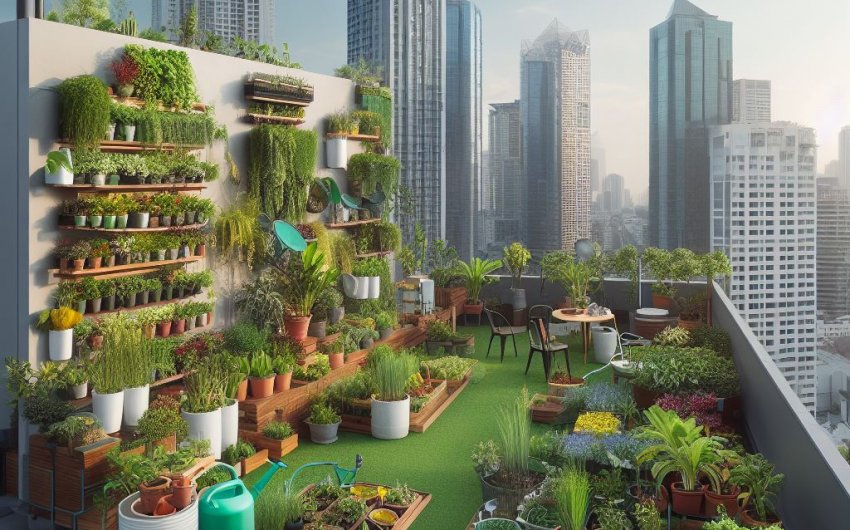
Urban mini farming, or growing food in small spaces, involves maximizing yield and efficiency through container gardening, vertical gardening, raised beds, and intensive planting techniques within city limits. The key is to strategically use every available sunny spot—from balconies and rooftops to small backyards—to cultivate a diverse range of edibles.
Why is urban mini farming a growing trend?
Urban mini farming is a rapidly growing trend driven by a desire for fresh, healthy food, increased self-sufficiency, and a deeper connection to nature, even in bustling city environments. As urban populations expand and access to traditional farmlands diminishes, people are turning their small outdoor (and sometimes indoor) spaces into productive food-growing havens, transforming balconies, patios, and tiny yards into vibrant edible landscapes.
What are the main benefits of urban mini farming?
- Access to fresh, healthy food: Grow organic, pesticide-free produce right outside your door.
- Cost savings: Significantly reduces grocery bills over time.
- Reduced food miles: Lessens your environmental footprint by growing locally.
- Increased self-sufficiency: Provides a sense of food security and independence.
- Stress relief & well-being: Gardening is a proven stress reducer, offering a connection to nature.
- Community building: Opportunities to share excess produce or knowledge with neighbors.
- Educational: Teaches children about where food comes from and plant life cycles.
- Enhanced aesthetics: Transforms sterile urban spaces into lush, green oases.
What challenges does urban mini farming present?
- Limited space: The most obvious challenge, requiring creative solutions.
- Sunlight limitations: Buildings can cast shadows, limiting sunny spots.
- Soil quality: Urban soils can be contaminated or poor quality.
- Pests: Urban areas still have pests, and sometimes unique ones.
- Water access: May require hauling water or setting up efficient systems.
- Local regulations: HOAs, city ordinances for certain practices (e.g., composting, keeping chickens).
How do you assess your urban space for food growing?
Before you start planting, a thorough assessment of your available urban space is crucial. Understanding its unique characteristics will inform all your subsequent decisions, from planting methods to crop selection.
How do you evaluate sunlight in a small urban space?
Sunlight is the most critical factor for most food crops.
- Observe throughout the day: Spend a full day (or several days) observing how the sun moves across your balcony, patio, or yard in spring/summer.
- Map sunny and shady spots: Identify areas that receive:
- Full sun: 6-8+ hours of direct sunlight (ideal for most vegetables).
- Partial sun: 4-6 hours of direct sun.
- Partial shade: 2-4 hours of direct sun or dappled light.
- Full shade: Less than 2 hours of direct sun.
- Consider seasonal changes: Sun paths change with seasons. Neighboring buildings can also cast shadows that shift throughout the day.
How do you analyze your existing urban soil?
If you plan to use in-ground beds, your existing soil needs careful assessment.
- Soil Test: In urban environments, it is crucial to perform a soil test for contaminants (like lead or heavy metals) in addition to pH and nutrient levels. Contact your local cooperative extension or a specialized lab.
- Texture and drainage: Observe if it's sandy, loamy, or heavy clay, which impacts drainage.
- If contaminated: Opt for raised beds or container gardening using imported, clean soil.
What other urban site factors are important?
- Weight bearing capacity: Especially for balconies and rooftops, ensure they can safely support the weight of wet soil, containers, and plants.
- Water access: Proximity to a water source (hose bib, rain barrel) for easy irrigation.
- Wind exposure: High-rise balconies can be very windy, damaging plants. Consider windbreaks.
- Local regulations: Check HOA rules, city ordinances for things like raised bed heights, composting, or small livestock.
What are the best small-space urban farming techniques?
To maximize yield in limited urban spaces, you need to employ specialized techniques that make the most of every square inch, often utilizing vertical dimensions.
1. Container Gardening
Container gardening is the most fundamental urban farming technique. Almost any edible plant can be grown in a pot.
- Benefits: Highly flexible, portable, allows control over soil quality, prevents soil contamination, suitable for balconies/patios.
- Container choice: Use pots with drainage holes. Fabric grow bags are excellent for vegetables as they promote root aeration.
- Plant selection: Choose "dwarf," "bush," or "patio" varieties of vegetables and herbs specifically bred for containers.
2. Vertical Gardening
Vertical gardening is a game-changer for urban spaces, using walls, fences, or trellises to grow upwards.
- Benefits: Dramatically increases growing area, saves floor space, improves air circulation, keeps plants clean.
- Systems:
- Trellises and arbors: For vining plants like cucumbers, pole beans, peas, indeterminate tomatoes, small squash. A vertical garden trellis kit is easy to set up.
- Stackable planters: Modular systems for herbs, lettuce, strawberries.
- Wall-mounted pockets/panels: For leafy greens, herbs, small flowers.
- DIY structures: Repurposed pallets, shoe organizers, old ladders.
3. Raised Beds
Raised beds offer a controlled growing environment, even in small urban backyards.
- Benefits: Easier to control soil quality (especially if existing soil is poor/contaminated), improved drainage, warmer soil earlier in spring, reduces back strain.
- Construction: Can be made from wood, metal, or composite materials. Heights vary (6-24 inches). Raised garden bed kits are popular.
- Filling: Fill with a mix of topsoil, compost, and other organic matter.
4. Intensive Planting Techniques
Within your beds or large containers, use these methods to pack more plants in:
- Square Foot Gardening (SFG): Divide beds into 1x1 foot squares and plant densely based on plant size (e.g., 1 tomato per square, 9 spinach per square).
- Succession Planting: Plant small batches of the same crop (or different crops) every few weeks to ensure a continuous harvest and prevent gluts.
- Companion Planting: Strategically pair plants that benefit each other (e.g., basil with tomatoes, marigolds to deter pests).
How do you build and maintain healthy soil in an urban mini farm?
Healthy, living soil is paramount for urban mini farming, especially since nutrients are quickly used up in small spaces. Organic practices are key to sustainable fertility.
Why is starting with clean, rich soil important?
- Contamination avoidance: Ensures you're not growing food in heavy metals or other urban pollutants.
- Nutrient supply: Provides the necessary nutrients for plants to thrive in limited space.
- Water retention/drainage: Proper soil structure balances moisture.
- Microbial activity: Supports beneficial soil organisms crucial for plant health.
How do you build and maintain healthy soil organically?
- Use high-quality potting mix: For containers and raised beds, fill with a blend of topsoil, organic compost, and perlite/vermiculite.
- Compost: Start a small-scale composting system (e.g., a tumbling composter or a worm bin indoors) to generate your own nutrient-rich soil amendment from kitchen scraps.
- Mulch: Apply a 2-4 inch layer of organic mulch (straw, shredded leaves, wood chips) to beds and containers. This conserves moisture, suppresses weeds, and slowly adds organic matter.
- Organic Fertilizers: Supplement with balanced organic granular or liquid fertilizers during the growing season. A soil test will guide nutrient needs.
- Crop rotation: If using multiple beds, rotate plant families annually to prevent nutrient depletion and break disease cycles.
What are the best high-yield crops for urban mini farms?
Selecting crops that produce a lot in a small footprint or offer multiple harvests is essential for maximizing the output of your urban mini farm.
What high-yield vegetables work well in small spaces?
- Leafy Greens: Lettuce, spinach, kale, arugula, Swiss chard. Excellent for "cut-and-come-again" harvesting.
- Radishes: Very fast-growing, quick turnover for succession planting.
- Bush Beans: Compact and highly productive.
- Peppers (especially compact varieties): Many varieties thrive in containers.
- Cherry Tomatoes (dwarf/bush varieties): Produce abundant small fruits over a long season.
- Herbs: Basil, mint, oregano, thyme, chives, parsley. Most are very productive in small pots.
- Compact root vegetables: 'Paris Market' carrots, small beets.
- Microgreens: Grow indoors year-round, quick harvest.
What small fruits can you grow for yield?
- Strawberries (everbearing/alpine): Ideal for hanging baskets or vertical planters.
- Dwarf Blueberries: Can be grown in large containers (need acidic soil).
- Dwarf Citrus trees: Lemons, limes, oranges can produce in large pots and be brought indoors in winter.
- Miniature Kiwi: Vining varieties that can be trellised.
How do you manage water and pests in an urban mini farm?
Efficient water management and proactive pest control are crucial in urban mini farming, where conditions can be more intense and natural predator populations might be lower.
What are efficient watering strategies for urban mini farms?
- Deep, infrequent watering: Encourages deep root growth and resilience. Water thoroughly when the top few inches of soil are dry.
- Early morning watering: Reduces evaporation and allows foliage to dry, preventing disease.
- Drip irrigation or soaker hoses: Highly efficient for raised beds and containers, delivering water directly to roots. A mini drip irrigation kit can save water.
- Mulching: Helps conserve moisture significantly.
- Rain barrels: Collect rainwater for an eco-friendly water source.
What are organic pest control strategies for urban mini farms?
- Vigilance: Regularly inspect plants for pests.
- Hand-picking: Remove larger pests (e.g., tomato hornworms, slugs) manually.
- Companion planting: Use plants that deter pests (e.g., marigolds, nasturtiums) or attract beneficial insects (e.g., dill, cilantro).
- Row covers: Use floating row covers to protect young plants from flying insects.
- Organic sprays: For outbreaks, use insecticidal soap or neem oil.
- Maintain plant health: Healthy, unstressed plants are more resistant.
Can you keep small livestock in an urban mini farm?
Keeping small livestock in an urban setting requires careful consideration of local regulations, space, and neighbor relations, but it is possible in many areas.
What small livestock might be suitable for urban mini farms?
- Chickens (for eggs): Often allowed in urban areas. Require a secure coop and run (check local ordinances for roosters, which can be noisy). Produce fresh eggs and manure for compost. You can buy a small backyard chicken coop designed for urban use.
- Quail (for eggs/meat): Smaller and quieter than chickens, often allowed where chickens are not. Require specialized cages.
- Rabbits (for meat/fiber/manure): Quiet, require small hutches. Manure is excellent for the garden.
- Bees (for honey/pollination): Can be kept in urban areas (check regulations). Provide honey and pollinate your garden. A beginner beehive kit is a good starting point.
What are critical considerations for urban livestock?
- Local Ordinances: Research city/county laws and HOA rules on poultry, rabbits, and bees before acquiring animals.
- Space: Ensure adequate space for housing, runs, and comfortable living for the animals.
- Predator Protection: Secure enclosures from urban predators (raccoons, possums, hawks).
- Odor Control: Implement strict sanitation and waste management (composting manure) to prevent neighbor complaints.
- Noise: Be mindful of noise levels, especially for roosters or barking dogs.
- Waste Management: Have a plan for composting or disposing of animal waste.
Urban mini farming offers an exciting and rewarding path to growing food in small spaces, transforming city environments into productive oases. By embracing techniques like container and vertical gardening, optimizing soil health with organic matter, selecting high-yielding crops, and diligently managing water and pests, anyone can cultivate a thriving mini farm that delivers fresh, healthy produce and a profound connection to the natural world.